


As the demand for flexible, mobile, and efficient workspaces continues to grow across industries, innovative architectural solutions are becoming increasingly important. Among these emerging trends, repurposed steel containers are proving to be one of the most practical foundations for modern portable offices. The growing interest in flexible workspaces has made convenient shipping container offices increasingly appealing within architecture, construction, and remote-work industries. As businesses search for adaptable, cost-effective, and environmentally conscious alternatives to traditional office structures, steel containers formerly used solely for freight are emerging as one of the most innovative solutions.
Why Containers Are Becoming a Preferred Office Solution?
Over the last ten years, big improvements in construction technology and workplace culture have made people want places that can be set up quickly, changed easily, and moved without a lot of planning. These needs fit perfectly with shipping containers.
Containers were originally designed to survive harsh weather, high loads, and long-distance travel. They are incredibly strong and last a long time. This natural strength makes it possible to build offices in places like isolated areas, construction sites, industrial zones, or even cities where land is hard to come by.
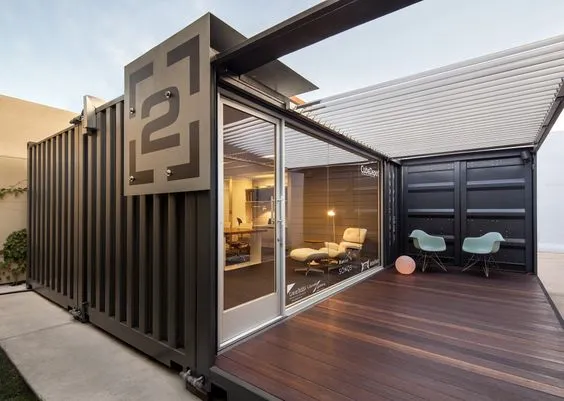
Structural Advantages and Long-Term Durability
Shipping containers are built from corten steel, a corrosion-resistant alloy formulated to survive harsh marine environments. This material offers substantial protective benefits:
- Weather resistance: Containers can withstand strong winds, temperature changes, and moisture exposure.
- Load-bearing strength: Their rigid steel framework allows stacking, expansion, and modular design.
- Longevity: Properly maintained, a container structure can last decades without significant deterioration.
These attributes create a secure shell for office operations, whether used as temporary field offices or permanent corporate workspaces. The steel exterior can also be enhanced with insulation, cladding, and finishing materials that elevate the workplace experience to meet commercial building standards.
Flexibility and Modular Design Opportunities
One of the strongest arguments for using containers as portable office buildings is their inherent modularity. Each container is a standardized unit that can be combined, stacked, or extended to create different configurations. Architects can design layouts with open floor plans, private rooms, multi-story structures, or hybrid complexes integrating multiple functional zones.
Notable design advantages include:
- Scalability: Businesses can start with a single unit and expand their workspace by adding new containers as operations grow.
- Easy relocation: Once installed, the entire building or individual modules can be transported without demolition.
- Multi-purpose adaptability: A single container can serve as a conference room, reception area, break room, or technical workspace.
This design flexibility aligns well with industries requiring temporary or semi-permanent offices, such as construction, mining, energy, logistics, agriculture, and disaster-response services.
Cost Efficiencies Compared to Traditional Buildings
The financial benefits of container offices often outweigh those of conventional construction. Several cost advantages stand out:
- Reduced construction time: Off-site fabrication significantly lowers labor costs.
- Minimal site preparation: Containers can be placed on simple foundations, reducing groundwork expenses.
- Lower material waste: Repurposing steel containers supports sustainable building practices while decreasing material costs.
- Predictable pricing: Prefabricated container offices come with transparent, fixed costs, preventing unexpected overruns.
For small businesses, startups, and organizations with temporary project needs, container-based offices can provide professional-grade workspaces at a fraction of the cost of building new facilities from scratch.
Sustainability and Environmental Benefits
Environmental considerations play a major role in contemporary architectural decisions, and container offices align well with eco-friendly principles. Each reused shipping container represents thousands of kilograms of steel diverted from the waste stream. Repurposing them reduces the carbon footprint associated with manufacturing new building materials.
Container offices also support additional sustainable strategies:
- Energy efficiency: Insulation, ventilation systems, and high-performance windows can be integrated to reduce energy consumption.
- Solar and renewable integrations: Flat roofs allow easy installation of photovoltaic panels and green roofs.
- Reduced land disruption: Portable units minimize excavation or site alteration, preserving natural environments.
- Reusability: When business needs change, container buildings can be relocated, resold, or reconfigured, extending their lifecycle.
For companies committed to environmental stewardship, container offices provide a practical, visible expression of sustainability.
Enhanced Mobility for Modern and Remote Work Environments
Shipping container offices excel in scenarios where mobility is essential. They can be delivered to virtually any location that a truck or crane can reach, making them ideal for:
- Construction site headquarters
- Military or government field offices
- Remote research stations
- Pop-up corporate campuses
- Temporary event command centers
- Mobile medical or emergency response units
Because containers are designed for transport, relocating them requires far less logistical planning than moving a modular building or constructing a new facility. The ability to move an entire office within hours is particularly valuable in industries with dynamic operational requirements.
Customization Options to Meet Modern Workplace Standards
Today’s container offices look nothing like the rough storage containers many imagine. Through modern engineering and interior design, they can provide attractive, comfortable, and high-performance workspaces.
Common customization features include:
- Climate control systems (HVAC)
- Electrical wiring and LED lighting
- High-speed internet infrastructure
- Soundproofing materials
- Windows, skylights, and glass walls
- Custom flooring, wall panels, and ceilings
- Built-in furniture and storage solutions
- Restrooms and kitchenette installations
With proper design, a container office can function as a sophisticated executive suite, collaborative workspace, or creative studio. This aesthetic transformation has contributed to the growing popularity of container architecture in the commercial sector.
Safety and Regulatory Considerations
While containers are inherently strong, transforming them into fully operational offices requires compliance with building codes and safety standards. Key considerations include:
- Structural modifications must maintain the integrity of the steel frame.
- Electrical and plumbing installations must meet local regulations.
- Proper foundations or piers must be used depending on site conditions.
- Insulation and ventilation must ensure healthy indoor air quality.
- Fire safety systems should be integrated in multi-unit designs.
Reputable manufacturers and architectural firms specializing in container builds ensure compliance with these requirements, making the structures safe, reliable, and code-approved.
The Future of Portable Office Design
As hybrid and remote work models continue to evolve, demand for flexible office solutions is expected to increase. Containers support a future where workplaces are not fixed to a single location but can move with teams, projects, and industries. Their rapid deployment and adaptability also make them suitable for emerging global trends, including:
- Distributed corporate campuses
- Disaster-response infrastructure
- Climate-resilient architecture
- Mobile research hubs
- Temporary innovation labs
- Remote creative workspaces
With growing architectural interest in modular and sustainable design, containers represent a practical bridge between mobility and modern office expectations. To explore broader perspectives on the evolution of mobile work environments, you can read how shipping containers are redefining remote offices, which examines the role of container-based structures in shaping modern remote-work practices. The article offers contextual insights into how adaptable, portable architecture is influencing workplace flexibility worldwide.
