


War forces people to rethink how they build and remember cities after immense damage. From Syria to Sudan, conflict has left buildings shattered, homes burned, and communities on the move. But these events do more than break down walls and structures as they determine further adaptability in local architecture. No place wants war, but it forces many to learn, as architects in unaffected cities now study those working in war zones.
Architects build shelters into schools, design safe rooms in parks, and prepare cities before danger hits. Nowadays, they respond and plan hope during the war to help civilians return to normalcy.
Kyiv, Ukraine
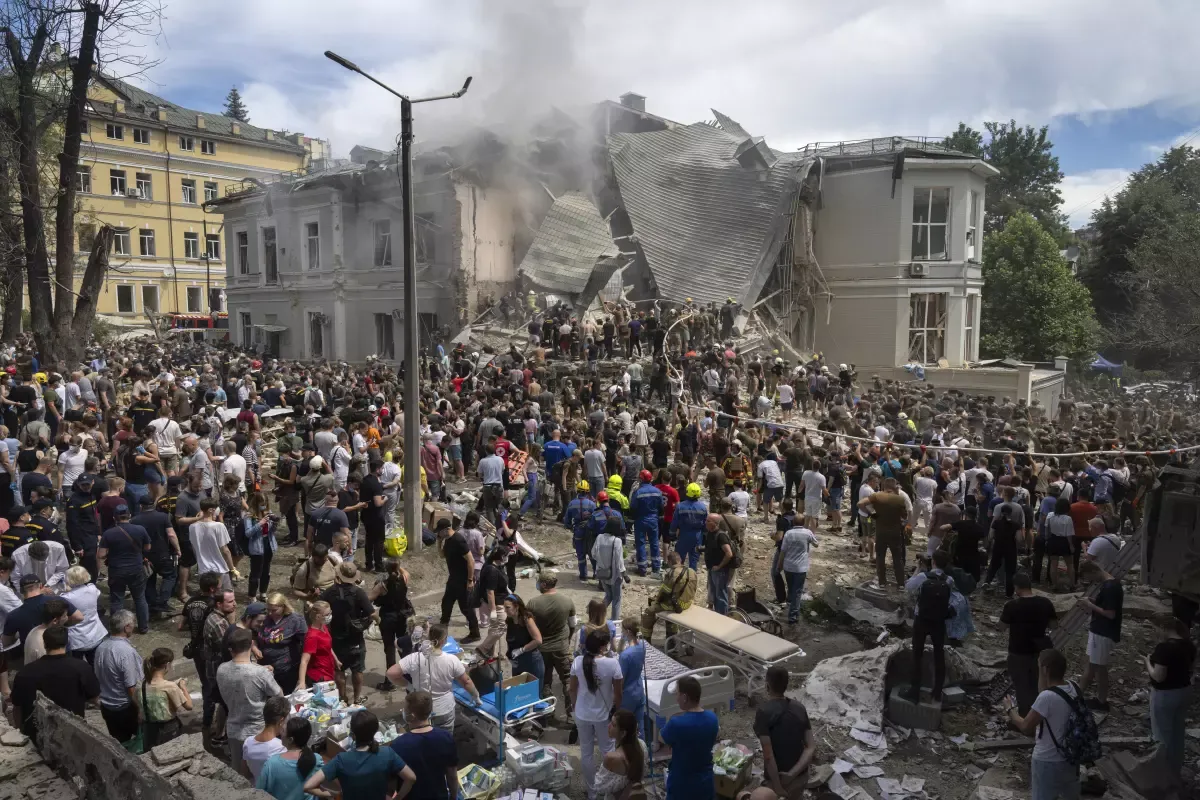
The capital city of Ukraine used to be a busy hub for architecture, but now it is becoming a city on the defensive with new shelters. Missile attacks have affected how people move and live. The main concern of the architects now involves the protection of people against attacks.
Designers convert bases into classrooms and shelters, and regularly design or overlap glass buildings. Builders in Kyiv now design homes with escape paths and strong rooms as war forces rapid change. Streets in the neighborhood serve as secure zones for civilians in the ongoing war situation.
Gaza City, Palestine
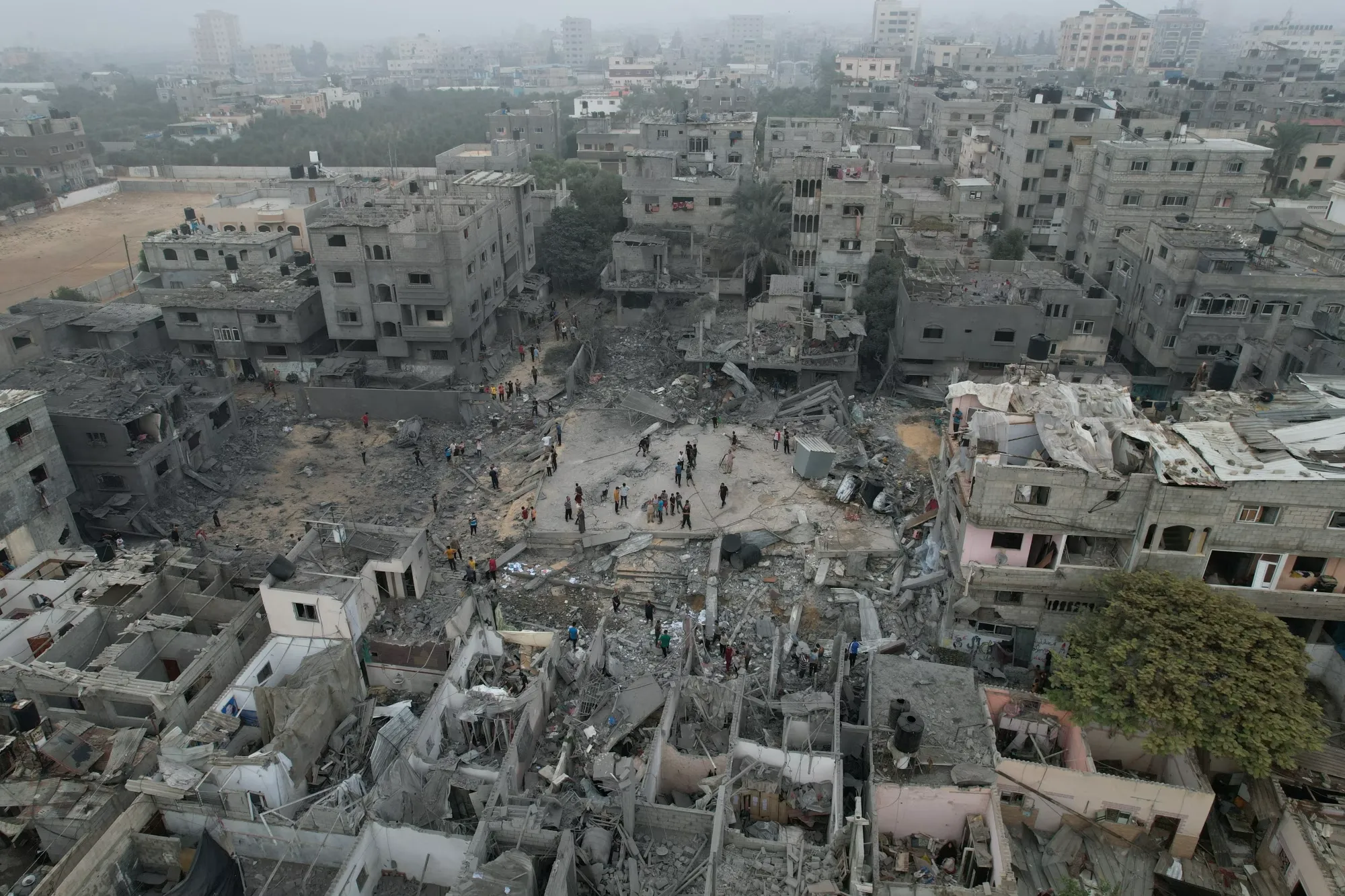
Gaza has existed in a state of siege for a long time now, causing people to go underground due to bombings and airstrikes. People have made homes where they can, and water pipes now run alongside escape tunnels.
Architects here focus on survival rather than elaborate structures, as the walls are thick and the ceilings are low. Architects build safety into every corner, turning architecture here into a shield against constant danger.
Stepanakert, Nagorno-Karabakh
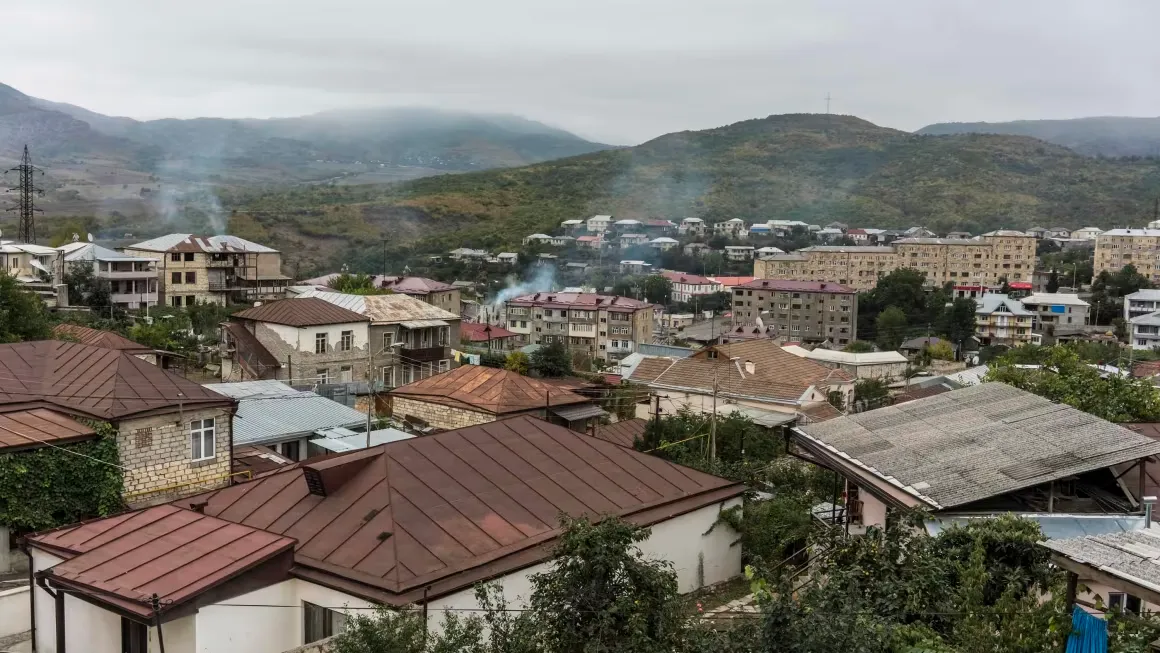
War groups have taken control of Nagorno-Karabakh multiple times in the past, leaving buildings behind after each wave of destruction. Instead of new construction, people reuse what’s there as schools become hospitals and shops turn into homes. Rebuilding is slow, so reuse becomes key as Architects learn to adapt damaged spaces. Design here is not about new ideas; rather, it’s about finding use in broken places.
Srinagar, India
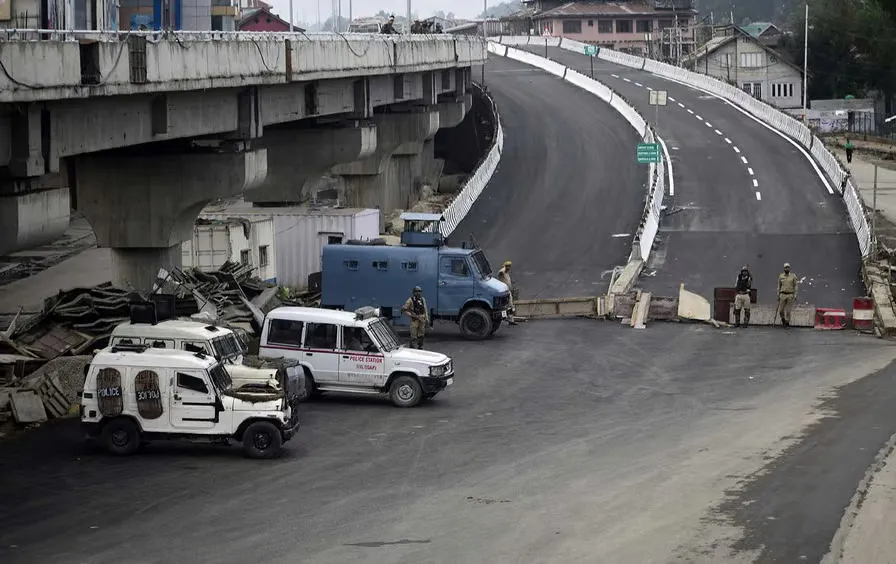
Soldiers stand on Srinagar’s rooftops and block roads without warning, keeping the city under constant watch. In such places, architecture hides more than it shows, as Windows are small and building designs try not to attract attention. Schools and homes sit beside bunkers.
Here, design is about fitting into the landscape, not standing out. Even parks include escape routes and checkpoints. This knowledge grows from places already ravaged by war and leads to a new way of thinking about modern architecture.
Khartoum, Sudan
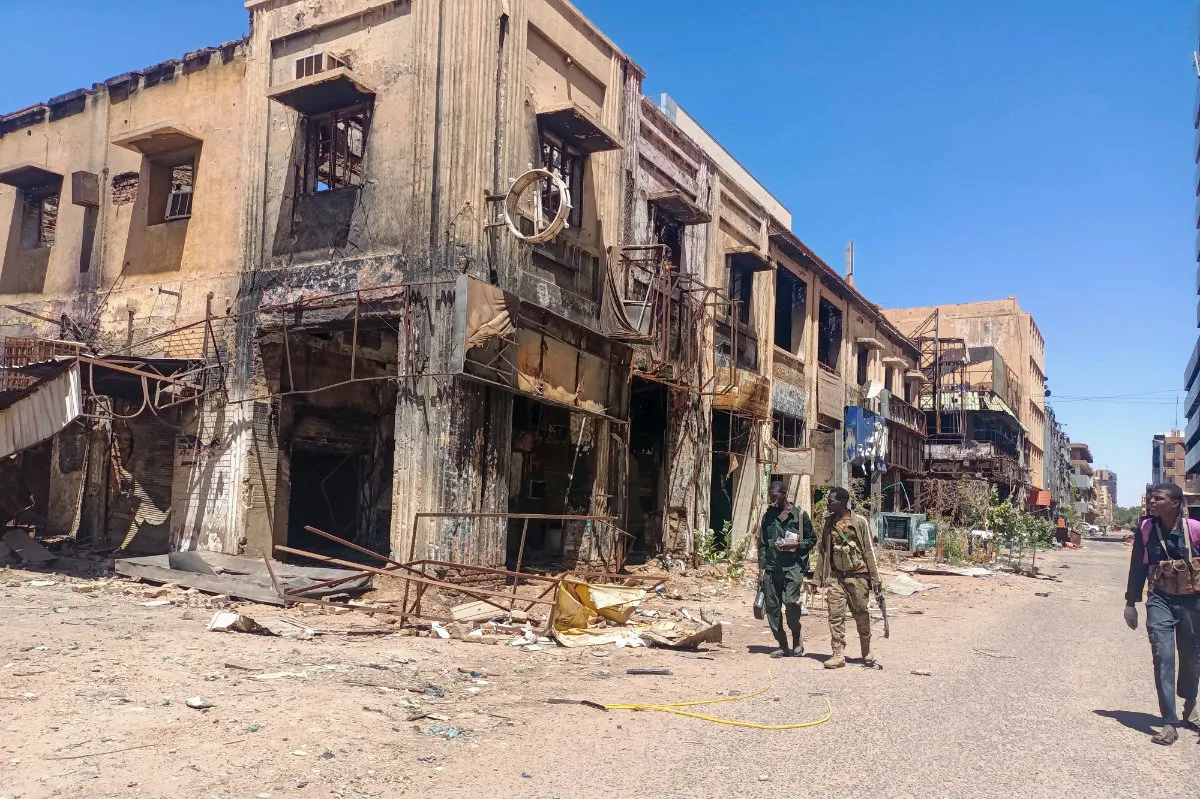
Sudan’s capital faces fighting from many sides as thousands flee daily. Camps rise overnight, and war forces architects here to work with speed. They use wood, scrap metal, or old doors, and tie tents to electric poles.
Schools pop up under tarps in an unplanned manner, and people need shelter fast. In Khartoum, architecture means solving the problem of now rather than elaborate plans.
Zaatari Camp, Jordan
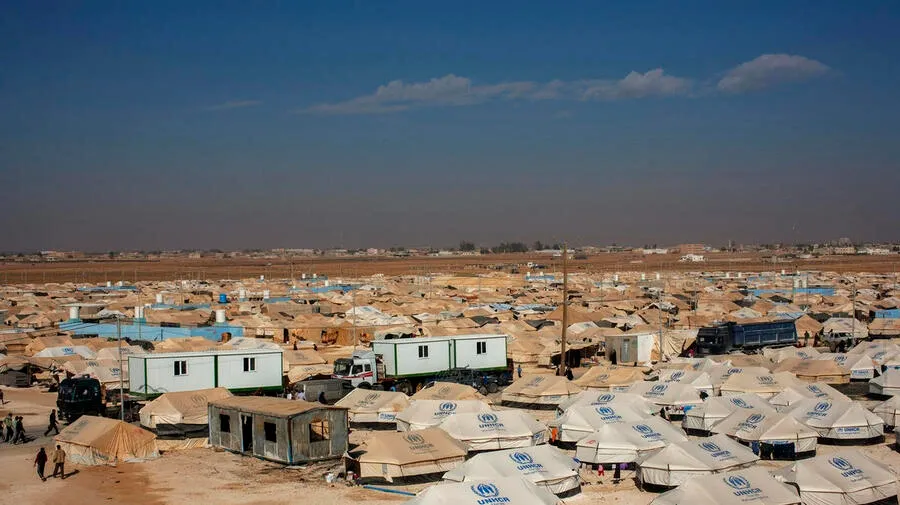
Zaatari started as a camp but has now become a city due to its improved architecture. People have lived here for years, and homes now have doors with solar panels and fences. Architects examine this camp in order to learn how temporary areas become permanent. Shelters have turned into permanent homes, where plumbing systems now run alongside built-in escape tunnels.
Grozny, Chechnya
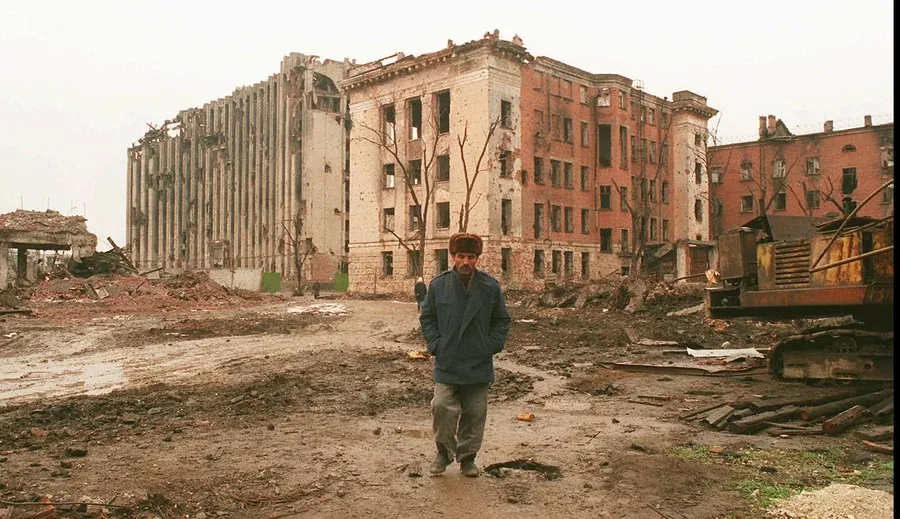
Following the war, Grozny underwent rapid reconstruction, leading to a design rooted in control and minimalism. Tall towers replaced old homes, and Mosques grew larger with streets widened to pave for an entirely new-looking city. Architects here were not free to choose projects and worked under state rules. Grozny shows how power can shape design, as every wall and road sets the standard for a state-led plan.
Taipei, Taiwan
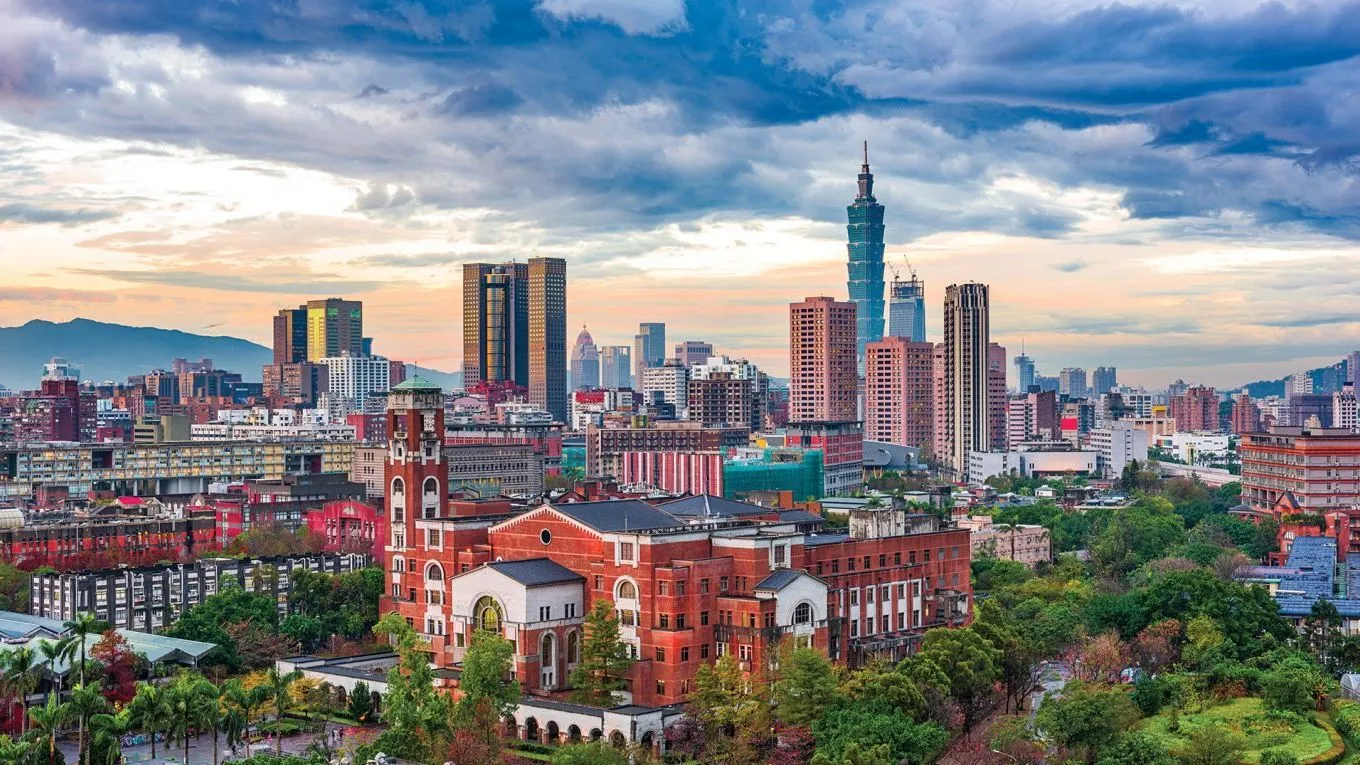
Taiwan prepares without panic, and Architects here study old bunkers and tunnels. They do not rebuild them, rather, they preserve them as signs of readiness. New buildings include warning systems, while some double as shelters. In schools, design lessons include emergency use, and Taipei’s architecture teaches people to remember past threats while preparing for new ones.
Yerevan, Armenia
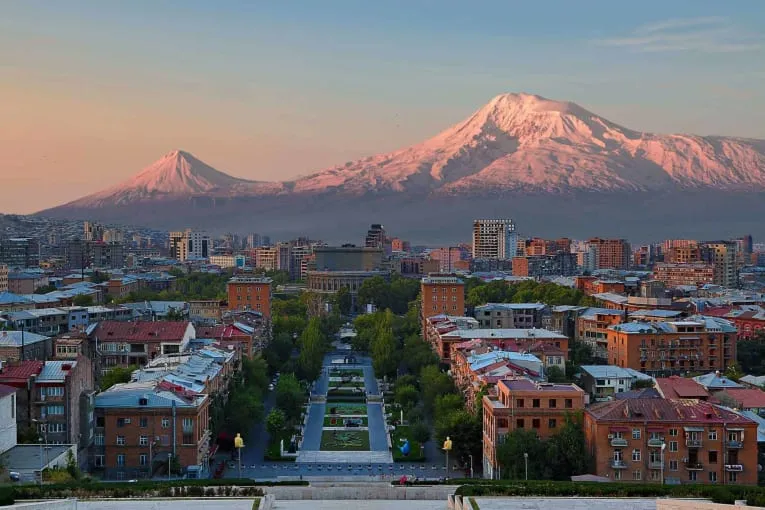
War can destroy physical structures and cultural identity, but architects in Yerevan design to preserve both. Builders repair churches with care and copy stone carvings by hand into the building structures. Monuments tell stories of lost villages. Architects here balance repair with contemporary design in the region. Each stone, dome, or square reminds people who they are and what they survived in the wars of the past.
Jerusalem, Israel
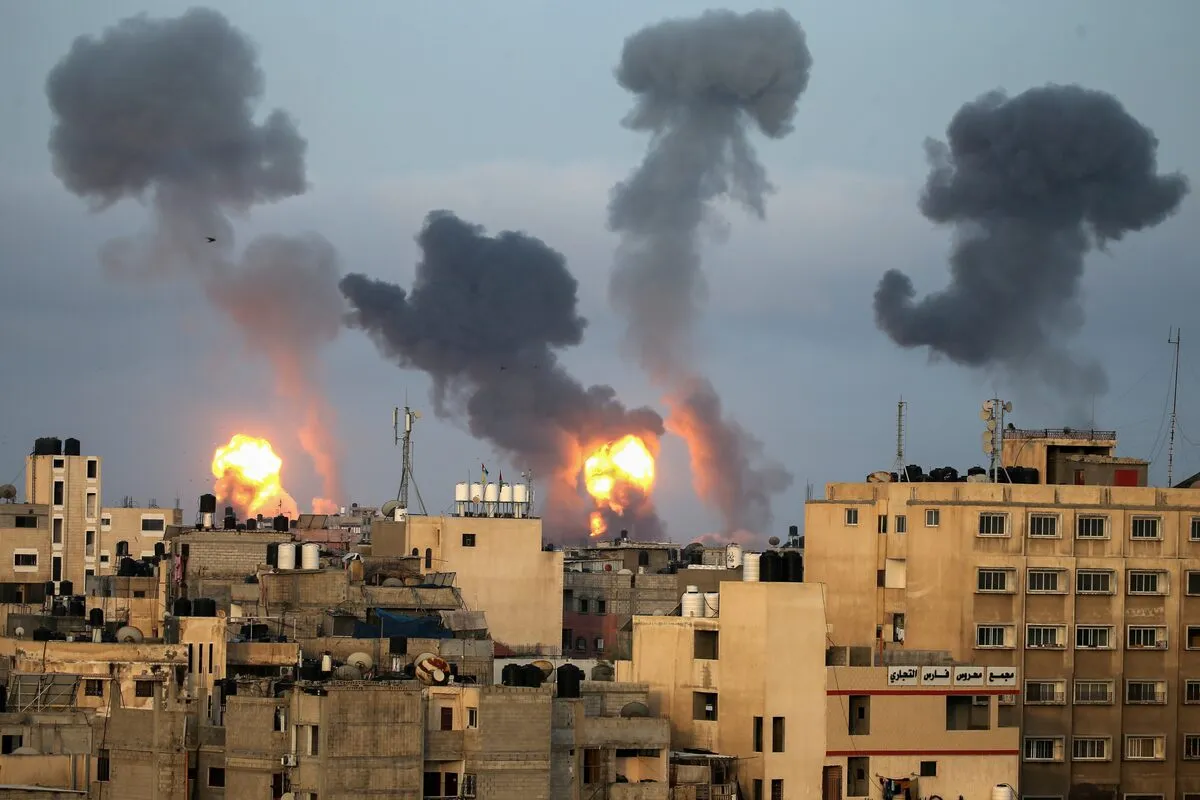
In Jerusalem, architecture carries deep meaning as Sacred buildings sit close to each other. Tensions make even repairs political, and a crack in a wall becomes a national concern. Architects must act like diplomats here, weighing every change carefully. In Jerusalem, architecture is more than shelter, as it is heavily influenced by a tightrope between faith and politics.
Berlin, Germany
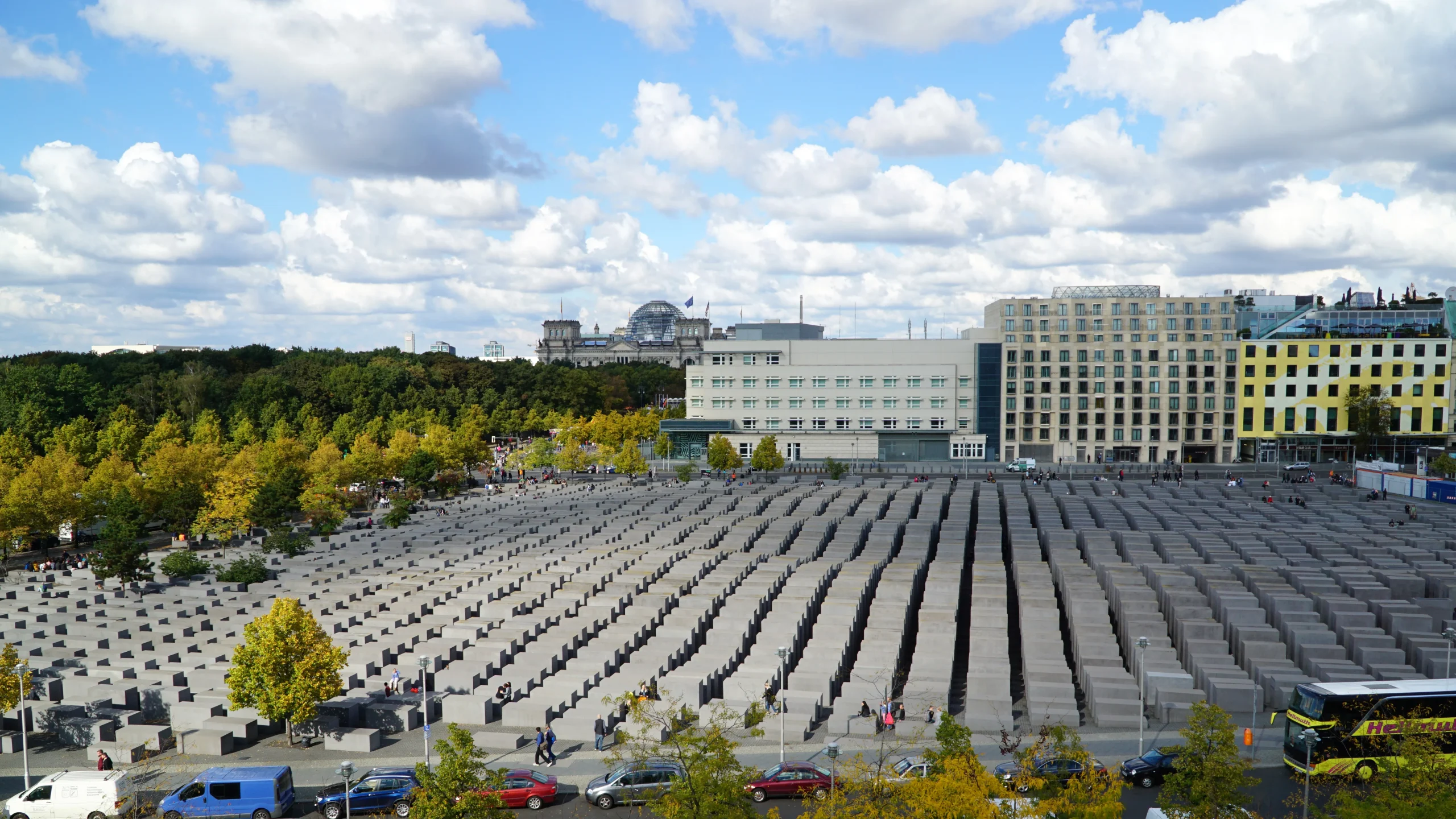
Berlin preserves its scars by refusing to erase bombed buildings. Some stand empty while others house museums in present-day Berlin. Even new projects must fit with the city’s memory, as architects here use bricks, glass, and metal to blend past and present into buildings. In Berlin, war shapes not just design but also the way people talk about space and time.
Karachi, Pakistan
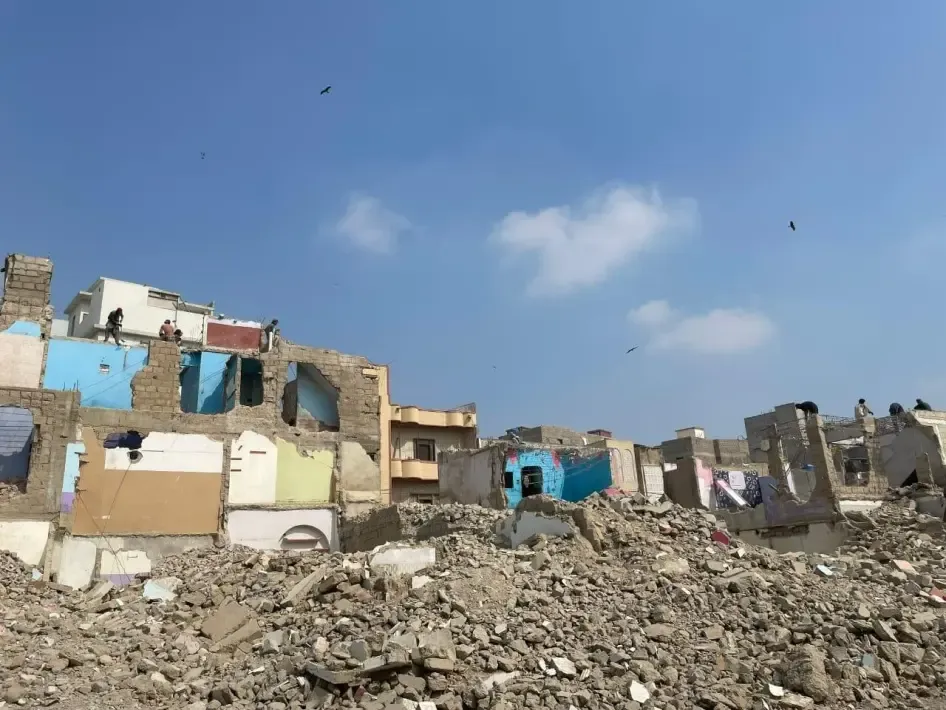
Karachi deals with the foregone war conflict through reconstructed walls, and schools are behind fences. Homes have barbed wire, and Markets have cameras and armed guards. Architects now draw checkpoints into plans and design entry points to protect civilians. Rooftops are not for sitting but for security, as in Karachi, design starts with fear and ends with managing safety concerns.
Kharkiv, Ukraine
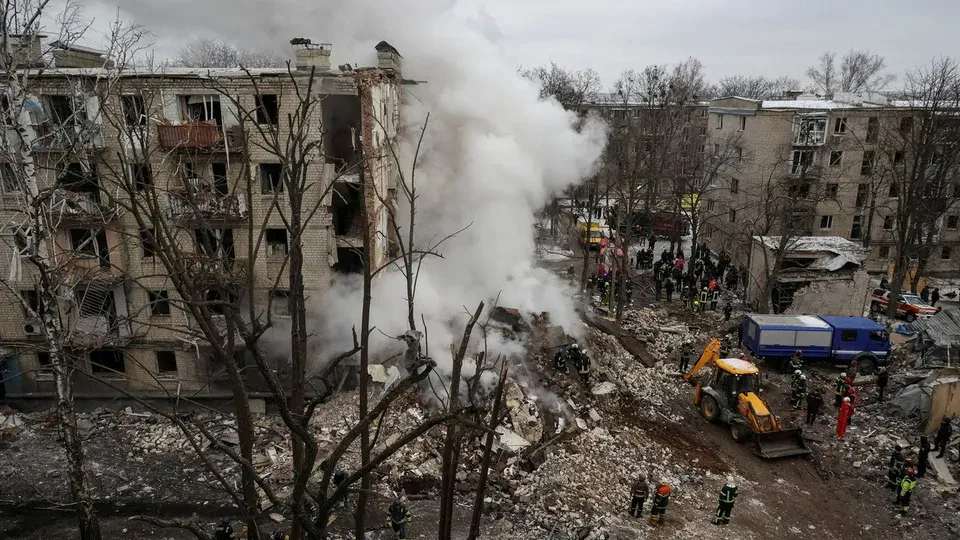
After the bombings, Kharkiv began rebuilding immediately. Residents cleared rubble by hand, while architects worked closely with carpenters and plumbers. People sketched plans on phones and set up classrooms in basements. Designers relied on local materials and practical knowledge, working with what little remained. In Kharkiv, architecture became an act of community, driven by urgency and shared purpose even before the end of the war.
A World Learning From Conflict
Conflict teaches architects to think beyond beauty or style. War makes design about survival, speed, and meaning. In each city above, architecture shifted to meet urgent needs. It became a way to help, protect, and remember.
When peace returns, architects face another task. They must rebuild without erasing. They must create new space while respecting old pain. Some cities, like Berlin, do this by keeping ruins. Others, like Grozny, wipe them out. The best designs find a middle path as they build for the future but keep a door open to the past.
The New Role of the Architect
Today, architects are not just builders as they help in resettling the uninhabited civilians and give a new identity to these war-ravaged cities. They are planners of a new design, one that serves as part of the rescue teams. They listen to survivors to get a better idea of what’s needed and prepare designs for appropriate buildings. Architects now lead reconstruction by using new ideas from peacebuilding to help restore structures in divided nations in post-crisis territories.
Nations can use war to destroy architecture in a ruthless manner. However, it can help cities discover how to construct not only to live, but also to survive. Design turns into silent courage as every wall and every street may be a bearer of fear or hope. It is the decision of the constructors. People may find a chance to begin life again in any ruined city. After all, architecture does not only involve buildings, as it is about human beings and the way they survive even during the most difficult periods.
