

In the remote expanse of Nevada’s high desert, artist and sculptor Michael Heizer has completed one of the most ambitious and enduring art installations of the modern era, “City.” Spanning over a mile and a half in length and half a mile in width, this colossal work has taken more than five decades to complete. Heizer began working on the idea in 1970, and in 2022, the piece was finally opened to the public, marking a landmark moment in the world of land art, architecture, and sculpture.
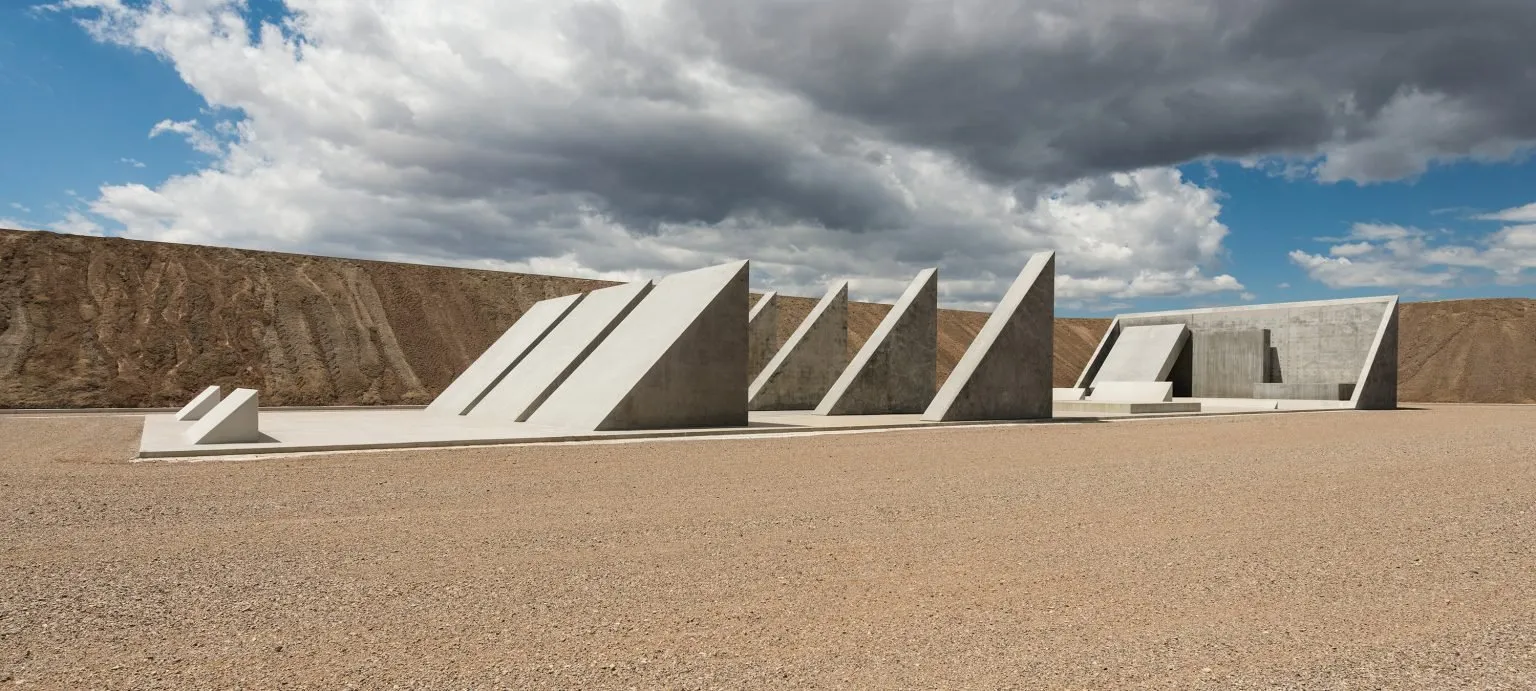
“City” is an artwork and a place, carefully shaped, constructed, and embedded within the landscape of the Nevada desert. It’s made of concrete, compacted dirt, and native rock, blending into the arid surroundings while asserting a human-made presence. Heizer’s vision was both monumental and minimal, reflecting themes of ancient architecture, modernist principles, and the timeless presence of the natural world.
The Birth of a Vision: Heizer and Land Art
Michael Heizer is one of the leading figures in the Land Art Movement, which emerged in the late 1960s and 70s in the American West. This movement challenged the traditional boundaries of art by moving it out of galleries and into the vast, unspoiled landscapes of the United States.
Instead of painting or sculpting within confined spaces, land artists worked with earth, rock, and space. Heizer’s early works, like “Double Negative” (1969), a massive trench cut into the edge of a Nevada mesa, set the tone for his later ambitions. These projects emphasized scale, permanence, and the deep relationship between human activity and the land.
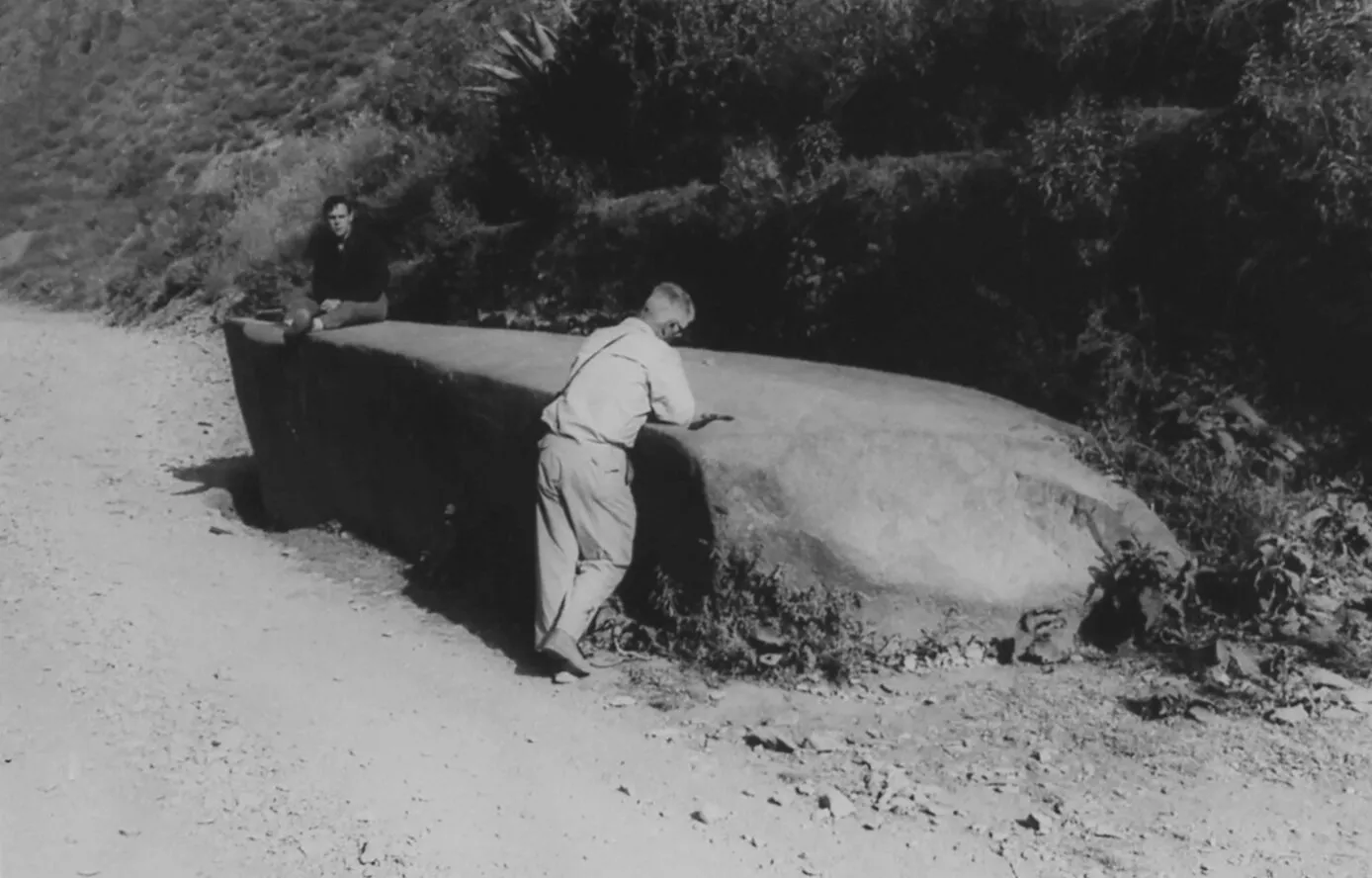
“City” is the culmination of this artistic philosophy. Heizer envisioned a space that would rival ancient structures like the Great Pyramids of Egypt or pre-Columbian cities of South America, in raw presence and scale. As he once stated, “My work is not a picture of nature, but a thing itself.”
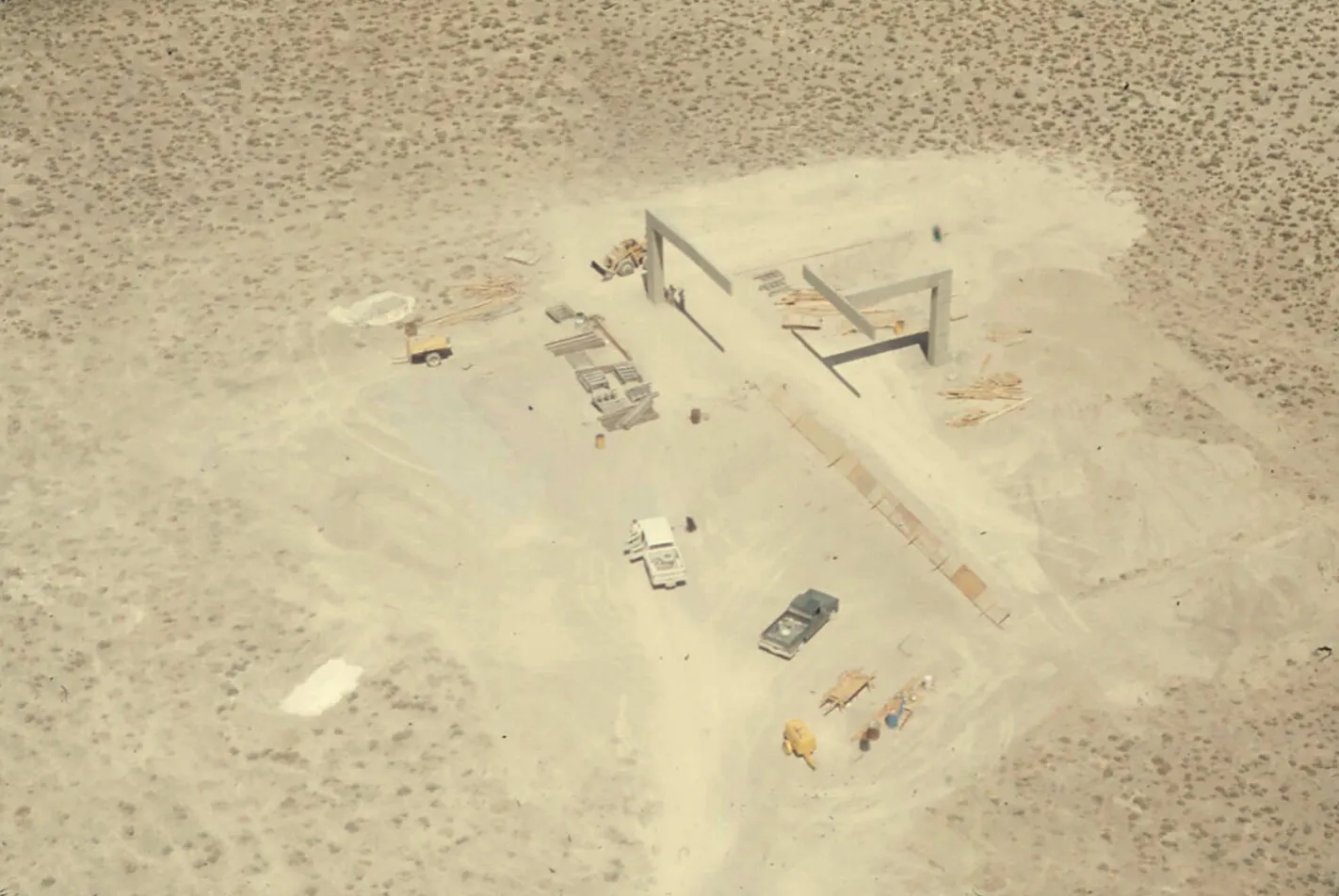
Everything is designed with deliberate proportion: the width of a corridor, the slope of a mound, the height of a platform. These ratios are precisely calculated, with some references to ancient geometry and spatial relationships.
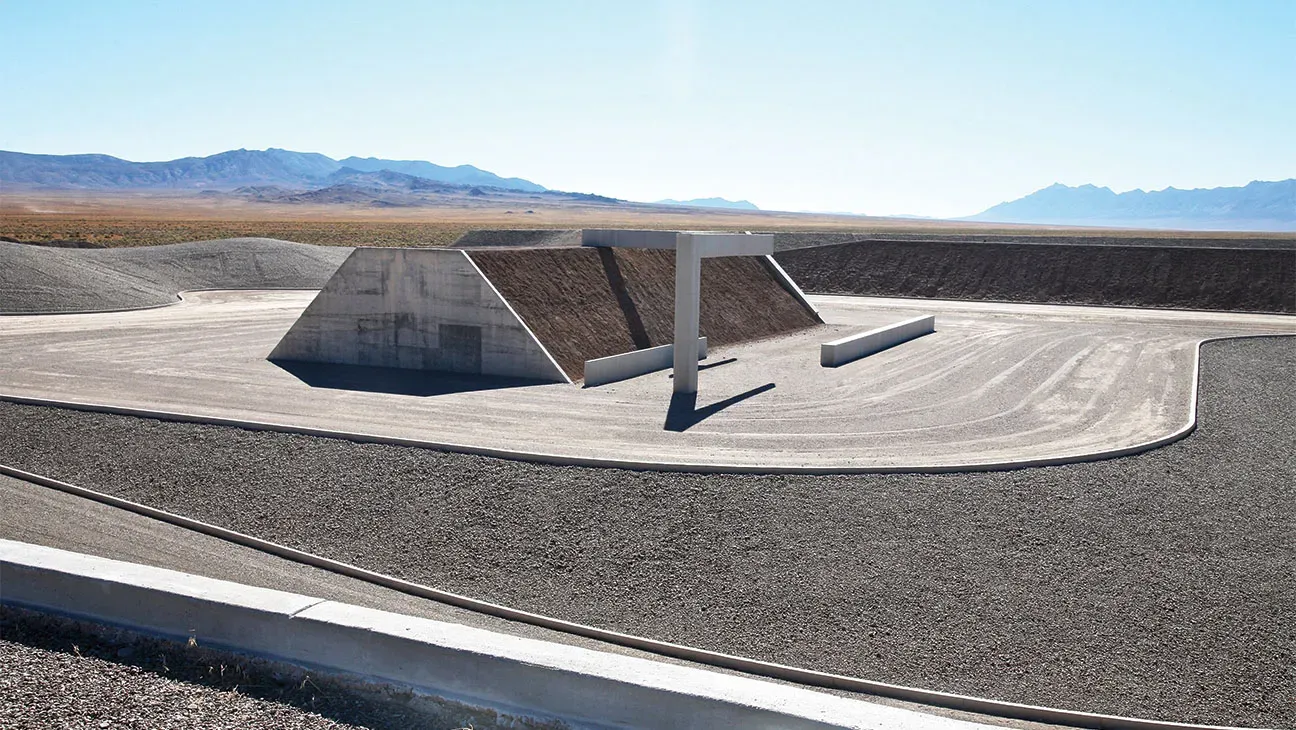
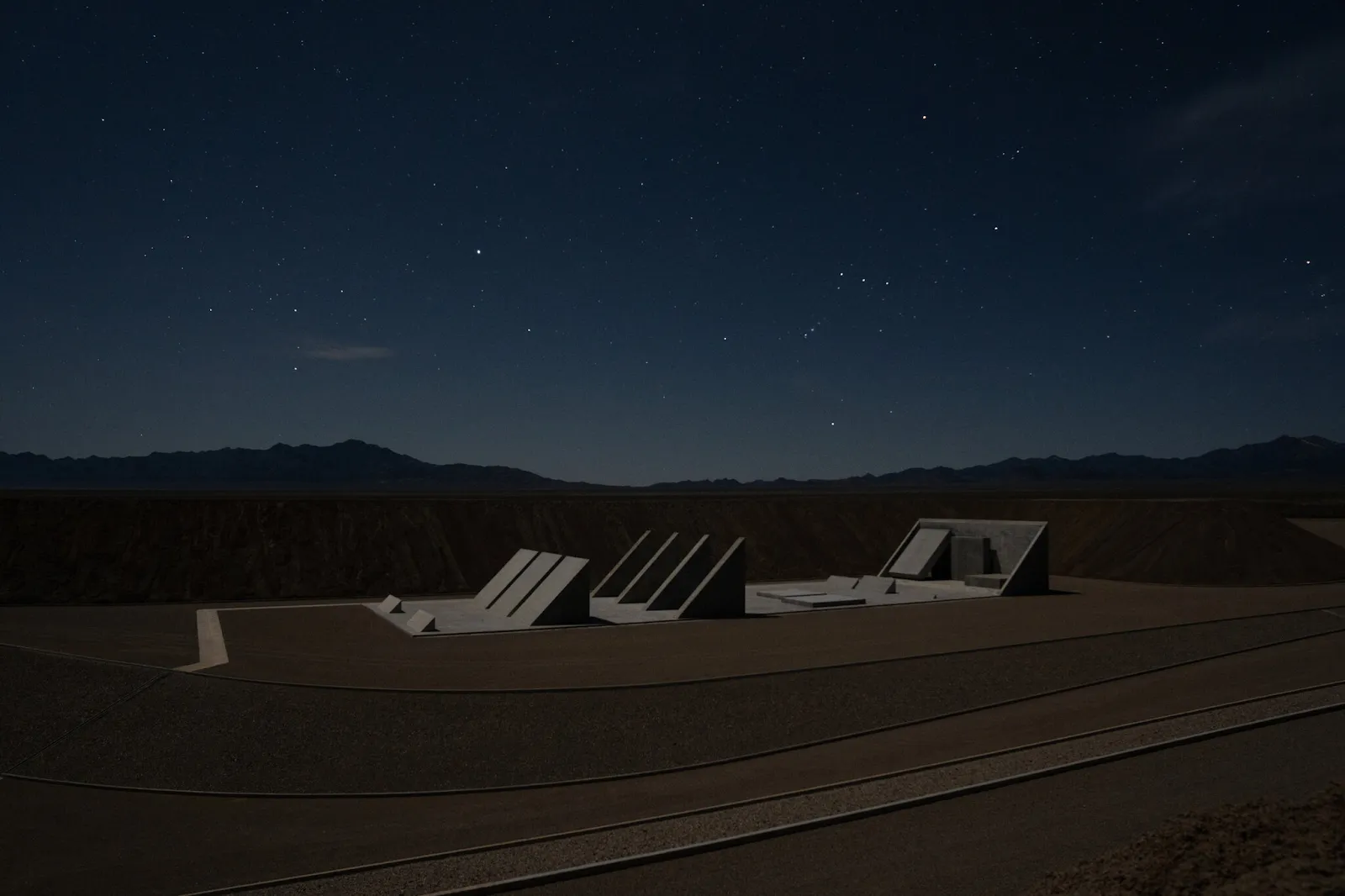
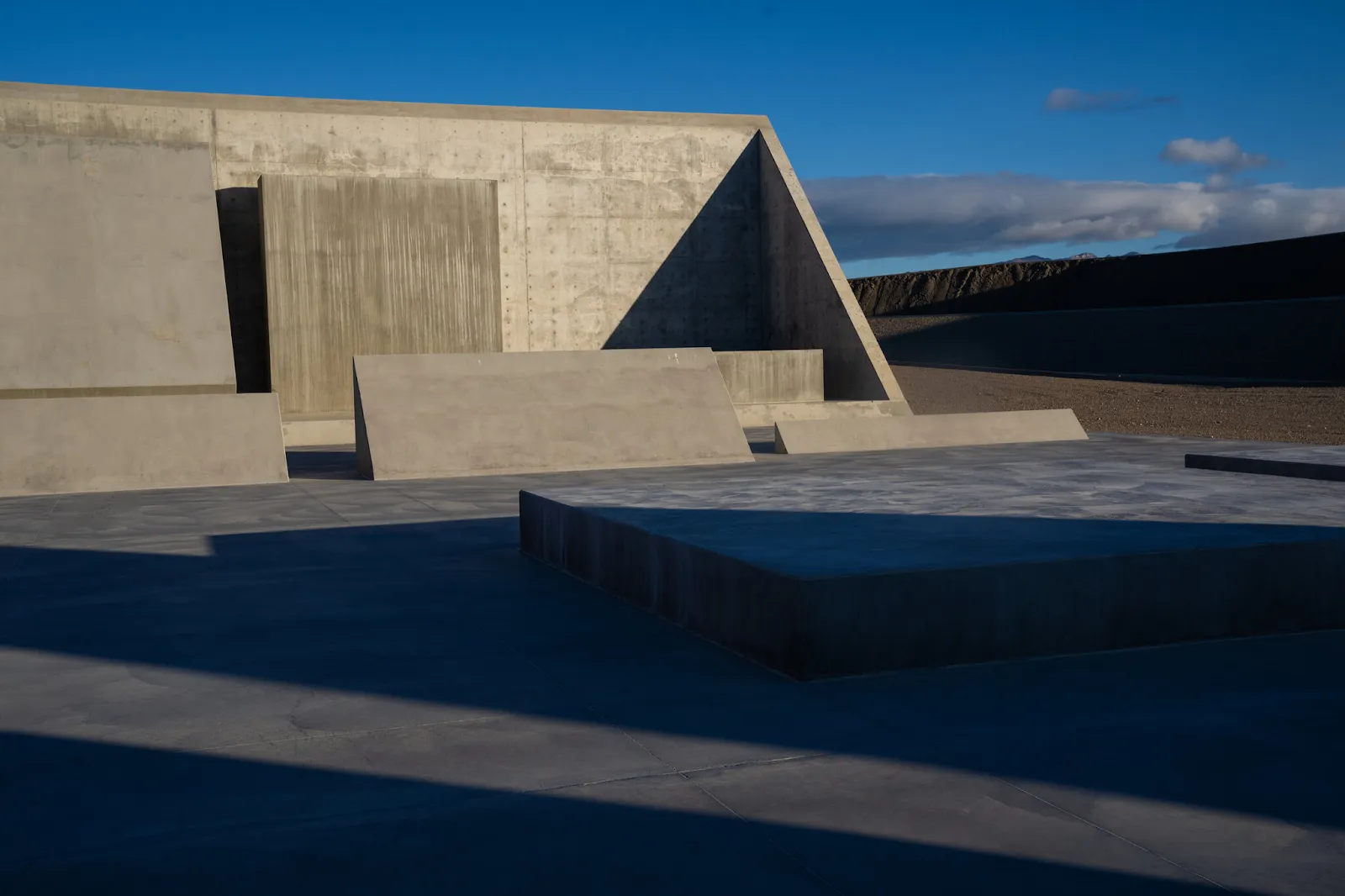
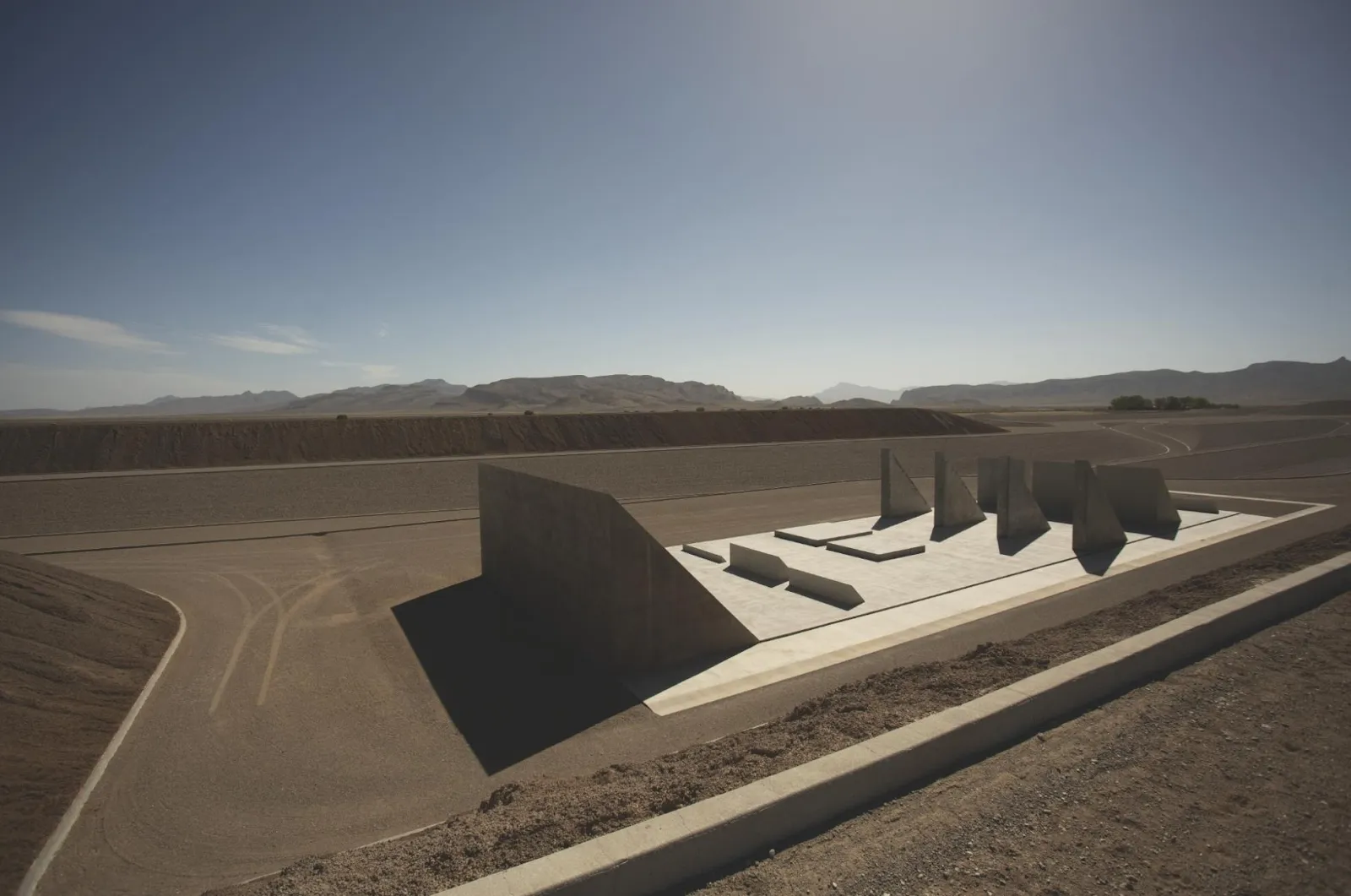
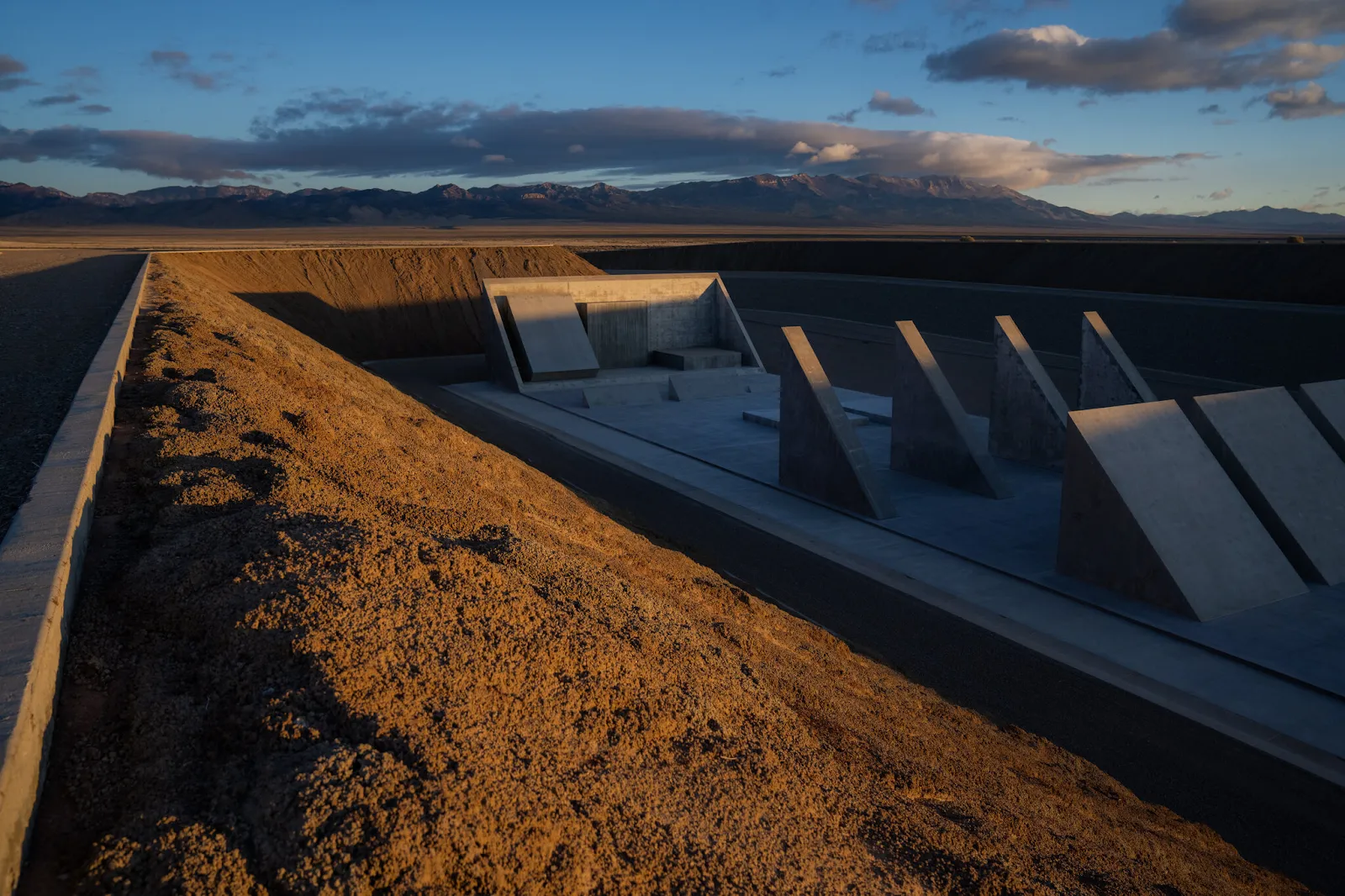
One of the key elements within the installation is the “Complex One”, the central portion of “City.” It is flanked by massive concrete structures arranged symmetrically, with elevated platforms, sunken recesses, and sharp lines that draw the eye across vast distances. Each component was measured and placed by hand or using traditional construction equipment, including bulldozers, cranes, and concrete forms, often adjusted with Heizer’s direct supervision.
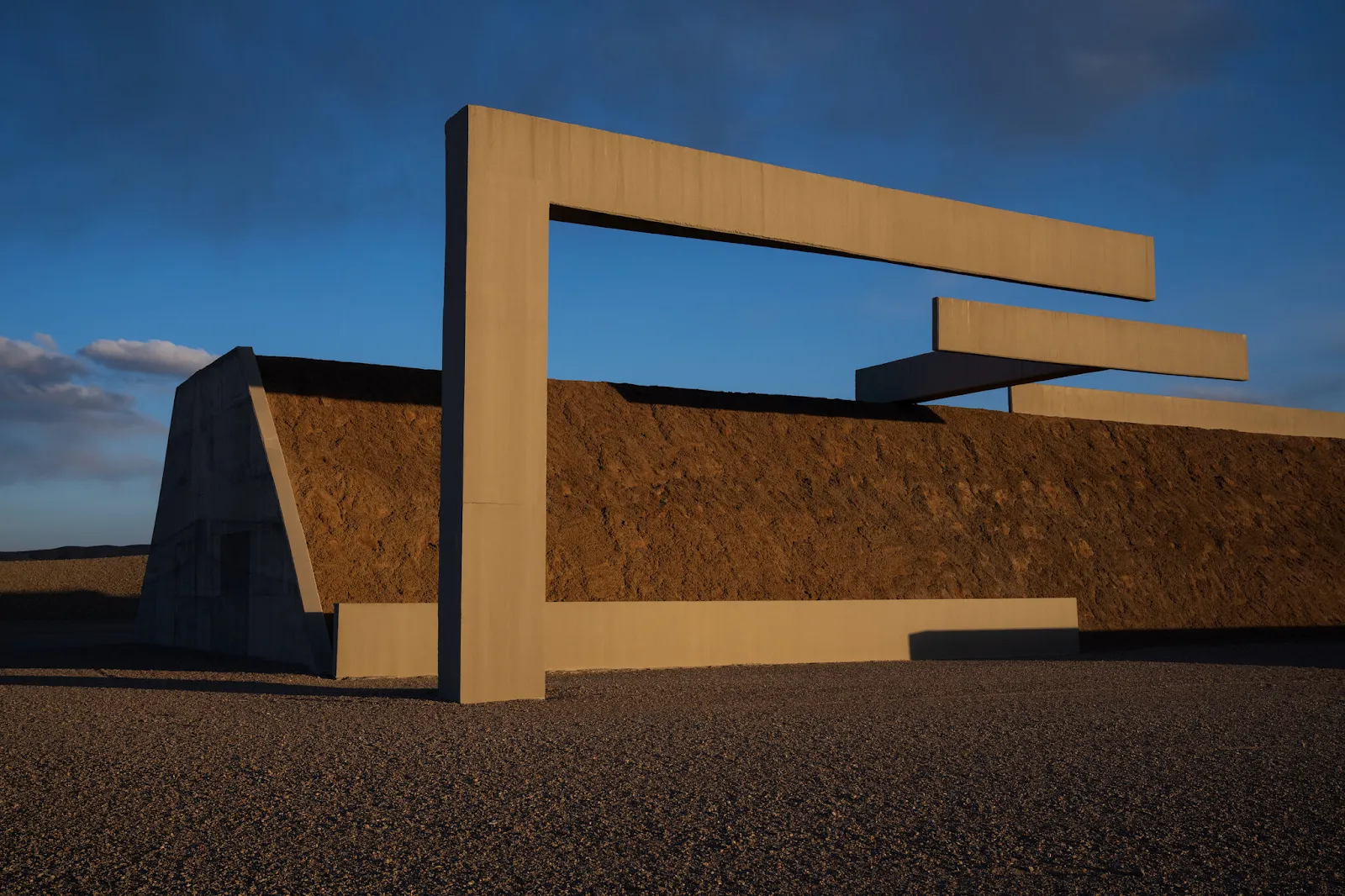
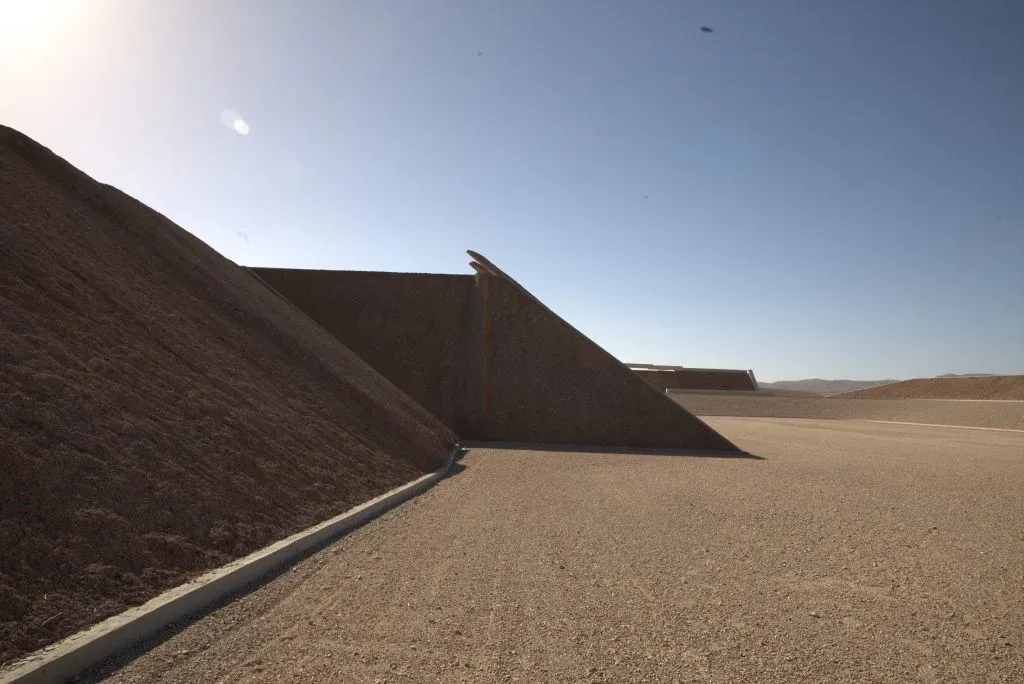
From a distance, the shapes blend with the desert floor, colored in hues of dust, sandstone, and cement, barely distinguishable from the surrounding terrain. But up close, their detail becomes clear, clean edges, sharply cast concrete angles, and gravel-lined walkways meticulously shaped over the years. There is no decoration, no signage, no distraction, only form and space.
What Is “City”?
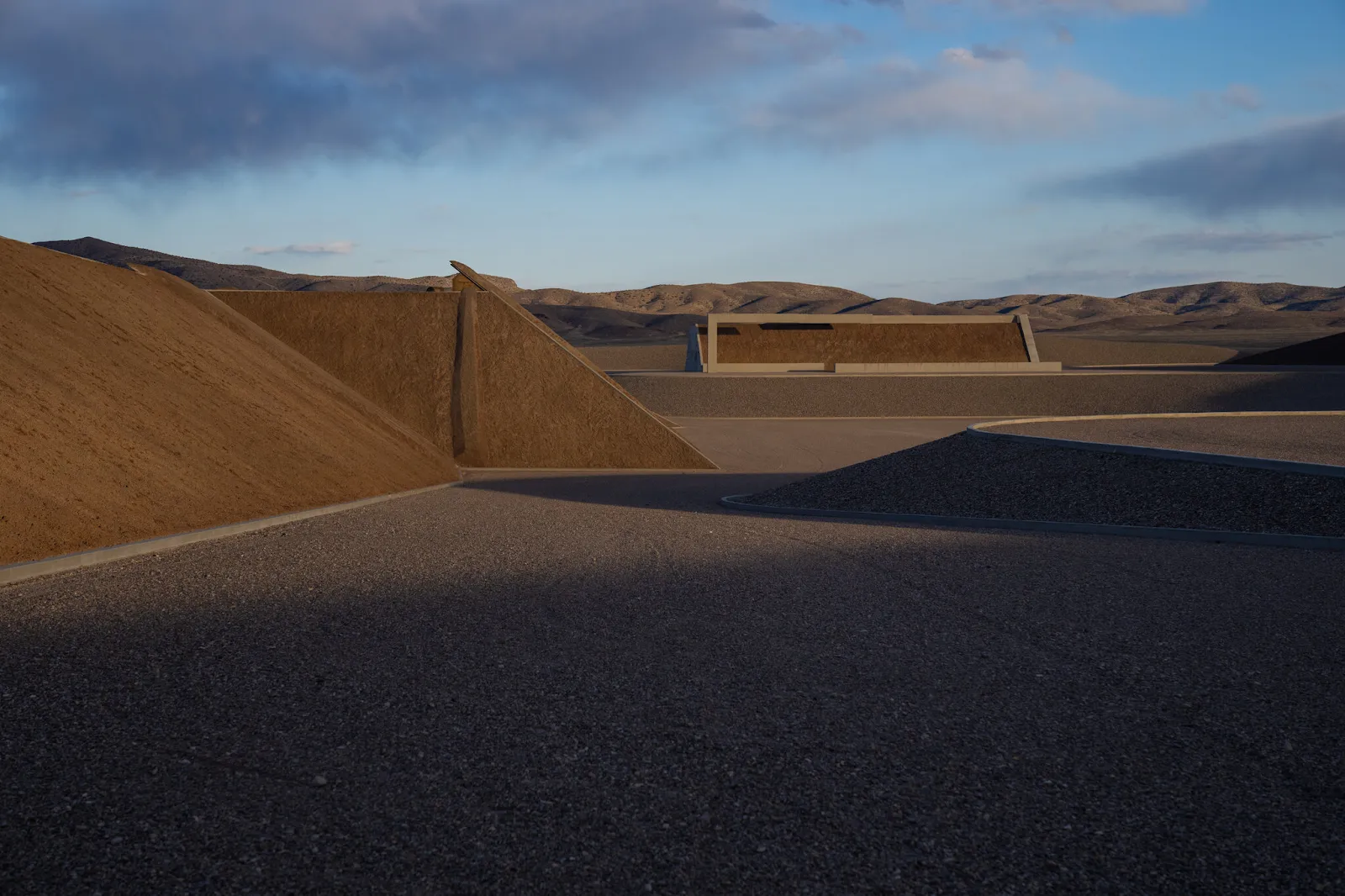
It is a collection of geometric complexes, corridors, platforms, mounds, and monoliths, all arranged with strict attention to symmetry, alignment, and proportion. Walking through the installation feels more like exploring an ancient ceremonial site or a lost urban plan than viewing a piece of art.
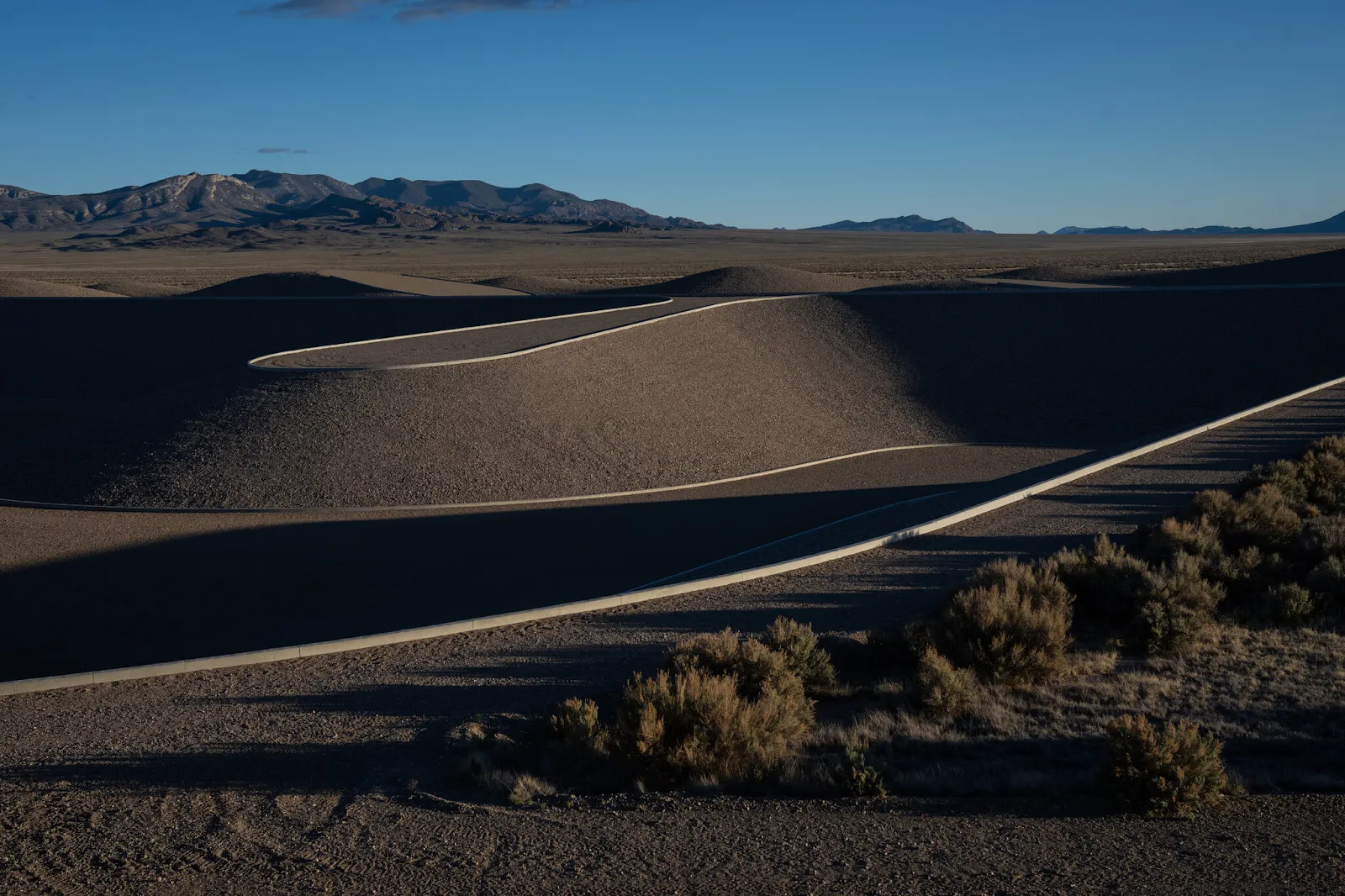
Made of local materials including earth, gravel, and concrete, the structures rise and fall subtly, some towering over visitors while others seem to merge with the ground. Their shapes draw from modernist minimalism, Native American mounds, Mayan temples, and military architecture. Despite being massive, the forms are restrained, never flashy.
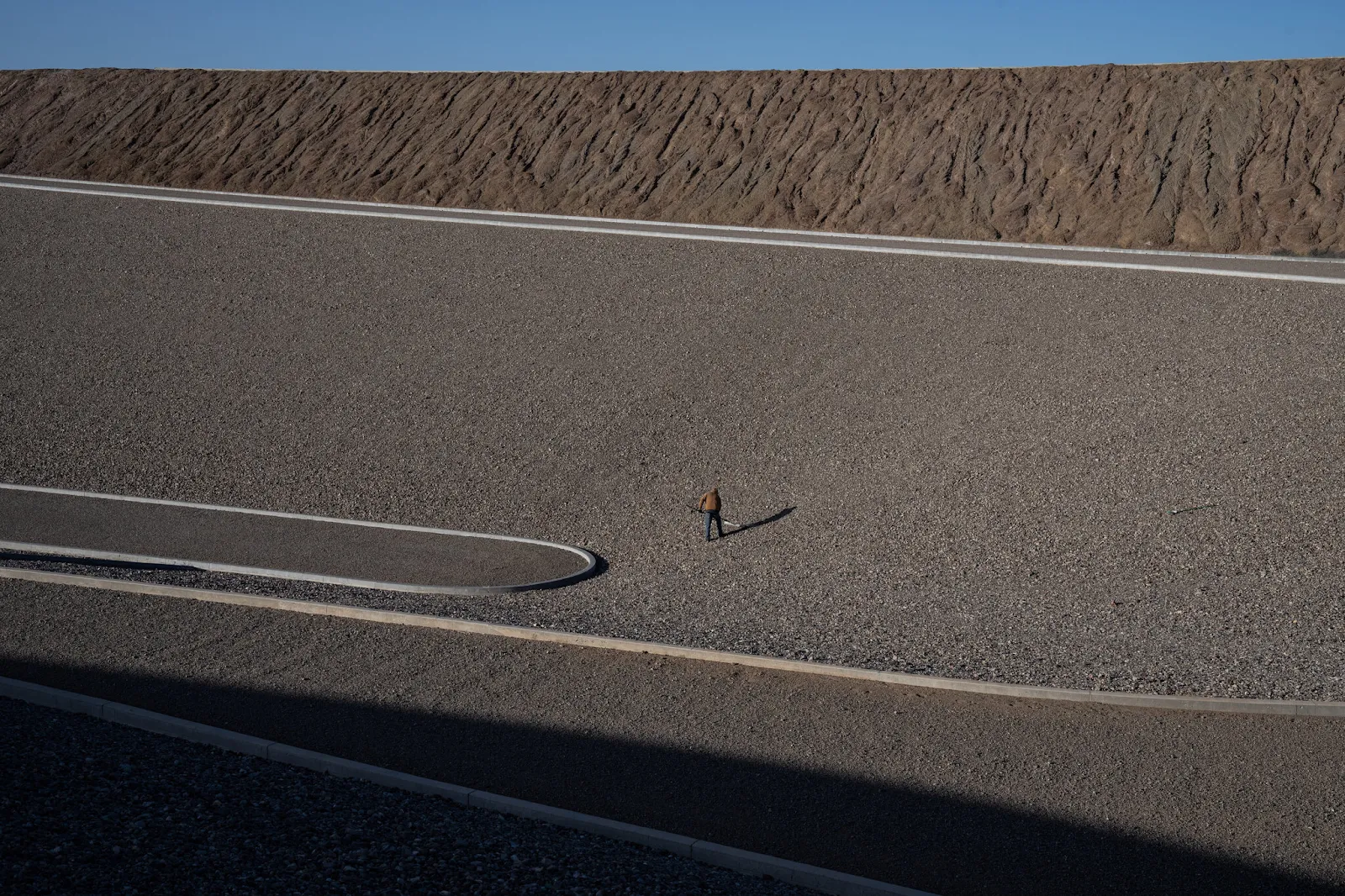
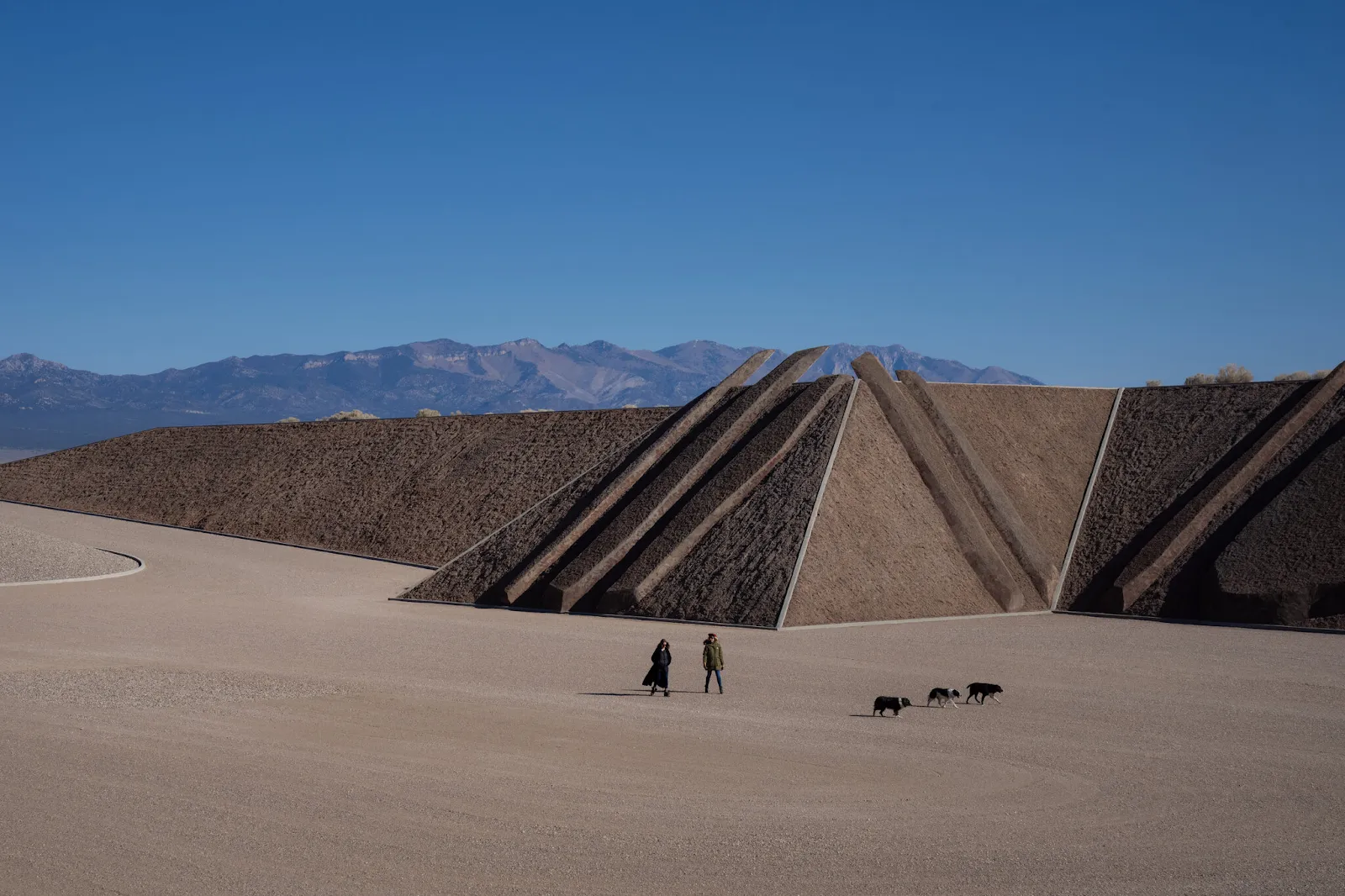
Visitors to “City” won’t find interpretive signs or guided tours. The experience is intended to be pure and personal, allowing each viewer to interact with the space on their terms, absorbing its scale, silence, and solitude.
Building “City”: A 50-Year Endeavor
Construction began in 1972, and over the decades, Heizer and his team labored in relative isolation, without rushing the process. The project has been largely self-funded, though it eventually gained support from institutions like the Triple Aught Foundation (a nonprofit created to preserve Heizer’s work), as well as benefactors such as the Los Angeles County Museum of Art (LACMA), the Museum of Modern Art, and the Crystal Bridges Museum of American Art.
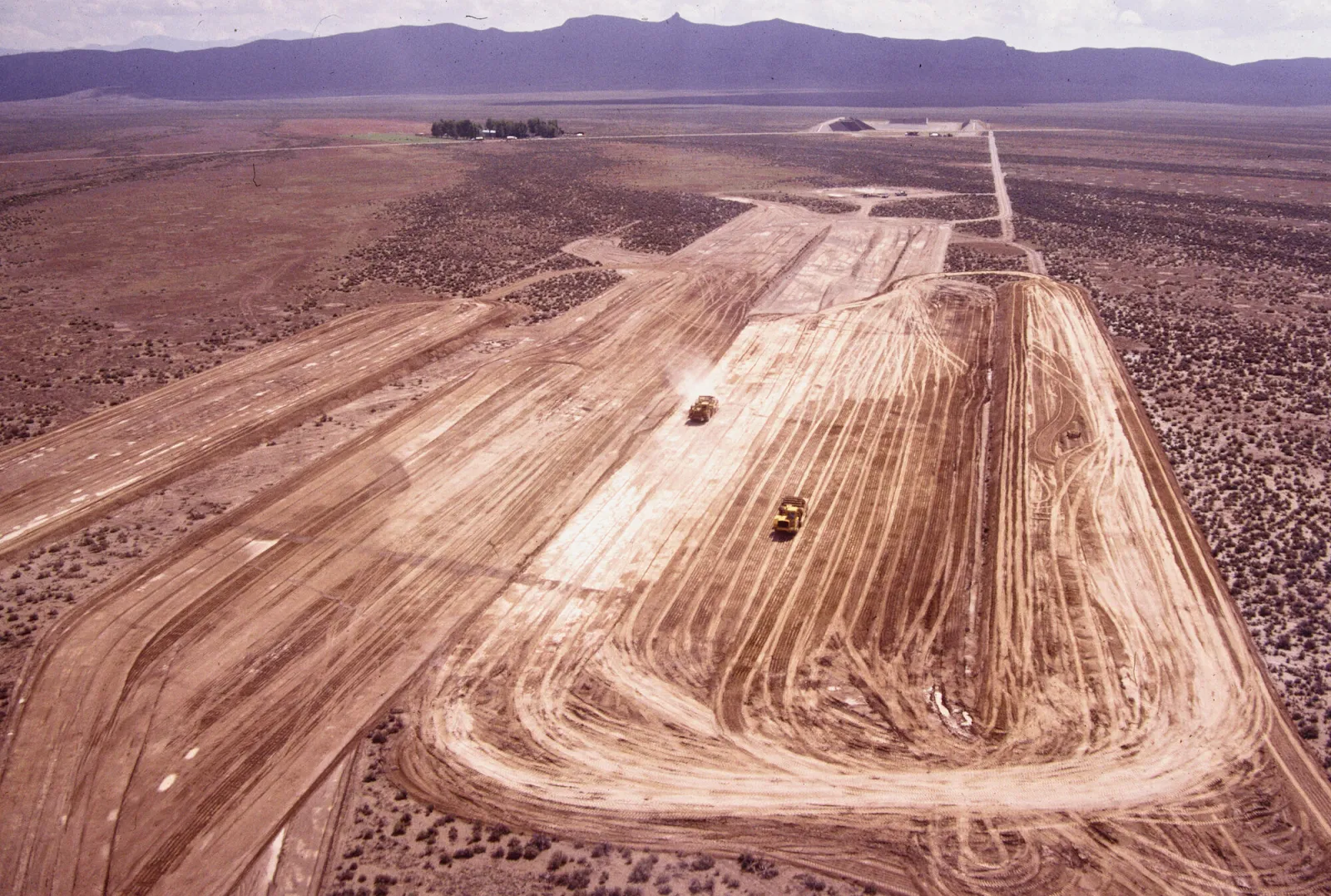
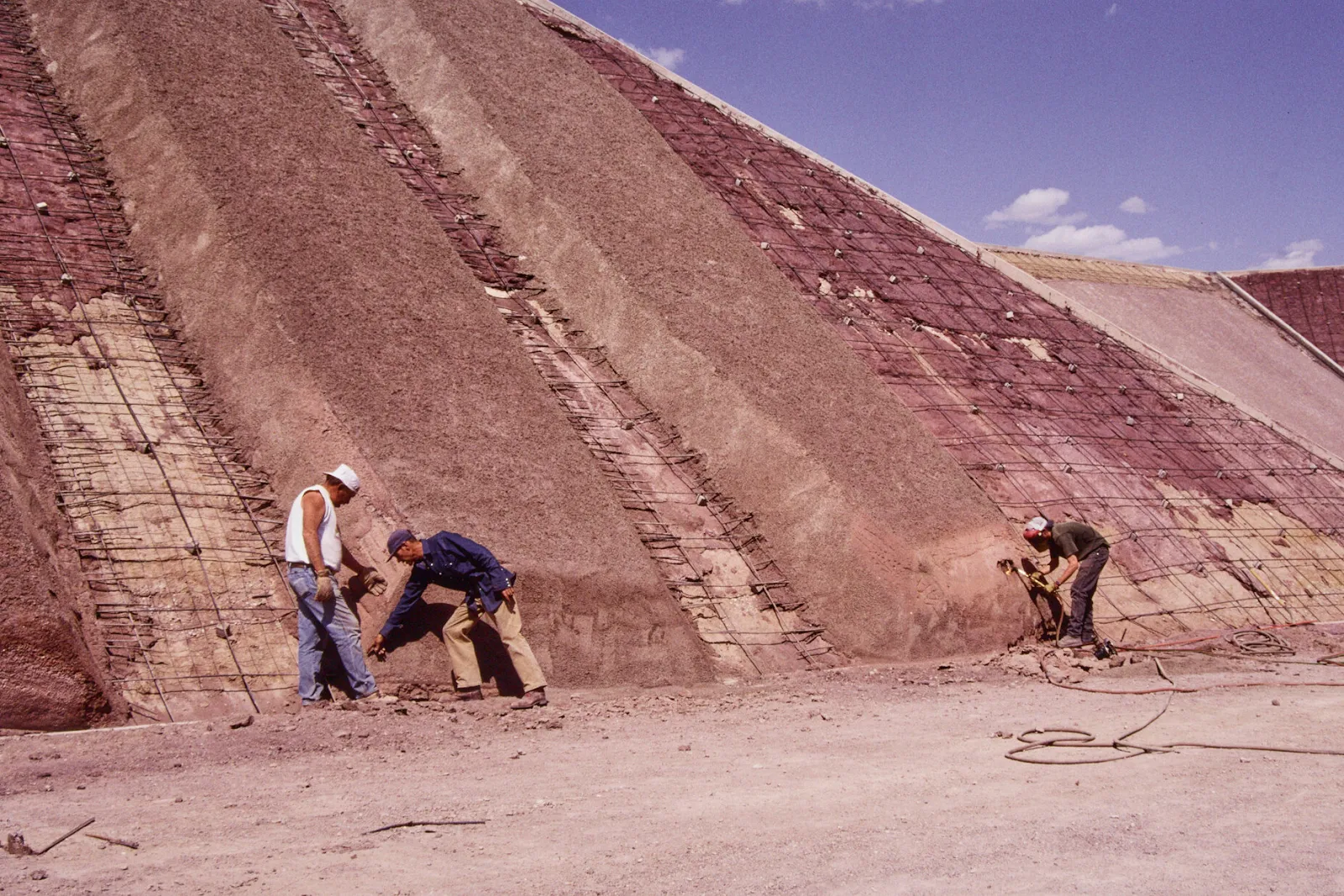
Building in the desert posed many challenges, logistical, environmental, and financial. Heizer often chose to use manual techniques and traditional machinery, working with bulldozers, shovels, and trucks rather than relying on modern construction shortcuts. This hands-on method reflects the scale and dedication seen in ancient construction efforts.
The Location: Nevada’s High Desert
“City” lies in Garden Valley, part of the Great Basin in Nevada. The location is extremely remote, hours from the nearest town, with no cell service and minimal infrastructure. Visitors must plan, and access is limited to protect both the work and the environment. The high desert offers wide skies, dramatic light changes, and a silence that makes every footstep feel monumental. The setting is essential to the work; the City is inseparable from its landscape.
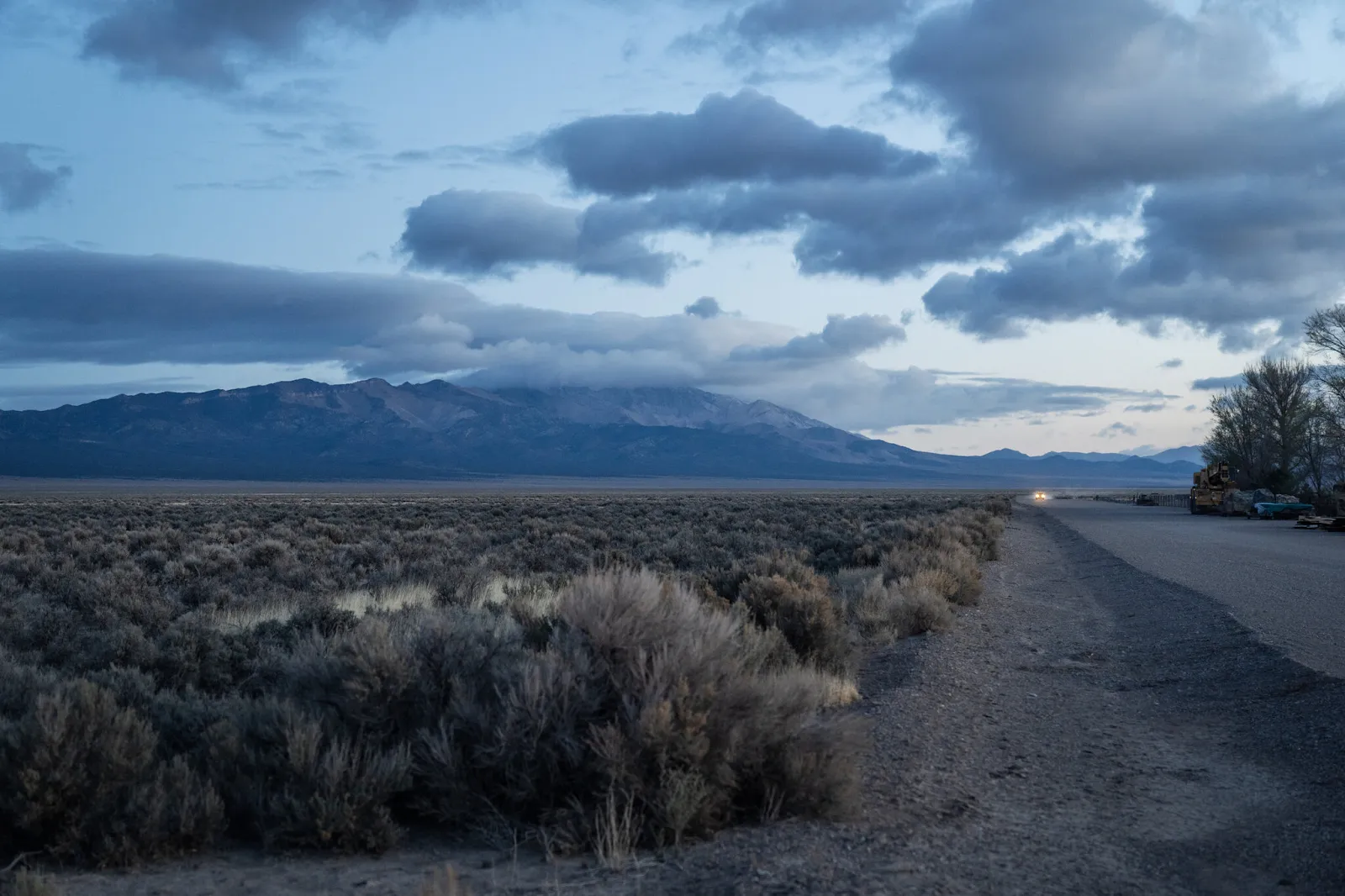
To preserve the surroundings, Heizer and his foundation worked with environmental organizations and federal agencies. The area around “City” was protected in 2015 as part of the Basin and Range National Monument, ensuring that future development will not intrude on the experience.
Experiencing “City”
Because of its remote location and Heizer’s insistence on limited access, visiting “City” is a deliberate journey. Reservations are required, and only a small number of visitors are allowed each day. This controlled access aligns with the artist’s belief in direct, unmediated experiences.
There are no signs, no explanatory panels, and no distractions. The focus is on being present with the work, with the land, and with one’s perceptions. For many, the experience becomes meditative, even spiritual, as the boundaries between art and nature blur.
Why “City” Matters
It’s a reflection of human persistence, ambition, and the desire to leave a mark not through technology, but through form, space, and time. It challenges the speed and ephemerality of modern culture with a project that took more than 50 years to realize.
It also redefines the role of the artist as a maker, as a builder, a planner, a steward of land and legacy. Michael Heizer has created a space that forces us to slow down, to look closely, and to reflect on our relationship with the earth.
Rooted in the ideas of land, permanence, and scale, it is one of the most profound artistic undertakings of our time. In a world that often values speed and impermanence, “City” offers a different message: that art can be enduring, silent, and monumental, etched not on canvas but on the very surface of the earth.
