


The façade, which is the skin of a building, plays a significant role in the building’s sustainability performance. The façade of a building is one of the most important and challenging elements to design as it establishes the benchmark for iconic structures. The current façade design is constantly evolving as technology progresses rapidly.
There are various façade systems available to facilitate sustainable building design. The toughest challenges for façade designers are identifying innovative technology and effective, sustainable systems that allow for ideal structural and long-term performance while maintaining an aesthetic appearance. Moreover, it acts as a filter between indoor and outdoor environments, regulating temperatures, generating breezes, and filtering air and water to contribute to public health and energy conservation.

Future Facades
Adaptation to the pursuit of climate goals is required for the future façade. The climate crisis is indisputable. Society recognizes the hazards that the world is facing, and global governments have gathered to accelerate progress toward the goals defined in the Paris Agreement and the United Nations Framework Convention on Climate Change. Buildings account for a considerable portion of carbon emissions, and they are predicted to rise significantly over the next 40 years.
Greenhouse gas emissions, predominantly carbon dioxide, continue to rise, worsening global warming and wreaking havoc on our environment. In addition to the race to zero carbon emissions, building resilience is another factor that the industry will need to focus on in the near future: buildings must be designed to survive longer, made with safer materials, and responsive to the environment.
Future façades will integrate self-learning and self-controlling ways to optimize user comfort and general wellness. The façade market of the future includes intelligent self-learning buildings or façade control systems. The focus on sustainability includes not only eliminating functioning carbon emissions but also addressing embodied carbon. Carbon-negative facades are one of the existing modern-day façade typologies.

Carbon-Negative Facades
Carbon-negative facades are building envelopes that remove and store carbon dioxide from the atmosphere that radiates throughout their whole lifecycle, including manufacturing and installation during construction, maintenance, repair during use, and demolition at the end-of-life phase. Compared to conventional construction methods that just concentrate on reducing carbon emissions, this net-positive environmental impact of carbon negativity conveys a paradigm shift. Innovative materials and technologies, like carbon-storing concrete and advanced HVAC systems, can help achieve carbon negativity in the building industry.
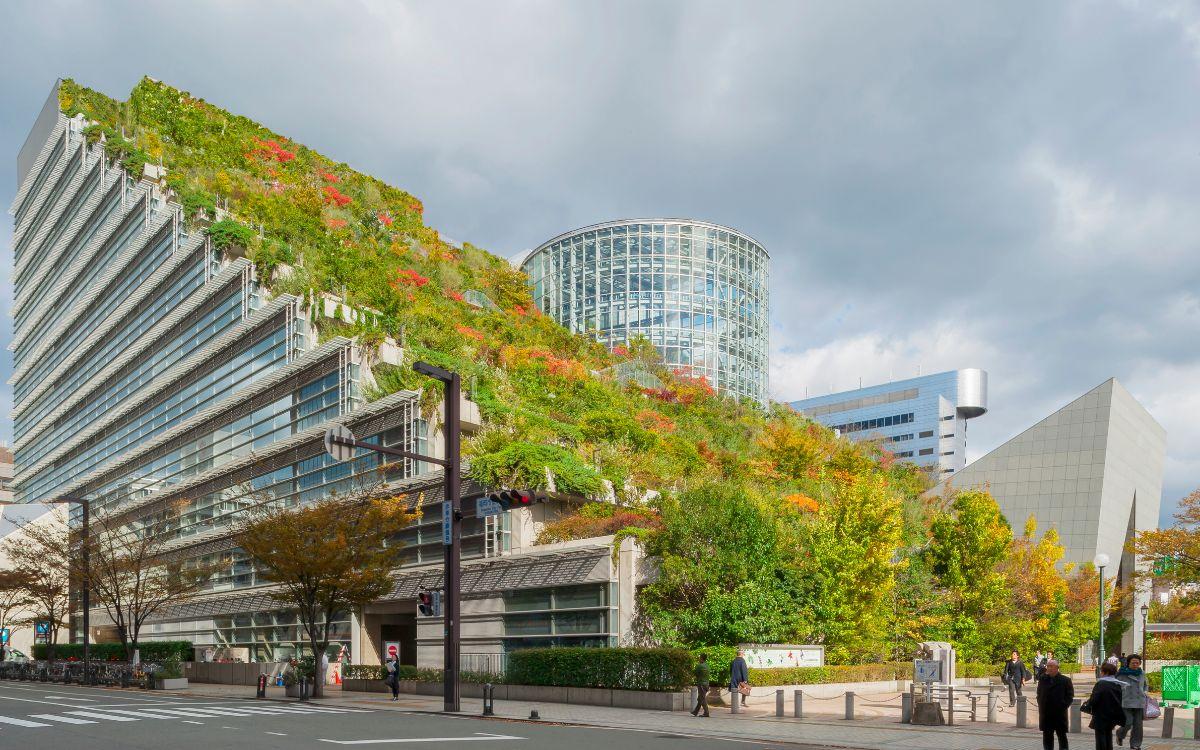
Technical Considerations for Carbon-Negative Facades
Integrating carbon-negativity in facades needs careful attention to building physics to maintain structural veracity. Contextual framework is necessary for different climatic conditions and building types to ensure the effective performance of structures in specific regions. Some of the technical concerns related to designers are:
Moisture Management:
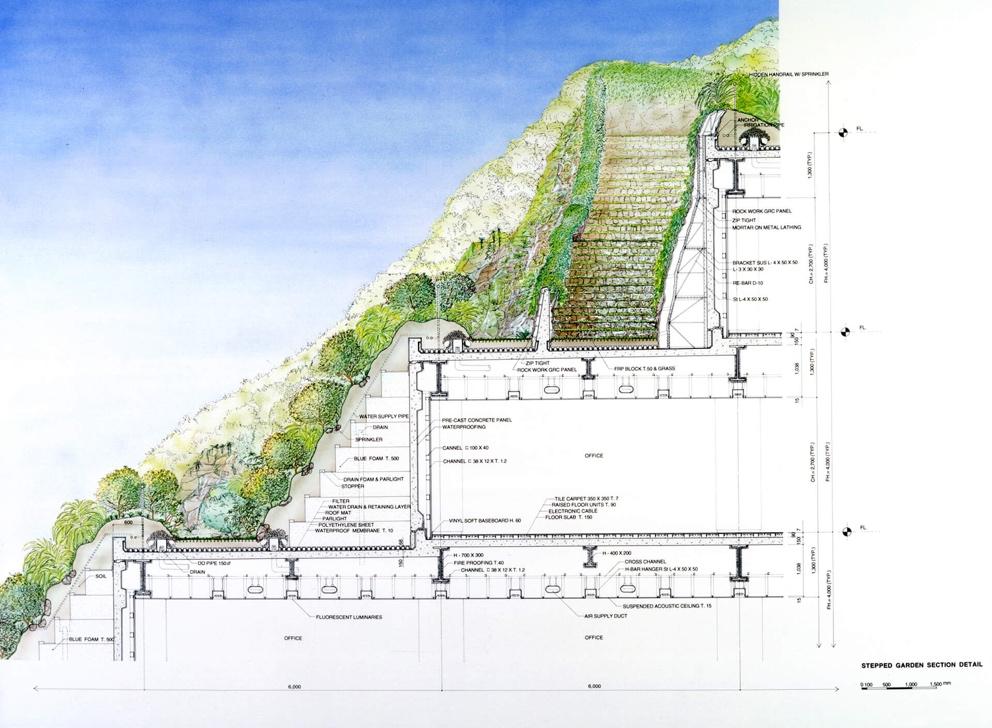
The risk associated with bio-based systems is condensation. Temperature variations produced by carbon-negative facades, particularly bio-based systems, have the potential to cause condensation inside wall components. Vapor control systems such as vapor barriers and proper drainage systems are essential to keep water out while permitting the gas exchange required for CO2 absorption. To resist moisture damage, humidity levels should be carefully controlled in internal building components.
Thermal Performance:
Maintaining heat transfer in different climatic regions and conditions. Hot climates need to prevent overheating while preserving the ability to absorb CO2. On the other hand, in Cold climates, insulating qualities must be well-maintained while system freezing is avoided. Variable climates require the management of the other two climates effectively to avoid functional shortcomings in extreme hot or extreme cold spikes.
Structural Integrity:
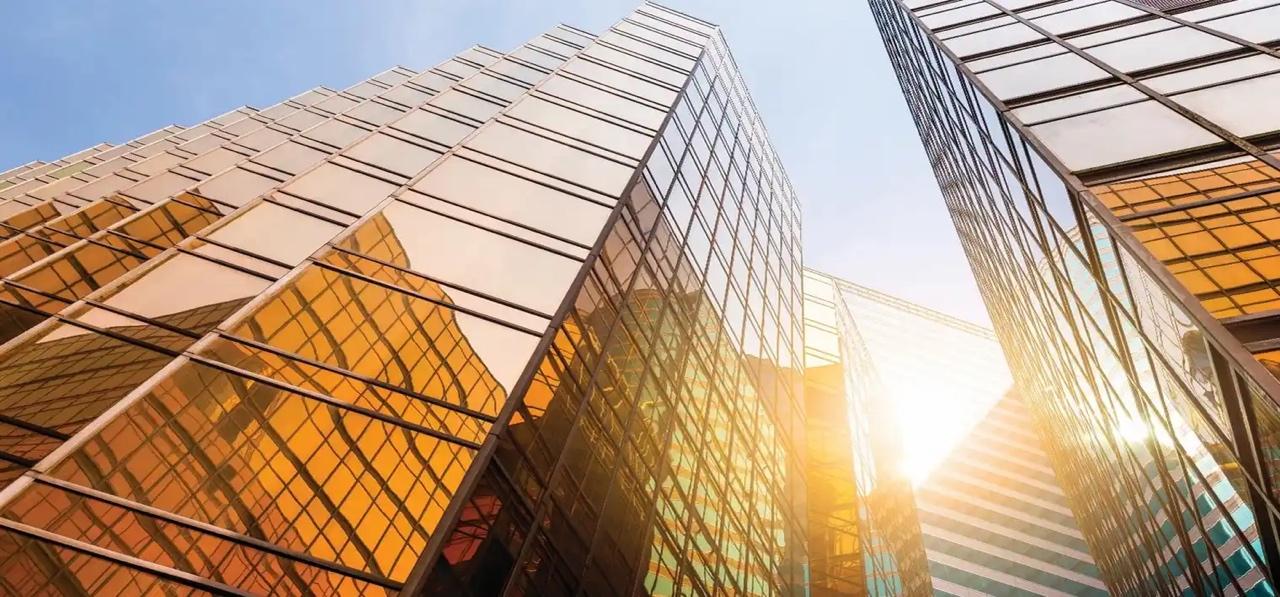
One important factor in maintaining structural integrity is handling weight since materials that absorb carbon frequently weigh more than conventional facades. For heavier components, more structural support can be required to sustain load distribution. Also, one must not ignore the dynamic loads associated with the material changes and moisture absorption. Material expansion and contraction are other important factors to look into during the design phase.
Performance management:
A network of sensors to detect moisture content and CO2 absorption rate must be carefully monitored during the use phase of the structure. Structural movements demand cautious tracking. Data analysts are required to analyze data for real-time performance and scheduling of predictive maintenance to ensure system optimization.

Innovative Strategies for Carbon-Negative Facades
Bio-engineered Materials:
Leading the way in the shift to carbon-negative facades are sustainable building materials. Building materials are designed to have as minimal of an impact as possible on the environment. Innovative building materials with carbon capture properties, such as walls coated with CO2-absorbing paints, can absorb CO2 from the surrounding air and lock it away.
The creation of living building materials that actively trap carbon has been made possible by advanced biotechnology. For example, photosynthetic microorganisms embedded in transparent panels are used in algae-based facades to absorb CO2 and produce biomass that can be harvested for a variety of uses.
Novel Composites:
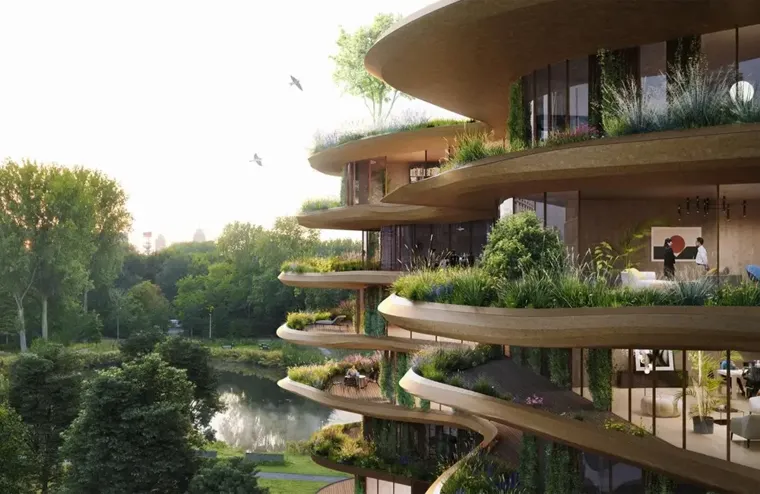
Carbonated concrete and modified lumber products are examples of materials used in innovative carbon-absorbing composites. By chemically binding CO2 into their structure, these materials essentially become the building’s carbon sinks. CO2-responsive polymers that capture CO2 from air directly. Composites that can absorb up to 20% of their weight in CO2 have been created due to recent advancements in material science.
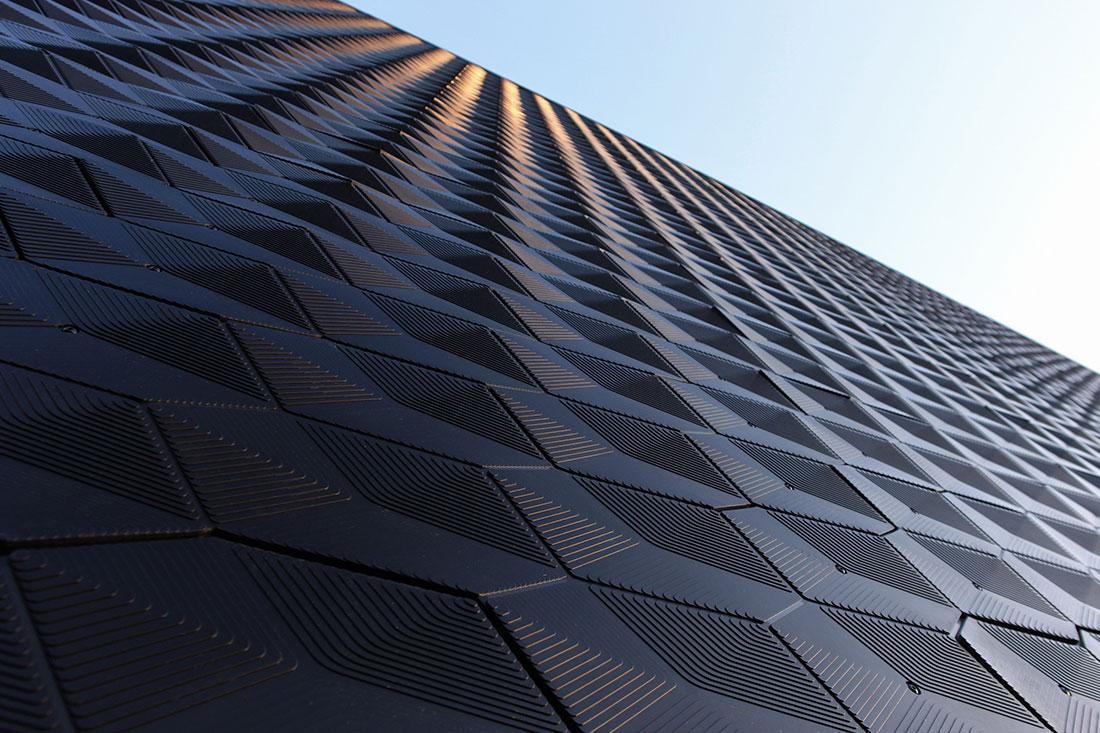
Direct Air Capture (DAC):
CO2 is actively extracted from the atmosphere by DAC technology. They absorb CO2, which is subsequently stored or transformed into beneficial compounds using certain sorbent materials or chemical reactions. In order to directly capture CO2 emissions from interior air, DAC can be incorporated into HVAC systems in buildings.
HVAC Systems:
Carbon capture units are a viable option for building HVAC systems that actively remove CO2 from indoor air. This minimizes indoor CO2 levels and contributes to a net decrease in atmospheric carbon when paired with carbon sequestration techniques.
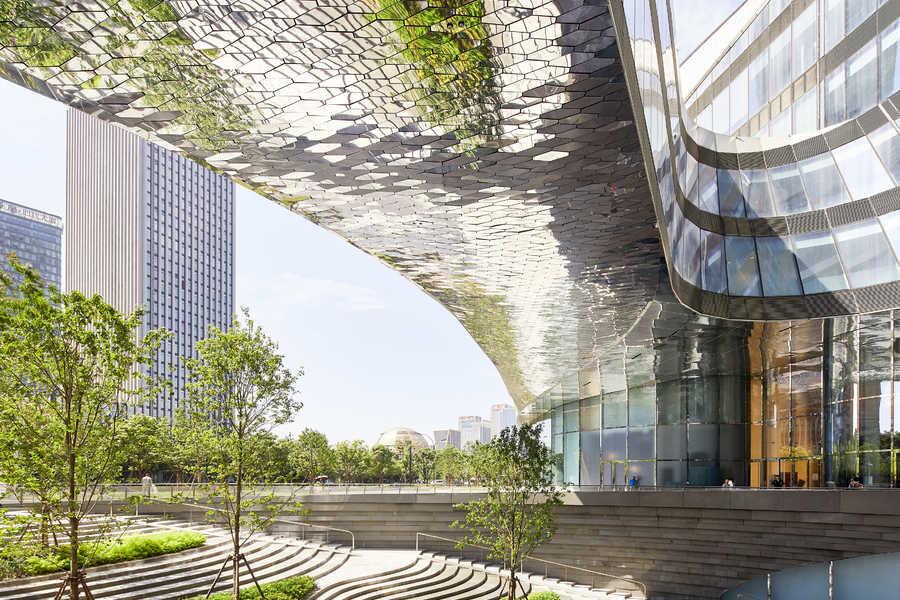
Smart Integration Systems:
The façade can be carbon-negative by integrating technological aspects like sensors and microprocessors or by building autonomous environmental management systems with human input to trigger a response that maximizes carbon absorption while preserving optimal indoor conditions. Smart systems are made to use less energy to heat and cool the building. Controlling the amount of solar radiation that enters the structure allows for less artificial lighting and cooling while also helping to limit operational carbon emissions in the atmosphere.

Innovative Facades Key Considerations
Resilience: To withstand heat waves, climate change, and other environmental hazards like storms, building façades must be constructed.
Enhancing the indoor environment for inhabitants: Building façades must be constructed to enhance the indoor environment for building occupants.
Putting the human experience first: Building facades should be designed to enhance the human experience by encouraging interaction and a sense of connection between the building and its surroundings.
Encouragement: Encouraging sustainability by reducing the building’s overall environmental impact through the design and construction of building façades.
Flexibility and adaptability: To accommodate the changing needs of the building and its occupants, building façades must be designed and constructed in a way that makes it easy and affordable to alter, adapt, or even replace them.
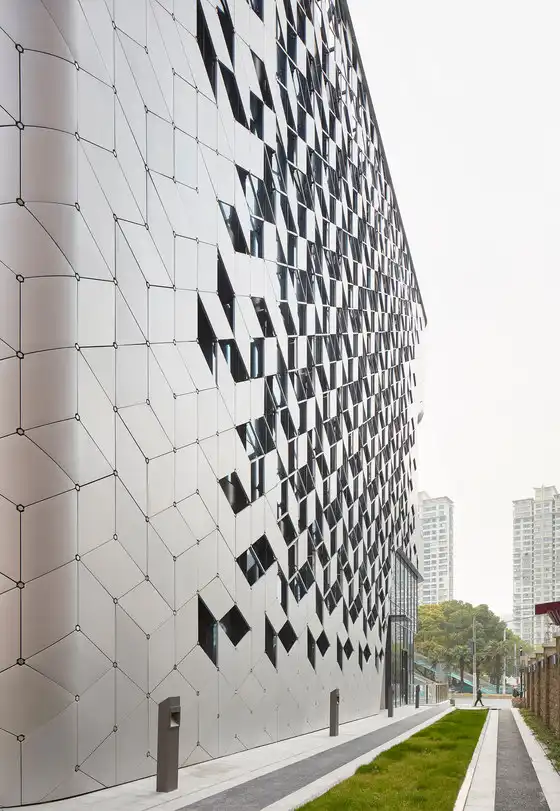
From a design perspective, choosing an appropriate approach for a non-conventional carbon-negative façade at the early stages of design can vary from case to case depending on the building type, indoor environmental requirements, structural issues on large scales, maintenance and operational costs, and occupant’s role in controlling the building’s performance. In terms of user comfort, unlike the view to outdoors, visual comfort and the energy performance of facades are addressed extensively.
The role of these carbon-negative practices in architectural design is significant. They not only lower the environmental impact of the built environment but also help to restore ecosystems, boost local biodiversity, and limit climate change. Carbon-negative solutions can help designers construct more sustainable, resilient, and ecologically friendly structures and communities.
Learn with PAACADEMY: Check out the workshops at PAACADEMY to learn from the industry’s best experts how to use advanced parametric design tools, AI in design workflows, and computational design in architecture.
