

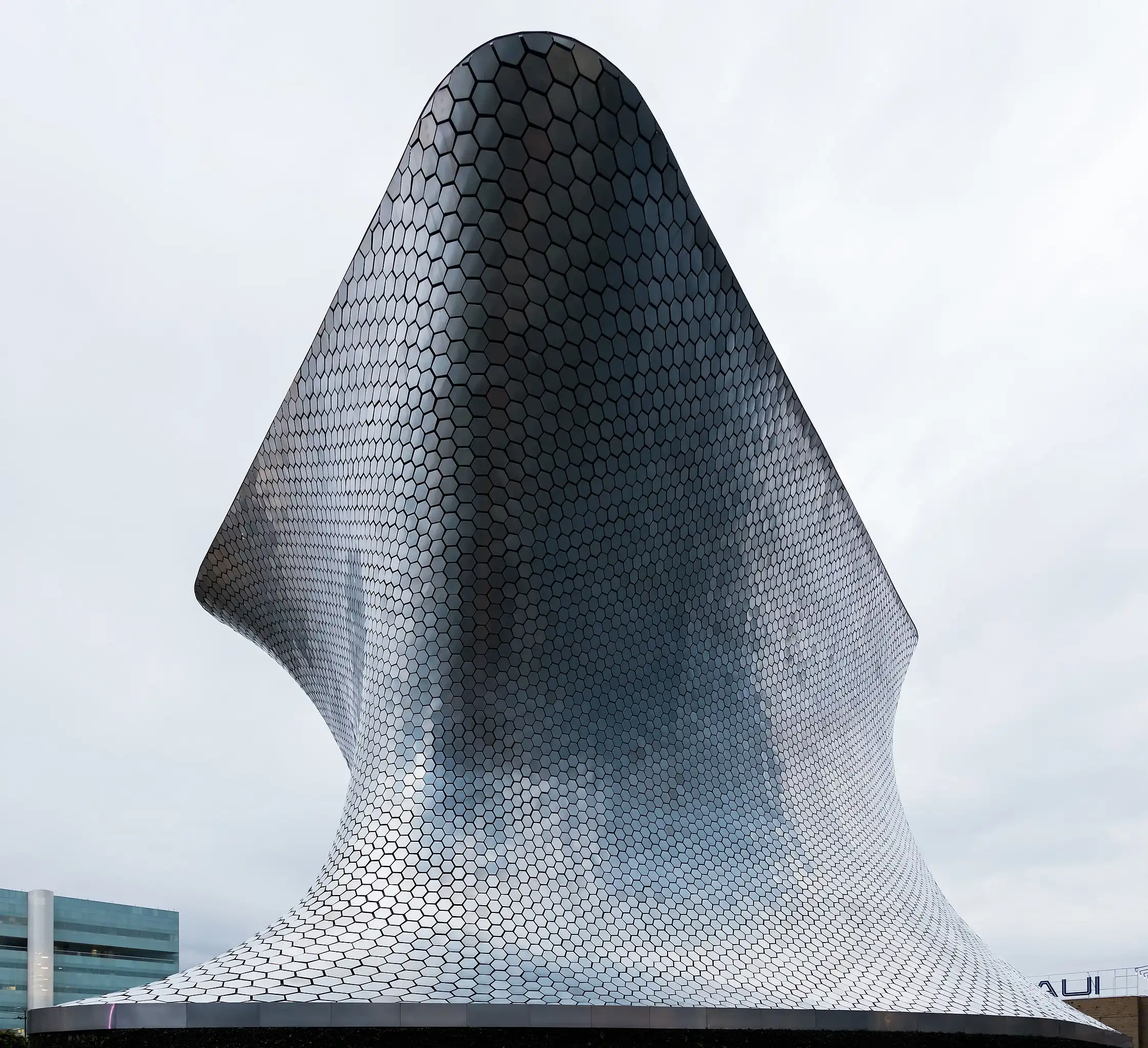
The emergence of parametric architecture is profoundly transforming the whole paradigm of design in the architectural world. Enabled by the computational tools and their algorithms, parametric architecture helps in exploring complex geometries, enhancing structural efficiency and designing adaptive forms that address specific environmental and functional demands. Ranging from landmark towering structures to energy-efficient urban developments, this radical method is reinventing the way in which ideas and constructions are conditioned in the built space.
Parametric architecture redefines design in dynamic terms. It is a data-driven way of conceiving the relationship between beauty, functionality, and governance. Computational tools used in architecture permit the generation of buildings that are not only visually appealing but also responsive to environmental factors and superior in functionality. This article discusses the principles of parametric architecture, the computational techniques propelling it, its noteworthy real-world applications, and, above all, the new possibilities for redefining sustainability, aesthetics, and utility in architecture.
What is parametric design?
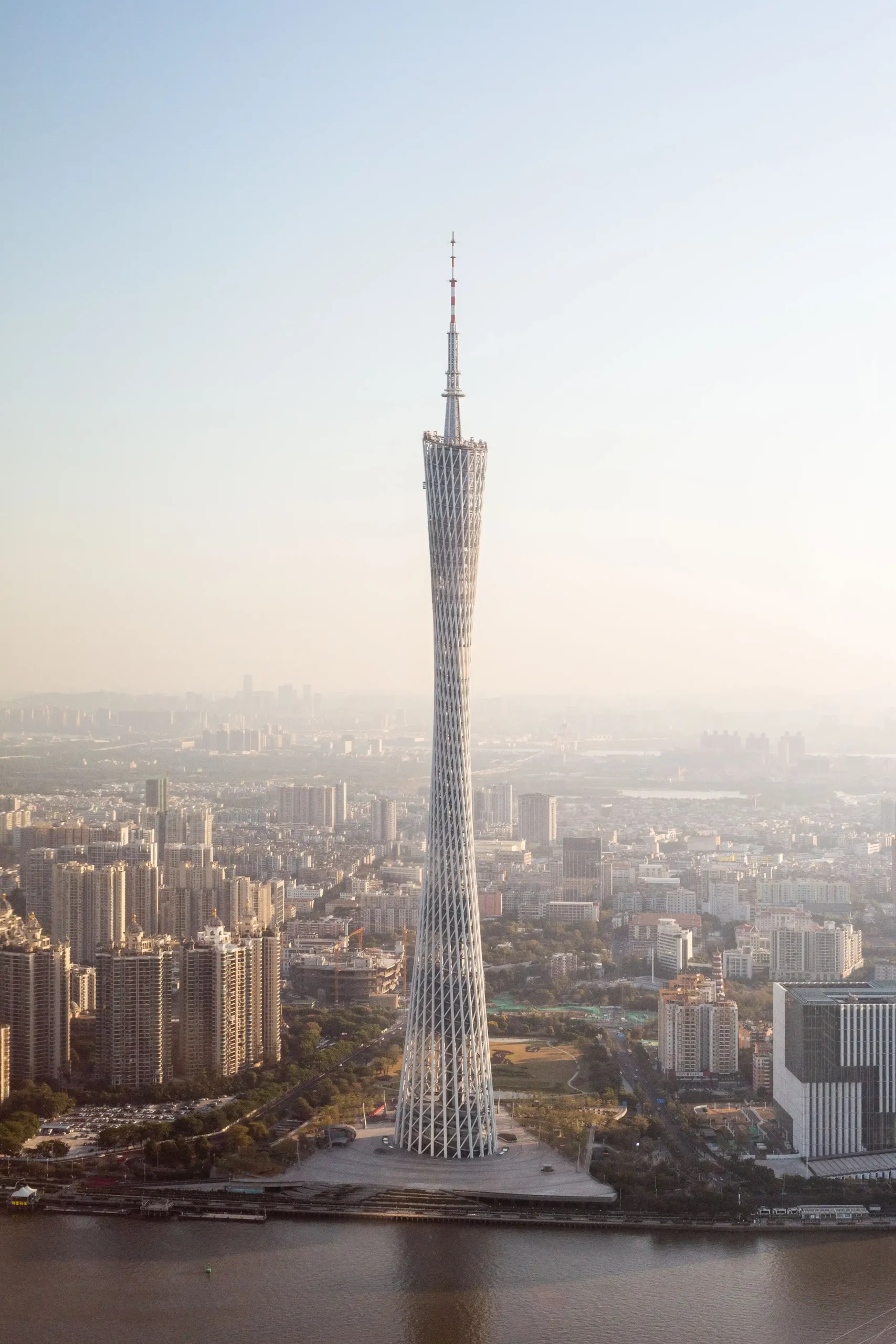
Parametric architecture originates from parametric design and refers to a possibility in design determined by algorithms and variables or parameters changing the format, behavior, or function of a building. It is not solely about the complicated shape, but it also brings functional design molded in such a way that the designs conform to optimum environmental, structural, and human requirements. In bringing parametric tools like Rhino, Grasshopper, and Autodesk Dynamo into the designs, architects employ machine-created iterative, precision, and creativity-laden design process improvement.
At its core, parametric architecture is iterative, i.e., there are potentially infinite possibilities within fixed parameters. Designers may manipulate forms and ratchet in detail, make decisions based on information, and move from old, straightforward, manual processes to dynamic and agile flows.
Evolution of Parametric Design
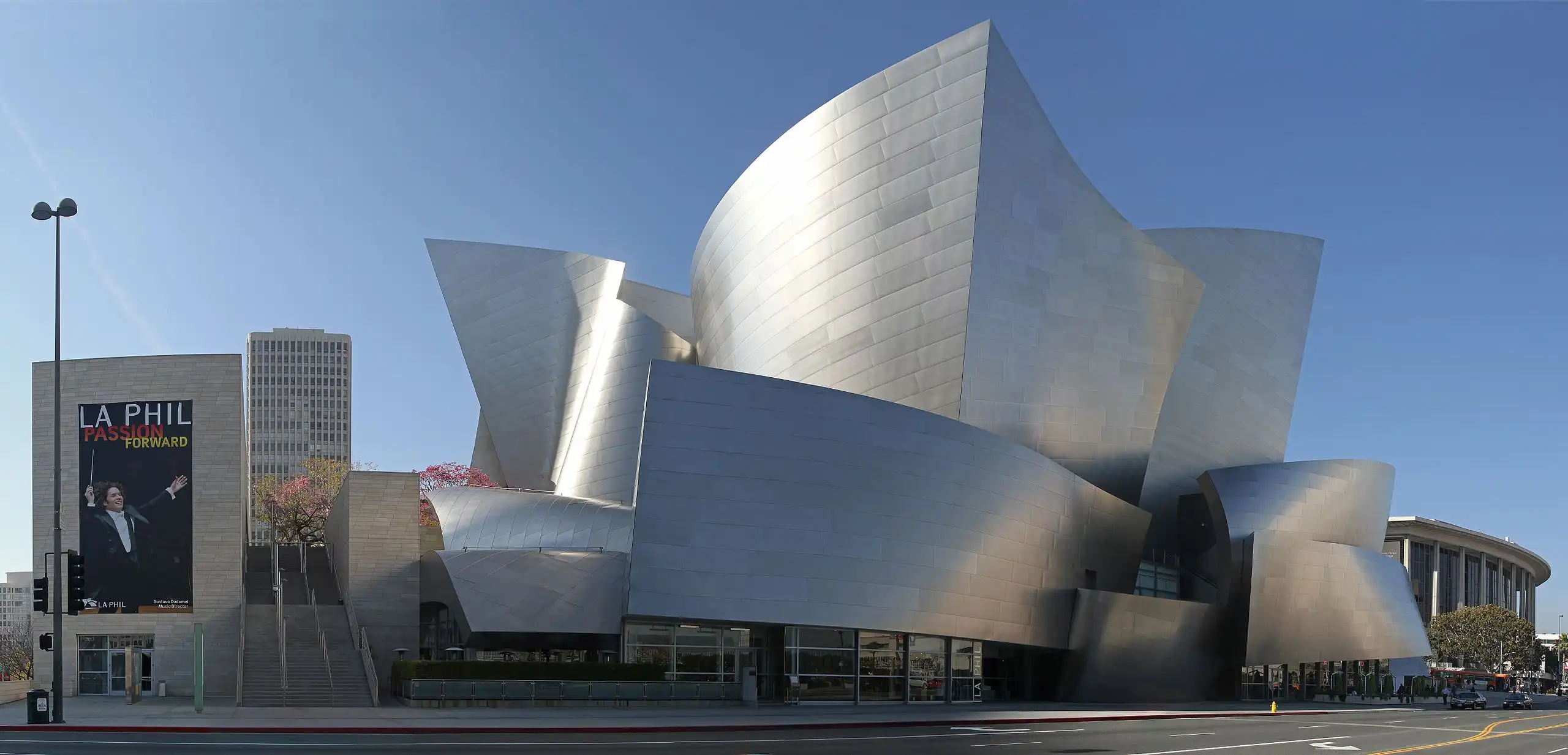
Parametric design originates from the early 20th century and is best associated with the analog practice of Antoni Gaudí. The computerization of parametric design began, in the last decades of the 20th century, with CAD (computer-aided design) tools. By the 1990s and early in the 21st century, some of the pioneers who advocated the use of such tools in digital modeling were Frank Gehry and Zaha Hadid, crafting fluid and organic forms that would be nearly impossible to visualize or build through conventional means.
The transition from static design philosophies brought in the realm of computational parametric, resulting in dynamic adaptability and performance optimization.
Core Computational Techniques in Parametric Architecture
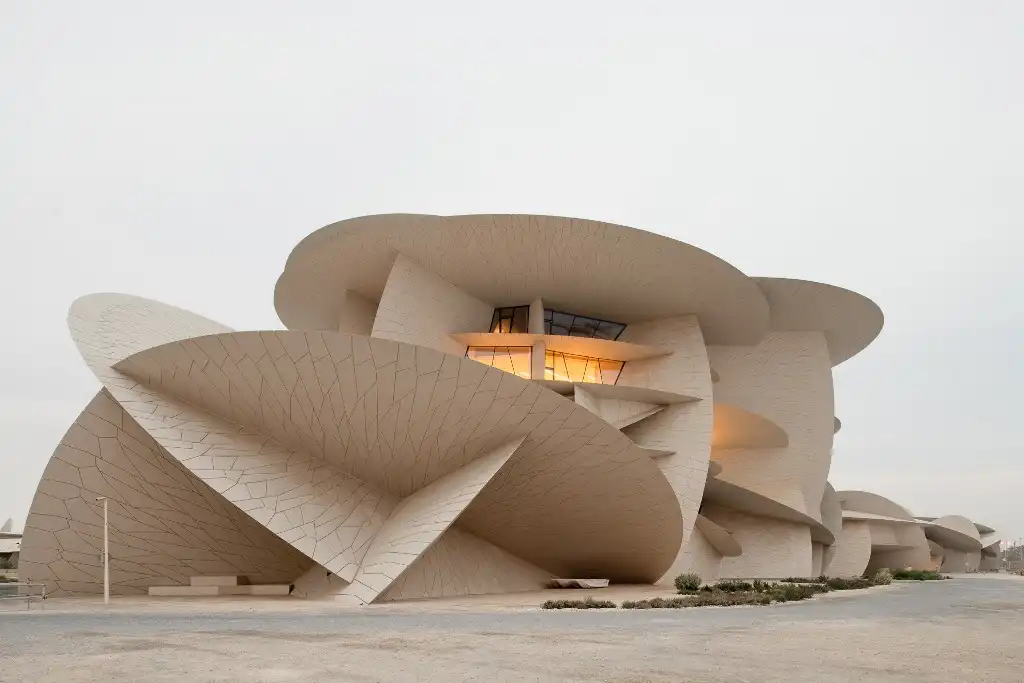
Parametric architecture relies on advanced computational techniques to deliver its groundbreaking results:
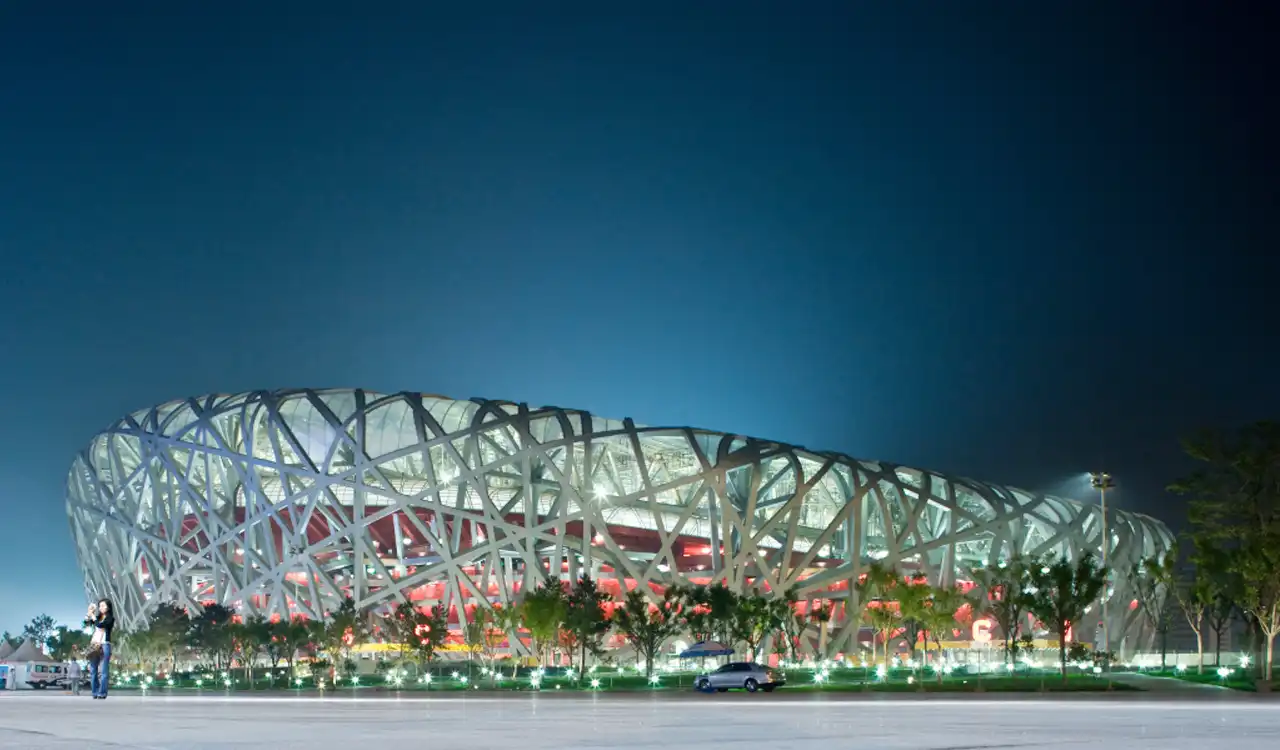
Algorithmic Design: It is a technique characterized by algorithmic functions forming relationships between design elements. By changing variables in these algorithms, a designer can instantly visualize numerous realizations of a concept. The National Stadium for Beijing (Bird Nest) by Herzog & de Meuron demonstrates this step, in which parametric modeling allowed balancing of aesthetic and structural complexities.
Generative Design: Generative design utilizes algorithms to generate hundreds or even thousands of designs according to various constraints and several objectives. Architects go through these alternatives to find the best-performing solutions, such as that applied to the Heydar Aliyev Center by Zaha Hadid Architects.
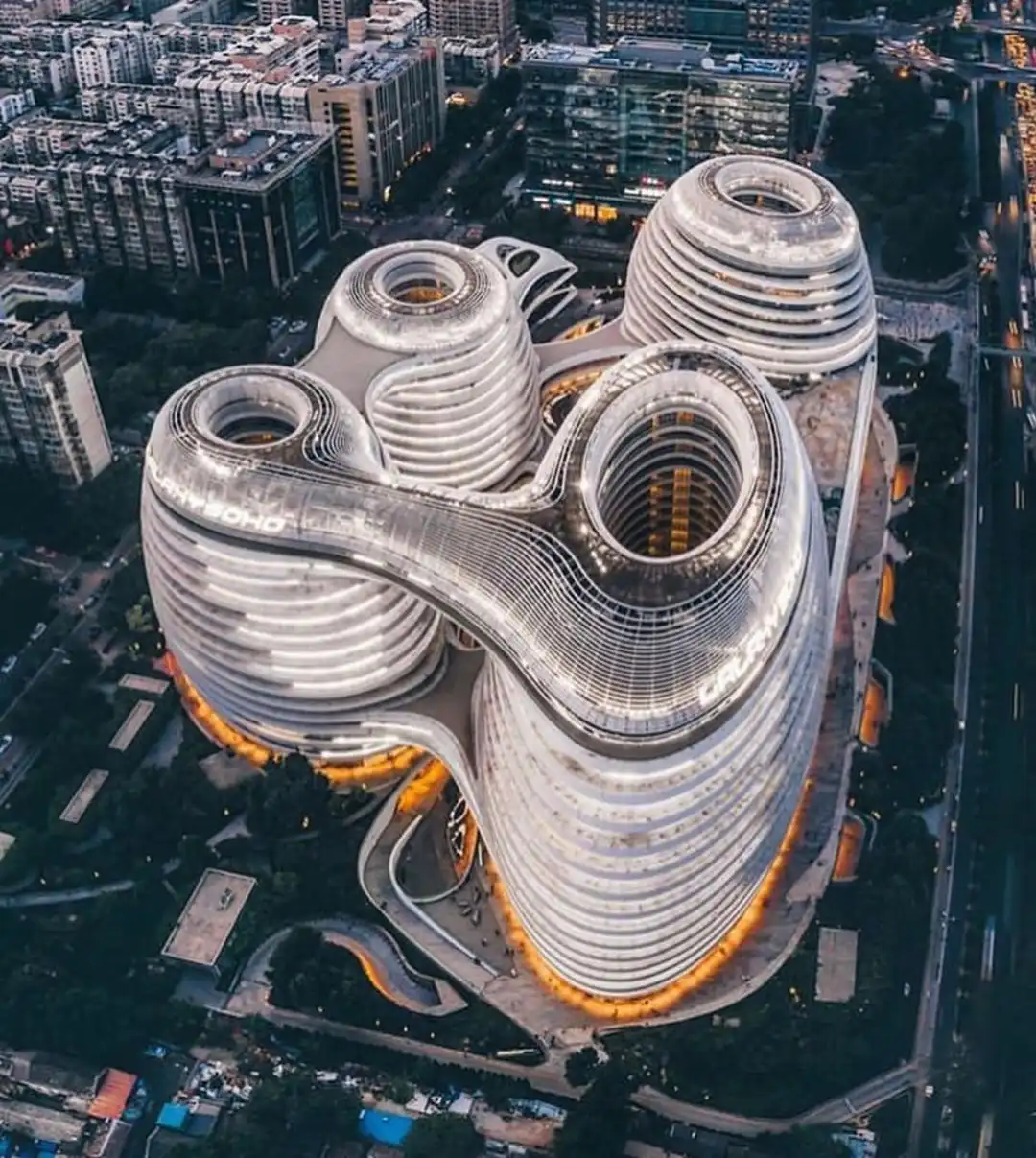
Environmental Optimization: Such parametric tools employ data such as solar angles, wind patterns, and temperature so that design decisions can be influenced accordingly. This scheme has been applied by Foster + Partners to the Bloomberg Headquarters, which then turned out to be remarkably energy-efficient.
Digital Fabrication: Using parametric modeling with 3D printing or CNC fabrication allows architects to make the most complex designs physically representable with unparalleled accuracy.
Notable Applications of Parametric Architecture
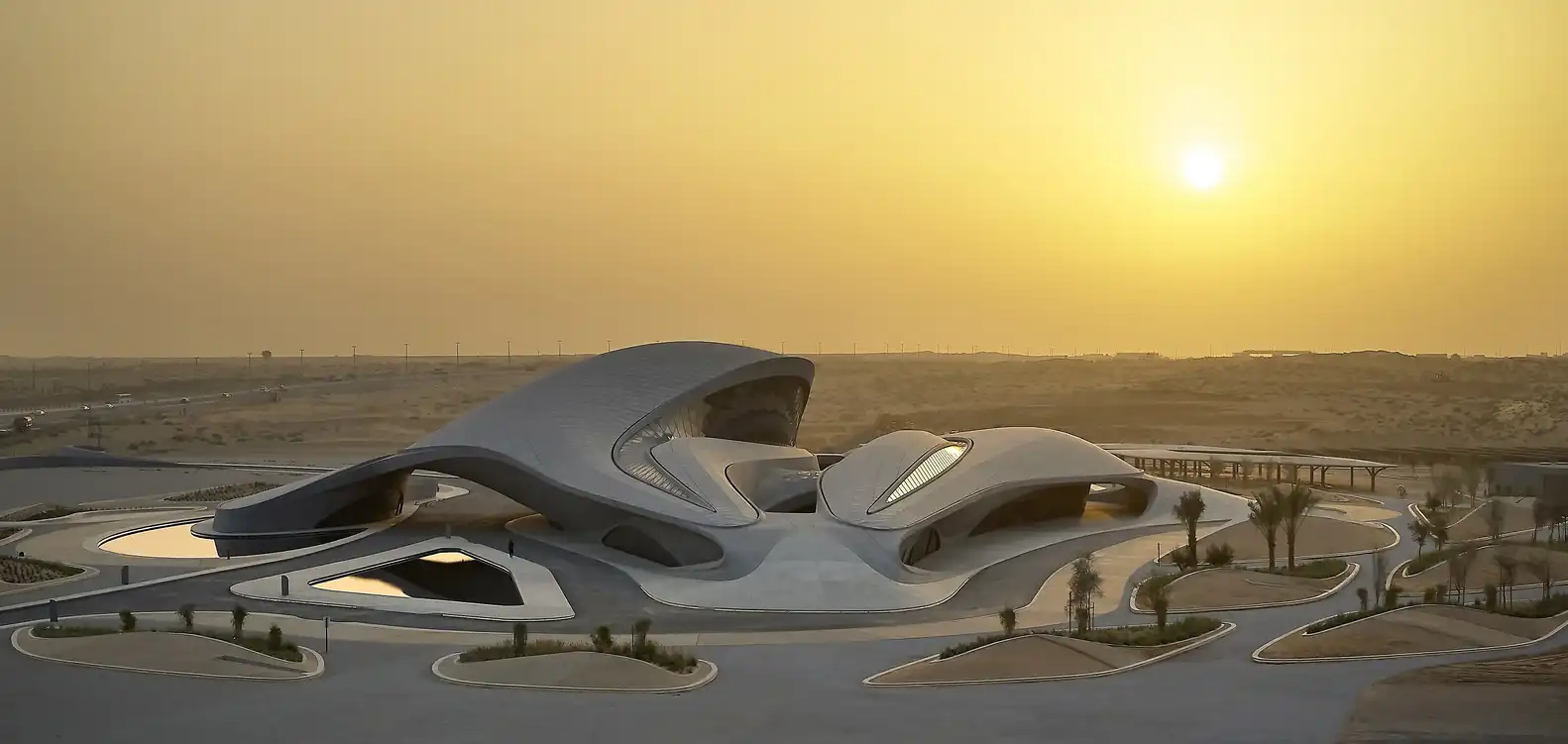
Parametric architecture is certainly no longer a mere theory, as it has come to characterize the definitive expression in iconic buildings across the world through combining aesthetics and high functionality. For example, BEEAH Headquarters, the latest Zaha Hadid Architects-designed structure in Sharjah, features parametrically manipulated curves that reduce solar heat while optimizing energy efficiency—another sustainability benchmark. Similarly, Mercedes-Benz Stadium in Atlanta has a roof that is retractable and designed as a camera lens to enhance natural ventilation and daylighting to attain superior energy performance.
In addition, Infinity Loop, in Hangzhou, is an example of the application of parametric algorithms by Bjarke Ingels Group for the optimization of orientation, solar exposure, and ‘greening’ the city. On the one hand, the Elbphilharmonie in Hamburg by Herzog & de Meuron optimizes the undulating glass shell surround by parametric design, where closing perfection with architectural elegance is well put.
The Role of Artificial Intelligence and Machine Learning
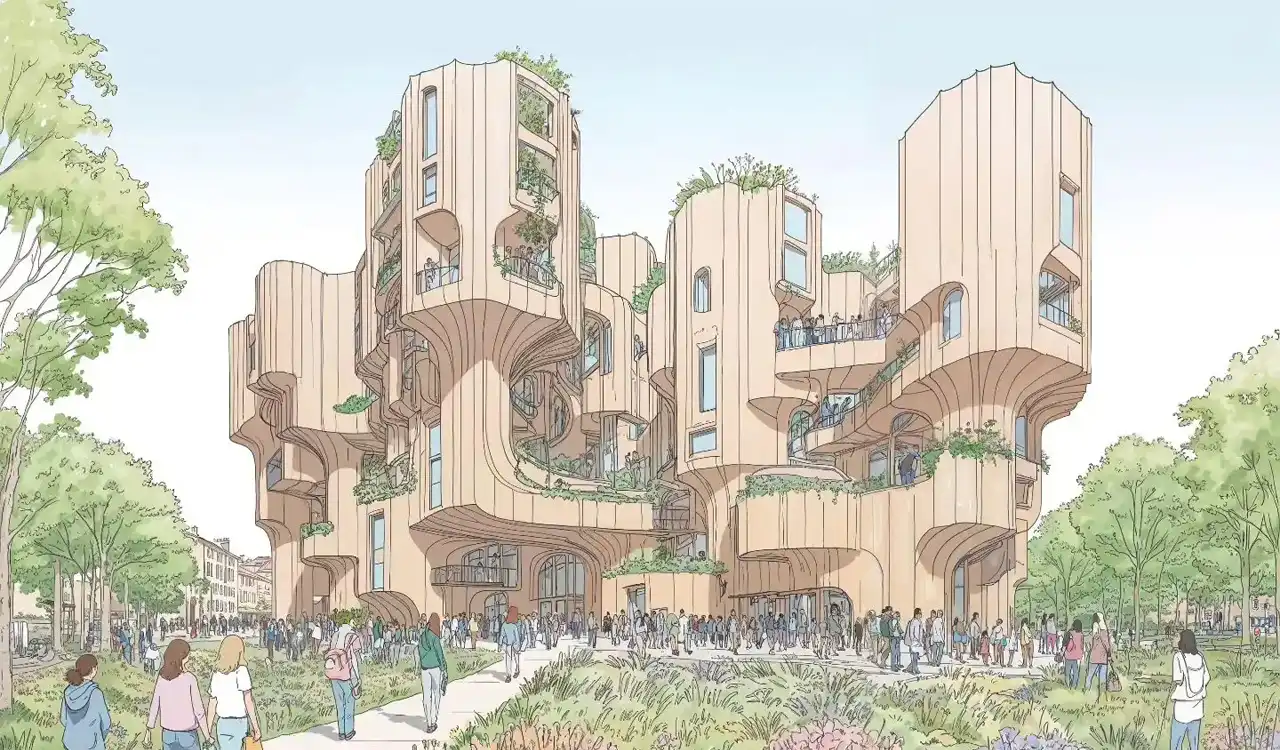
Parametric architecture is changing with artificial intelligence (AI) and machine learning drastically and has empowered the designer to predict building performance, evaluate user behavior, and change designs in real time. AI tools help users streamline the process of generative design, developing forms that respond optimally to environmental and structural loads. One such example is the prediction of the best possible utilization of materials or consumption of energy according to an algorithm analyzing data through machine learning, thus propelling the goal of sustainability even further.
Parametric Architecture and Sustainability
The most promising aspect of parametric architecture lies in its addressing environmental problems. Parametric tools enable architects to reduce energy consumption, improve natural ventilation, and optimize resource use within the design process by coupling design with environmental data. The Eden Project in the UK contains parametrically designed geodesic domes that maximize the amount of solar gain while minimizing material use. This example underscores the ability of form and function to showcase the real spirit of parametric architecture when it comes to aesthetic ambition balanced with ecological responsibility.
Challenges and Limitations
Though it has much impact, parametric architecture still has considerable challenges. The mastery of computational tools is a time-consuming and technical process with a very steep learning curve for many architects, even though schools and institutions now seem to use these tools increasingly. Further, the ethical dilemmas arising from extensive reliance on data add lines through which architects have to navigate. Most important, of course, is the great expense that comes with new parametric workflows. Software and hardware are often beyond the means of small firms or projects operating under tight budgets, while skilled expertise required further raises the bar.
The Future of Parametric Architecture
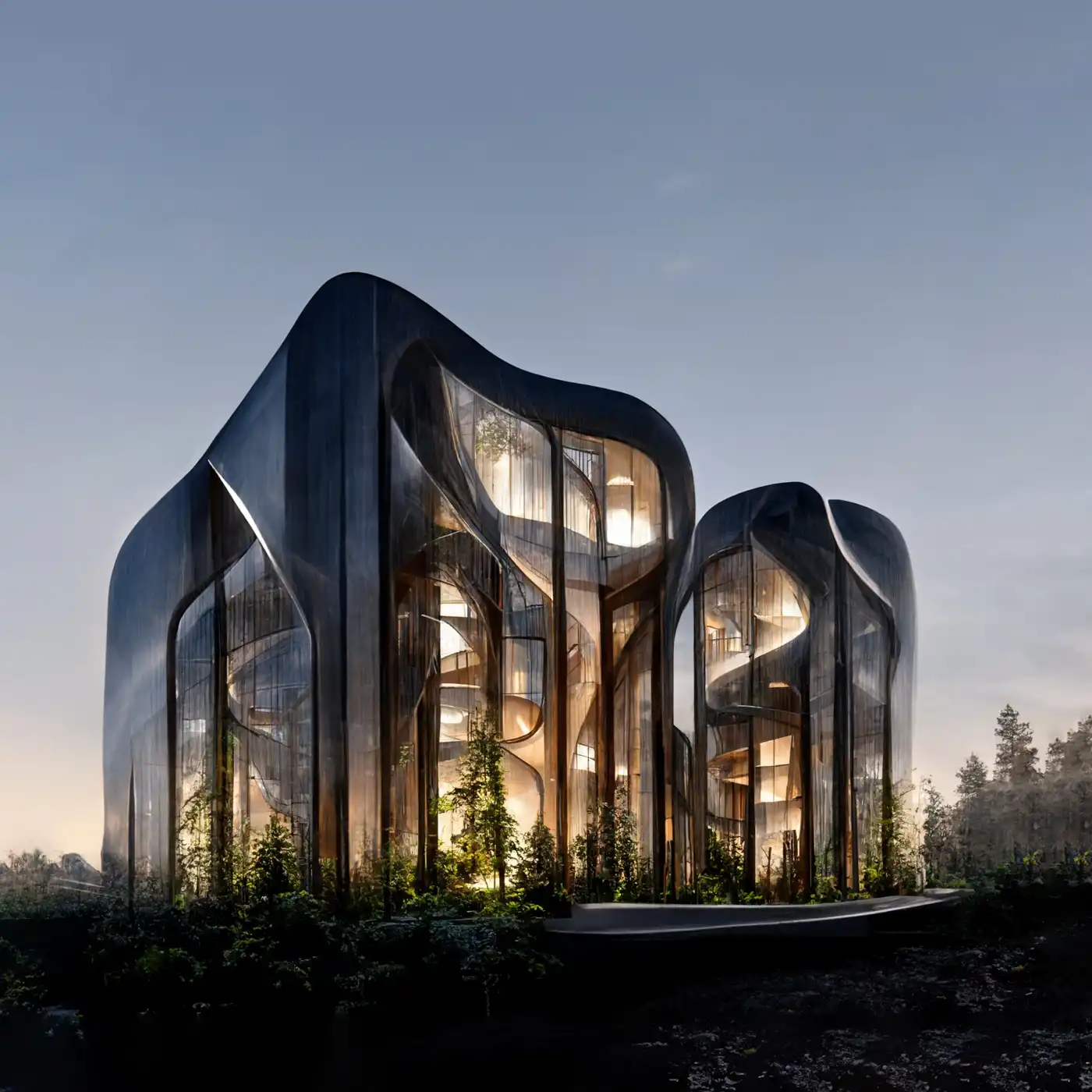
The future of parametric architecture is technology, sustainability, and human-centered design. With the strong trends emerging, the new future can be defined as the redefinition in the space. Interfacing buildings with AI and IoT to build real-time interaction between the systems and their occupants makes an effect on energy consumption and the overall experience of the users. In addition, parametric tools allow a scope of mass customization; tailored architecture solutions can be developed that come in response to specific clients and contextual environmental requirements.
Digital fabrication methods like 3D printing, along with robotic construction, will make project execution easier and reduce the costs involved with material waste. Beyond this, now that parametric methodologies are spreading into areas like design for urbanism and industrial design, their benefits would be multiplied across conventional architectural confines. As we look to the future, parametric architecture is to remain one of the largest propellers in tackling issues such as urbanization and climate change—issues that will pave the pathways for innovation regarding the next phase of architecture. It is as much a witness for the power of technology that shapes our built environment as it proves possibilities in design.
Learn with PAACADEMY:
Check out the workshops at PAACADEMY to learn from the industry’s best experts how to use advanced parametric design tools, AI in design workflows, and computational design in architecture!
References:
