


Deployable structures are creative solutions that can change from a compact design to an operational fully deployed one. These structures are designed to be compact during transport or storage but can expand, unfold, or otherwise reconfigure themselves when activated. This adaptability makes them highly valuable across many fields, such as in aerospace, construction, and robotics.

In aerospace, it is where deployable structures can play a key role in many space missions. In essence, satellites require expandable antennas or deployable solar panels that must be compact when launching but fully expanded in their full scale when on-orbit. Examples are NASA‘s space shuttle and other spacecraft, which rely on deployable mechanisms to package major components into small launch spaces.
The concept of deployable structures has been around for a very long time, with early uses going to the mid-20th century. The term itself, “deployable structures,” referring to designs that can expand, unfold, or transform from compact into functional, became well known through pioneers in the field such as Buckminster Fuller. His geodesic domes in the 1950s were one of the first uses of deployable principles.

Construction and civil engineering also heavily utilize deployable structures-from retractable domes for foldable bridges to various temporary installations or in conditions when saving space is highly important. As an example, the retractable roofs of stadiums can allow for versatile use of areas by changing the conditions of seasons. Similarly, foldable staircases may be realized in temporary or modular buildings when the saving of space during a non-operational position is required.
Deployable structures in robotics create machines that can be folded up or opened out for different applications. For example, the arms may extend and retract, or systems transform to adapt to different functions- whatever the requirement is.
Pros and Cons

Pros:
- Deployable structures are highly efficient in terms of space, making them ideal for applications where space is limited, such as in spacecraft or temporary installations.
- They can change their shape or function, which allows them to adapt to various needs or environments.
- Their compact nature makes them easier to transport and deploy in different locations.
Cons:
- The deployment mechanisms can be complex and may require precise engineering to ensure reliable operation.
- High-precision materials and mechanisms can be expensive to produce and maintain.
- Frequent deployment and reconfiguration can lead to wear and tear, potentially impacting the structure’s longevity.

The deployable structure has undergone development over time. Among the very early pioneers in this field are researchers and engineers, including Buckminster Fuller, who explored the potential of extendable domes and structures. Nowadays, as the science of materials and engineering continues to advance, it keeps pushing the boundaries of what is achievable with deployable structures, making the field an integral part of modern technology and design.
Examples of Deployable Structures
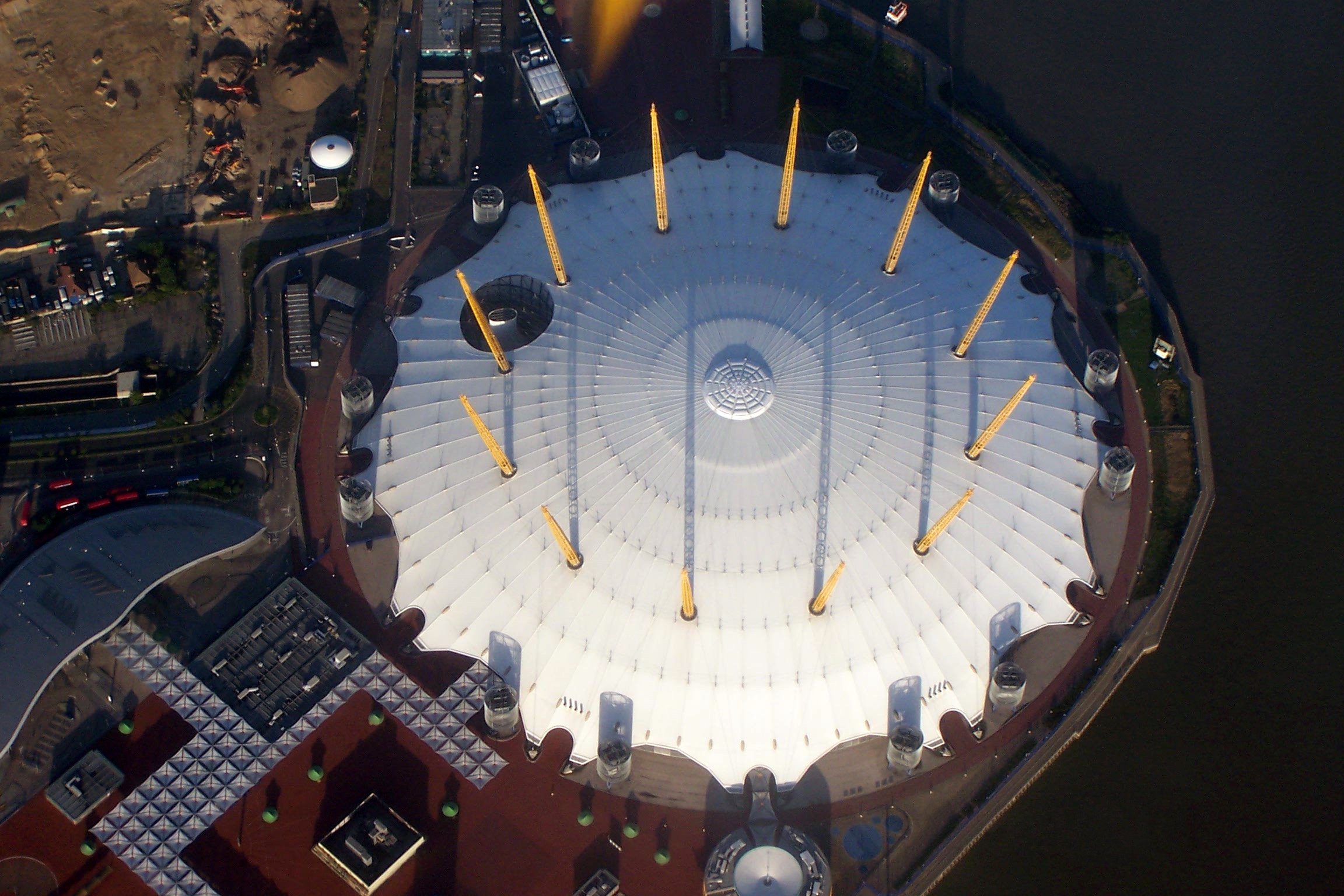
Deployable structures appear everywhere, from everyday objects to advanced technological aerospace. The most familiar example is the umbrella. It has a very simple deploying mechanism in which the ribs extend radially from a common central shaft through an angle until the umbrella opens into a protective canopy.
Another interesting example is tensegrity in advanced engineering. As the name would suggest, tensegrity structures are made up of isolated components maintained in space by cables or tendons. It is in the coming together of these isolated components into a stable, flexible form. Tensegrity can also be strikingly beautiful and structurally efficient, allowing for complex dynamic shapes which may morph or change shape. This is commonly seen in sculptures, architectures, even robotics.

Origami-inspired structures present another interesting example. The principles of origami are applied to the design of complex deployable systems, including solar sails for spacecraft. Such a structure can be folded in compact form at launch and then unfolded in space to take the shape of a large functional surface. Here, the art of folding papers can make that dream come true when approaching problems in space mission engineering.
Another very good example of a deployable design is the scissor-like structure. Such a structure has pieces that interlock in a scissor-like pattern that can be extended or contracted. This will range from retractable bridges and stages to where the facility provides for changing the size and shape of the structure concerned very quickly. The flexibility in the mechanisms of scissors makes them applicable in areas that need dynamic space and functionality management.
Buckminster Fuller’s Dymaxion series
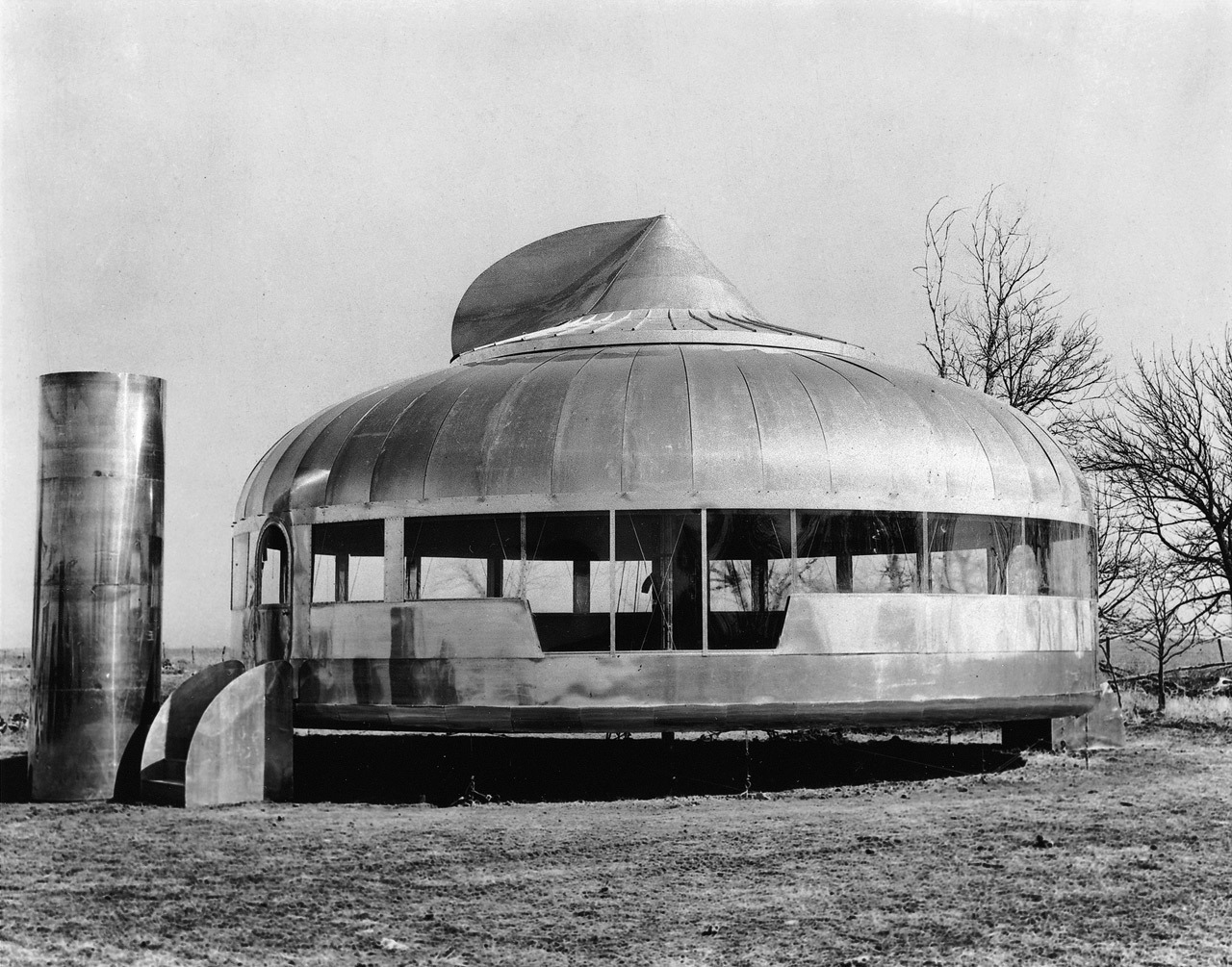
The Dymaxion series of Buckminster Fuller, including the Dymaxion House, Dymaxion Deployment Unit, and the Dymaxion Car, embodies his interest in dynamic, efficient, and futuristic design. The Dymaxion House was an early prototype in prefabricated architecture, designed for efficiency and adaptability. Its structure featured a central stainless-steel mast supporting a lightweight, aerodynamically efficient form made from sheet metal. It also promised to be energy-efficient and require low maintenance.
Fuller’s vision of a durable and low-cost home that would be available to the mass market, more than two prototypes of such a house were ever built, with one prototype now preserved at the Henry Ford Museum.
Based on the same principles as this house, the Dymaxion Deployment Unit was developed for use by the military during World War II. This portable, quick-deployable unit was made of corrugated steel and was designed to house troops efficiently. Its production during wartime was cut short because of the shortage in steel. Fuller’s Dymaxion Car was an ambitious attempt at a personal transportation revolution, featuring an aerodynamic design intended for versatility and efficiency across land, sea, and air.
Buckminster Fuller said that the experience led him to “an experiment to find what a single individual could contribute to changing the world and benefiting all humanity,” saying, “You do not have the right to eliminate yourself. You do not belong to you. You belong to the Universe. Your significance will remain forever obscure to you. Still, you may assume that you are fulfilling your role if you apply yourself to converting your experiences to the highest advantage of others.”
Learn with PAACADEMY: Check out the workshops at PAACADEMY to learn from the industry’s best experts how to use advanced parametric design tools, AI in design workflows, and computational design in architecture!
