


Lighting is an important part of our daily since it allows us to work at night. Providing ‘artificial’ light requires energy, and electric lights are the most frequent source of artificial light globally. However, fuel-based alternatives (such as kerosene lamps) are also popular, especially in areas without access to the electric grid or with intermittent power supplies. Current lighting systems create numerous issues for local and global sustainable development.
Energy efficiency refers to the amount of energy needed to provide acceptable lighting. The specific lighting system requirements are determined by the sort of operations to be done in a given location. Several types of energy-efficient lighting choices are available.
This article seeks to provide a clear overview of different energy-efficient lighting options for eco-friendly spaces.
Led Lighting
Light-emitting diodes (LEDs) are emerging sustainable lighting solutions. LED lights are referred to as point source lights because they emit light from a small surface area, making it easier to regulate or direct light precisely in an LED lamp. LED luminaires cost less and last longer. They tend to use less energy than conventional standard bulbs, making them more energy efficient. LED bulbs are useful tools for quality lighting solutions that require little or no maintenance and are very efficient.
CFL Bulb
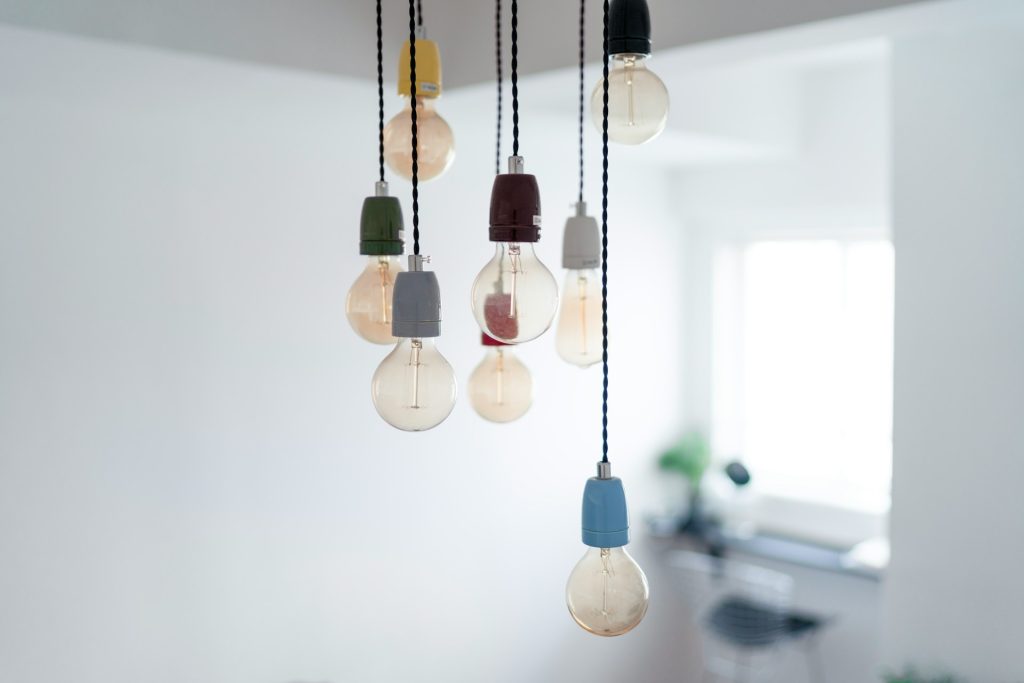
Compact fluorescent lamps (CFLs) are another sort of sustainable lighting source. CFLs, which replace inefficient incandescent lights, can save up to 80% on energy while lasting up to ten times as long. Large-source CFL bulbs are good for ambient lighting because they provide an even spread of light over broad regions. CFL luminaires come in various shapes and sizes because they are designed to fulfill the lamp’s requirements and are appropriate for a wide range of lighting applications.
Solar Powered Lights
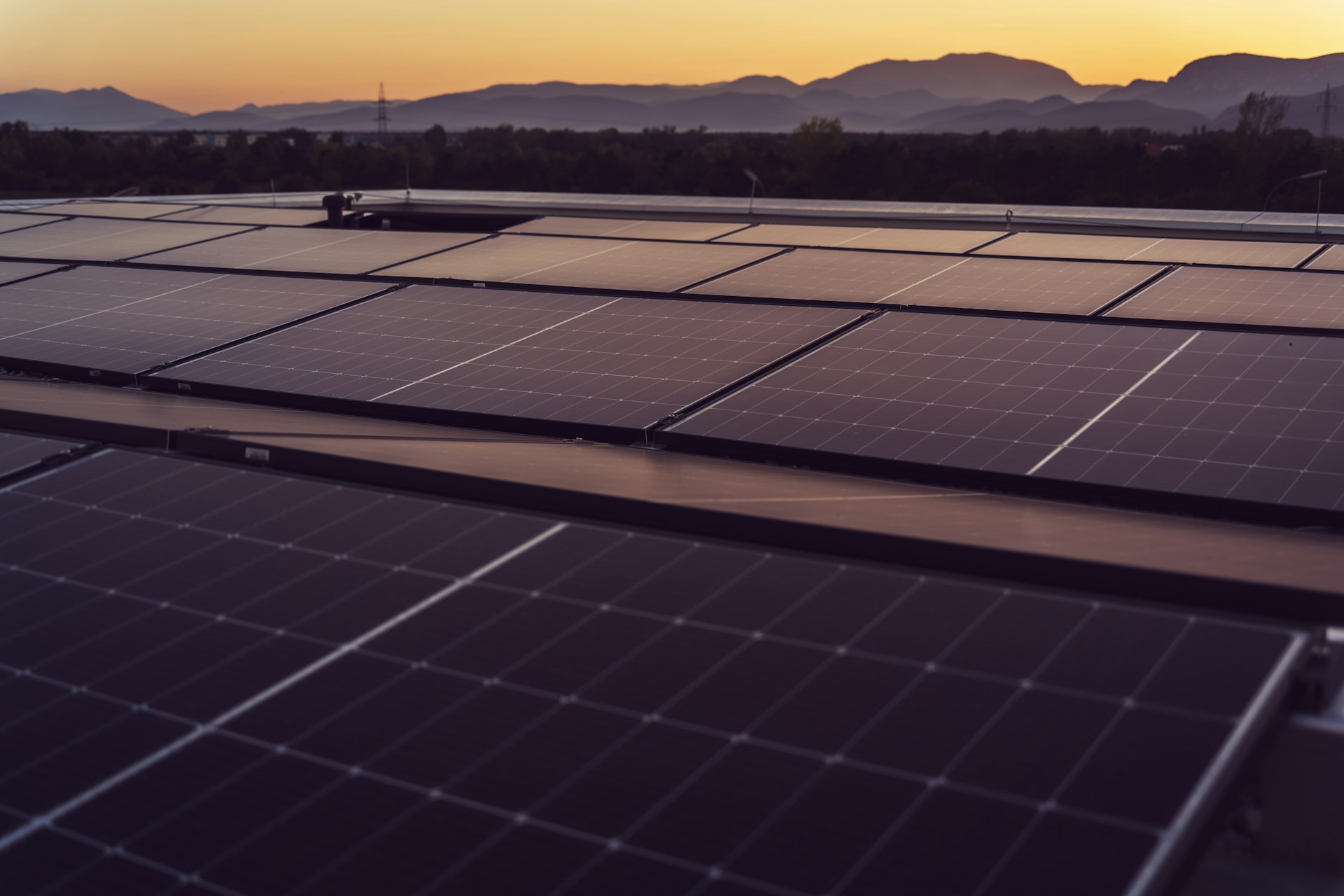
By harnessing the energy of the sun, solar-powered lights are termed an energy-efficient choice for providing basic lighting services to off-grid communities. Solar-powered lights use sunshine to generate electricity, which is then used to illuminate places. Solar-powered lights provide numerous environmental benefits by replacing traditional kerosene lamps. Electric light, particularly solar photovoltaic, is more efficient, cleaner, and of higher quality than light from any other source. These lights are best suited for walkways, gardens, and outdoor landscaping since they provide sustainable lighting.
Smart Lighting Systems
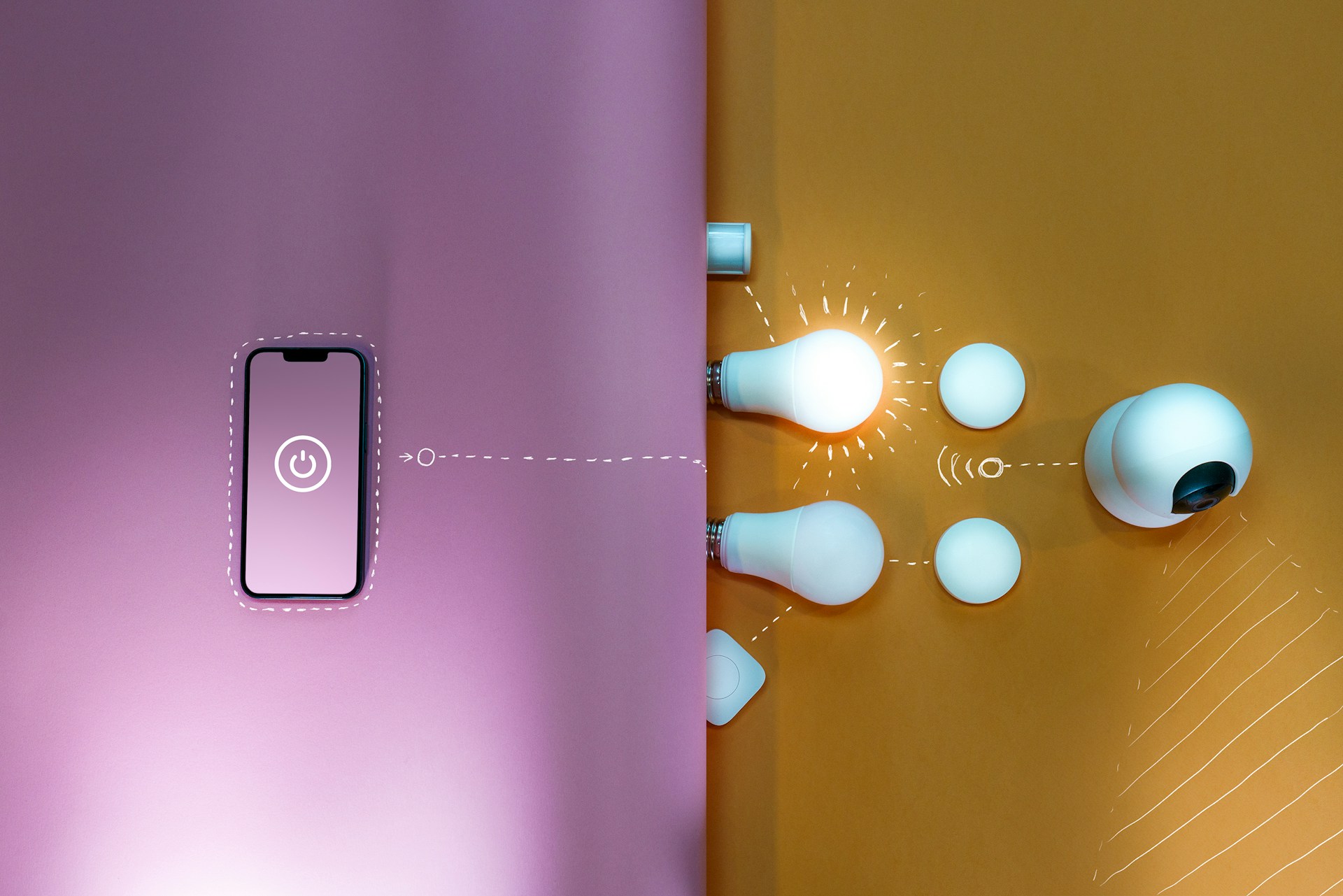
Another energy-efficient lighting solution that uses sensors and automation to adjust lighting levels based on various factors, including daylight availability and user preference, is termed smart lighting. Energy savings can be as high as 35% when comparing smart lighting solutions to conventional lighting systems. Smart lighting systems can be used at a number of places, including the home, yard, offices, and streets. Energy consumption and maintenance costs can be greatly decreased by using smart lighting systems. The systems maintain ideal lighting conditions and minimize waste by lowering energy consumption.
Daylight Harvesting Systems
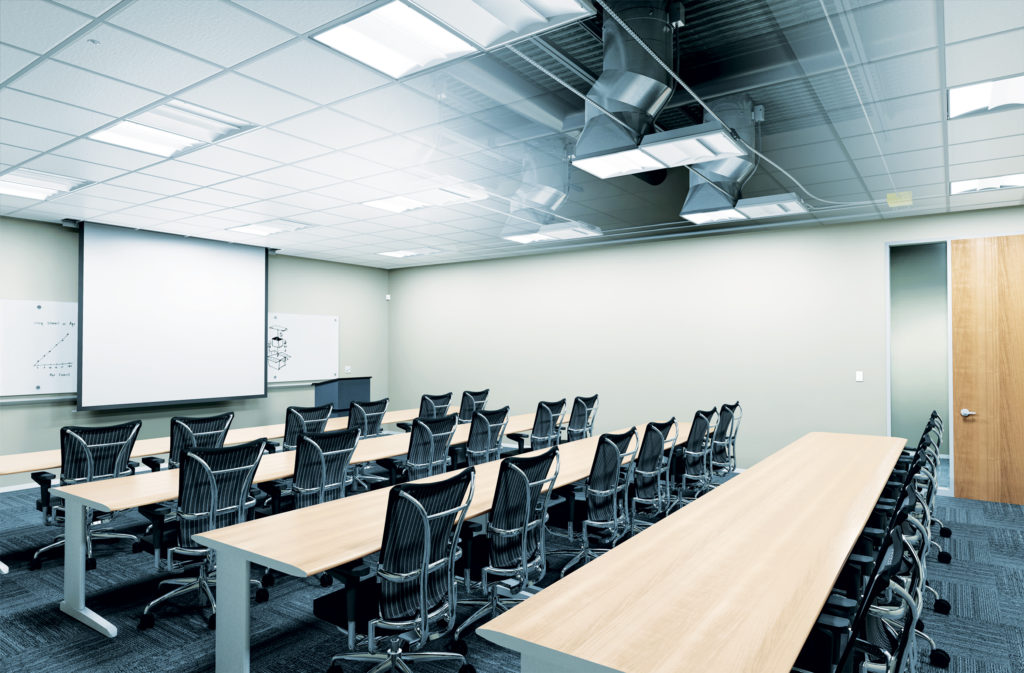
Daylight harvesting systems (DHS) save the most energy by integrating natural light with artificial lighting systems. DHS has an energy-saving potential of 20–60% as compared to non-dimmed conventional systems. DHS uses sensors to detect the level of illumination in natural light and automatically adjust artificial lighting accordingly. In terms of comfort and energy efficiency, DHS attempts to provide a view of the outdoors as well as illumination that requires less electric lighting while avoiding glare. During the winter, DHS aims to achieve this without producing excessive solar heat gain through direct sunlight penetration.
Constant Illuminance Control Strategy
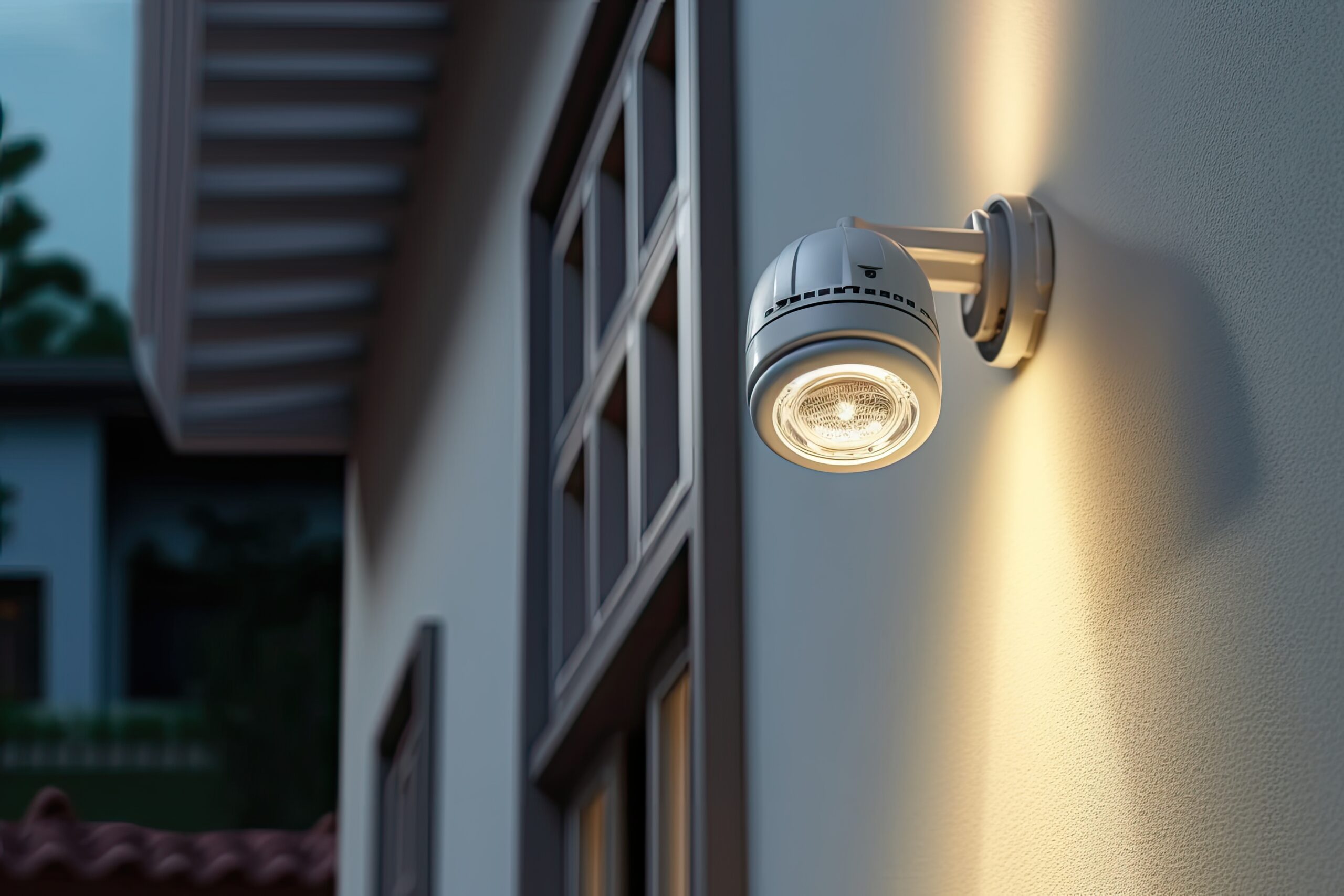
The Constant Illuminance Control Strategy (CICS) takes into account the age of the lighting system in the room. The continuous illuminance control technology uses a photocell to assess the illumination level in an area and anticipates its degeneration (ageing). The system’s automatically reduces the lumen output of the light sources, if the light level is too high. If the light level becomes too low, the controller increases the lumen output of the light sources. The system results in less energy consumption while maintaining uniform and consistent lighting levels.
Predicted Occupancy Control Strategy
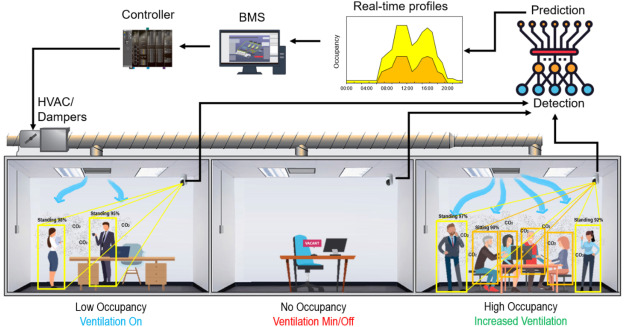
The Predicted Occupancy Control Strategy (POCS) is used to control the lighting system’s operating hours. It saves energy by turning lights on and off based on a predetermined daily schedule, which frequently alters according to building occupancy. The systems assist building operators in avoiding leaving lights on during unoccupied hours, notably at night and on weekends, by automatically turning them off at a predetermined time. Different schedules can be developed for different areas of the building based on resident needs.
Real Occupancy Control Strategy
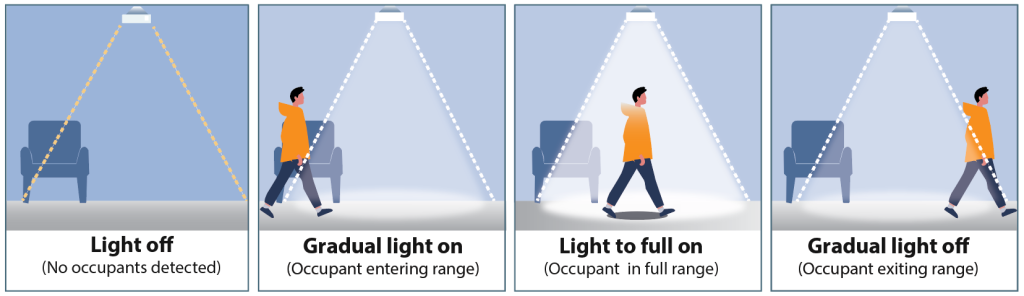
The Real Occupancy Control Strategy (ROCS) adjusts the lighting system’s operation time based on space occupancy. In contrast to occupancy control, it does not adhere to a predetermined schedule. The technology detects when the room is occupied and being used and it automatically activates the lights. If the system senses no activity in the room, it considers it unoccupied and turns the lights off to save electricity. ROCS has a savings potential of 20 to 50%. ROCS are most useful in cases where occupancy does not follow a set schedule and is unpredictable.
Energy Efficient Fixtures
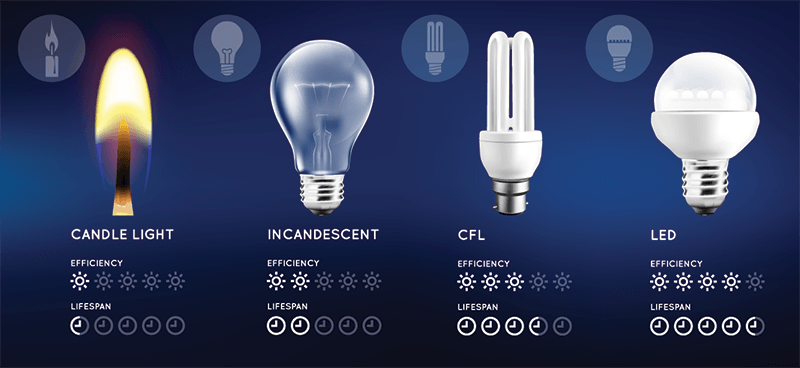
As the focus on lowering CO2 emissions develops, so does the emphasis on increasing the efficiency of energy-consuming and related fixtures. This is accomplished by establishing minimum product efficiency standards through law and Energy Star certification. Energy-efficient fixtures provide excellent performance while reducing energy use. Improving individual lighting products is not the only way to achieve energy-efficient lighting usage. It can be used to increase market efficiency across a wide range of items and promote the rapid adoption of more efficient technology.
Task Lighting
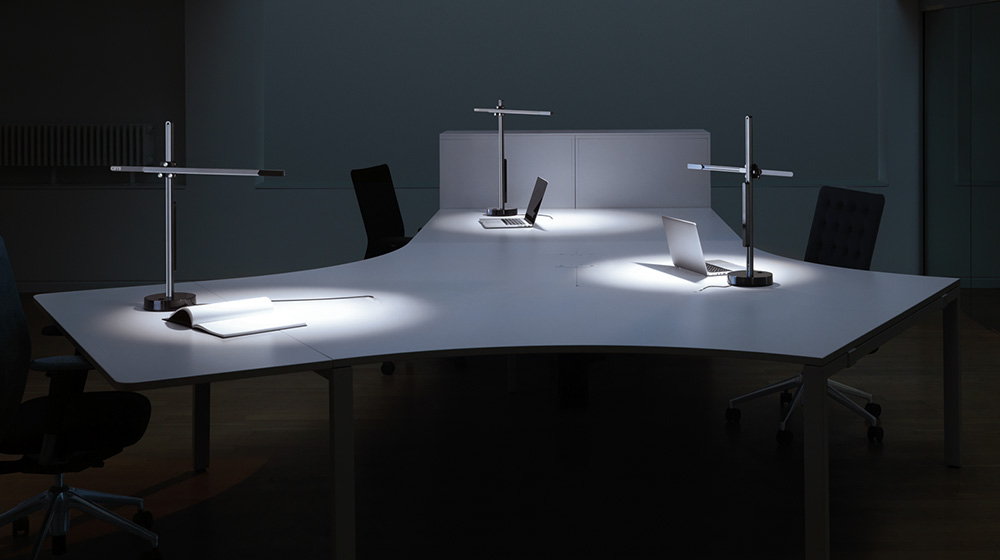
Task lighting provides the appropriate light intensity for a specified work area where various processes (activities) must be completed, reducing the need for overhead lighting and saving energy and money. Task lighting is a popular method for providing light above ambient levels on office desks, countertops, and other work surfaces. Customers can save up to 50% on their energy bills by promoting and spreading the use of appropriate task lighting. To achieve energy savings, task lighting must be combined with lower ambient (overhead) illumination.
