


Architecture doesn’t just contain life, it scripts it. As Winston Churchill observed, “We shape our buildings, and afterwards our buildings shape us.” From the flowing spaces of Le Corbusier’s Villa Savoye, a modernist “machine for living,” to Frank Lloyd Wright’s Fallingwater, which fuses home and landscape, architectural masterpieces have redefined our relationship with space, society, and nature. Good design can elevate our health, inspire creativity, and foster community, sunlit hospital rooms speed recovery, walkable neighborhoods encourage connection, and carefully crafted interiors nurture well-being. Architecture tells stories, sparks emotion, and quietly directs the choreography of daily life.
Across history, visionary projects have reshaped cities and imaginations. Mies van der Rohe’s Barcelona Pavilion distilled architecture into pure experience, while New York’s High Line transformed a disused railway into a communal park that revitalized an entire district. The Pompidou Centre turned a museum inside out, creating a new civic square for Paris. Today, climate-conscious buildings, collaborative workspaces, and adaptive public spaces show how design responds to shifting cultural and environmental needs. The twenty works that follow are milestones in this evolving dialogue, examples of how architecture, at its best, doesn’t simply shelter us, but reframes the way we inhabit the world.
Here are 20 Examples of Buildings That Have Changed the Way We Live:
1. Parthenon, Athens

Architect: Ictinus and Callicrates
Completed: 447 – 432 BCE
The Parthenon, built in the 5th century BCE, is an ancient Greek temple on the Acropolis of Athens, stands as a timeless symbol of classical Greek brilliance. Its precise proportions, balance, and spatial harmony became the foundation for classical architecture, having a lasting influence on architecture for centuries. For over two millennia, architects have drawn inspiration from its Doric order, refined detailing, symmetry, precision, and human-centered design, echoing its influence in everything from grand civic buildings to modern masterpieces. Even today, the Parthenon remains a beacon of timeless elegance and architectural perfection.
2. Pantheon, Rome
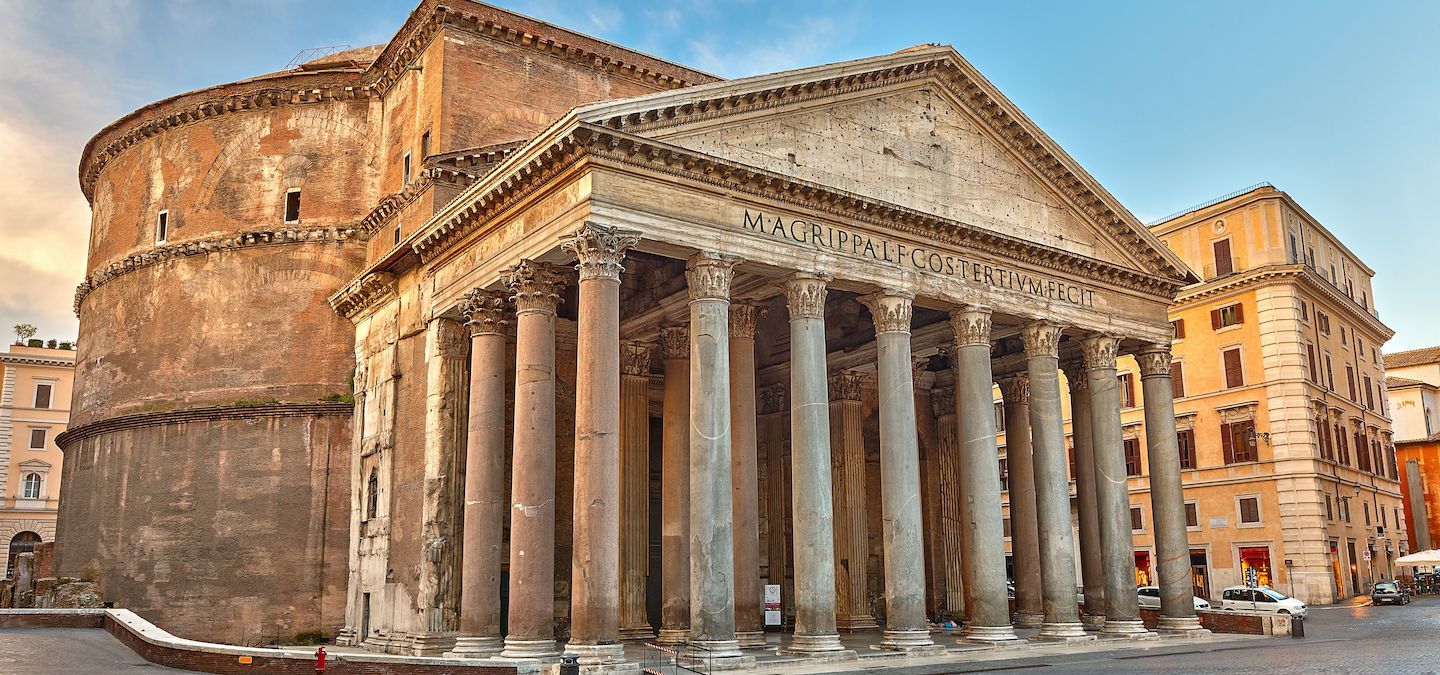
Architect: Apollodorus of Damascus
Completed: c 125CE
The Pantheon, situated in Rome, was completed under Emperor Hadrian and is celebrated as one of the greatest achievements of ancient Roman Architecture and engineering. The architecture amidst the maze of narrow streets stands as one of the renowned buildings, built at the height of the Roman Empire’s power and wealth. It has been studied as an example through generations for its vast, unique concrete dome, which is an engineering marvel by today’s standards.
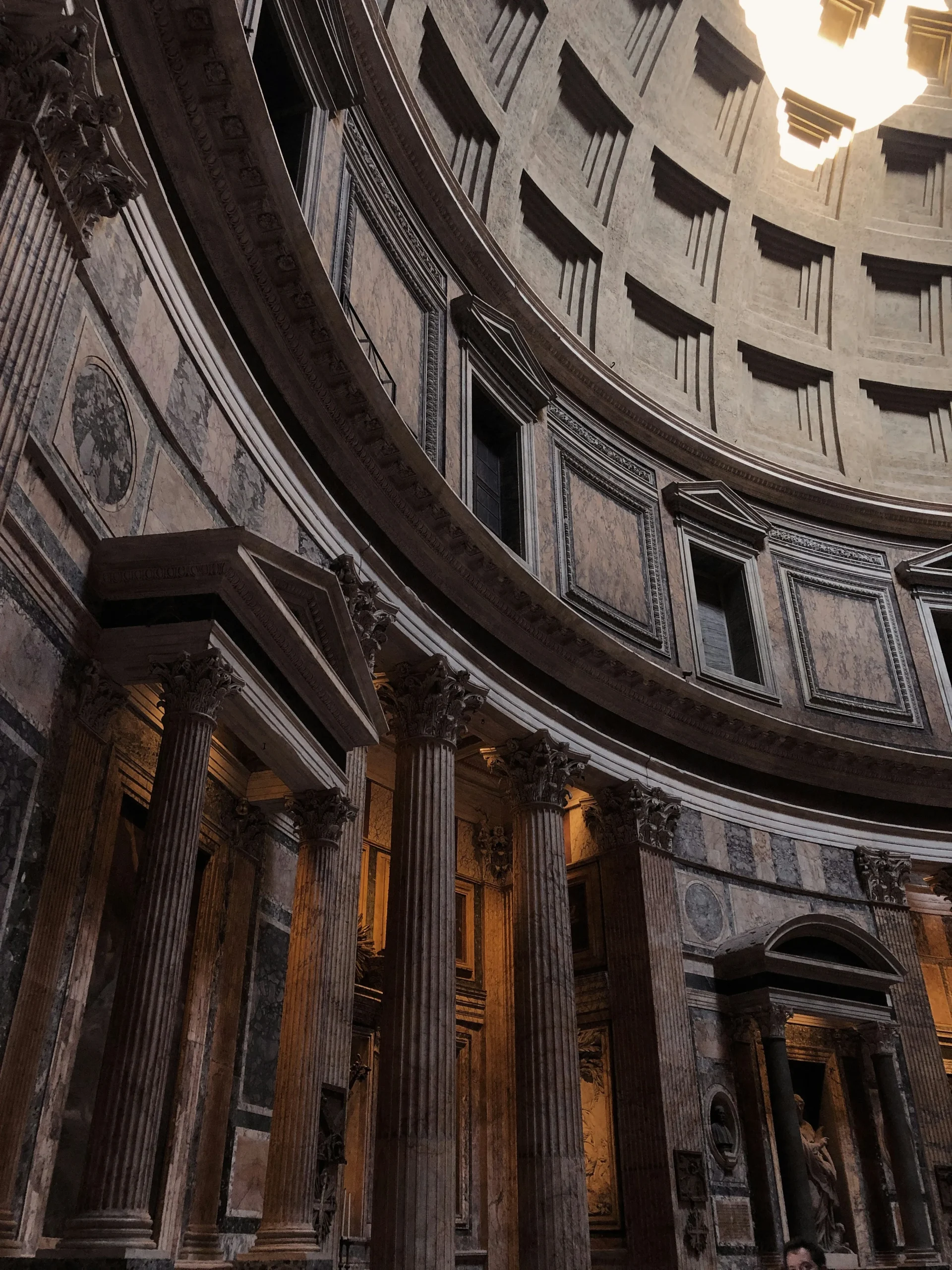
A dynamic central oculus designed to open to the sky, a source of natural lighting, creating a dynamic light and shadow play, designed distinctly and advanced by the Romans during their time. The oculus, helping reduce the load of the dome, showcases the Romans’ advanced understanding of the engineering of distribution and load-bearing design. The Pantheon’s perfect harmony of geometry, combining a circular rotunda with a rectangular portico, redefined architecture and influenced countless architects in engineering and design throughout history.
3. Hagia Sophia, Istanbul
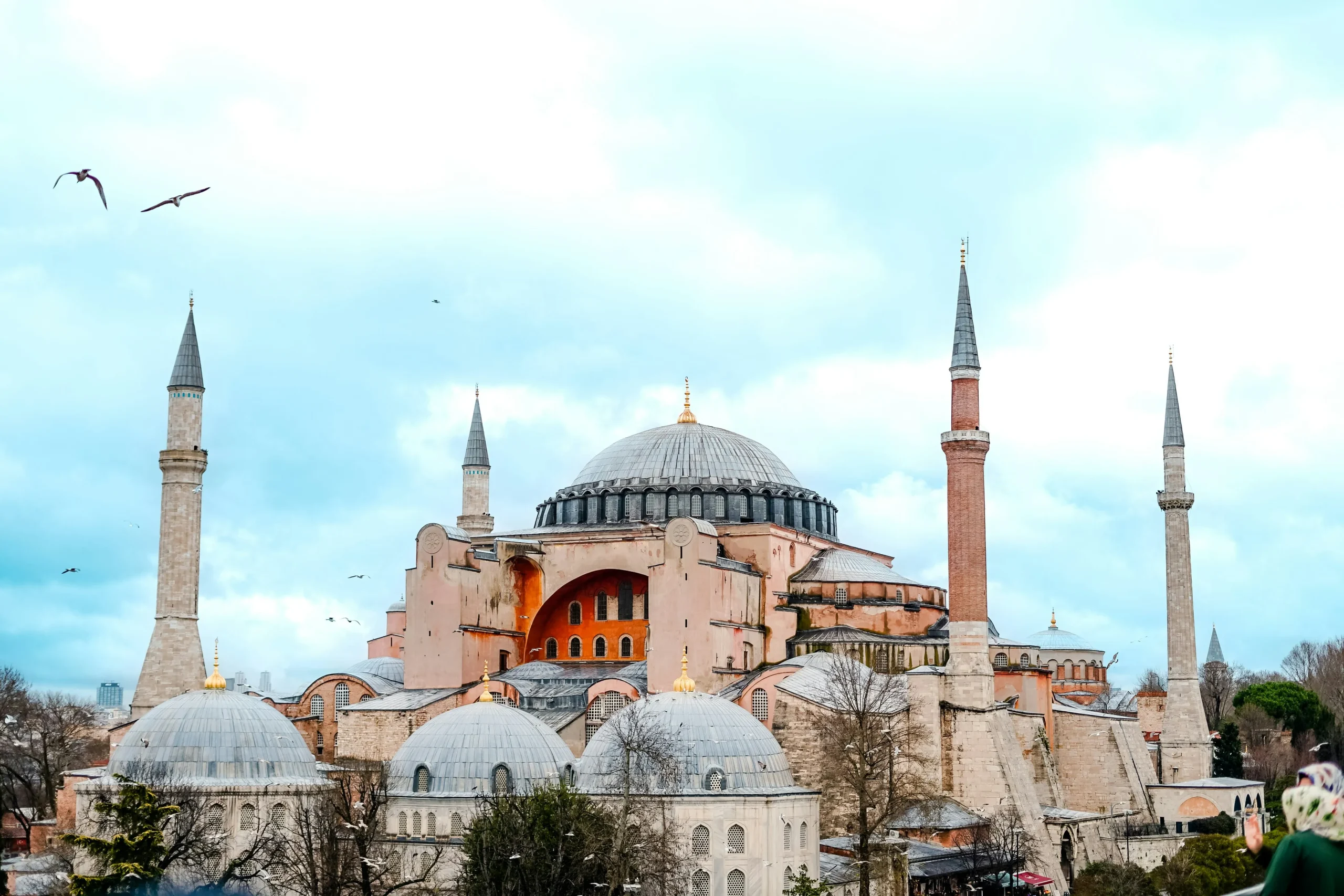
Architects: Anthemius of Tralles and Isidore of Miletus
Completed: AD 537
The Hagia Sophia Grand Mosque, situated in Istanbul, is one of the most beautiful architectural landmarks in the world. The mosque’s architecture is a vision of Byzantine architecture yet deeply rooted in Roman architectural traditions, inspired by basilicas, public forums, and monumental engineering. It was built under the direction of the Emperor Justinian I, symbolizing the might and faith of the Byzantine Empire. The design of the mosque was pioneering at the time, aiming to establish a monumental spiritual space that represents heaven on earth.
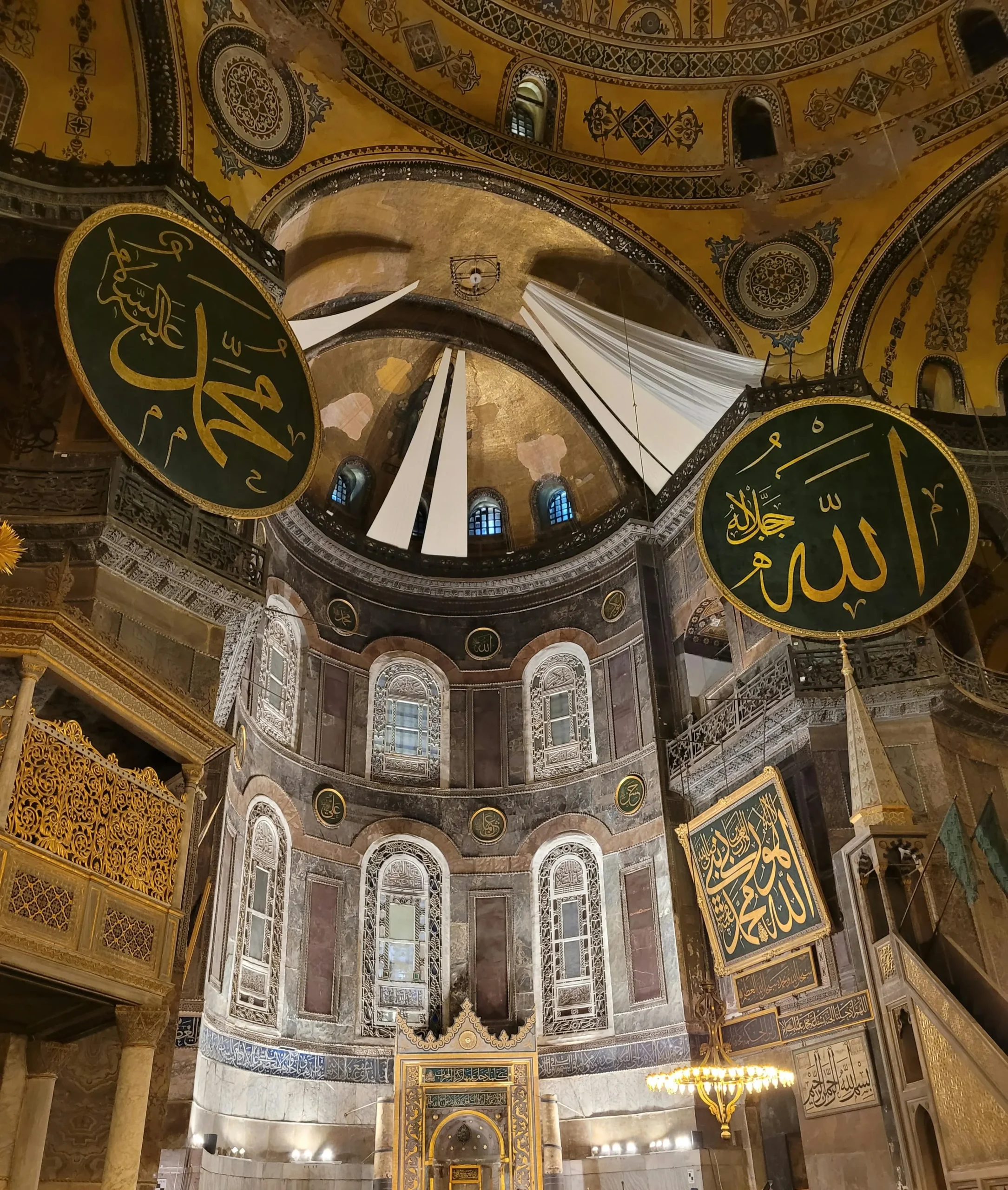
Hagia Sophia is one of the versatile and exceptional examples that showcase and inspire adaptable spaces, as the mosque has undergone multiple transformations in terms of culture, religion, and political evolution. One of the most important landmarks of the Byzantine architectural era, characterized by its more fluid and dynamic sense, yet designed with a complex structural feat, featuring an impressive engineering dome spanning 102 feet and reaching 180 feet high, as well as intricate and rich interiors.
4. Notre Dame Cathedral, France
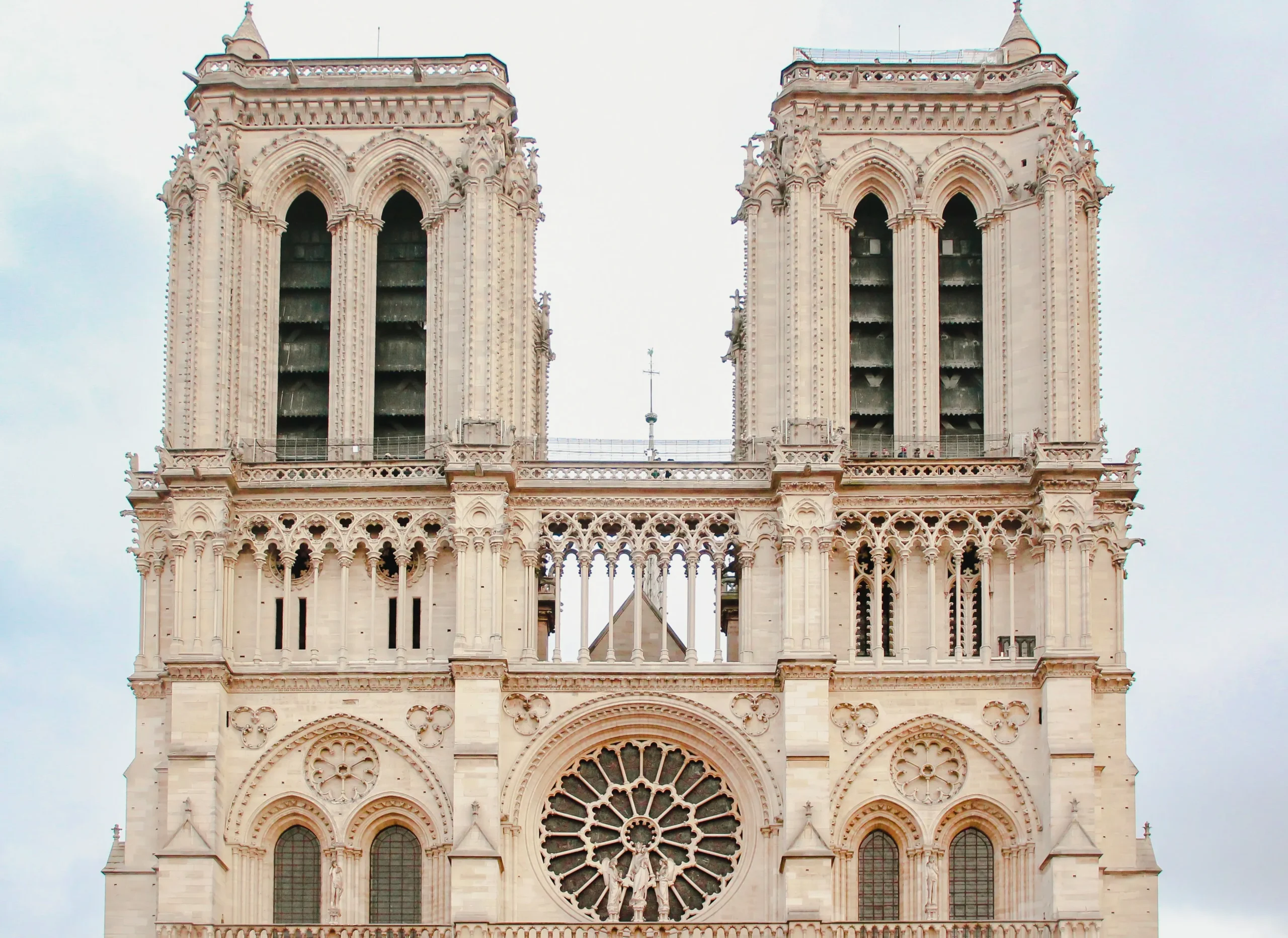
Architects: Jean de Chelles and Pierre de Montreuil
Eugene Viollet-le-Duc (Restoration in the 19th century)
Completed: AD 1163 – 1345
The Notre-Dame Cathedral in Paris, a timeless masterpiece of Gothic Architecture, continues to inspire generations with its soaring spires, intricate façade, and radiant interiors. The distinctive architecture reflects the medieval quest for perfection in design and engineering; it stands as a testament to human creativity and architectural brilliance.
It was an ingenious engineering technique at the time, showcasing flying buttresses that support lofty walls and vast stained-glass windows. The cathedral’s three magnificent rose windows, vivid with biblical scenes, remain among the greatest architectural treasures of Christian art. Even after centuries, Notre-Dame endures as a living symbol of faith, resilience, and the enduring beauty of craftsmanship.
5. Alhambra, Spain
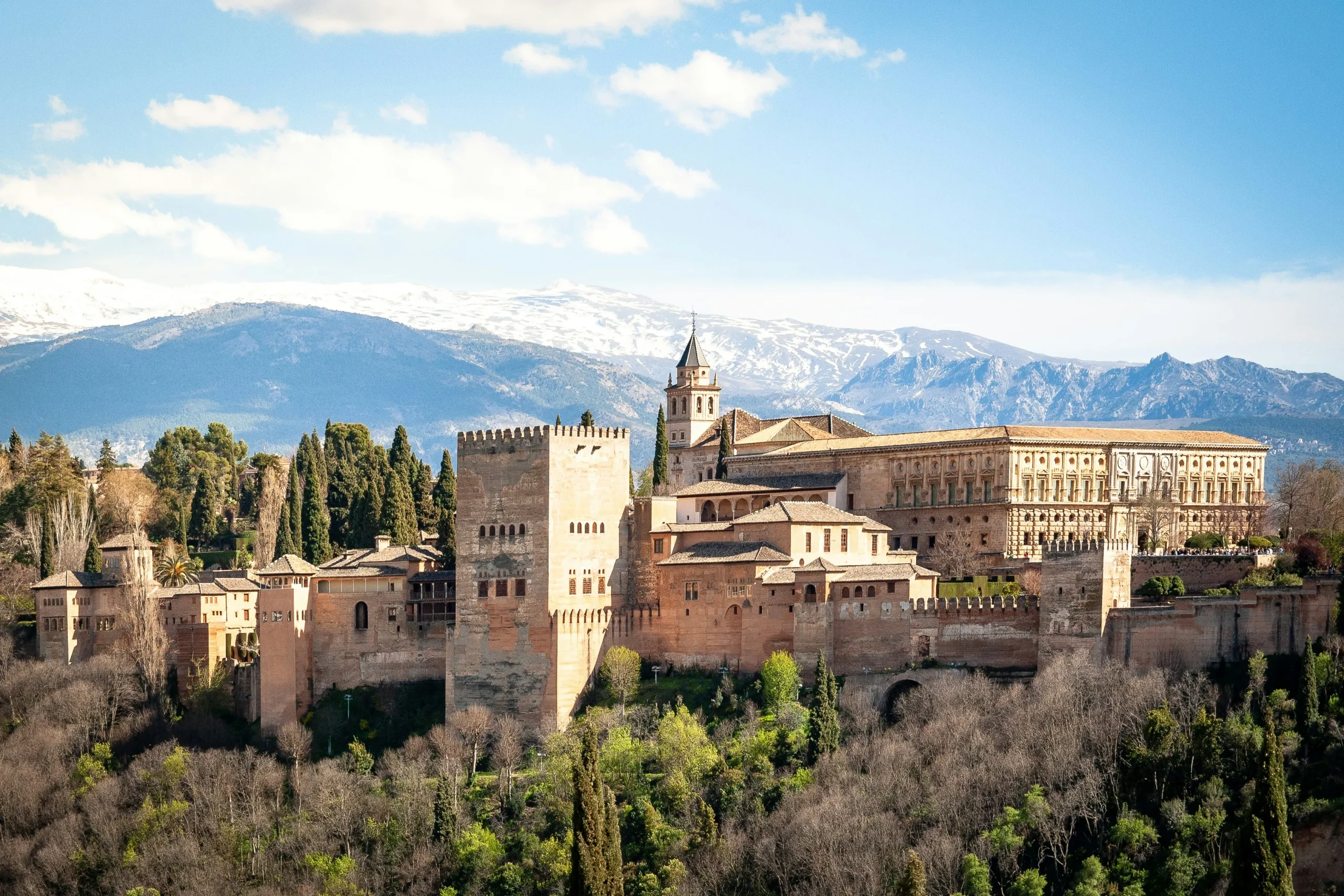
Architect: Single Architect – Not Known
Completed: 13th – 14th centuries
The Alhambra, the majestic palace city of Granada, Spain, stands as one of Europe’s most celebrated architectural marvels, built under the reign of the Nasrid dynasty’s most renowned king. Perched atop Sabika Hill, it occupies a strategic position in the city, a fitting vantage point of the city for its fortified elegance. A masterpiece of Islamic architecture and a UNESCO World Heritage Site, the Alhambra mesmerizes with its poetic interplay of geometry, light, and ornamentation.
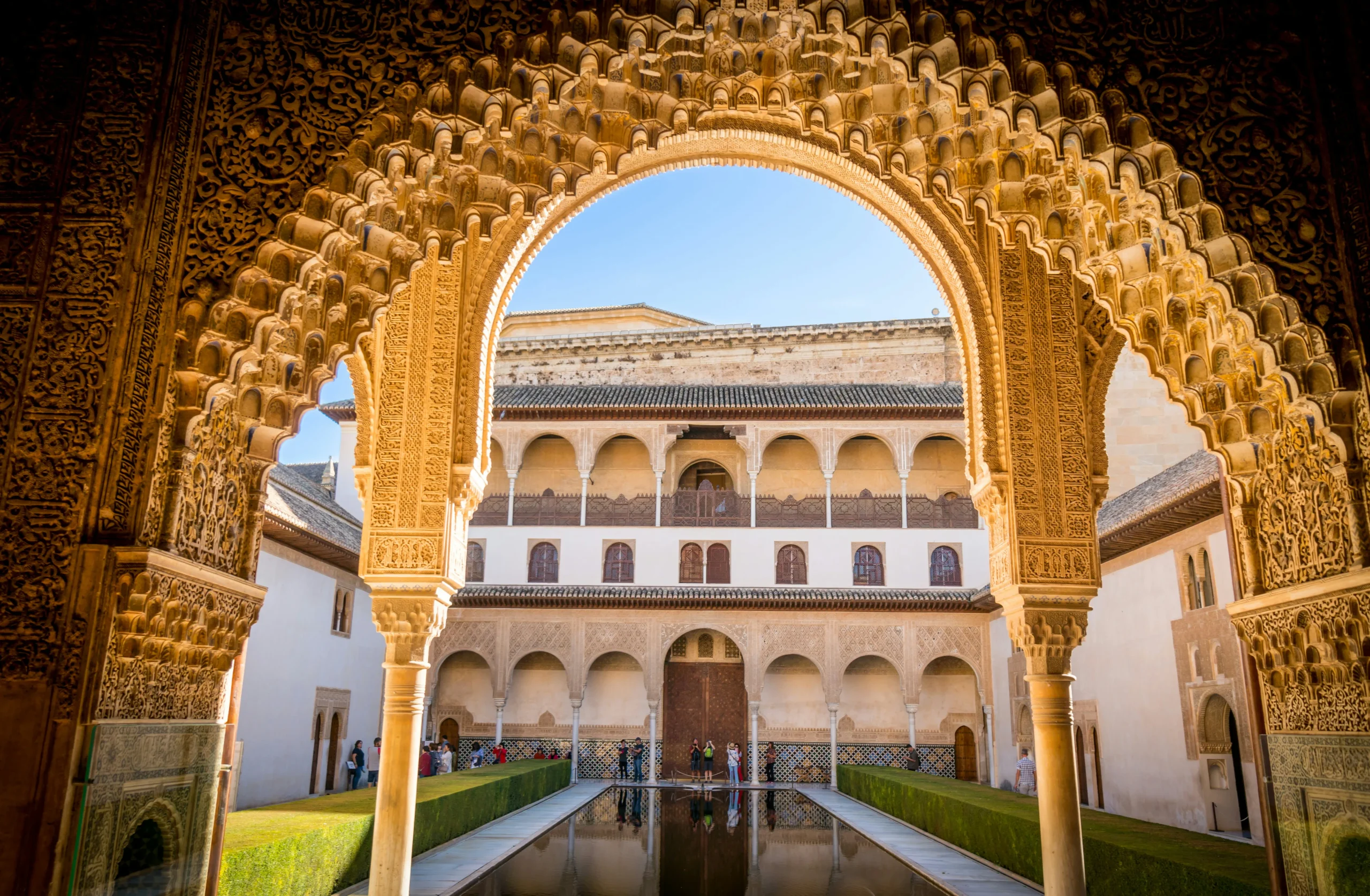
Its serene courtyards, flowing fountains, and lush gardens create a rhythm of open and enclosed spaces that embody the essence of Moorish design. Unique to its architecture, not seen anywhere else, is the slender column system with concave bases and delicately ringed shafts, a feature found nowhere else, and its timeless balance, symmetry, and craftsmanship continue to inspire architects worldwide.
6. Taj Mahal, India
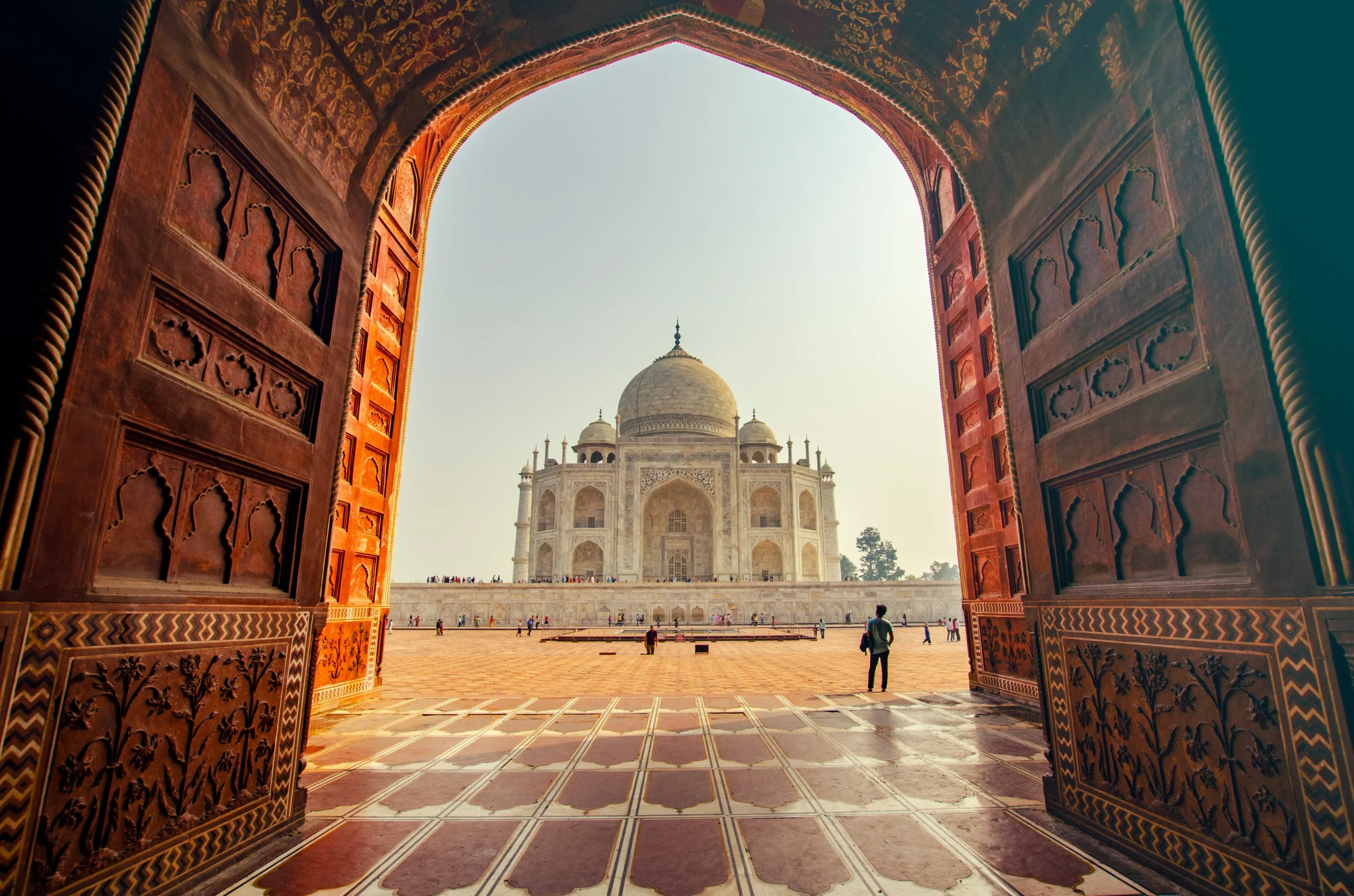
Architect: Ustad Isa (Ismail Afandi) – Cited Architect
Completed: AD 1632 – 1653
The Taj Mahal, one of the world’s most celebrated architectural masterpieces, stands as a timeless symbol of love and artistic brilliance from the Mughal era. Crafted in luminous white marble, this UNESCO World Heritage Site and Wonder of the World reflects the elegance of Islamic architecture while embodying India’s rich cultural heritage, the complex comprising the grand mausoleum, a red sandstone mosque, the jawab, and the main gateway within a charmed garden overlooking the Yamuna River. Commissioned by the Mughal Emperor Shah Jahan in memory of his favorite wife, it later became his own resting place.
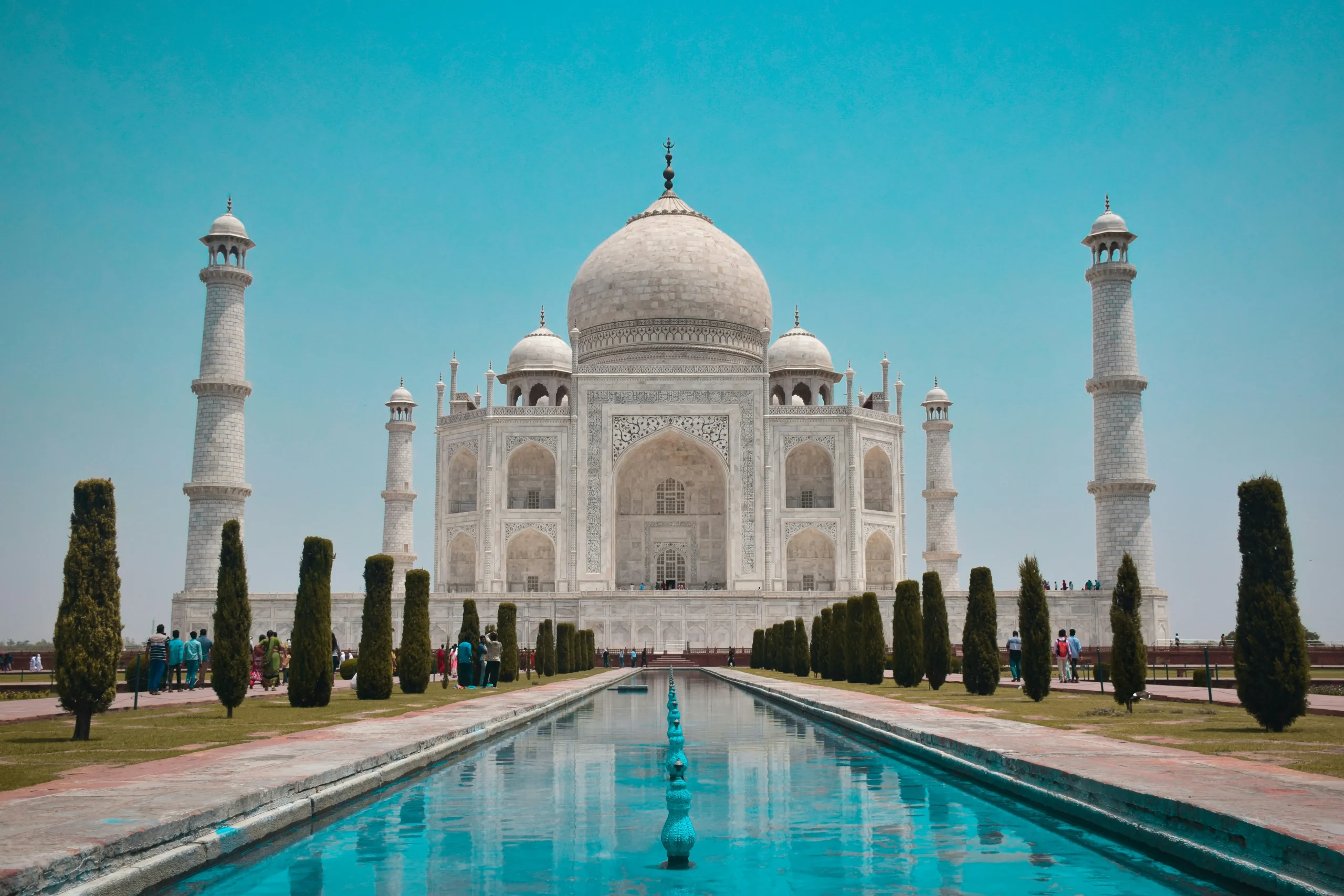
It showcases architecture that invites a new and different view of building a tomb at the riverfront, in front of the garden. Blending Persian, Islamic, and Indian architectural traditions, the Taj reimagined riverfront tombs, achieving perfect symmetry and exquisite marble detailing that harmonize with its tranquil gardens, inspiring designers and dreamers alike as a timeless reflection of human emotion and identity.
7. Palace of Versailles, France
Architects: Louis Le Vau, Jules Hardouin-Mansart, Charles Le Brun, and André Le Nôtre
Completed: AD 1661 – 1715
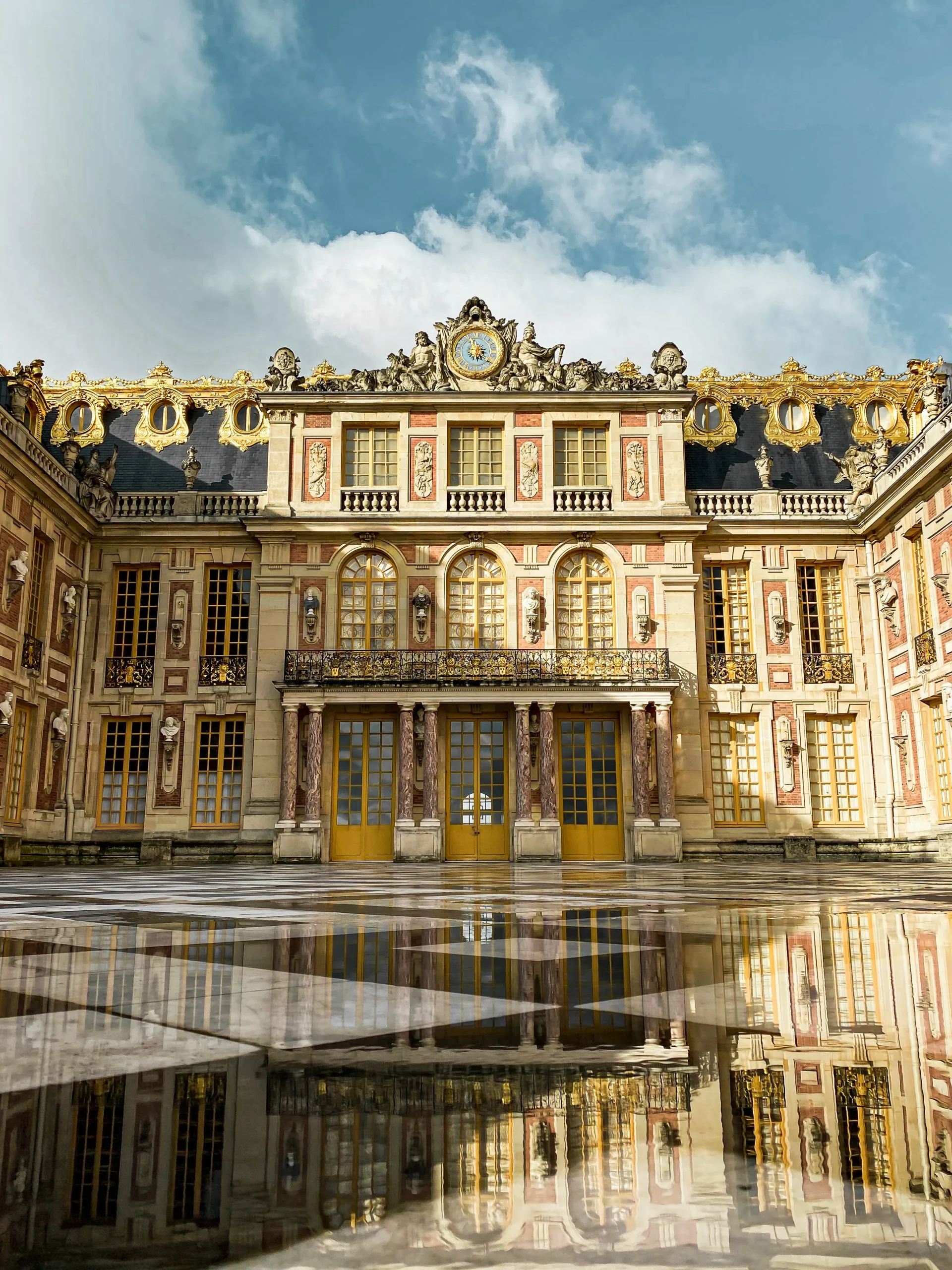
The Palace of Versailles stands as a magnificent embodiment of French Baroque architecture, built under King Louis XIV in the 17th century. More than just a royal residence, Versailles became a grand statement of culture, power, and refinement that continues to inspire architects and designers today.
Today it sets new benchmarks for luxury and spatial hierarchy, reflecting the ideals of absolute monarchy. Recognized as a UNESCO World Heritage Site, Versailles remains a timeless symbol of elegance and order, its design principles shaping European cities and palatial architecture for centuries.
8. Bauhaus Building, Germany
Architect: Walter Gropius
Completed: AD 1926
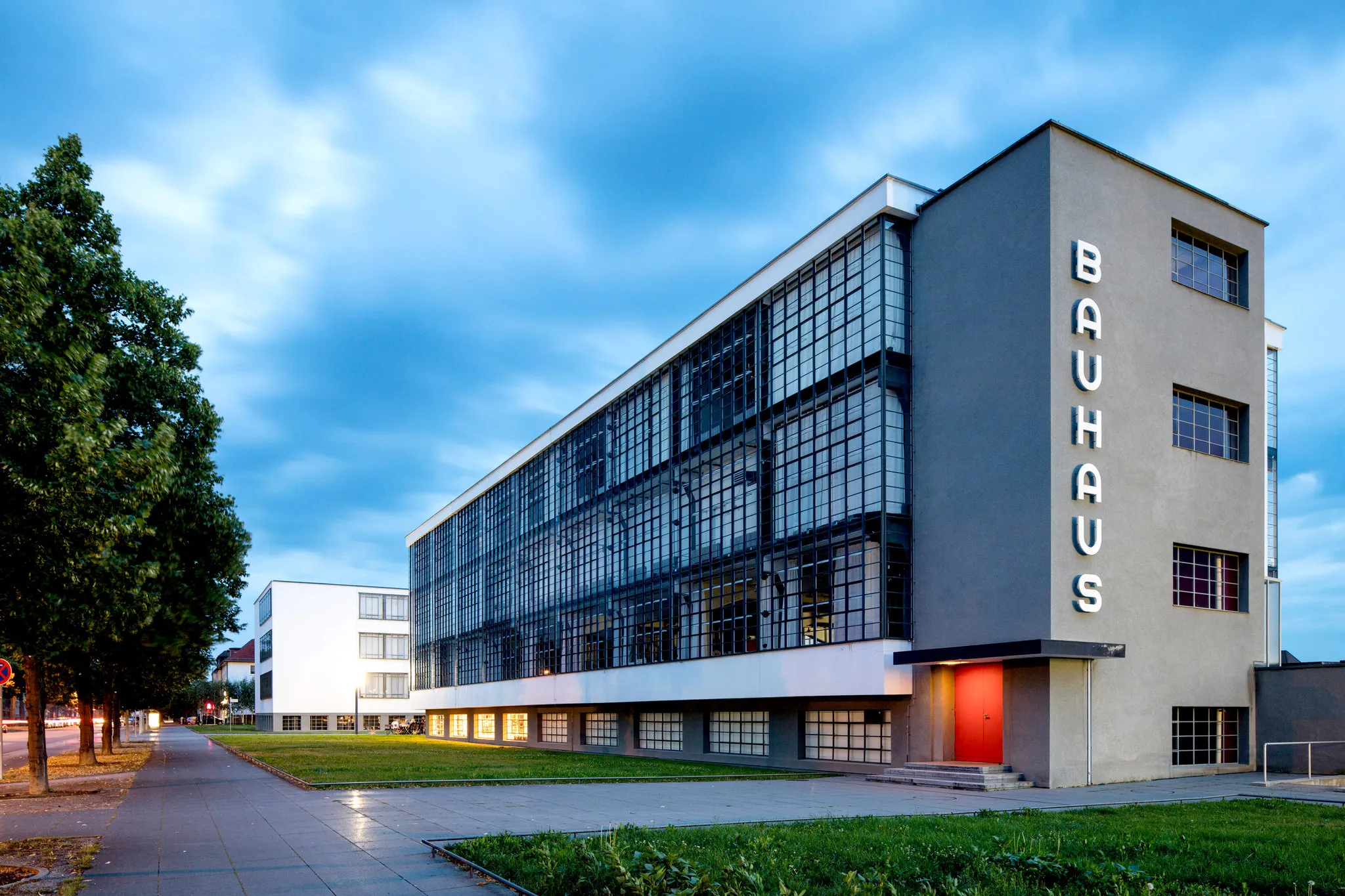
The Bauhaus Building stands as an iconic symbol of modern architecture, embodying simplicity, functionality, and minimalism. Founded in 1919 by German architect Walter Gropius, the Bauhaus school revolutionized design by uniting art, craft, and technology to meet the needs of a changing world. Bauhaus’s designs have heavily influenced our contemporary society in obvious and subtle ways.
Emerging after World War I, its architectural style emphasized geometric forms, clean lines, flat roofs, and open floor plans, rejecting ornamentation to focus on practicality and functionality. With its seamless use of steel, glass, and concrete, Bauhaus architecture reshaped the way we build and think, leaving a legacy that continues to define modern design.
9. Villa Savoye, France
Architect: Le Corbusier
Completed: AD 1931
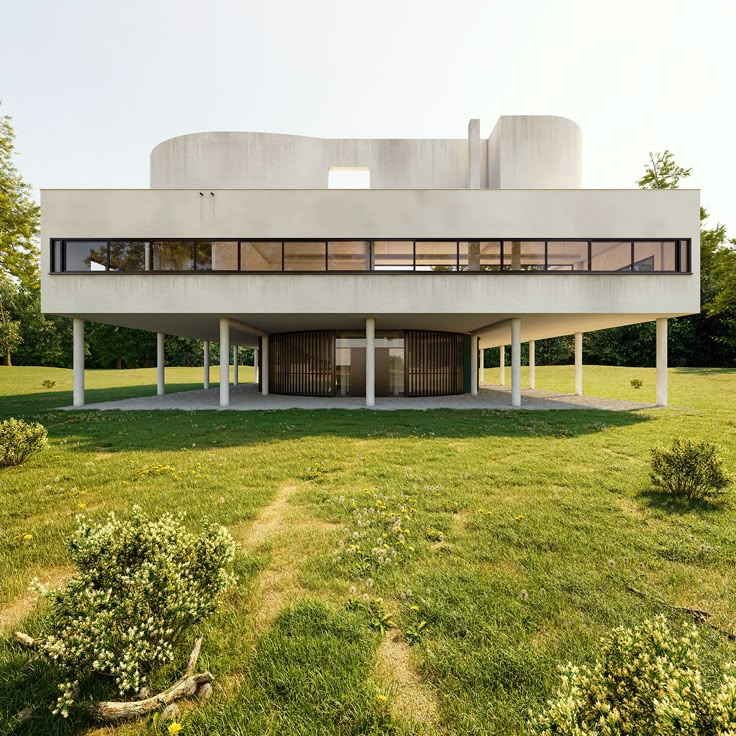
Villa Savoye, designed by the visionary Le Corbusier and completed in 1931, stands as a timeless icon of Modernist architecture. This sleek white geometric form, gracefully supported on slender concrete pilotis, redefined residential design by blending functionality with an elegant and modern take on the French country house.
Embodying Le Corbusier’s renowned ‘Five Points of Architecture’, Pilotis, Flat roof terrace, Open plan, Ribbon windows, and Free façade, the villa became the standard for Modern and International Style. Its clean lines and form, innovative use of materials, and machine-inspired precision transformed modern living and cemented Le Corbusier’s legacy as a pioneer of design for generations.
10. Fallingwater, United States
Architect: Frank Lloyd Wright
Completed: AD 1939
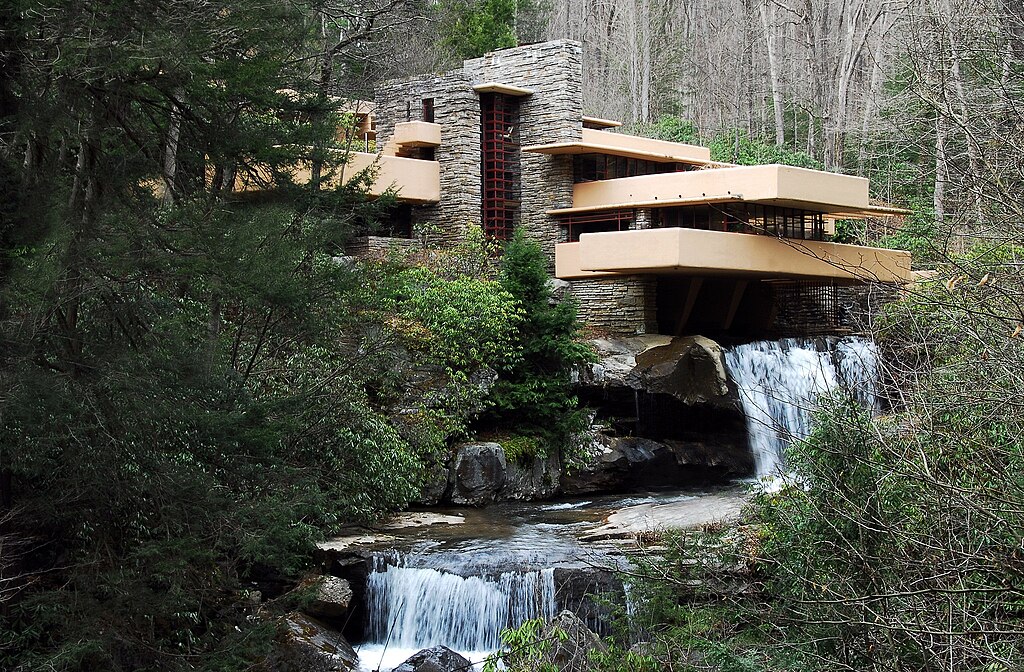
Frank Lloyd Wright’s Fallingwater is an iconic masterpiece that seamlessly fuses architecture with nature, sitting gracefully above a flowing stream in Pennsylvania’s Bear Run Reserve. The villa is a sculptural art sitting amidst the Mill Run in the Bear Run Nature Reserve upon a flowing stream. Designed in 1935 as a weekend retreat for the Kaufmann family, the home redefines the bond between man, architecture, and the natural world.
Perched dramatically over a waterfall, its sculptural form of cantilevered concrete terraces and locally sourced sandstone blends effortlessly with its surroundings. Centered around a fireplace, the heart that anchors the interior, every space opens to the landscapes with terraces extending over the water and steps leading directly into the stream, making Fallingwater a timeless symbol of organic harmony in design.
11. Seagram Building, United States
Architects: Mies van der Rohe and Philip Johnson
Completed: AD 1958
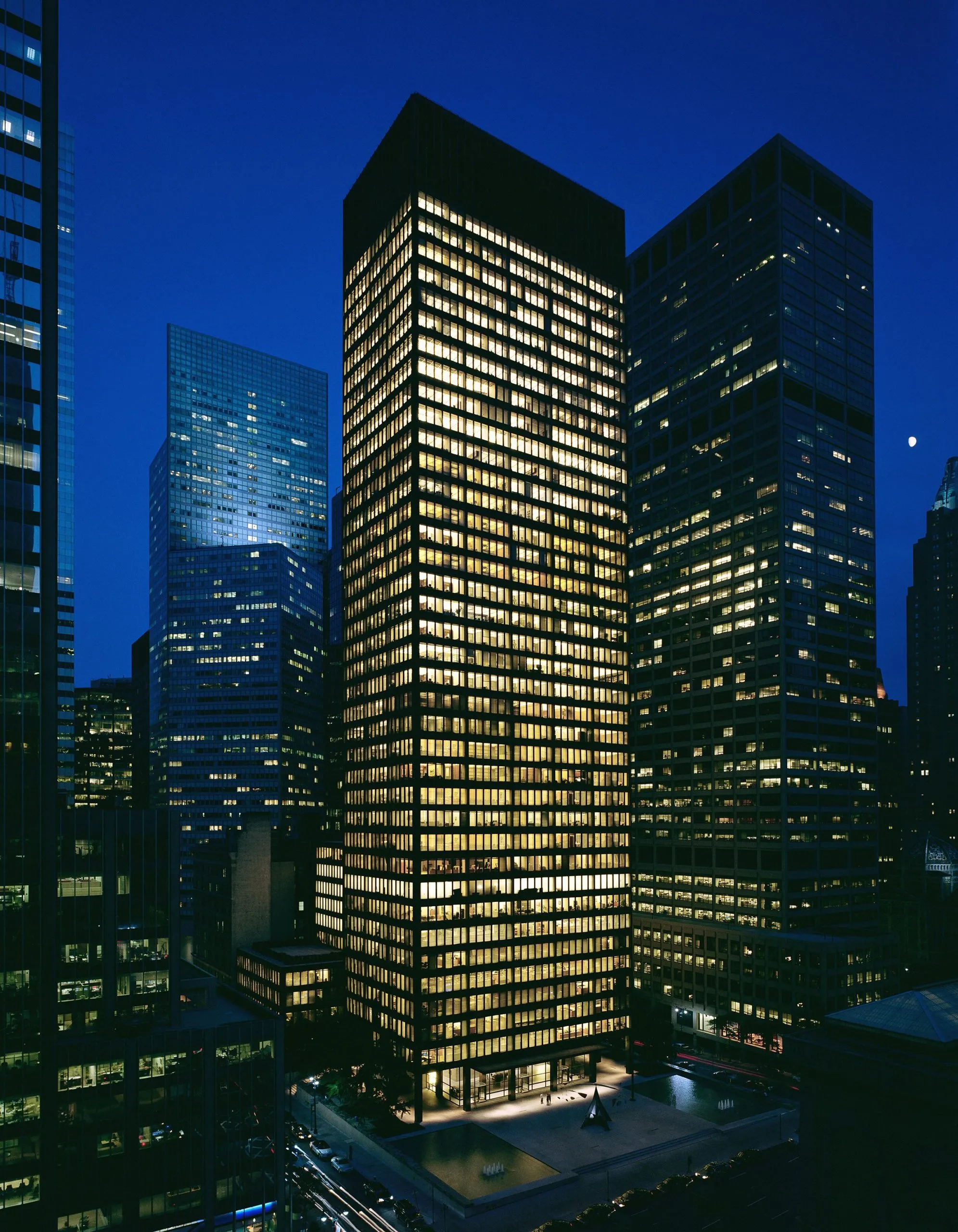
The Seagram’s building, the characteristic architectural landmark with its signature bronze-tinted glass façade, rises 515 feet above New York City as a defining icon of 20th-century modernism. Designed by Mies van der Rohe in collaboration with Philip Johnson, this sleek skyscraper redefined office architecture through its minimalist design, elegance, and structural honesty. The structure was designed by Mies van der Rohe, while the lobby and other internal spaces were designed by Philip Johnson.
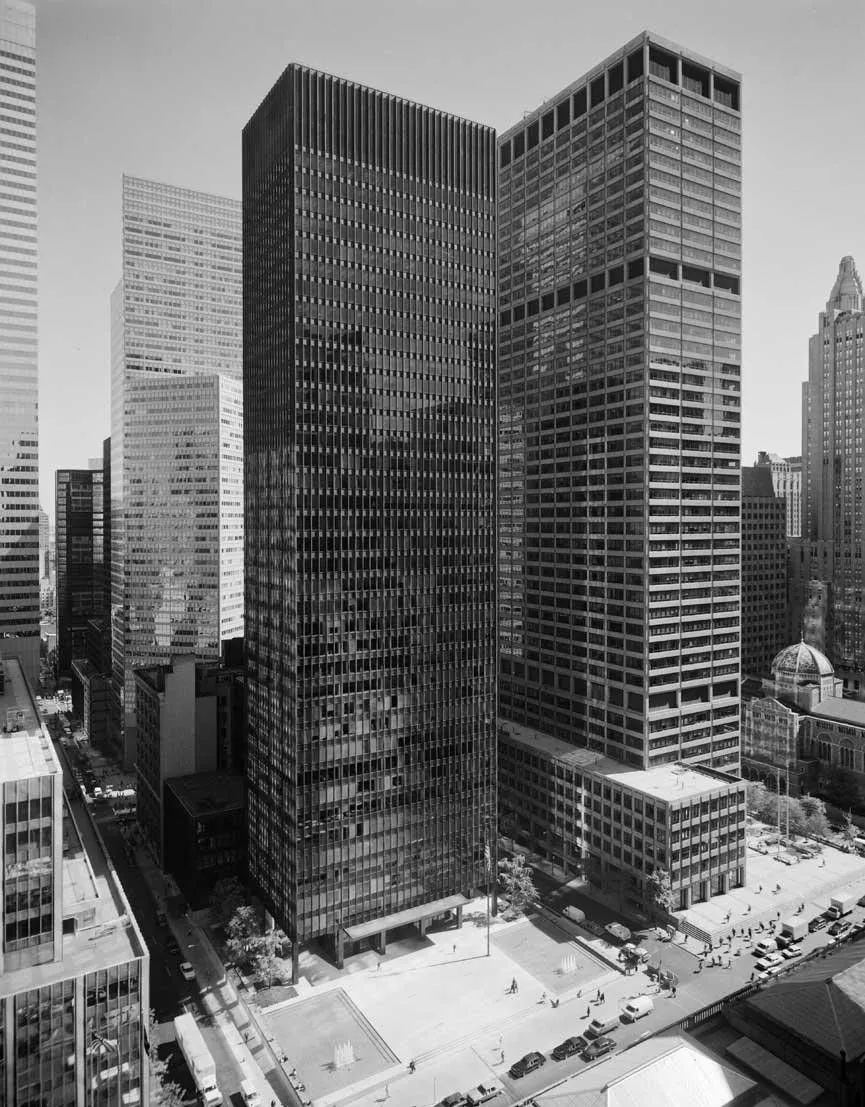
Mies’s philosophy of “Less is More” is embodied in its clean lines and exposed steel frame, where form follows function and beauty emerges from simplicity. A benchmark for modern office design, the Seagram Building continues to influence skyscraper architecture worldwide.
12. Guggenheim Museum, United States
Architect: Frank Lloyd Wright
Completed: AD 1959
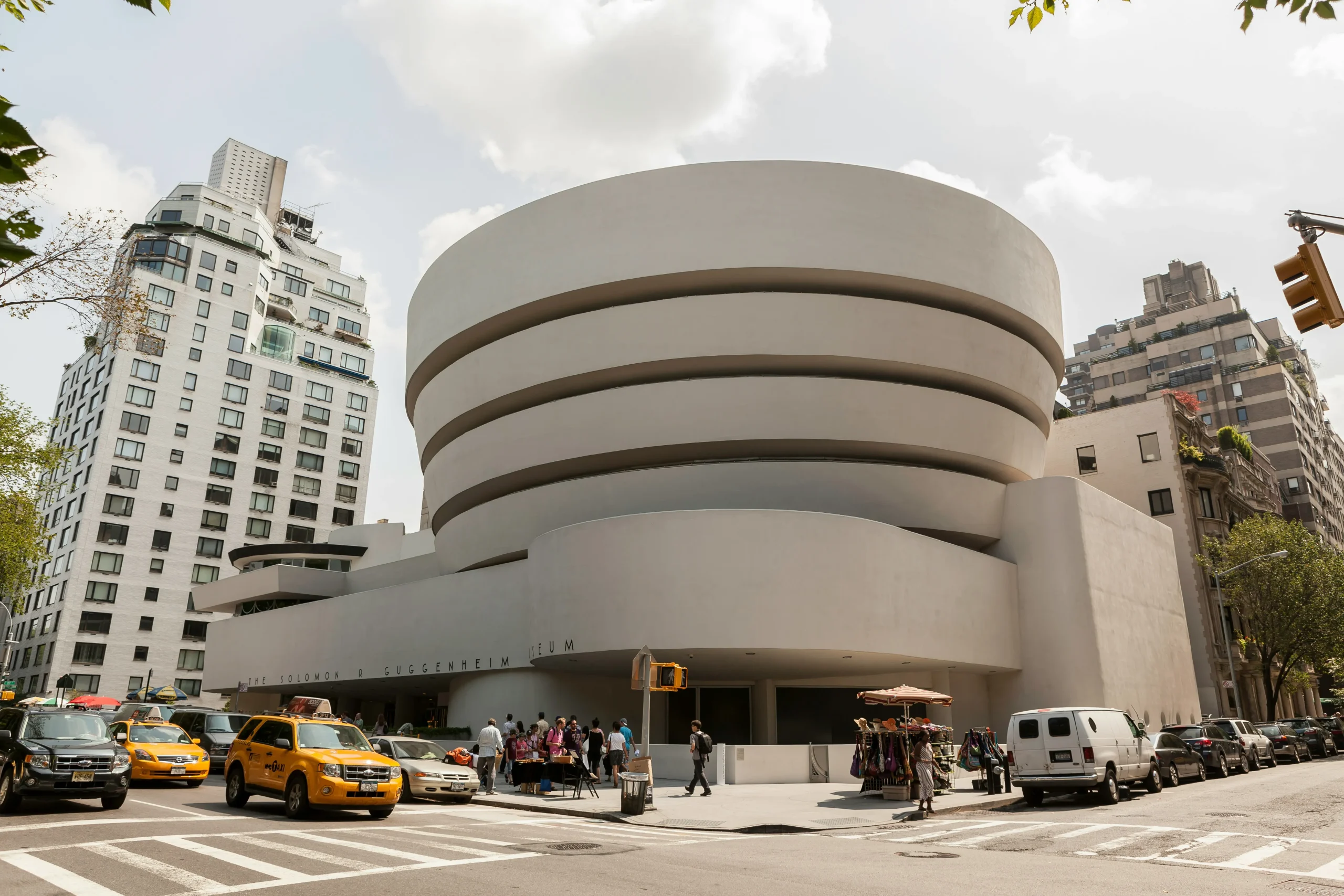
The Solomon R Guggenheim Museum, designed by Frank Lloyd Wright, is an iconic masterpiece of modern architecture, celebrated for its fluid spiral design. Wright’s experiential approach transformed architecture into a dynamic journey for visitors, with bold white concrete curves breaking away from traditional box-like museum structures. Its organic form stands in striking contrast to Manhattan’s rigid city grid, turning art viewing into an immersive experience. By seamlessly merging art, architecture, and human engagement, the Guggenheim continues to inspire designers and redefine how we inhabit and experience cultural spaces today.
13. Habitat 67, Canada
Architect: Safdie Architects
Completed: AD 1967
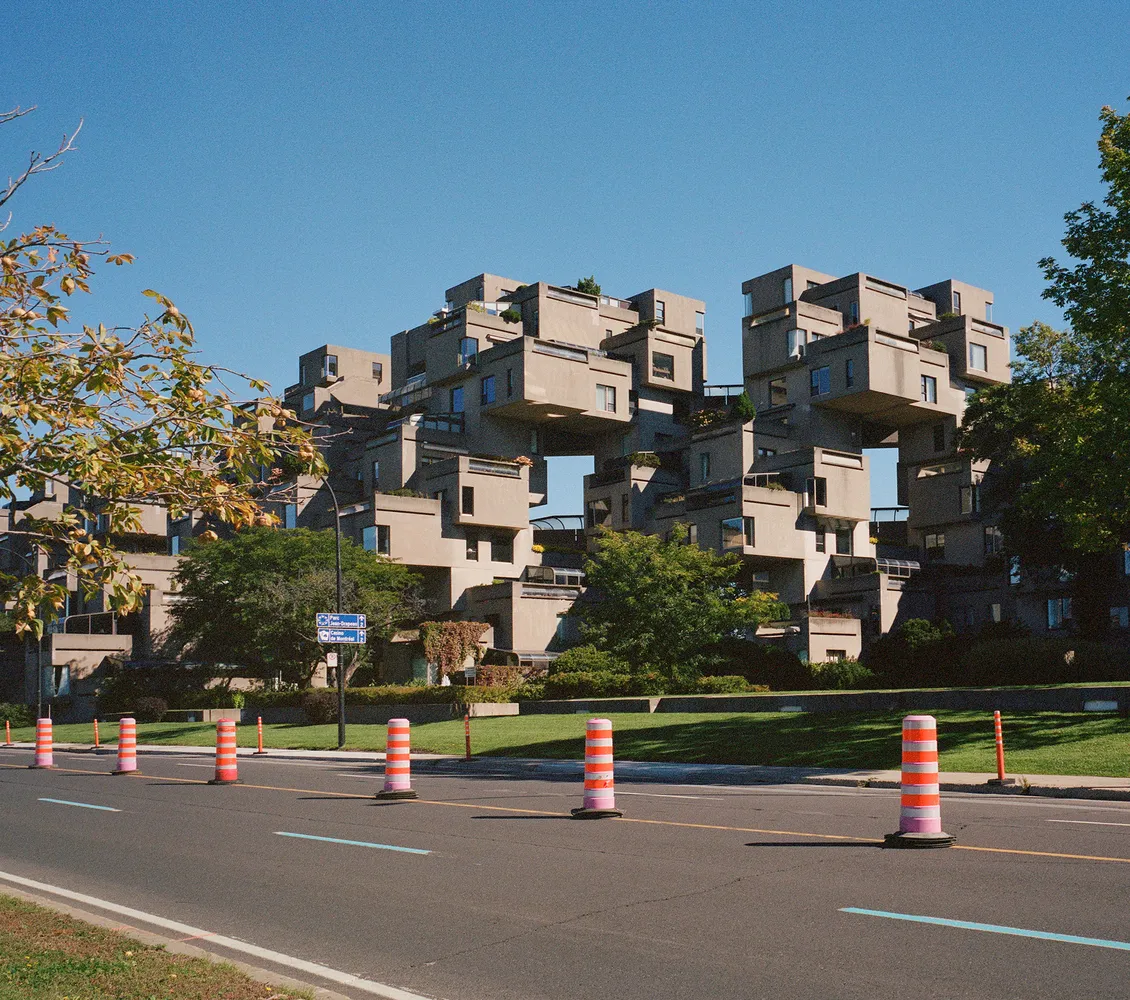
Habitat 67, designed by visionary architect and educator Moshe Safdie and completed in 1967 for Expo 67 in Montreal, redefined urban living by merging high-density apartments with the privacy of individual homes. As one of the most influential modern residential projects, it introduced a groundbreaking housing typology through prefabricated modular units that brought the comfort of suburban life into a vertical cityscape. Its sculptural stack of concrete boxes, garden terraces, and open spaces maximizes light, ventilation, and a sense of community. Blending innovation, sustainability, and human-centered design, Habitat 67 continues to inspire new ways of envisioning high-density living worldwide.
14. Sydney Opera House, Australia

Architect: Jorn Utzon
Completed: AD 1973
The Sydney Opera House, designed by Danish architect Jørn Utzon and completed in 1973, is a world-renowned icon of modern architecture rising gracefully over Sydney Harbour. Completed in 1973, it is the most expressive design, recognised for its unique interlocked shells creating an illusion of sails billowing in the wind. The UNESCO World Heritage Site is a modern architectural masterpiece that has redefined the possibilities of expressive modern architecture.
Utzon’s visionary design broke away from traditional geometry, blending engineering innovation with sculptural beauty, respecting the context. As a vibrant cultural hub, it set new benchmarks for public architecture, celebrating performance, community, and identity, forever transforming how we design and experience cultural spaces.
15. Centre Pompidou, France
Architects: Renzo Piano and Richard Rogers
Completed: AD 1977
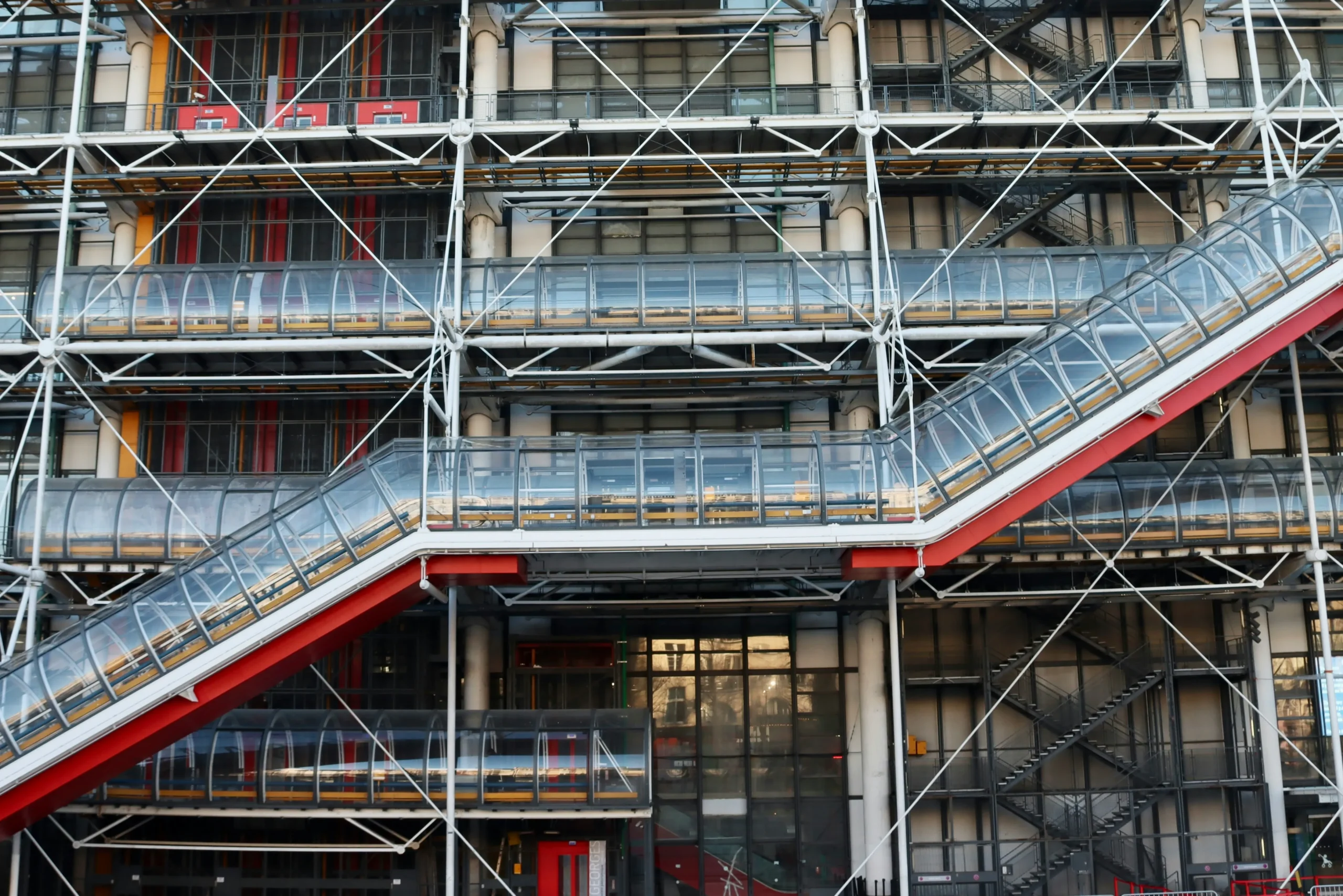
The Centre Pompidou, designed by Renzo Piano and Richard Rogers and completed in 1977 in Paris, stands as a bold symbol of high-tech innovation and creativity. Its striking “inside-out” design, with brightly coloured pipes and exposed structural elements, turned functionality into art and challenged conventional ideas of what buildings should look like. By blurring the boundaries between architecture, technology, and culture, the Pompidou transformed museums into vibrant, accessible spaces for people and ideas to connect. Its daring transparency and flexibility continue to inspire architects worldwide, redefining how we experience public and cultural spaces.
16. Guggenheim Museum Bilbao, Bilbao
Architect: Frank Gehry
Completed: AD 1997
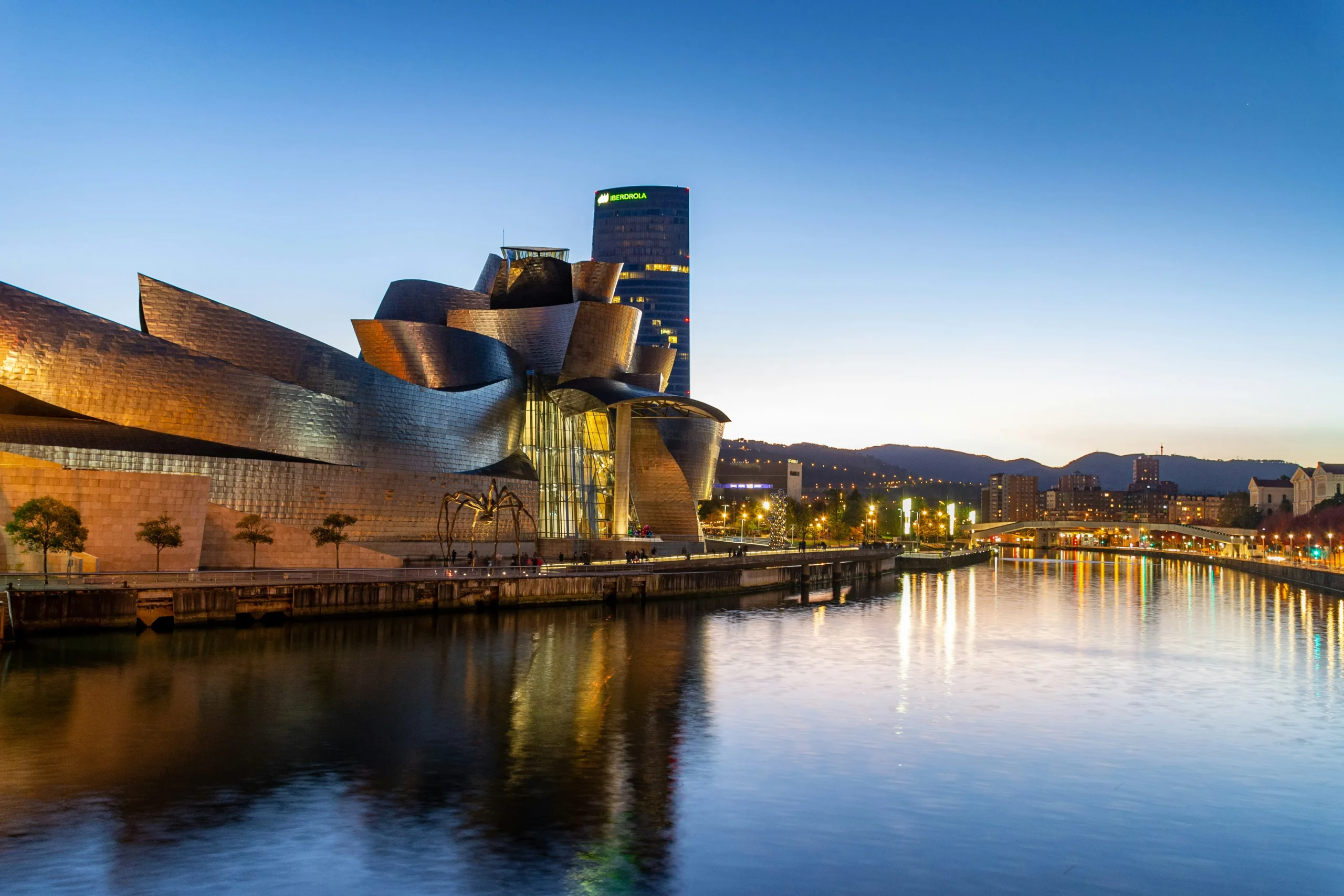
Architect Frank Gehry’s Guggenheim Museum Bilbao, completed in 1997 in Spain, stands as a groundbreaking icon of Deconstructivist architecture that redefined the relationship between art, architecture, and the city. With its flowing titanium curves, organic geometry, and seamless integration with the Nervion River, the museum transformed from a space that houses art into a sculptural masterpiece itself. Gehry’s innovative use of computer-aided design (CATIA) made its complex, fluid forms possible, marking a new digital era in architecture. Beyond its striking design, the Guggenheim ignited the “Bilbao Effect,” proving that visionary architecture can revive cities, reshape culture, and inspire how we live and experience the world.
17. The High Line, United States
Architect: James Corner Field Operations, Diller Scofidio + Renfro, Piet Oudolf (Planting Designer)
Completed: AD 2009
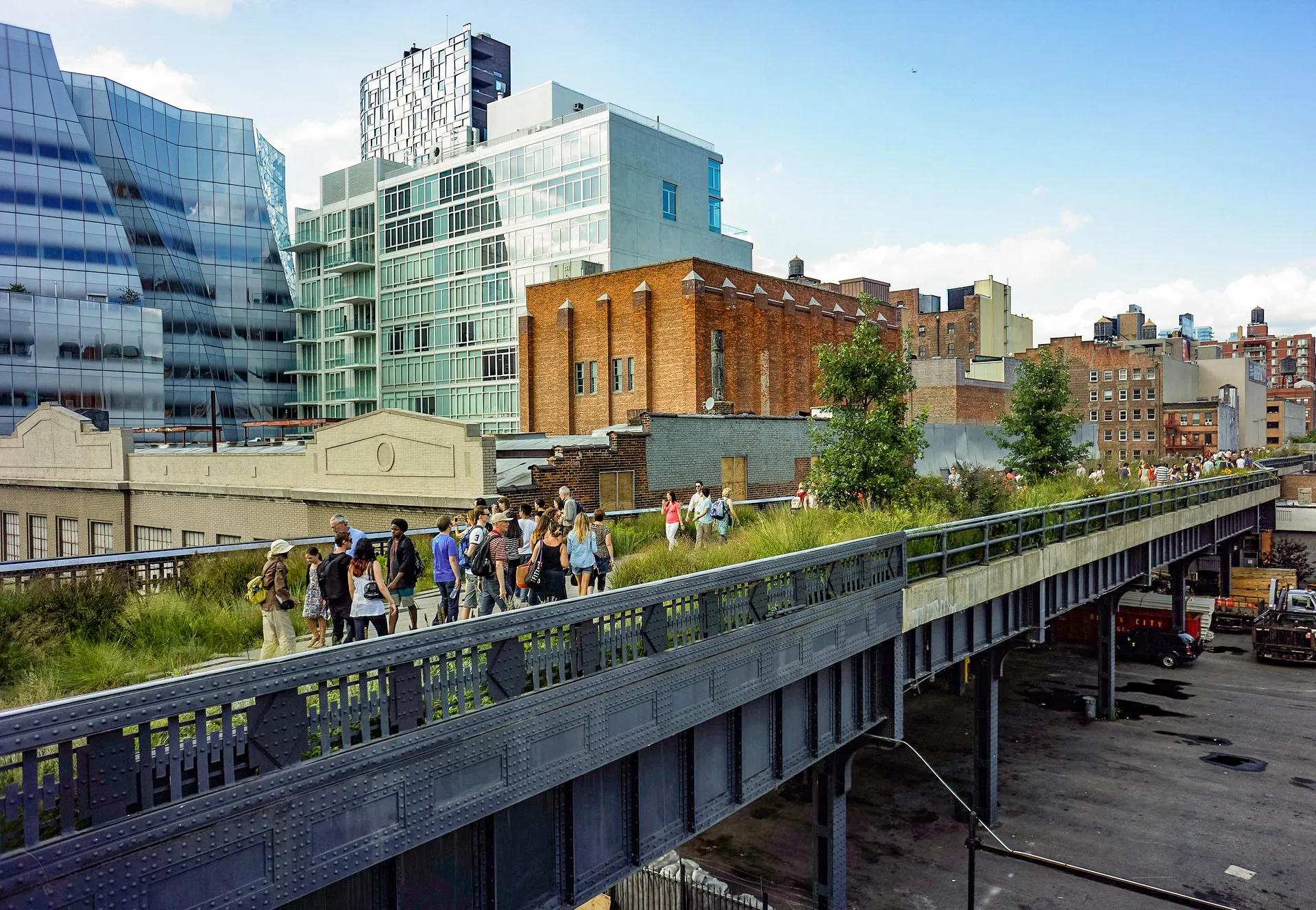
The High Line in New York City is a striking example of how forgotten spaces can be reborn into places of connection and beauty. Once a 1930s freight rail line, it was transformed in the early 2000s through bold design and community activism into an elevated park that weaves nature, art, and architecture into the heart of the city. Embracing the concept of ‘Agritecture’, a fusion of agriculture and architecture, it invites people to slow down, explore, and gather above the bustling streets.
More than just a park, it serves as a living model of how design can foster community and well-being. Beyond its lush walkways, the High Line has redefined urban living, sparking a global movement in adaptive reuse, reshaping neighbourhoods, and proving that sustainable, human-centered design can change not only landscapes but lives.
18. Burj Khalifa, Dubai
Architect: SOM Architects
Completed: AD 2010
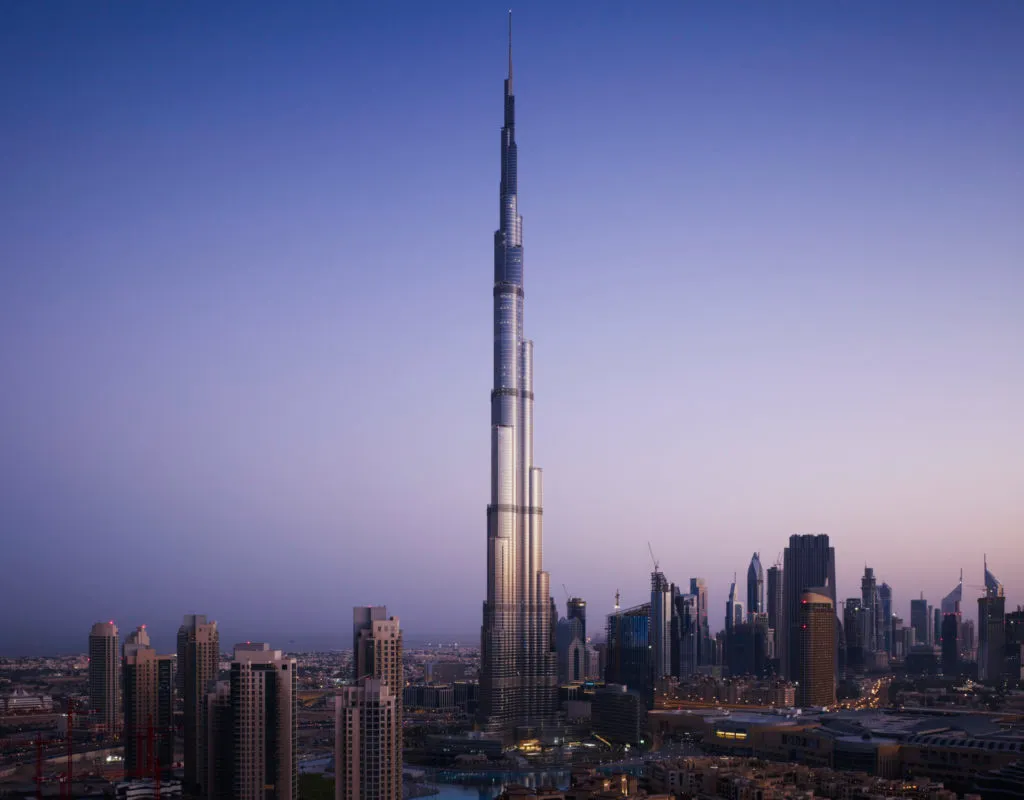
The Burj Khalifa, rising 828 metres above the heart of Dubai, is more than just the world’s tallest building; it’s a bold symbol of human ambition and possibility. Designed by SOM Architects, its sleek, spiraling form draws inspiration from Islamic architecture while using cutting-edge technology to thrive in the harsh desert climate. Blending cultural heritage with futuristic design, it stands as a global icon that challenges what cities can reach for. Beyond its record-breaking height, the Burj Khalifa has reshaped how we think about vertical living, urban density, and sustainable innovation, inspiring architects and dreamers around the world to aim higher both literally and creatively.
19. Bosco Verticale, Italy
Architect: Boeri Studio
Completed: AD 2014
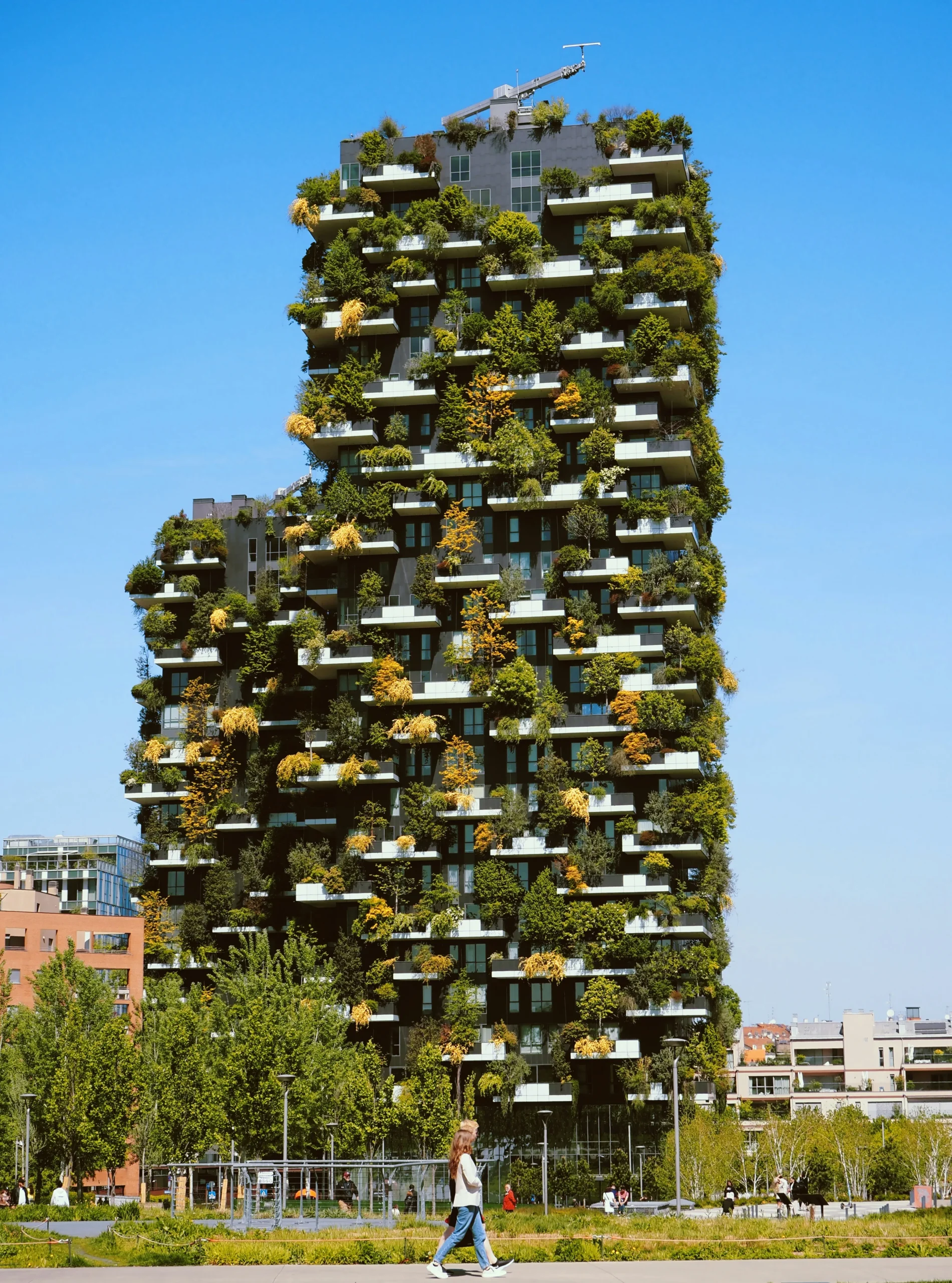
The Bosco Verticale (Vertical Forest) in Milan, Italy, is a groundbreaking example of how architecture can reconnect urban living with lush landscape and nature. Completed in 2014, it is composed of two towering skyscrapers, residential apartments with over 20,000 lush trees, shrubs, and flowering plants covering the entire architecture from crown to foot, mimicking a vertical jungle in an urban context.
Designed by Stefano Boeri Architetti, the innovative design not only improves air quality and reduces noise pollution but also offers residents a unique, nature-immersed lifestyle within a dense urban environment. As cities face increasing climate change challenges and overpopulation, Bosco Verticale stands as a powerful model for sustainable, human-centered design, demonstrating that the future of living may grow with thoughtfully designed architecture.
20. The Line (NEOM), Saudi Arabia
Architect: NEOM
Completed: AD 2025 (Under Development)
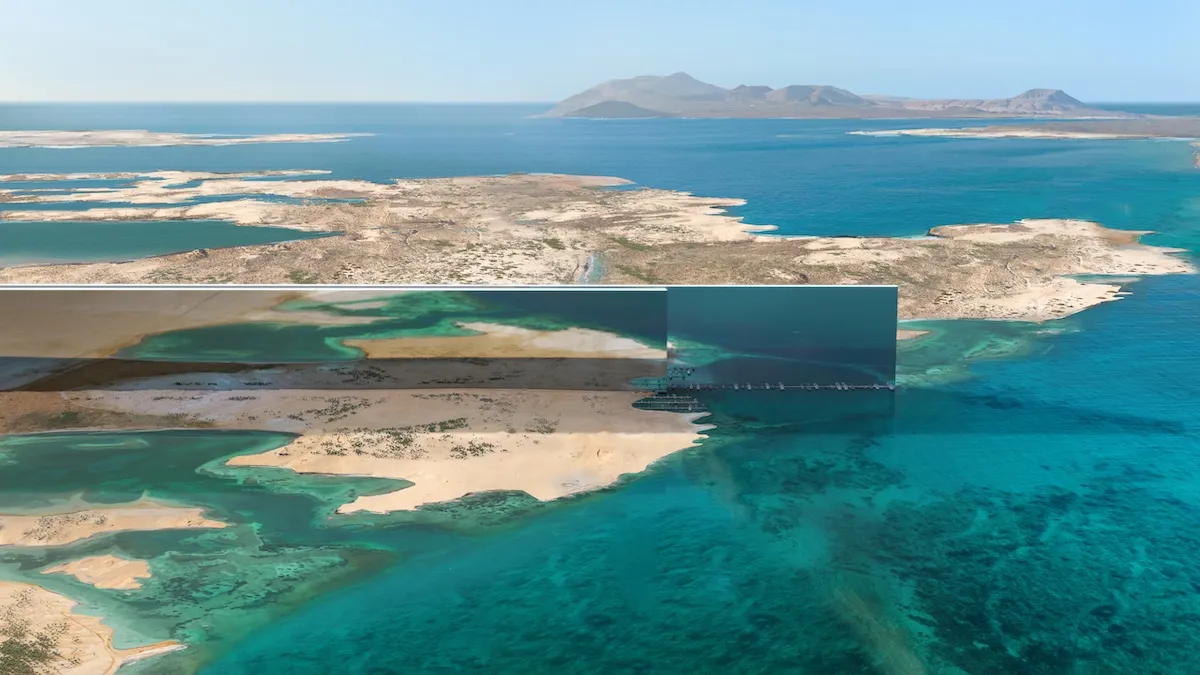
The Line, NEOM’s visionary project in Saudi Arabia, is one of the most daring architectural ambitions of urban life the world has ever seen. Stretching 170 kilometers in length in a sleek, mirrored strip just 200 meters wide, it aims to house 9 million people without a single car, street, or carbon emission. Designed to tread lightly on the land while connecting all essential services via high-speed rail, The Line challenges the very foundations of city planning.
With its bold linear form and human-first approach, it redefines how we think about architecture and movement, relationship with space, and nature. Though still under development, the Line is already sparking global conversations about building smarter, greener, and more liveable cities for the future.
