


Smart materials began reshaping the conversation once researchers realized they could react to their environment, shifting, healing, or adapting in ways that traditional materials never could. The sustainable construction industry quickly recognized its potential, using these responsive systems to help buildings withstand changing climates and last longer.
What makes them even more compelling is their ability to reduce waste, lower energy consumption, and minimize carbon footprint. These innovations are no longer experimental; they’re becoming some of the most sustainable and efficient alternatives available in construction today.
How do they fare in the current market?
The benefits of using smart construction materials are very noteworthy:
- They have been found to enhance the durability of the structure, making these materials last longer.
- Most materials are self-healing or self-cleaning in character, lowering the need for maintenance.
- Many materials possess energy-producing capabilities or have been equipped with energy-generating systems, thereby reducing dependence on artificial systems.
- Many of them can help to lower the carbon footprint of the structure overall because of how they are manufactured or how they operate.
- All materials focus on making the indoors comfortable by fulfilling the heating and cooling needs, which reduces energy consumption.
But as with any new technology, the application and manufacturing of these materials also pose challenges:
- The initial cost of using smart materials is usually higher than that of traditional materials, which many clients may not accept. The client needs to be convinced that with time, the same materials can be offset through long-term savings.
- There are no set standards for using these materials yet, which affects a slow adoption rate of these materials.
- The technology and knowledge of how to manufacture and use these materials are still not understood in their entirety by everyone in the construction industry, which may pose a challenge.
Examples of Smart Materials for Sustainable Construction:
1. Self-healing concrete
As the name suggests, self-healing concrete can heal itself automatically when micro-cracks appear in the concrete. They use healing agents in the form of embedded capsules, bacteria, or polymers that react to air or water and release substances that close the cracks by ‘creating’ limestone. It very closely imitates how outlet body wounds heal using our bodily fluids. They are best employed in foundations and other structural components, which form the skeleton of the building, in bridges and roads where there are heavy loads, and in underwater structures where repairing or replacing small cracks is difficult.
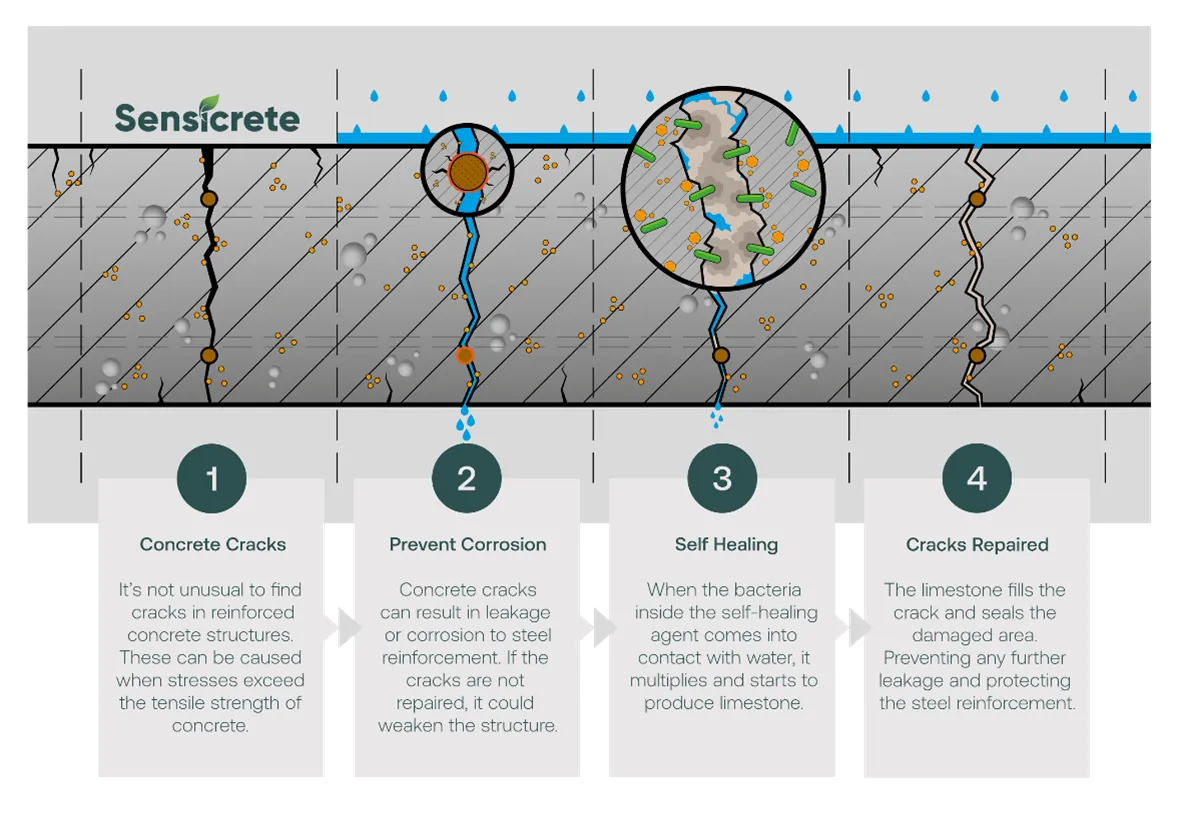
Sustainability features: This naturally reduces maintenance costs, as the labor and materials needed are substantially reduced. By embedding self-healing materials in the building structure, the reduction in the materials consumed also brings down the carbon emissions while simultaneously increasing lifespan. The materials used are all eco-friendly and reduce the quantity of cement required in the concrete manufacture. Using self-healing concrete also helps enhance safety for occupants, and the built fabric is more durable and can withstand extreme weather conditions.
Example: Railway Underpass in Rijen, Netherlands by Heijmans Infrastructure
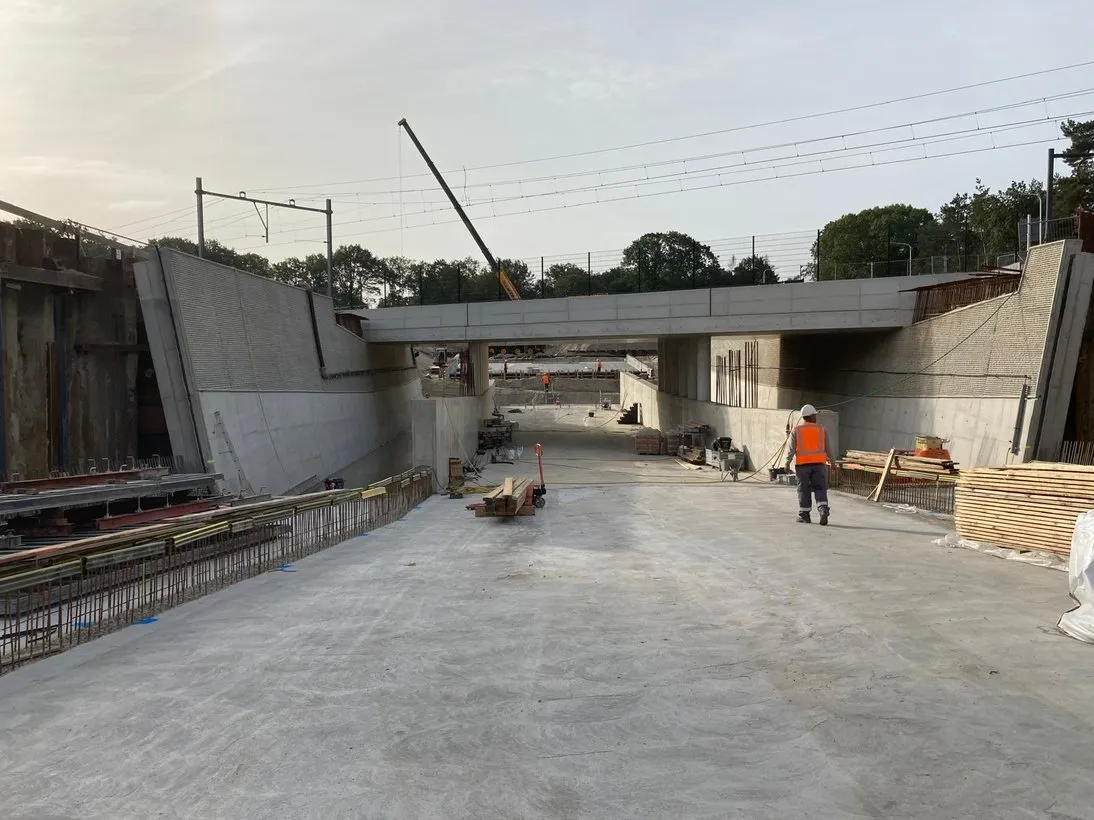
The structure has bacteria spores and nutrients added to the concrete and applied in the basement of the underpass, a structure that is constantly prone to heavy loads. Using self-healing concrete made the structure more secure and helped reduce horizontal reinforcement steel, reducing the overall carbon footprint of the structure.
2. Phase-changing materials:
Phase-changing materials absorb and release large amounts of thermal energy when there is a temperature shift without significant changes to the material composition. The process that phase-changing materials undergo is called ‘latent heat storage’—upon heating, it absorbs energy in the form of heat and transitions from solid to liquid. The same material transforms back to solid form when cooled and releases energy as latent heat. During this whole process, there’s no change or damage to the material. The material can be used mainly to regulate indoor temperature, especially in places where there is a significant difference between day and night temperatures.
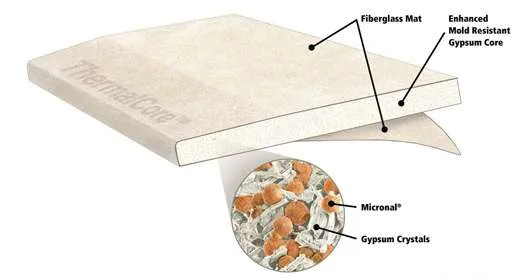
Sustainability features: By regulating indoor temperatures, they can help create a comfortable environment for occupants, which can also optimize energy consumption based on the users’ needs. This reduces the dependence on active heating and cooling systems. And since the material doesn’t spoil or damage in the process, it becomes easier and cost-effective to maintain the structure. The material is usually added directly to construction materials as capsules or between double-skin facades. It is generally lighter than traditional thermal materials, which serve the same purpose.
Example: Futurium Museum, Berlin by Christoph Richter and Jan Musikowski
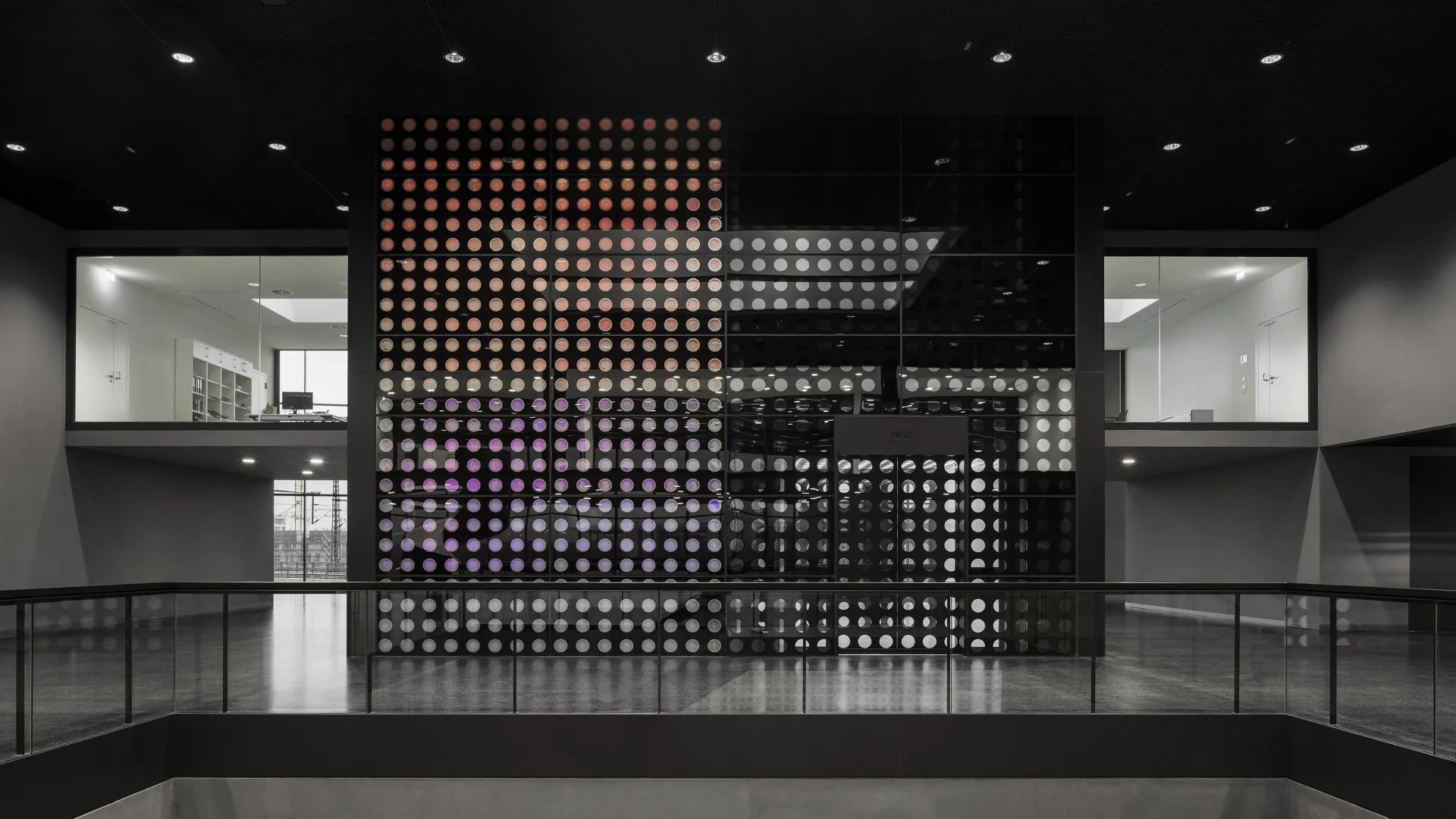
Phase-changing components like paraffin and glass microcapsules are added to the walls of the museum to regulate the building temperature. By maintaining a consistent temperature throughout the day, the need for artificial heating or cooling systems reduces considerably. This lowers the overall energy consumption of the structure, making it a sustainable choice.
3. Shape Memory Alloy
These materials on cooling become weaker and can be easily deformed into any specific shape and regain their original, stronger, crystalline shape when heated. They recall their original shape from memory and, thus, are called ‘shape-memory’ alloys. Deformation can happen due to temperature difference (at lower temperatures), stress, or strain. They are mostly alloys of different metals that, on combining with other metals, gain unique properties, including high corrosion resistance, super elasticity, repeatability, and reliable behavior without permanent damage.
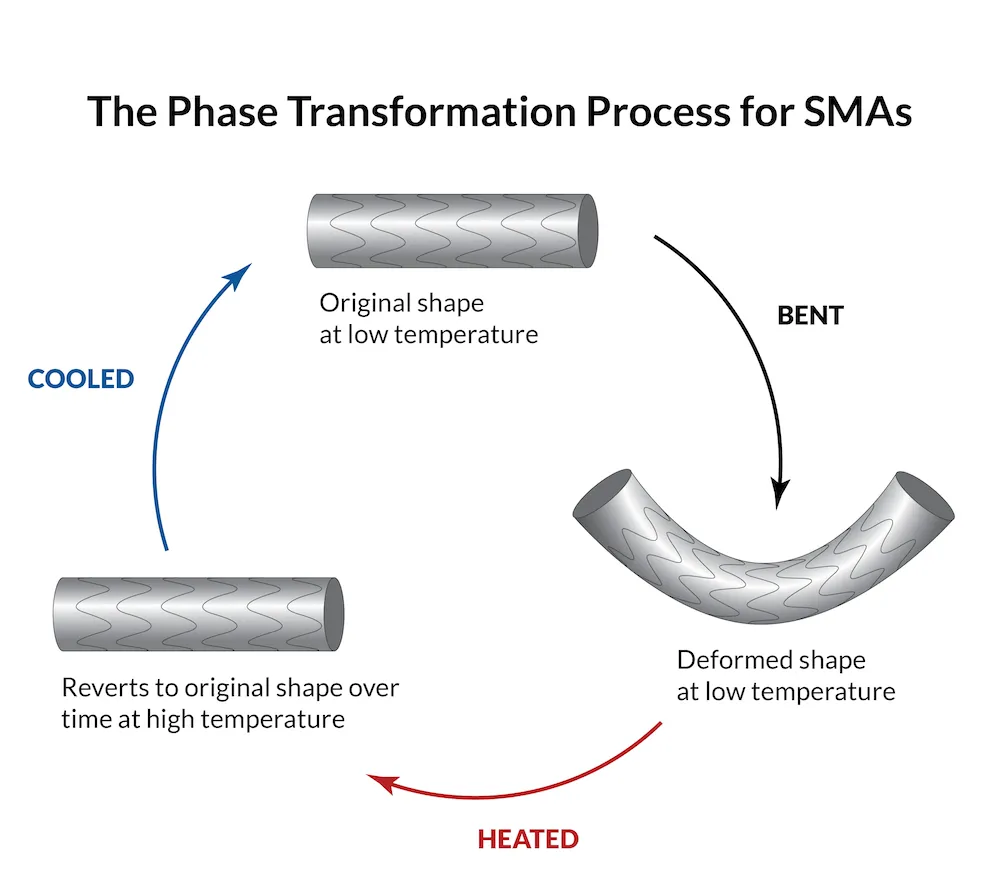
Sustainability features: Its property to shift its physical form and return to its original form under certain conditions does not require the materials to be replaced or repaired frequently, especially under harsh conditions. This can easily reduce the time and money spent on maintenance. It has paved the way to build responsive building systems that are essential in structures requiring structural reinforcement, seismic retrofitting, or vibration dampening.
Example: Grimes Engineering Center at UC Berkeley by Skidmore, Owings, and Merrill
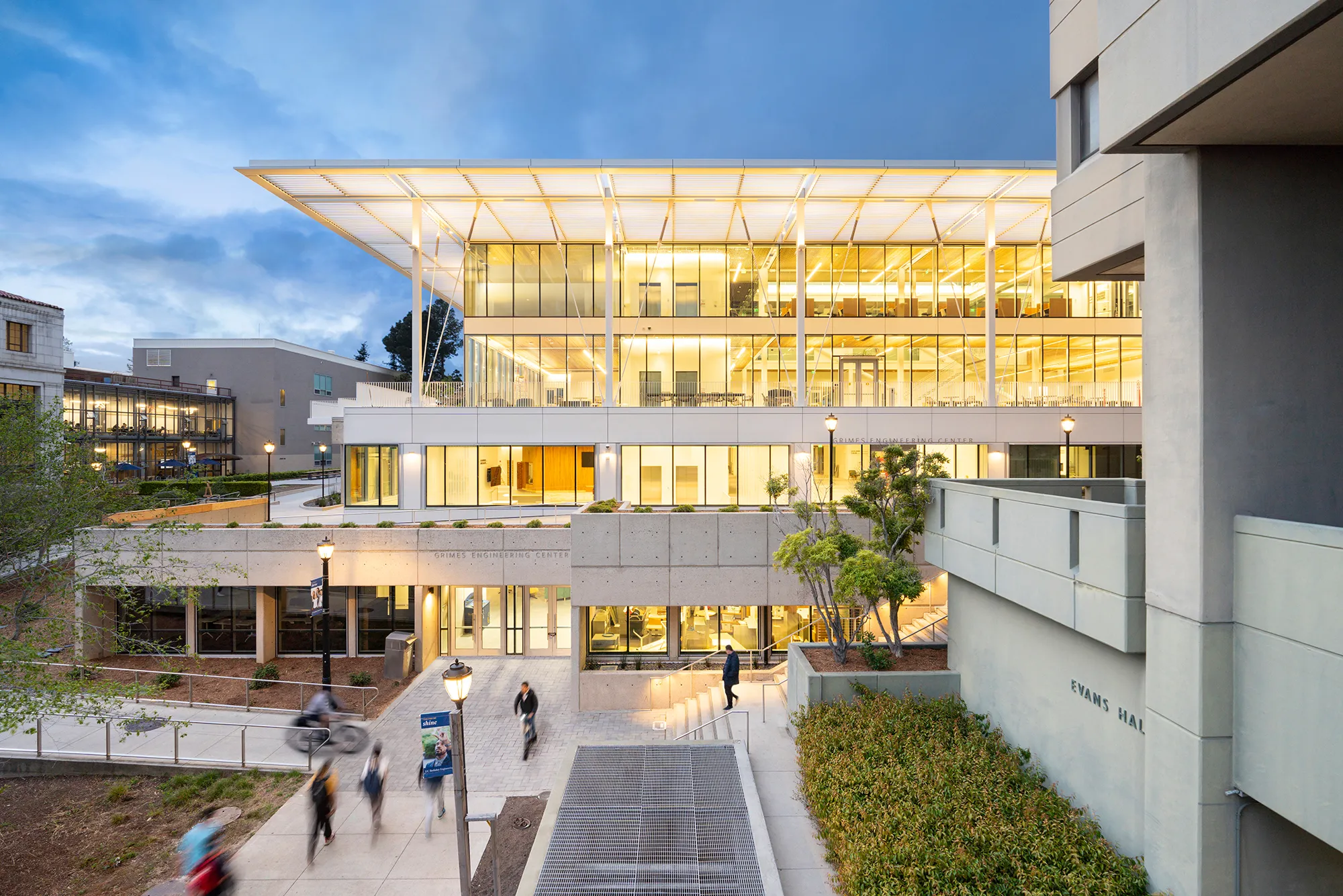
SOM developed tension rods with shape memory alloy cables that were molded into an innovative network system to optimize structural and seismic resilience. By making alloys of titanium and nickel, the material becomes almost 25 times more elastic than steel, which could undergo deformations under certain conditions and yet bounce back to its original form without permanent damage.
4. Electrochromic glass
What if the windows in your home could change their tint and transparency according to the conditions outside? The electrochromic glass works that way in response to applied voltage. It is also called smart or switchable glass and transforms through the manipulation of electrochromic materials embedded in the glass structure. In its normal state, it is transparent and allows maximum light to enter the space. And when activated, the ions from the material create a conducive coating over the electrochromic layer in the glass, which changes its optical properties to make it tinted or opaque depending on the situation and settings.
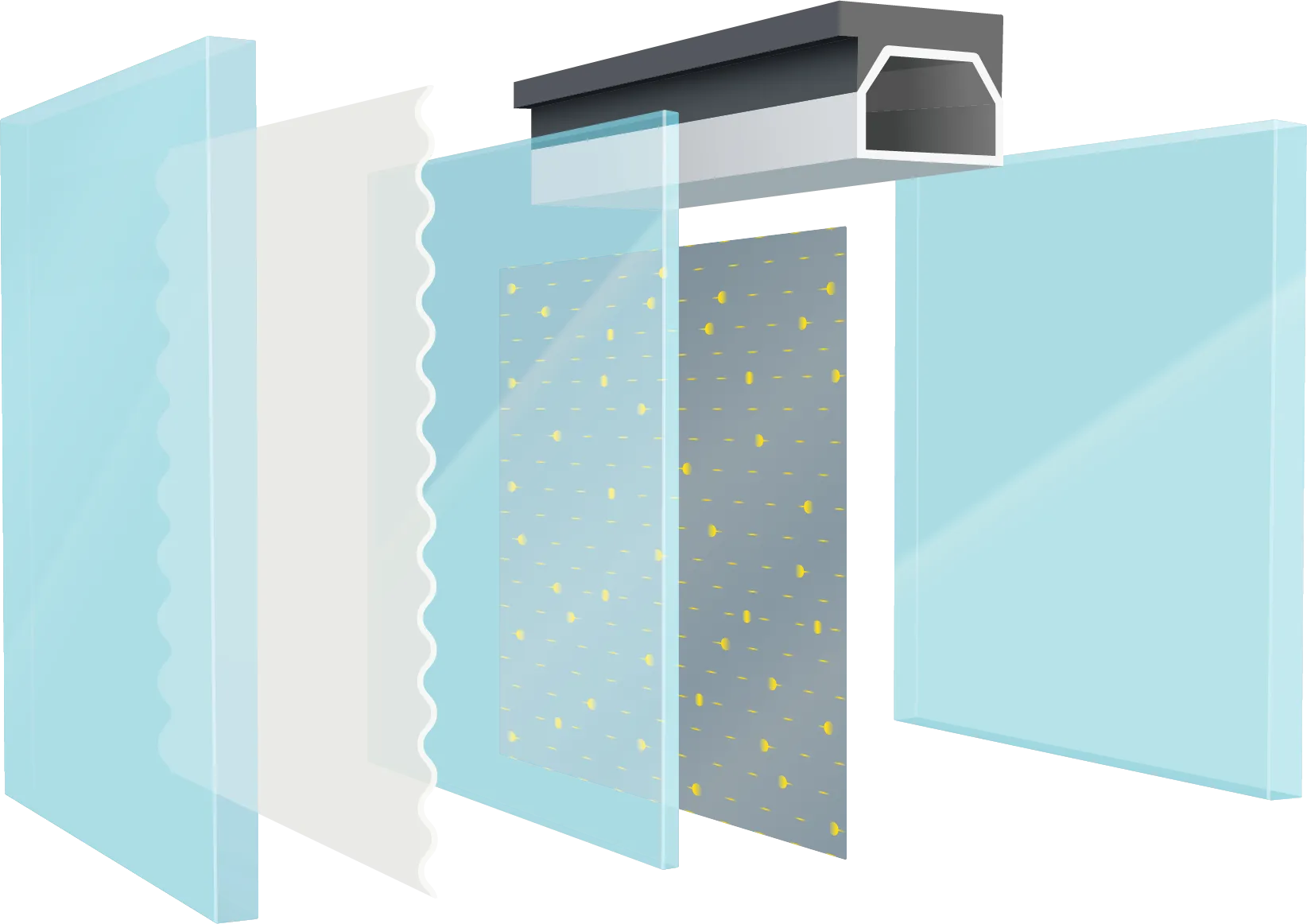
Sustainability features: The material allows the user to control the comfort of the interior space and to control features like daylighting, solar heat gain, and glare. This could further enhance the indoor environment such that dependence on artificial lighting and ventilation is greatly reduced, simultaneously not compromising comfort. This helps reduce energy consumption, making the choice energy-efficient.
Example: Edge, Amsterdam by PLP Architecture
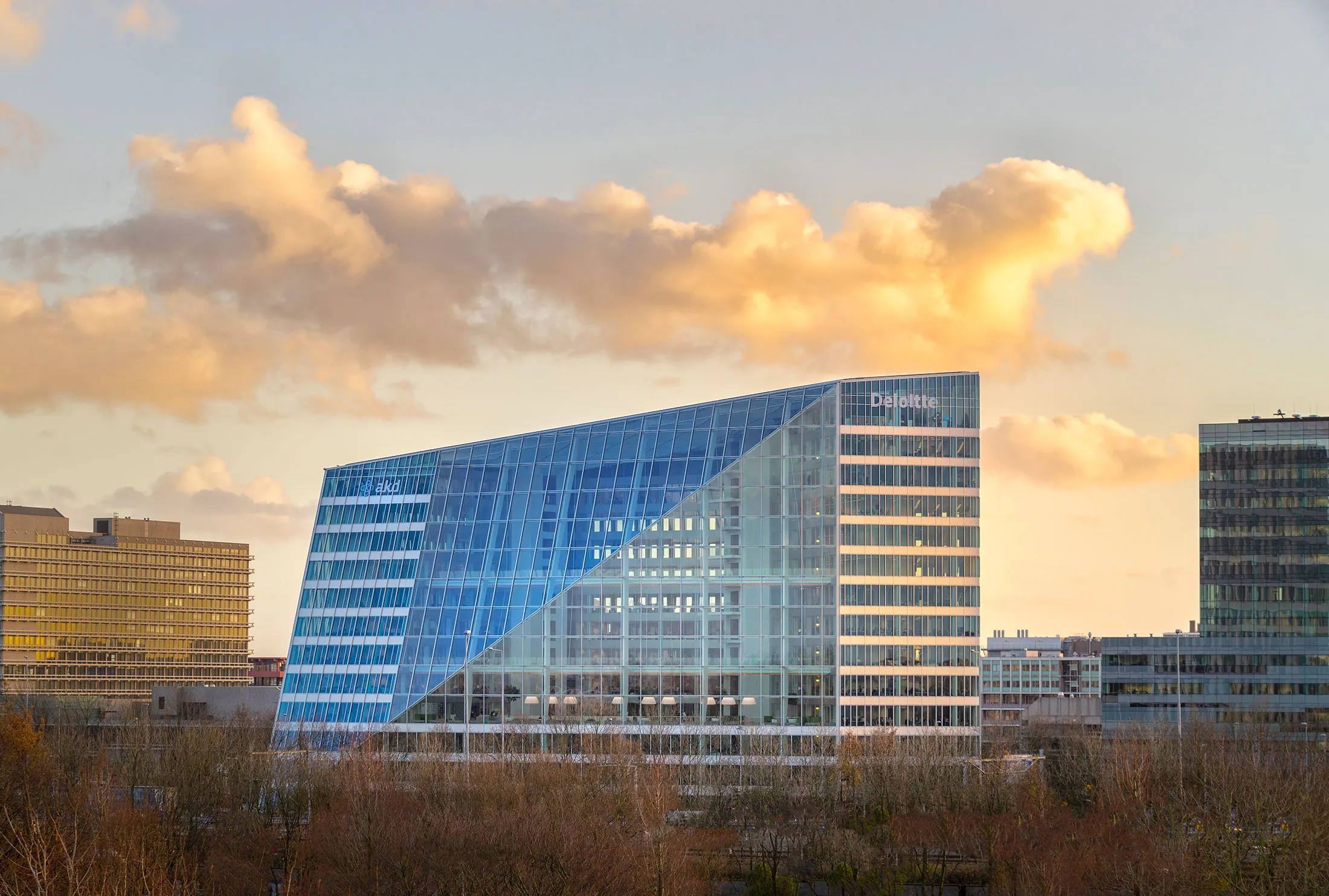
This building, touted as the most sustainable office building in the world, uses electrochromic glass to regulate the amount of light and heat entering the workspaces depending on the sun’s position. By regulating and optimizing the amount of light and heat entering, the building has been able to reduce energy consumption, as there’s little dependence on artificial lighting and air conditioning. The system detects solar intensity using sensors that automatically adjust the tint of the glass.
5. Piezoelectric Materials
“Piezoelectric” means generating electricity by the application of some form of pressure or stress on the material. Piezoelectric materials produce electrical charges from vibrations and mechanical stresses applied to them, which produce mechanical energy that makes the material flexible so that it can change shape. The electricity is generated because of the asymmetrical crystalline nature of the material that allows an imbalance when external stress or pressure is applied. These smart materials can be classified as ceramics, crystals, and polymers.
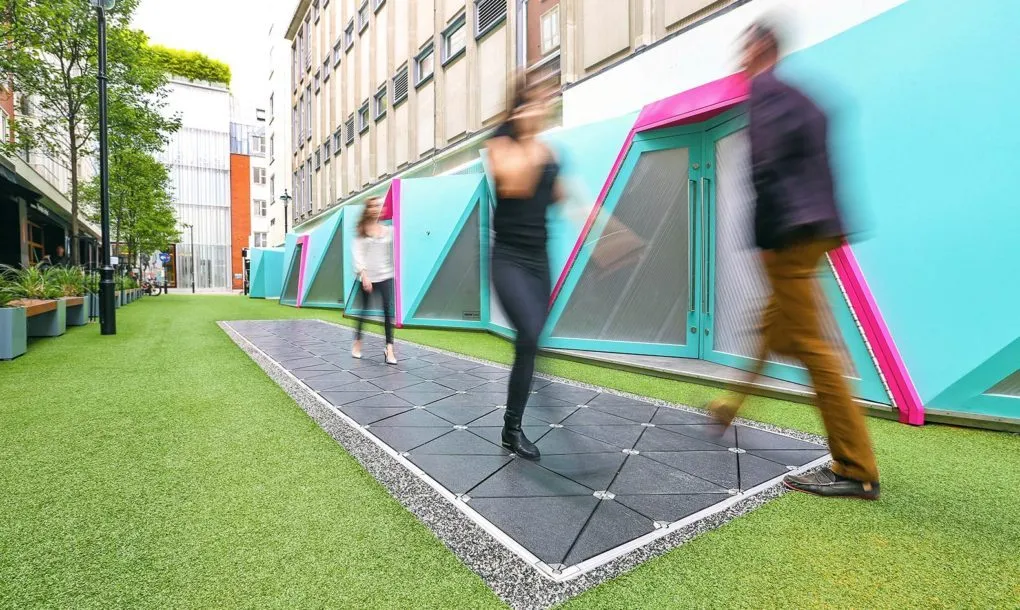
Sustainability features: In the building industry, consistent environmental events or human foot traffic can be leveraged to create the vibrations required to generate electricity. This electricity is usually less but enough to power low-energy devices like sensors and lighting fixtures. This could reduce operational costs and reduce dependence on conventional power resources, making it an efficient system. The materials can be applied to windows, doors, facades, and floors. Some structures can also become self-sustaining, especially where human traffic is expected to be massive, like public transport areas, or where the building exterior is constantly exposed to environmental vibrations. These have been shown to reduce energy consumption, CO₂ emissions, and water usage, making them a sustainable choice.
Example: Tokyo Station, Japan, as installed by Pavegen Systems

The tiles in the high-traffic areas of the railway station in Tokyo have been designed with piezoelectric material. These areas have high footfalls, like entrances or ticket areas, and the kinetic energy from people just walking over these spaces converts to renewable, clean energy. This is then used to power lights, LED displays, and ticket gates. The high traffic flow has made this a reliable source of sustainable energy.
6. Thermochromatic materials
These materials have the unique property to change color and optical characteristics with a difference in temperature. The material modulates automatically according to solar heat gain. Or they can be used in other materials like glass, coatings, or nano-materials that are exposed on the exterior of the building. They are usually made of eco-friendly, natural, and sustainable materials.

Sustainability features: The most common material used is thermochromic glass, which can be effectively applied to openings. These help keep the indoors warm in winter by adjusting to a transparent tint that allows sunlight to filter into the indoors and cool in summer by becoming opaque to reflect solar radiation. They optimise the comfort levels of the inhabitants, thus reducing energy consumption and making the building energy efficient. Since they are mostly made of sustainable materials, the carbon footprint is low, and they become a safer and healthier option.
Example: Commonwealth Senior Living at North Byron, Michigan, USA

This facility uses thermochromic glass for its windows to keep the indoors comfortable for the senior inhabitants. The glass helps to reduce heat load, noise, and glare. And by incorporating a mechanism that uses no wiring, power supply, or control equipment, it has been able to maximise not just daylight but also safety.
7. Building Integrated Photovoltaics
Photovoltaics have been around and are commonly used to leverage solar energy to generate electricity. It is one of the easiest, reliable, and most renewable sources. In fact, many buildings have helped add to their urban electric grid by producing an excess of what they require. What if, instead of using the roof or fly surfaces to install the panels, they become a part of the external structure of the building?
Building-integrated photovoltaics are those that can be seamlessly integrated with building elements, for example, on facades and walls as panels, on roofs as shingles or panels, and on windows as transparent PV technology. This material can be implemented as an ancillary or the principal source of electricity from which the cost of application can be easily retrieved over time, as the need for artificial sources of electricity is greatly reduced.
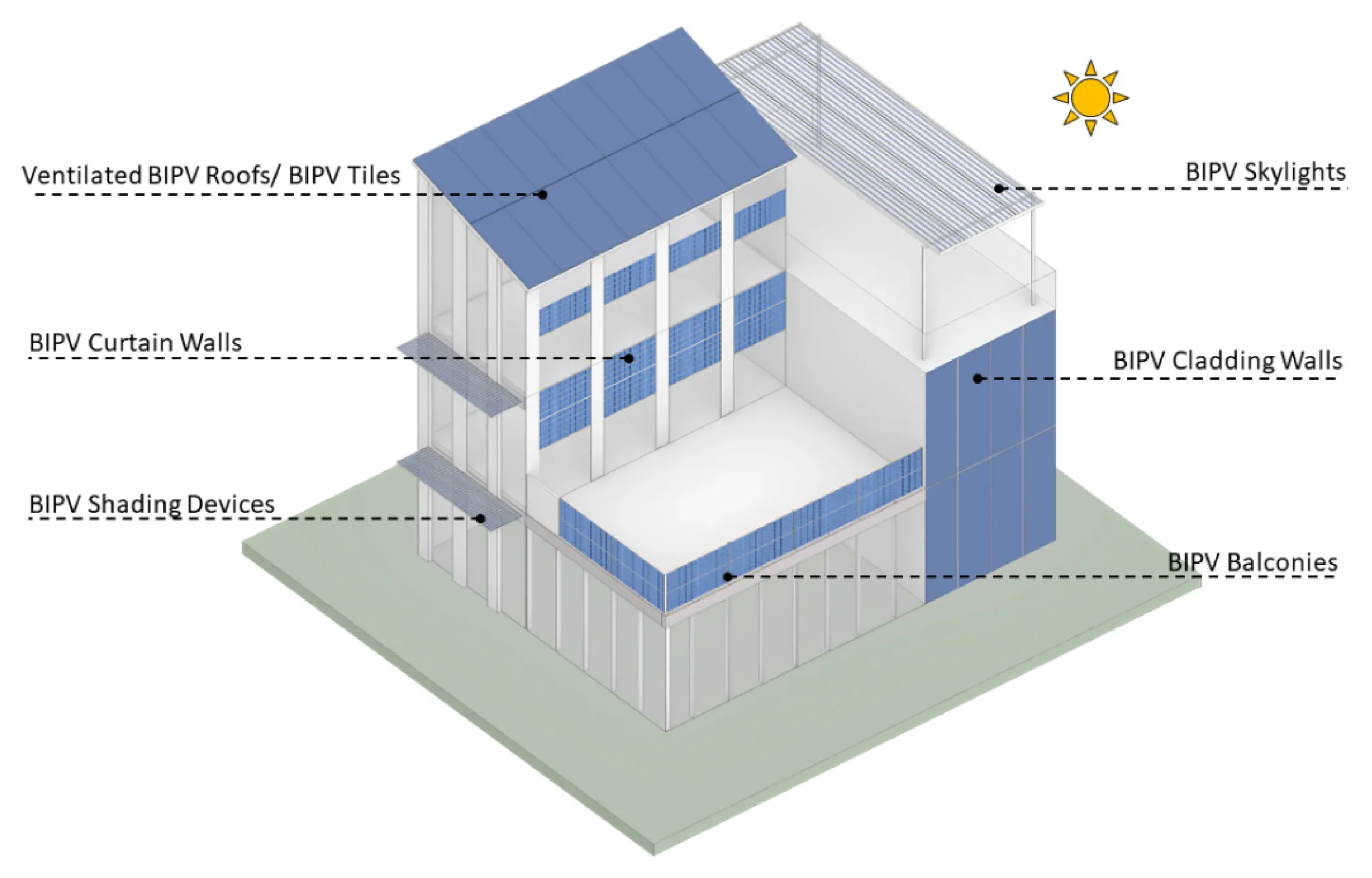
Sustainability features: The biggest advantage of using BIPVs is that they are not dependent on only flat surfaces of the roofs or terraces, which helps save abundant flat surface spaces for other activities. The vertical surfaces are all leveraged to install these panels, turning the building into an energy producer. By connecting them with other building element sensors, it becomes easier to real-time monitor and optimize energy consumption. It can also double as an aesthetic element, and the material requires much less maintenance than traditional solar panels. Its sustainable benefits then include environmentally friendly, financially viable, and aesthetically pleasing.
Example – Copenhagen International School, Denmark by Moller Architects
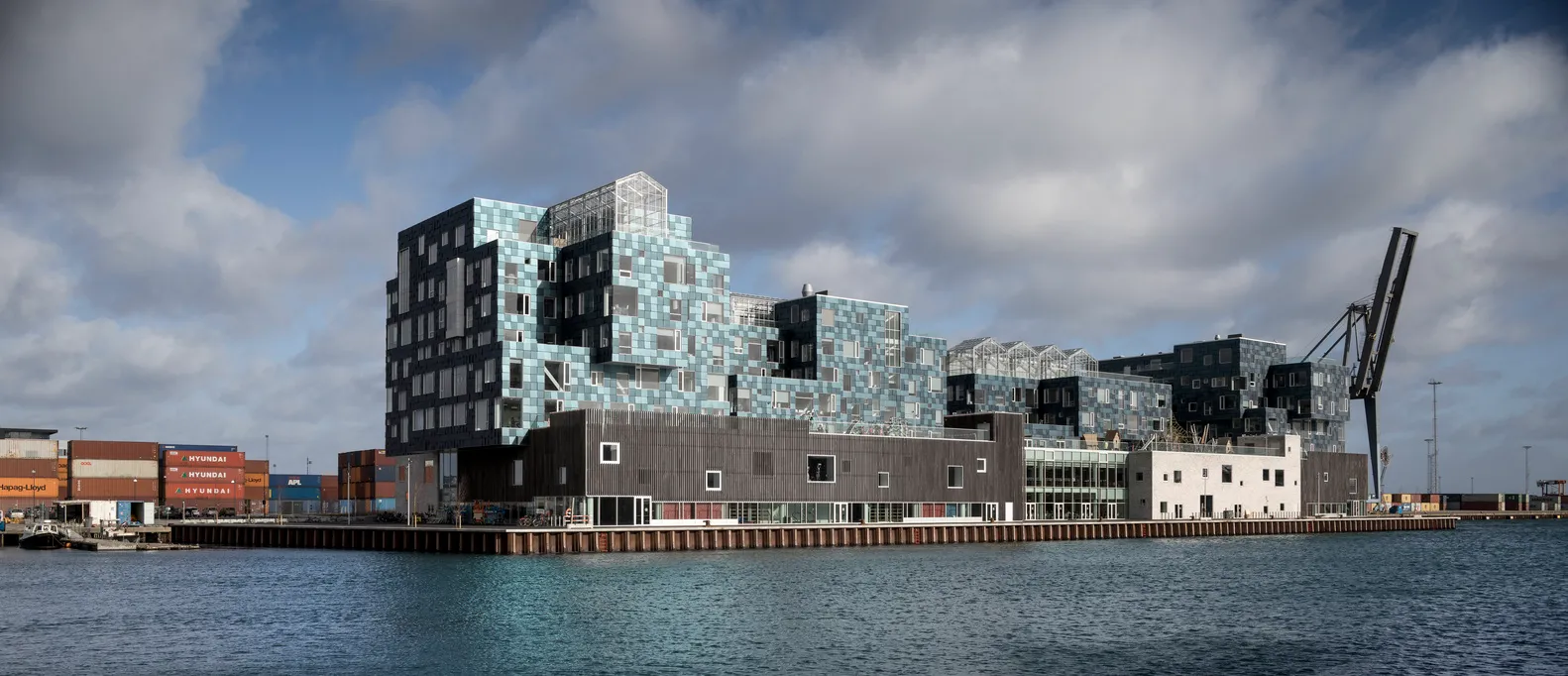
This building is an aesthetically appealing structure with a multi-coloured exterior which houses the BIPs over 6000 sq.m of facade. The building can generate 700kW of power that helps cover 50% of the school’s electricity needs. The facade is one of the largest solar facades and has made the building an icon.
