


For centuries, architecture and urbanism have been shaped by environmental conditions. Buildings were oriented toward sunlight, cities developed around water sources, and local climate influenced construction methods and settlement patterns. Architecture responded to these conditions through passive design strategies and locally adapted solutions.
The twentieth century changed this relationship: mechanical ventilation, air conditioning, artificial lighting, and modern construction technologies allowed buildings to operate with greater independence from their surrounding climate. Today, this evolution is entering a new phase, where technologies such as artificial suns, artificial rain systems, and controlled environmental infrastructures are enabling humans to replicate and engineer natural conditions themselves, redefining how architecture engages with climate and nature.
Today, that relationship is evolving further. Scientists are developing fusion reactors capable of replicating the processes that power the Sun, while governments are investing in weather-modification technologies such as cloud seeding. At the same time, designers and engineers are creating controlled environments where temperature, humidity, daylight, and water systems are managed. While these developments span different fields, they reflect a broader trend: environmental conditions that were once treated as fixed natural forces are being monitored and modeled through technology. This raises new questions about how future cities, buildings, and landscapes will interact with nature.
The Artificial Sun
The term “artificial sun” has become widely associated with nuclear fusion reactors, which seek to replicate the same process that powers the Sun. Unlike conventional nuclear power plants that generate energy through fission, fusion combines light atomic nuclei under extreme temperatures and pressures, releasing enormous amounts of energy with minimal long-term radioactive waste.
One of the most significant recent breakthroughs came from China’s Experimental Advanced Superconducting Tokamak (EAST), often referred to as China’s artificial sun. In January 2025, EAST sustained high-confinement plasma operation for 1,066 seconds, setting a new world record and marking an important milestone in the pursuit of practical fusion energy.
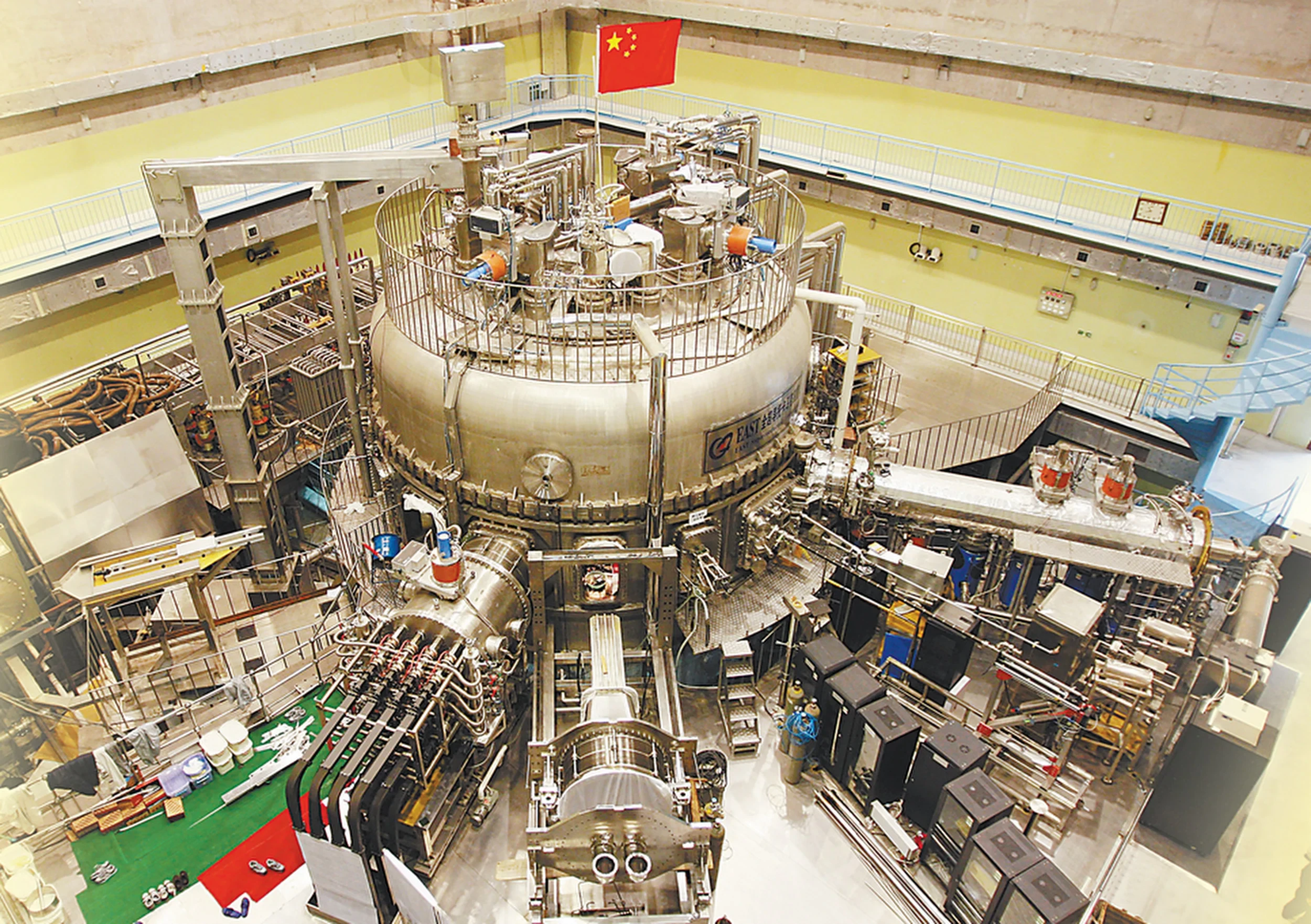
China is not alone in this race. South Korea’s KSTAR reactor achieved temperatures of 100 million degrees Celsius while sustaining plasma for extended durations, demonstrating continued progress toward stable fusion reactions. Meanwhile, ITER, currently under construction in southern France, represents one of the largest scientific collaborations in history. Involving more than 30 countries, including China, India, Japan, South Korea, the United States, Russia, and members of the European Union, ITER aims to demonstrate the feasibility of fusion as a large-scale energy source.
Has the Artificial Sun been achieved?
The answer depends on how the term is defined. Fusion reactions have already been achieved experimentally in multiple facilities around the world. However, no fusion reactor currently supplies electricity to cities at a commercial scale. Today’s achievements represent major scientific breakthroughs, but commercial fusion remains a future objective, not a present reality. For architecture and urban scenarios, the significance of fusion extends beyond energy production. If successful, fusion could provide vast quantities of low-carbon energy capable of supporting complex urban systems.
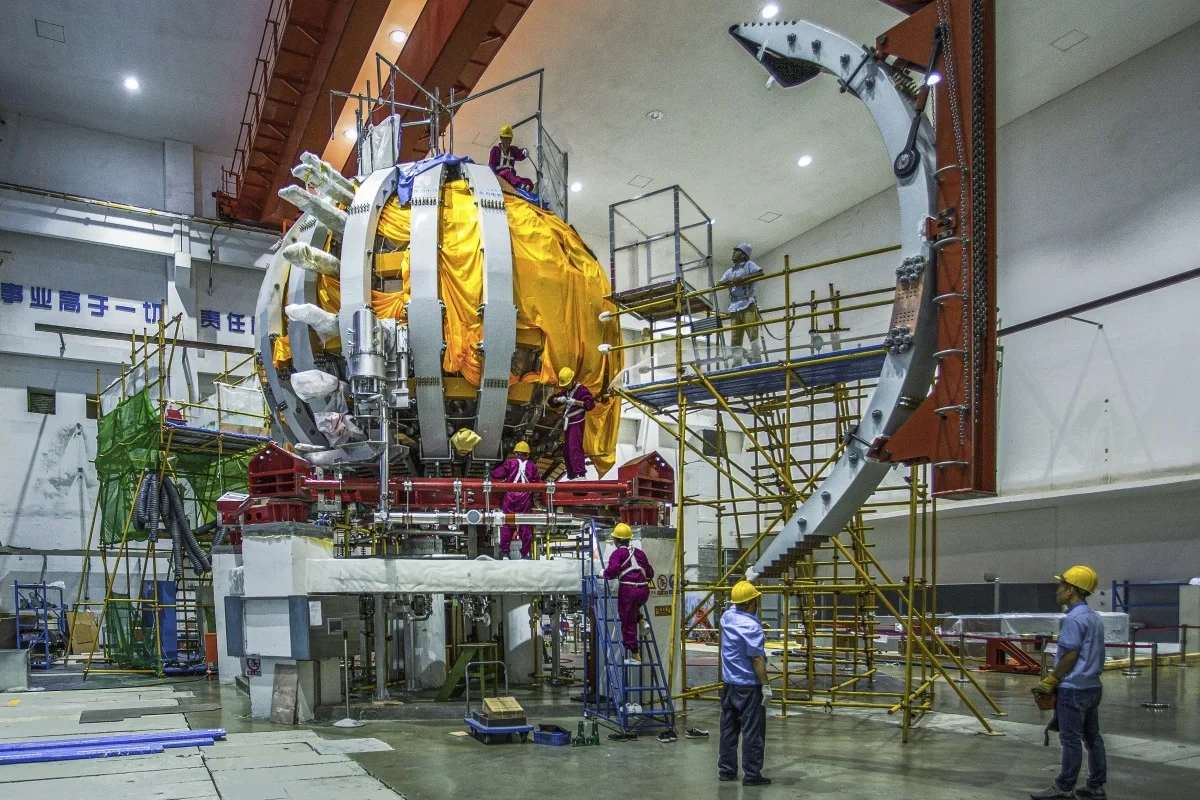
Cities could potentially operate with reduced dependence on fossil fuels while powering energy-intensive infrastructures such as desalination plants, vertical farms, climate-control systems, and advanced transportation networks.
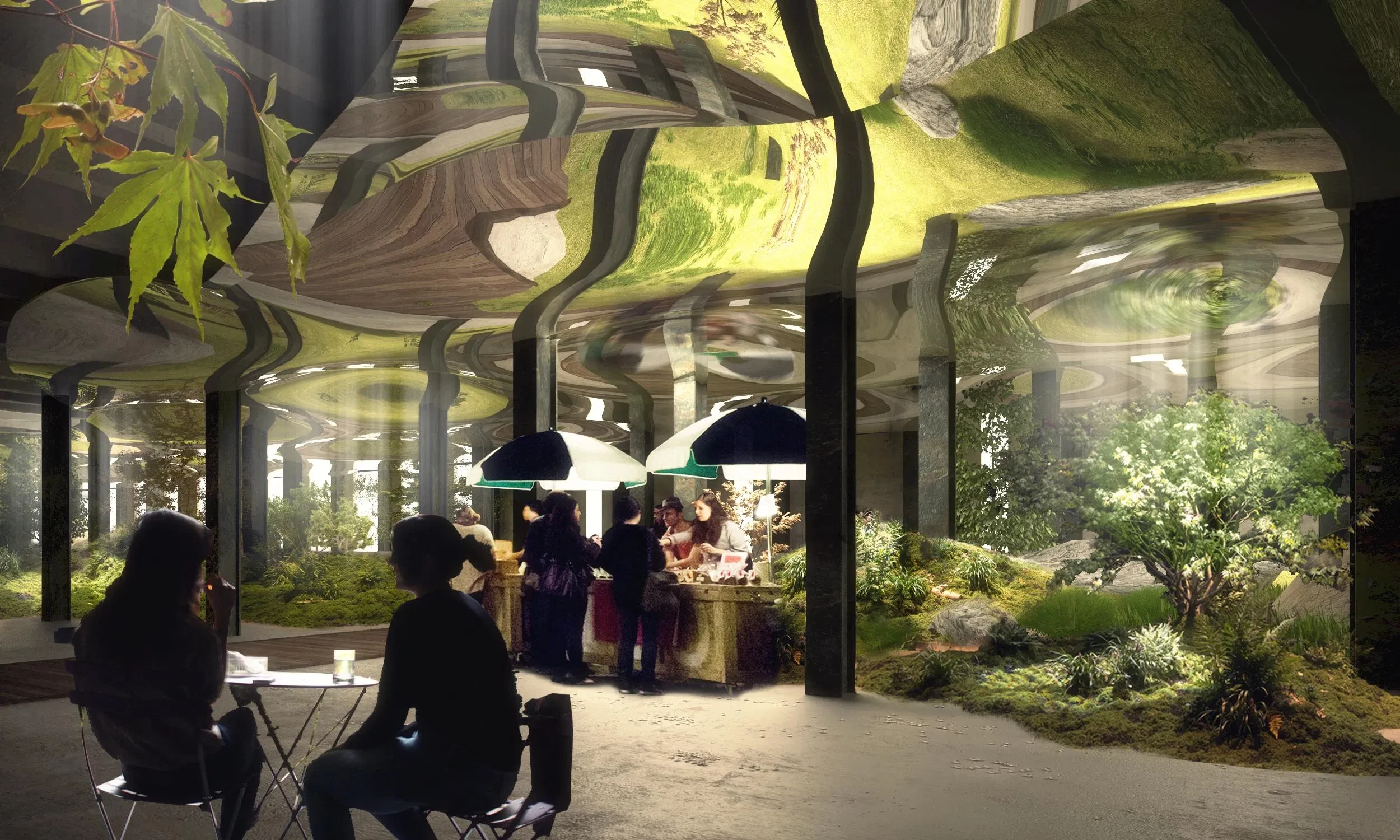
The artificial sun also has another design interpretation. Advances in artificial lighting and environmental simulation have enabled designers to recreate daylight in environments where natural sunlight is unavailable. One of the prototypes is the Lowline project in New York, given by James Ramsey and Dan Barasch, proposes using solar collectors and optical technologies to channel sunlight into an underground park capable of supporting vegetation. Similar principles are used in underground facilities, research environments, indoor botanical gardens, and vertical farms. In controlled-environment agriculture, facilities across Japan, Singapore, the Netherlands, and the United States use LED systems optimized for specific wavelengths that maximize plant growth while minimizing energy consumption.
Artificial Rain and the Engineering of Weather
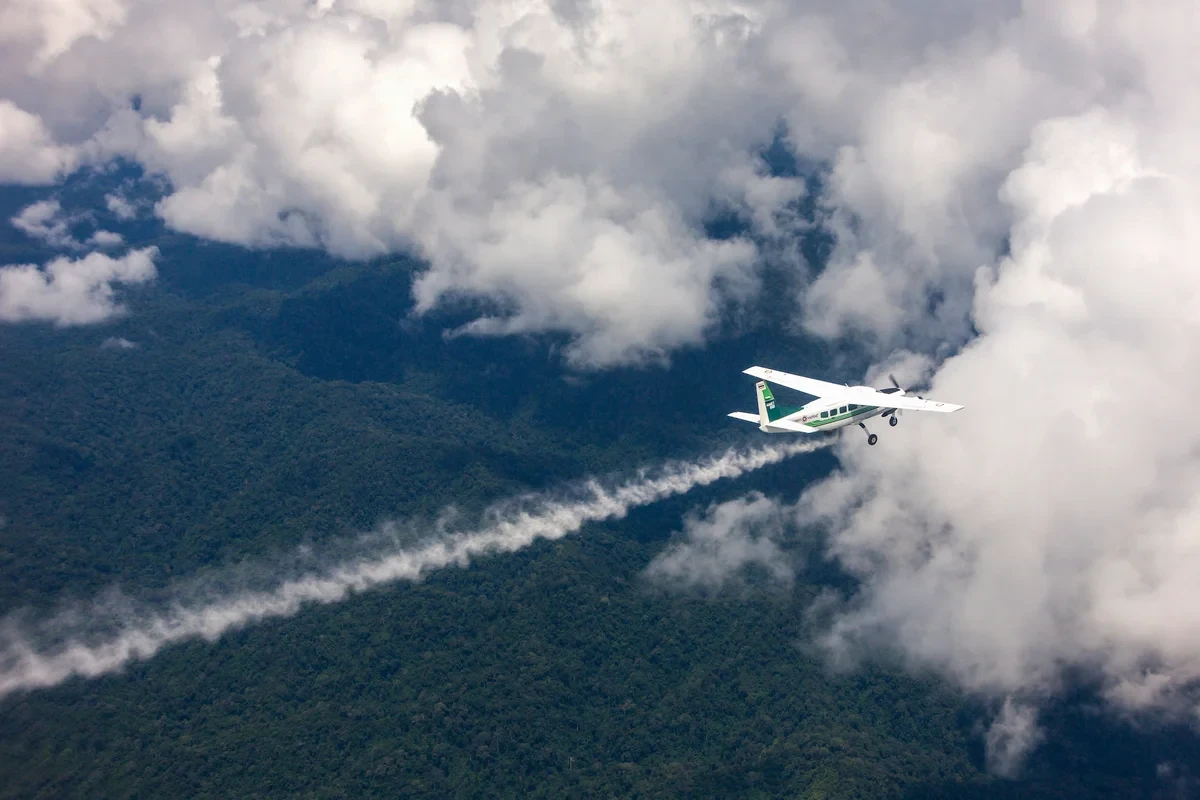
If the artificial sun seeks to replicate stellar energy, artificial rain attempts to influence the weather. Artificial rain is most commonly achieved through cloud seeding, a process that introduces particles such as silver iodide, potassium chloride, or hygroscopic salts into existing clouds to encourage precipitation. Contrary to popular assumptions, cloud seeding cannot create clouds from clear skies. Instead, it attempts to increase rainfall from suitable atmospheric conditions that already exist.

China operates one of the world’s largest weather-modification programs, conducting extensive cloud-seeding operations across multiple regions. The country’s investments in radar systems, drones, atmospheric monitoring, and weather engineering reflect a broader strategy of environmental management at a national scale.
The United Arab Emirates has also emerged as a global leader in weather modification. Facing chronic water scarcity, the country conducts hundreds of cloud-seeding missions annually while investing heavily in atmospheric research, AI-assisted forecasting, and experimental rainfall-enhancement technologies. Researchers have even explored the possibility of using artificial heat islands and low-albedo surfaces to stimulate atmospheric convection and increase precipitation potential.
India has expanded its interest in cloud seeding through research initiatives led by institutions such as IIT Kanpur and IIT Roorkee. These efforts are often linked to concerns over drought, water security, and urban air pollution. Australia, meanwhile, has used cloud seeding to enhance snowpack accumulation in alpine regions, supporting hydroelectric generation and water storage systems.
The Rise of Engineered Ecosystems
As cities face rising temperatures, water scarcity, biodiversity loss, and increasing urban density, engineered nature is emerging as a potential strategy for resilience. Climate-controlled green spaces, indoor agriculture, biodiversity-supporting infrastructures, and responsive environmental systems should become common components of future urban development.
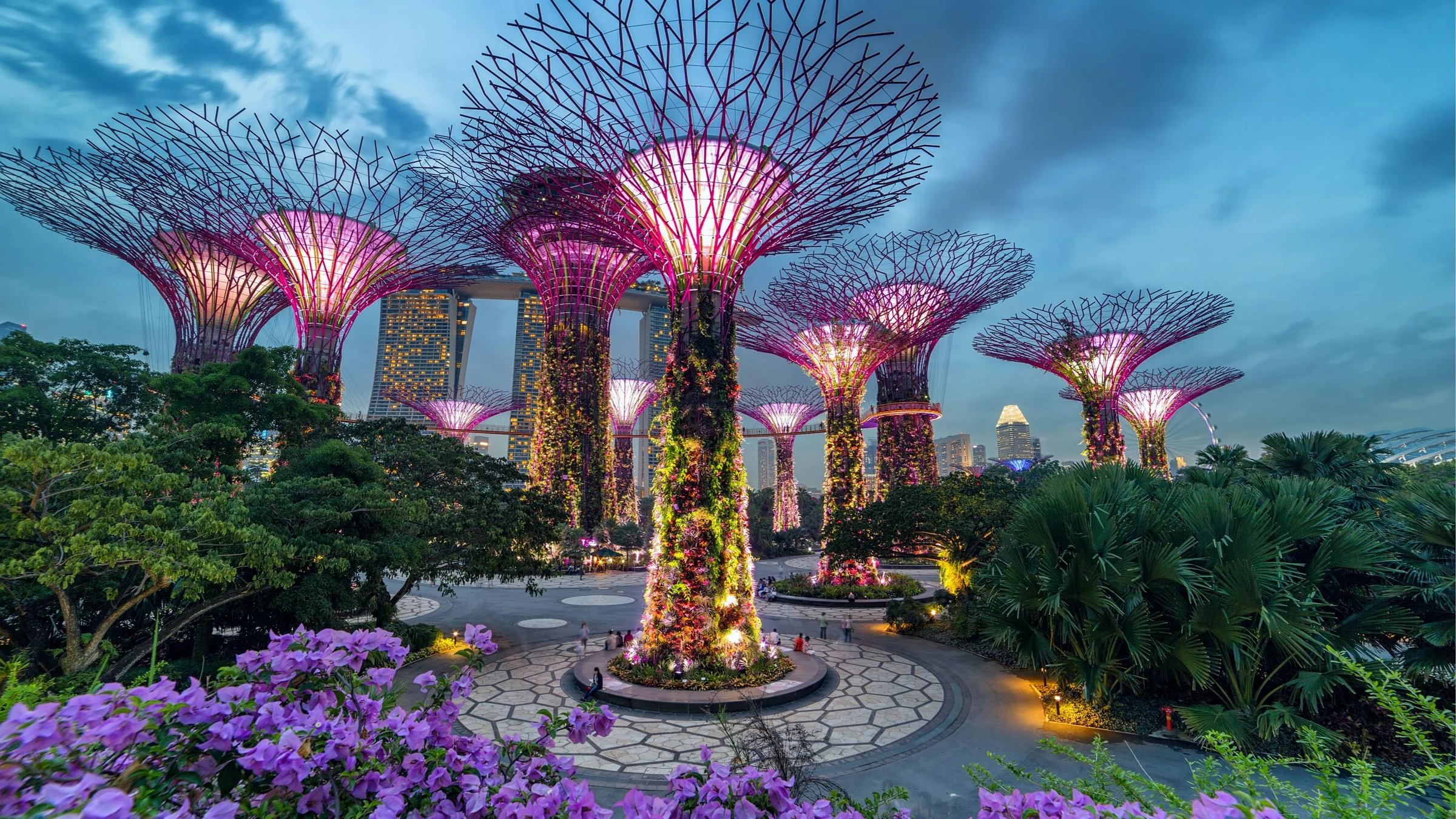
One of the examples is Gardens by the Bay in Singapore. Designed by Grant Associates in collaboration with WilkinsonEyre and environmental engineers, the project demonstrates how architecture, landscape, and infrastructure can operate as a unified ecological system. Its cooled conservatories maintain highly controlled climatic conditions capable of supporting plant species from Mediterranean and cloud forest environments despite Singapore’s tropical climate. Temperature, humidity, airflow, irrigation, and daylight are regulated through advanced environmental systems.
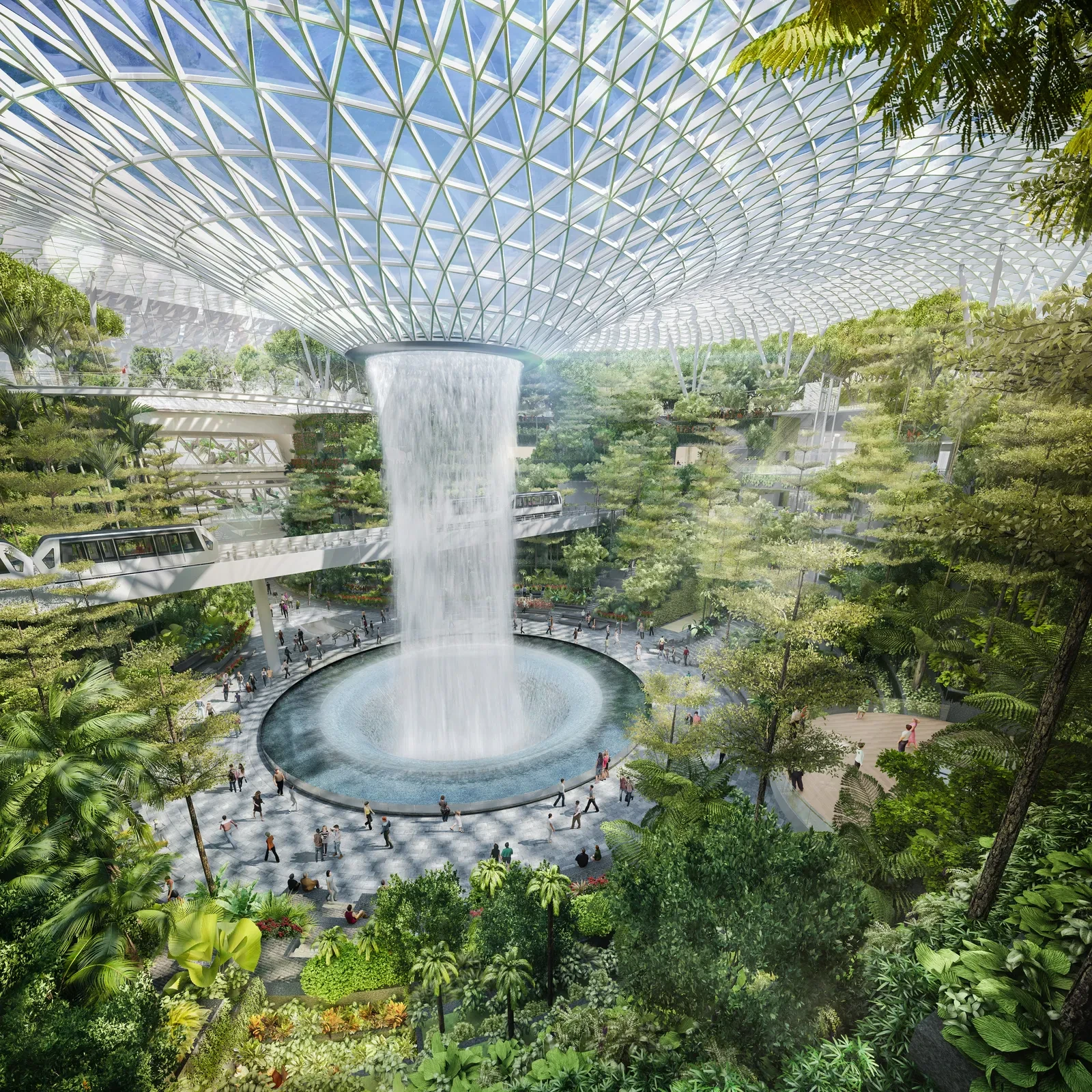
Nearby, Jewel Changi Airport further illustrates this approach. At its center stands the Rain Vortex, the world’s tallest indoor waterfall, surrounded by a multi-story indoor forest. While often celebrated for its visual impact, the project is equally significant as an environmental system. Sophisticated climate-control technologies, water-recycling infrastructure, and ecological management strategies support vegetation growth within one of the busiest transportation hubs in the world.
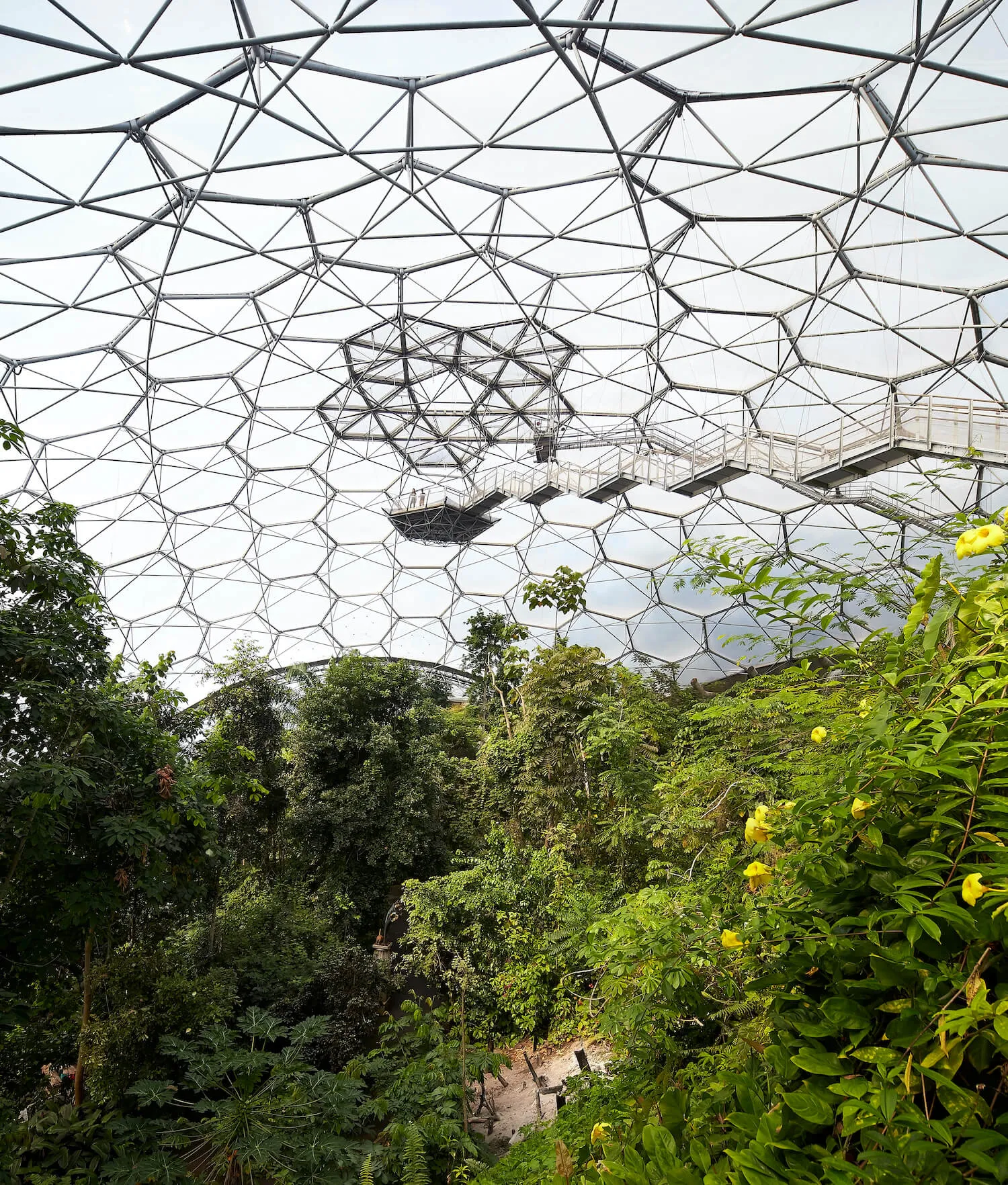
In the United Kingdom, the Eden Project pioneered many of these ideas. Its geodesic biomes contain thousands of plant species from diverse climatic regions, each sustained through engineered environmental conditions. Since opening in 2001, the project has become a benchmark for how architecture can support conservation, education, and ecological awareness while demonstrating the technological complexity required to sustain engineered ecosystems.
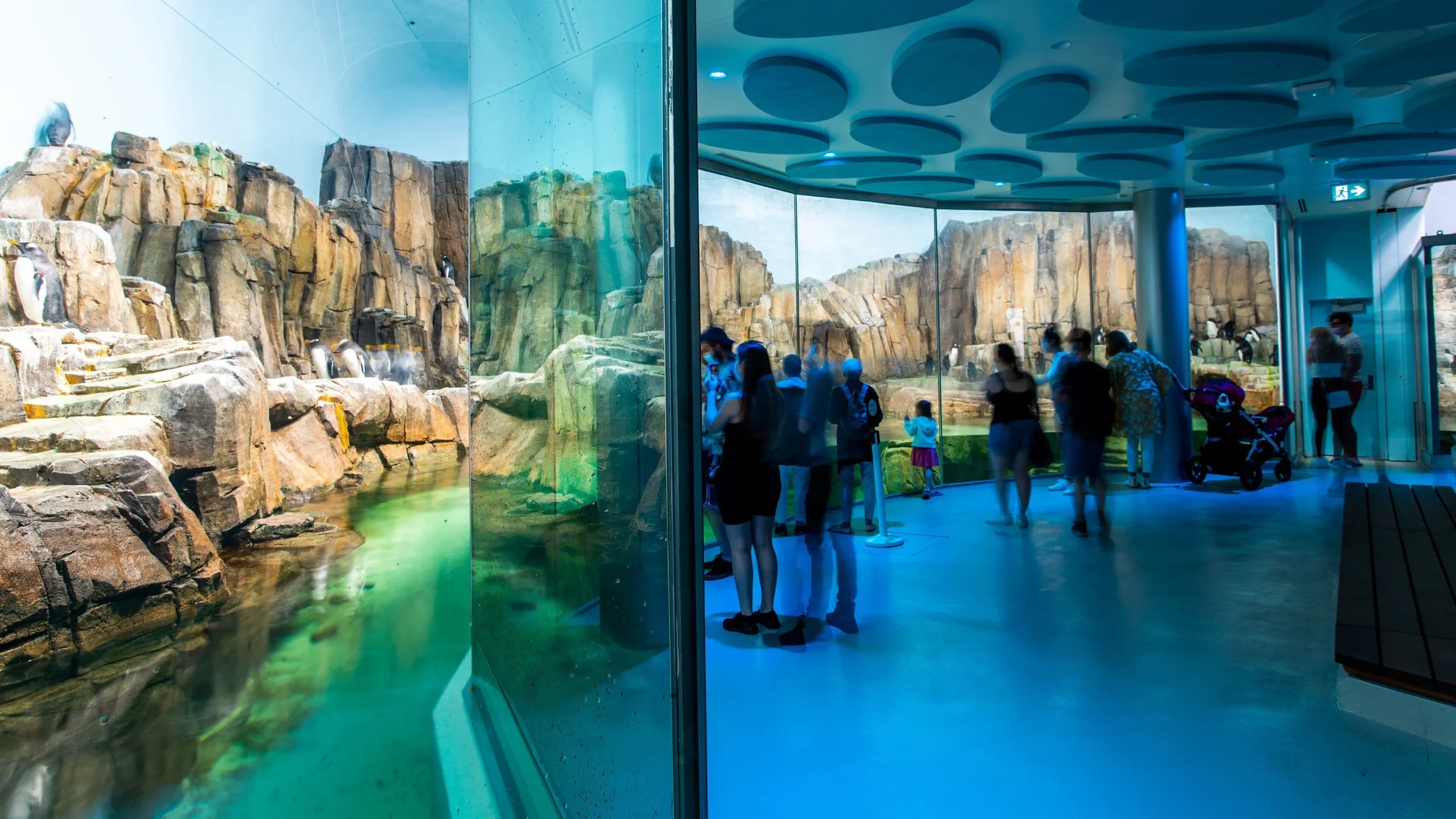
Montréal’s Biodôme offers another important example. Originally built for the 1976 Olympic Games and later transformed into a biodiversity museum, the facility recreates multiple ecosystems within a single building envelope. Tropical forests, marine habitats, and polar environments coexist through controlled environmental systems that regulate temperature, humidity, airflow, and light.
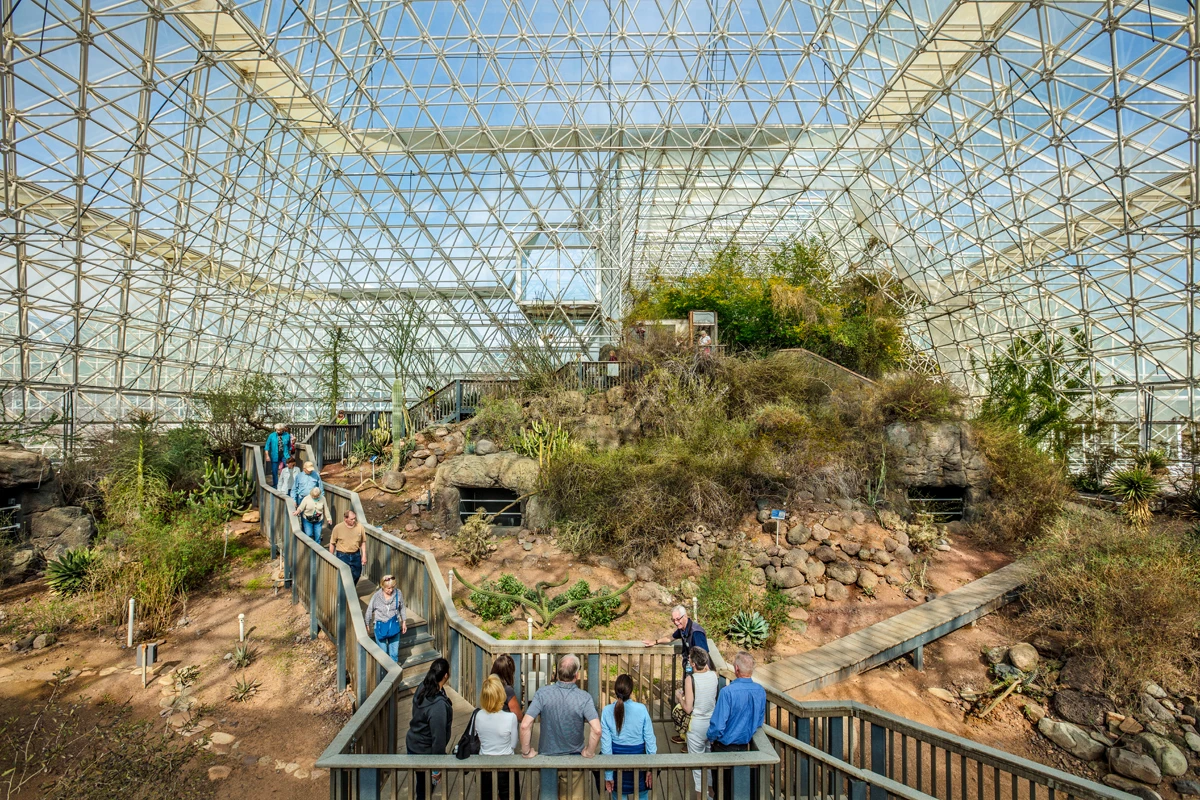
Another ambitious experiment remains Biosphere 2 in Arizona. Conceived as a self-contained ecological system capable of supporting human life, the project sought to replicate the complexity of natural ecosystems within a closed environment. While the experiment exposed significant challenges in recreating ecological relationships, it provided invaluable insights into atmospheric control, environmental management, and ecosystem interdependence.
Opportunities and Risks
Fusion energy offers the possibility of abundant low-carbon power. Weather modification may provide support for water-stressed regions facing unpredictable climatic conditions. Controlled-environment agriculture can strengthen food security while reducing pressure on land resources, and climate-controlled ecosystems can support conservation, education, and public engagement with environmental issues.
Fusion remains expensive, technologically challenging, and commercially unproven. Cloud seeding operates within scientific uncertainty and raises questions about environmental governance. Large-scale climate-control systems often require substantial energy, maintenance, and operational resources. There is also a constant danger that engineered nature becomes a substitute for ecological responsibility. Indoor forests and climate-controlled landscapes can create the appearance of environmental stewardship while broader ecosystems continue to degrade outside the boundaries of the project.
Artificial suns, artificial rain, and climate-controlled ecosystems may seem like separate innovations, but they all reflect a broader shift in how humans interact with the environment. Technologies that once belonged to science fiction are being used to produce energy, manage water resources, and create controlled ecological conditions.
For the built environment, this opens new possibilities for energy, water management, and climate-responsive design. The challenge ahead is ensuring that these technologies support ecological resilience while maintaining a strong connection to the natural systems they seek to replicate.
