


On June 8, the architectural community celebrates the birth anniversary of Frank Lloyd Wright, one of the most influential architects of the 20th century. Born on June 8, 1867, Wright transformed the way people think about the relationship between architecture and nature through his pioneering philosophy of organic architecture. Long before concepts such as biophilic design became central to contemporary practice, he advocated for buildings that worked in harmony with their natural surroundings.
Over the course of his career, Wright developed design principles that emphasized a seamless connection between people, architecture, and the environment. Through the use of natural materials, abundant daylight, and strong visual links to the landscape, his projects demonstrated how the built environment could nurture a deeper relationship with nature.
As architects continue to explore sustainable and human-centered design approaches today, Wright’s legacy remains a powerful reminder of the enduring value of designing with nature. He consistently integrated the biophilic design concept in several of his iconic works, showing how architecture could create meaningful connections with the natural world.
What is Biophilic Design?
Biophilic design is a design philosophy that brings people closer to nature through the spaces. Rooted in the idea that humans have an innate connection to the natural world, architecture should integrate daylight, greenery, natural materials, and fresh air into the built environment to enhance well-being and everyday experience.
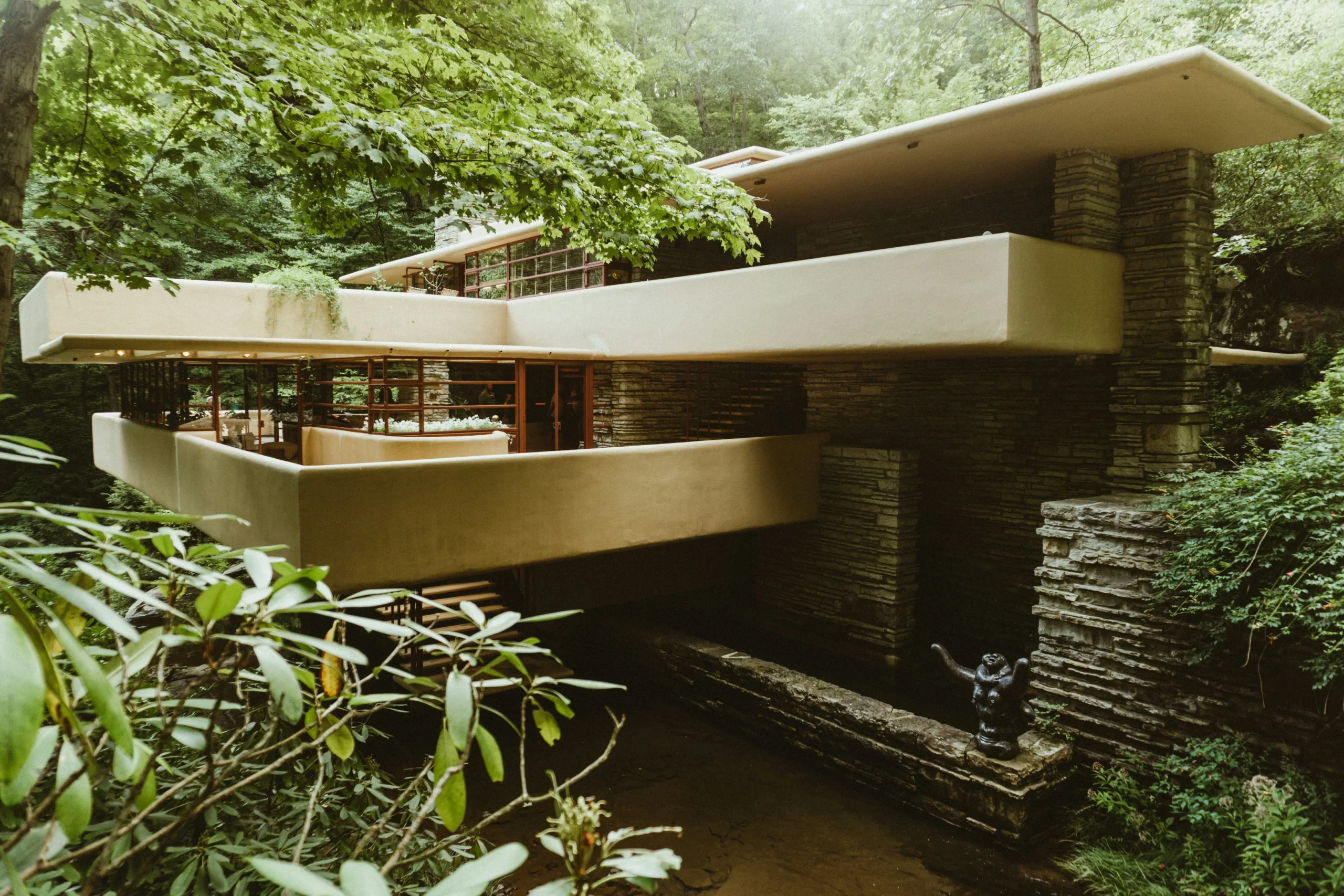
Instead of separating architecture from nature, biophilic design weaves it together. Long before the concept became widely recognized, Frank Lloyd Wright was already integrating this approach, creating buildings that dissolved the boundaries between indoors and outdoors.
Biophilic Architecture by Frank Lloyd Wright
Long before biophilic design became part of the architectural vocabulary, Frank Lloyd Wright was already demonstrating how buildings could exist in harmony with nature. Guided by his philosophy of Organic Architecture, he believed that a building should feel rooted in its surroundings, growing naturally from the landscape rather than standing apart from it.
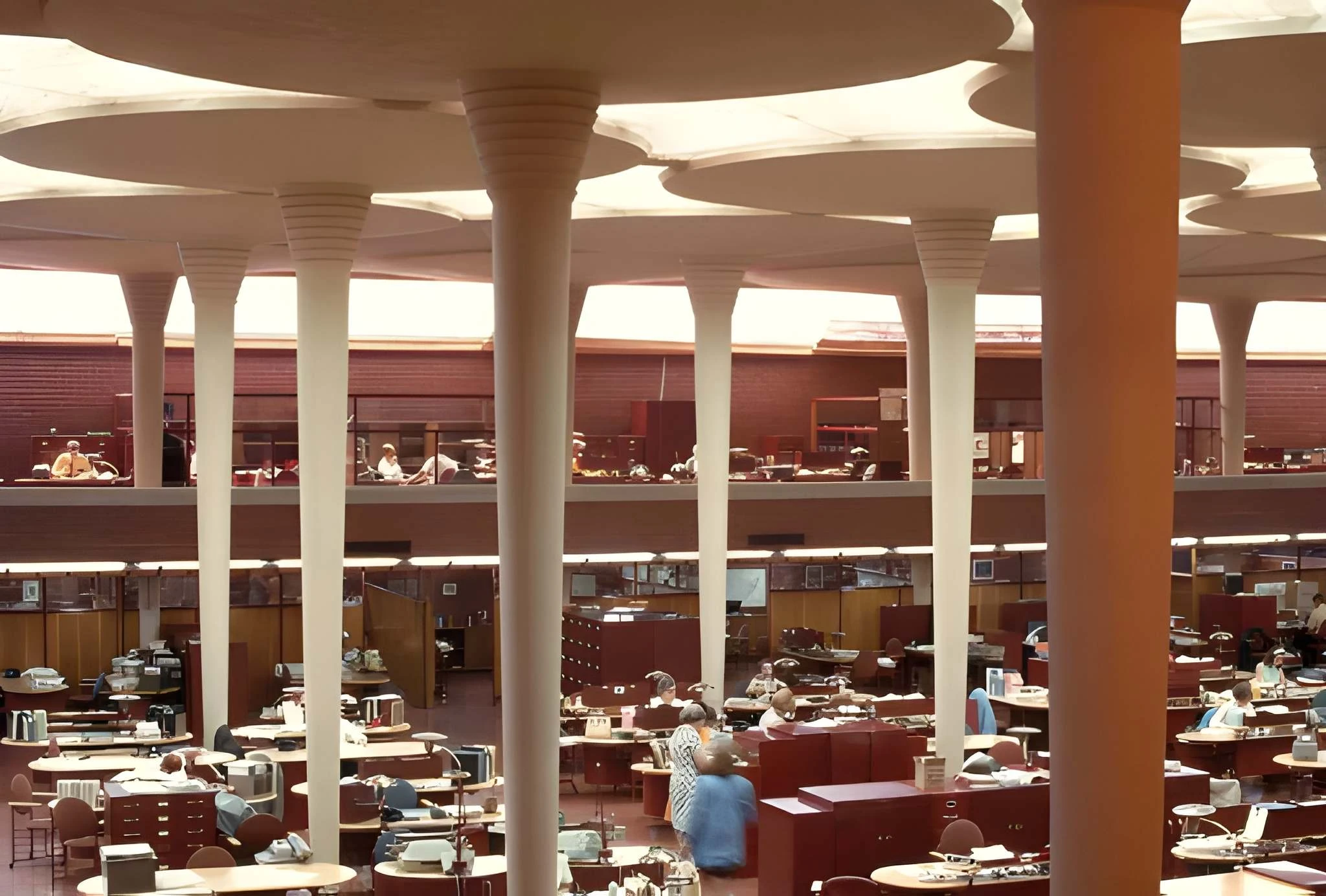
His projects embraced natural light, local materials, expansive views, and seamless indoor-outdoor connections, creating spaces that felt deeply connected to their environment. From the iconic Fallingwater to his many residential masterpieces, Wright’s work reveals a timeless lesson: architecture is at its most powerful when it strengthens our relationship with the natural world.
Characteristics of Biophilic Design
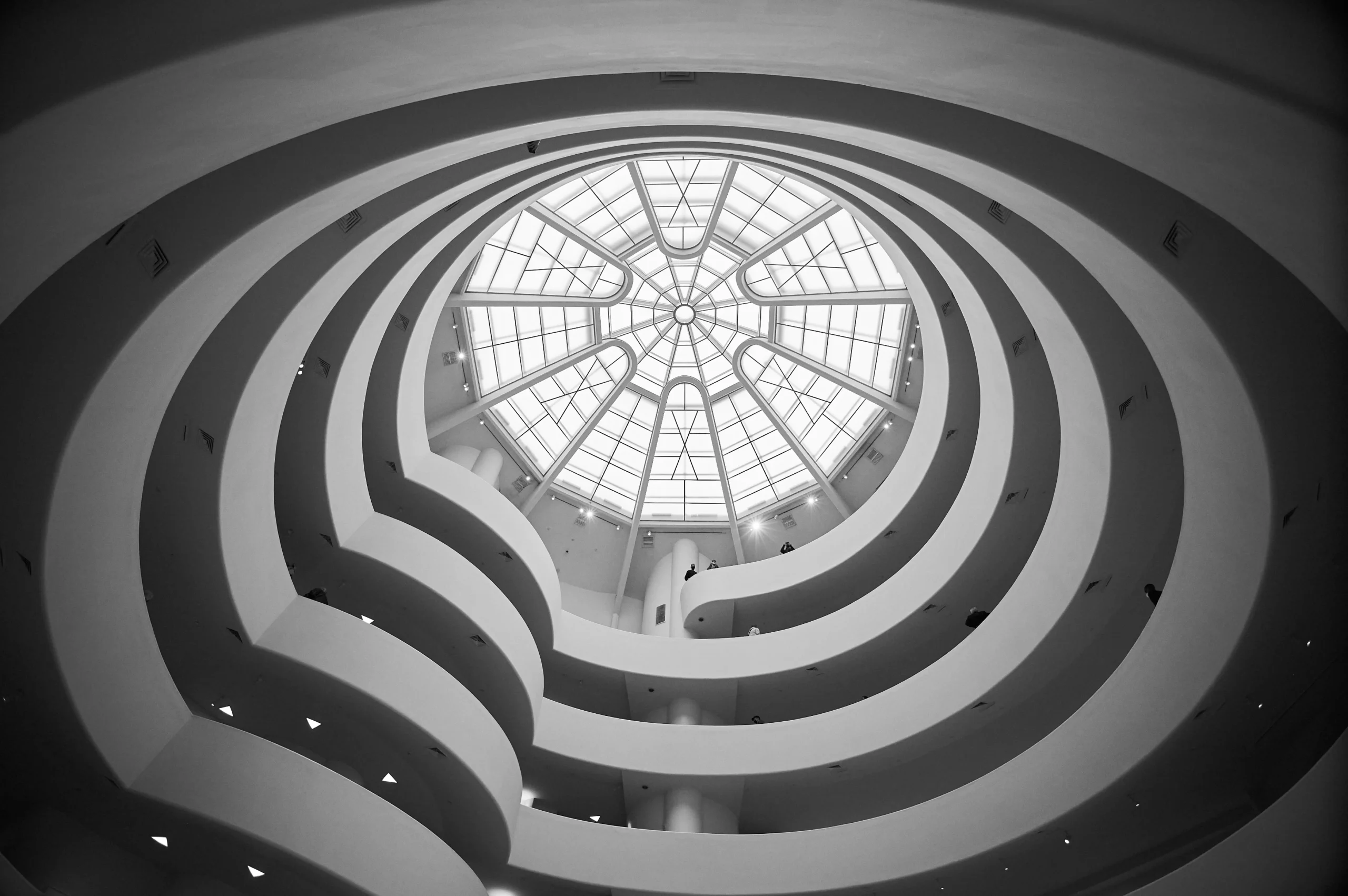
Biophilic Design and architecture are characterized by the following features:
1. Integrating Natural Sunlight – Biophilic spaces are maximized by the integration of sunlight, which helps improve mood and reduces reliance on artificial lighting, making them more sustainable.
2. A Strong Connection to Nature – Biophilic designs are seamlessly integrated with the natural landscape, and views of landscapes, gardens, trees, water, and natural scenery are central to biophilic design.
3. Indoor-Outdoor Integration – Integrating indoor and outdoor spaces of the architecture, which helps create a seamless relationship with nature.
4. Integration of Natural and Local Materials – Biophilic designs integrate local materials that make architecture sustainable while strengthening the connection to the environment.
5. Presence of Vegetation and Water Feature – Vegetation and living systems are directly integrated into architectural spaces, bringing a piece of landscape indoors that enhances the space quality. Also, water elements and features create sensory experiences that promote relaxation and well-being.
6. Organic Forms – Designs often draw inspiration from natural geometries, flowing forms, fractals, and biomorphic shapes found in plants, landscapes, and ecosystems.
Connection of Architecture to Nature | Falling Water
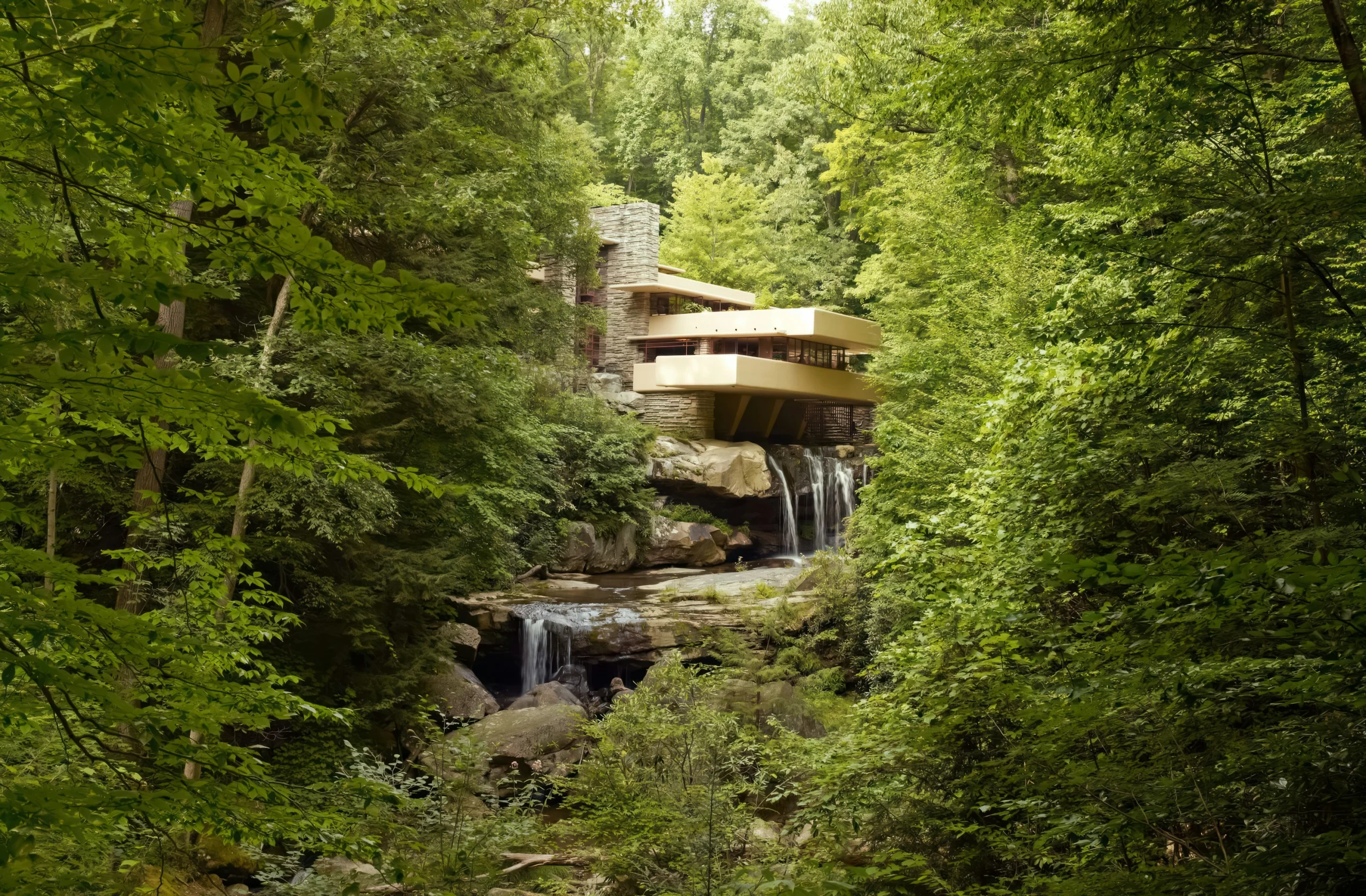
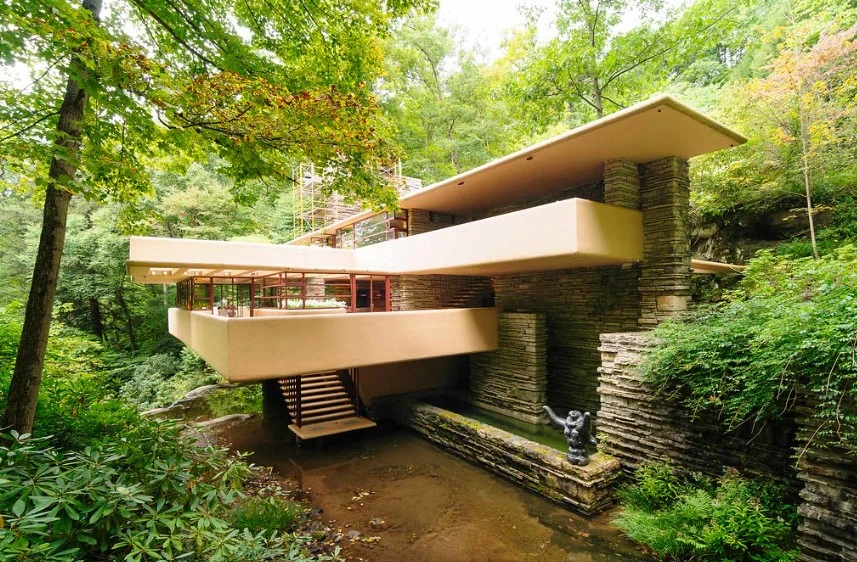
Falling Water (1939) is one of the few architectural examples that capture the relationship between architecture and nature as powerfully as Fallingwater. Designed by Frank Lloyd Wright, the iconic house is dramatically perched above a waterfall that becomes a part of the landscape instead of simply sitting within it. Natural stone, expansive terraces, and uninterrupted views of the surrounding forest create a seamless connection between indoors and outdoors, allowing nature to be experienced at every turn.
More than a masterpiece of design, Fallingwater demonstrates how architecture can deepen our connection to the natural world, creating spaces that feel immersive.
Organic Form and Architecture | Guggenheim Museum
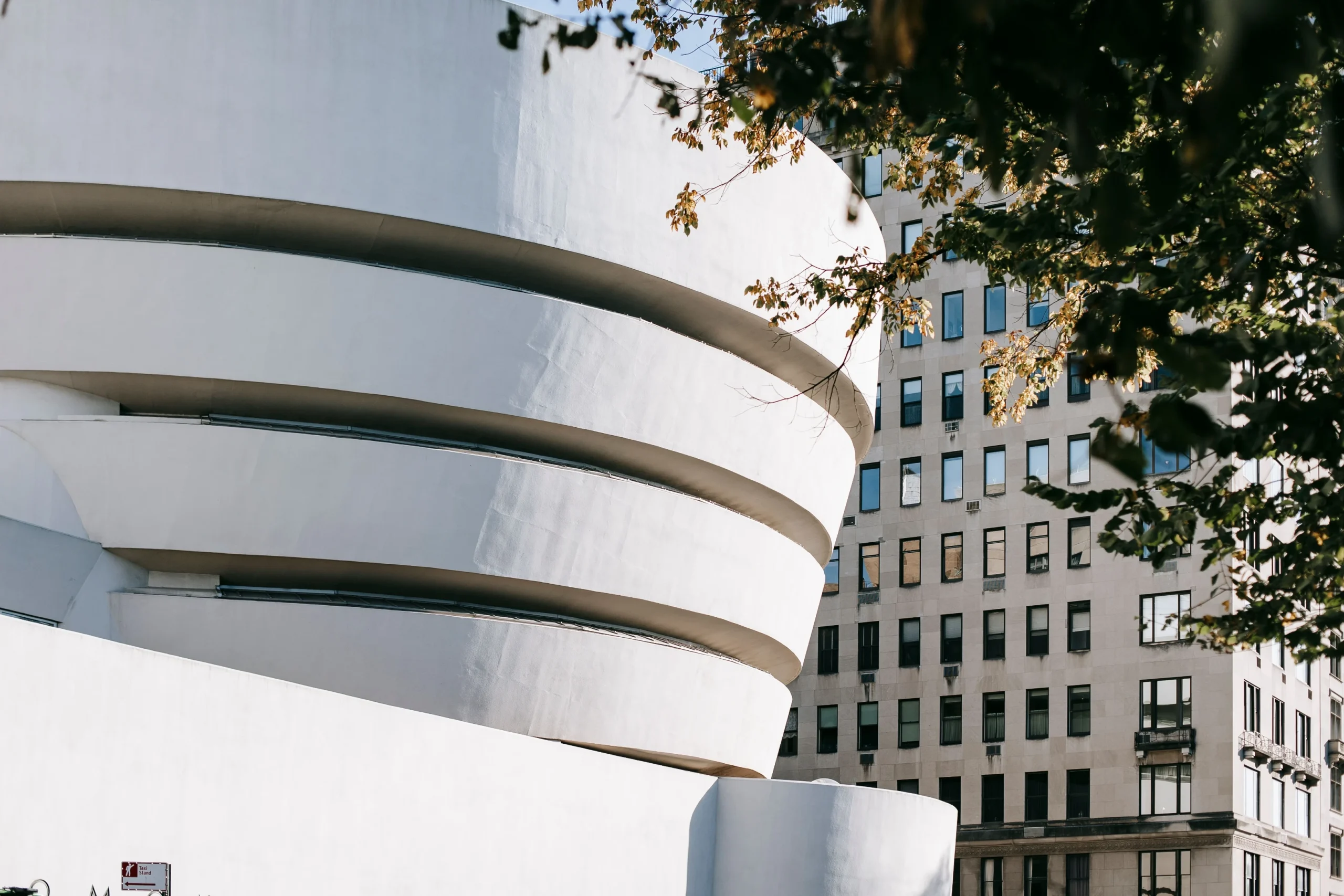
The Guggenheim Museum (1956-1959) is a perfect example of organic architecture that also embodies key principles of biophilic design through its organic forms, natural inspiration, and immersive spatial experience. The Guggenheim Museum’s iconic spiral ramp, modeled after a nautilus shell, reflects a natural flowing form, encouraging continuous movement and a connection with the space and a concept of biophilic design. The building’s curves and fluid form contrast with the rigid urban grid of Manhattan, creating a more natural, human-centered experience.
Integrating Natural Materials | Robie House
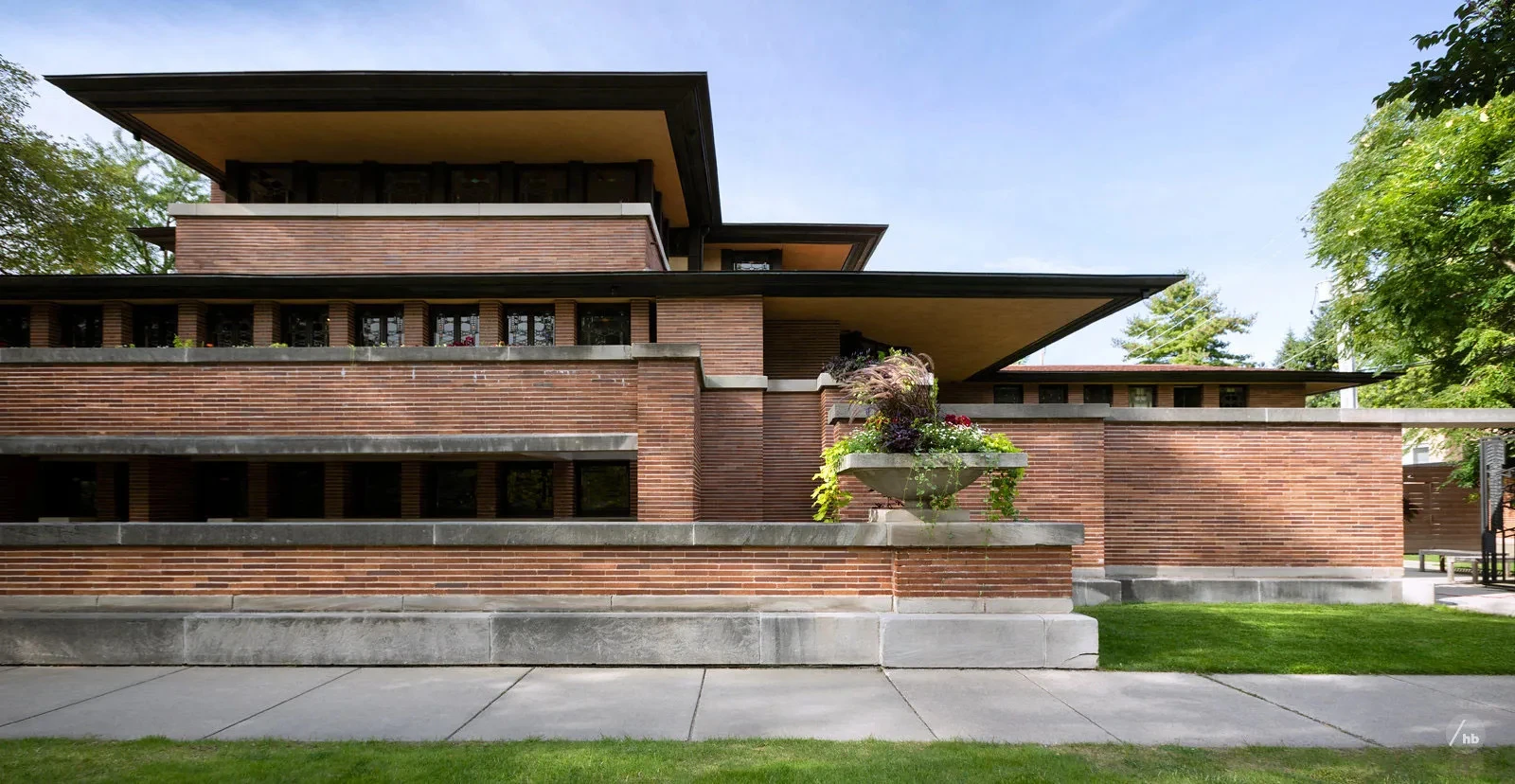
Robie House (1909), by F L Wright, is a prime example of architecture demonstrating the power of natural and local materials elegantly. The residence uses brick, wood, and earthy tones to create a seamless connection with its natural surroundings. Its strong horizontal lines and expansive roof planes echo the vast Midwestern landscape, making the building feel like a natural extension of the site. Robie House reveals Wright’s enduring belief that architecture should grow from its environment, creating spaces that are grounded, timeless, and connected to nature.
Frank Lloyd Wright’s architectural influence continues to shape the way architects think about architecture and design. Across more than 500 built projects, he envisioned architecture that worked in harmony with nature, people, and place. Today, his principles of organic architecture and biophilic design remain remarkably relevant, inspiring architects around the world to create spaces with meaningful connections to the landscape and a relationship between the built and natural environment.
As cities grow denser and the demand for healthier, sustainable spaces increases, the architect’s ideas continue to prove that great architecture is timeless.
