


Singapore has been known as the ‘Garden City’ for a long time, and despite its small size, importance was given to landscaping at an urban level. As part of the Singapore Green Plan 2030, it is aiming to evolve into being a ‘City in Nature’ and is concentrating on embedding nature within its small territory by nurturing biodiversity, developing connected green spaces, and facilitating life for its people in and around the green.
One such project that helps with this goal is the recently opened Mandai Rainforest Resort, located in the Mandai Wildlife Reserve, which is a nature reserve that also houses various wildlife parks and fosters biodiversity in immersive habitats. The hotel has been designed as a regenerative resort with biophilia leading the concept and design development process.
Mandai Rainforest Resort by Banyan Tree
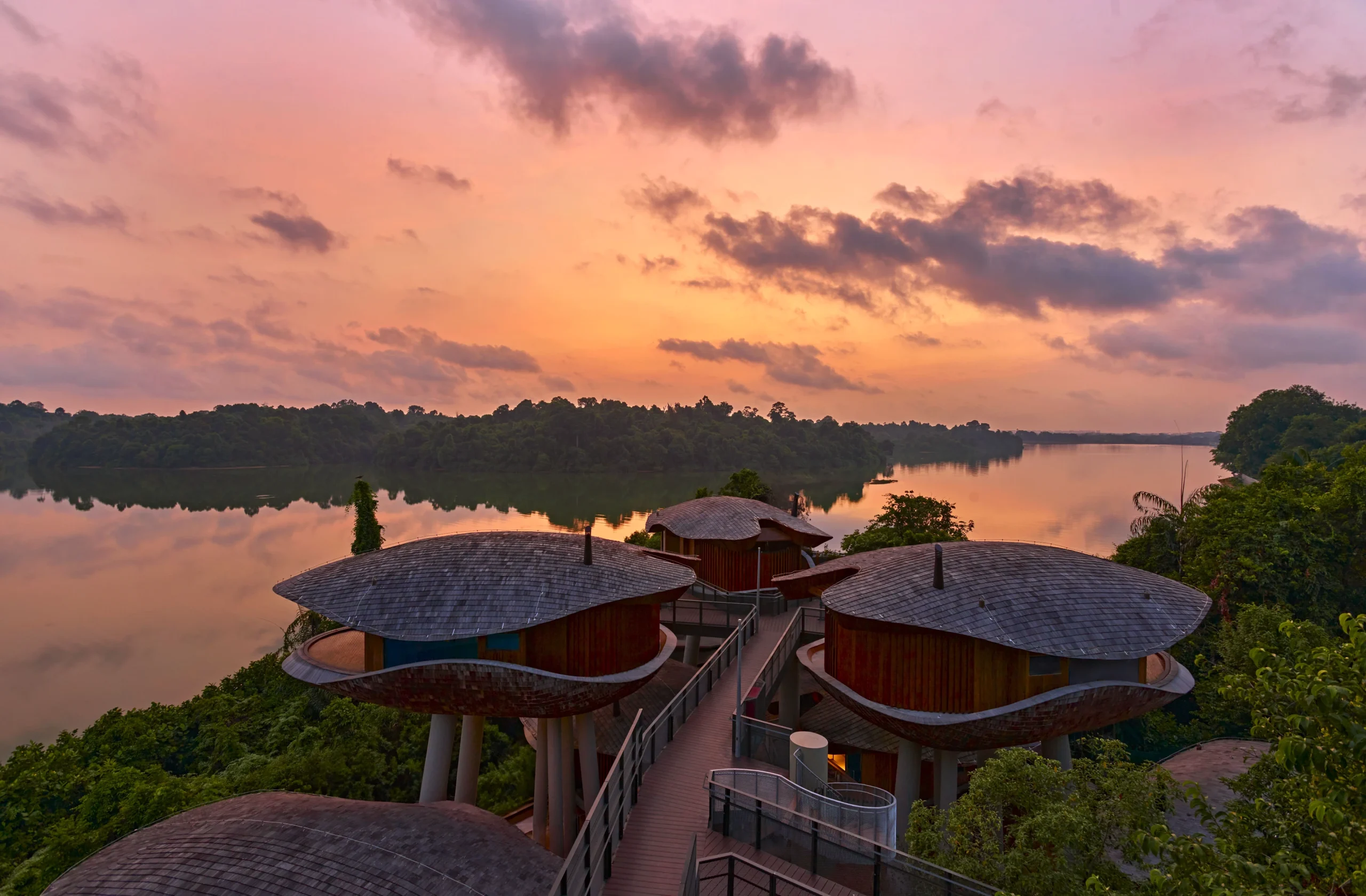
The project was designed by WOW Architects from Singapore with Atelier Ten as the sustainability consultants, and is spread over a 4.6-hectare plot that used to house the back-end facilities for the Singapore Zoo and has now been converted into lush green land. As a nature and wildlife reserve, the Mandai Wildlife Group champions sustainable ecosystems by not only conserving and safeguarding biodiversity but also restoring the natural habitat, where human and wildlife can thrive in a healthy ecosystem. Regenerative biophilia is the core concept of the project and skillfully aligned with the country’s sustainability benchmarks.
What is Regenerative Architecture?
Regenerative architecture is the practice where design goes beyond sustainability to include active renewal and replenishment of natural ecosystems. The aim then becomes to create net-positive impacts rather than just focusing on reducing negative environmental impact.
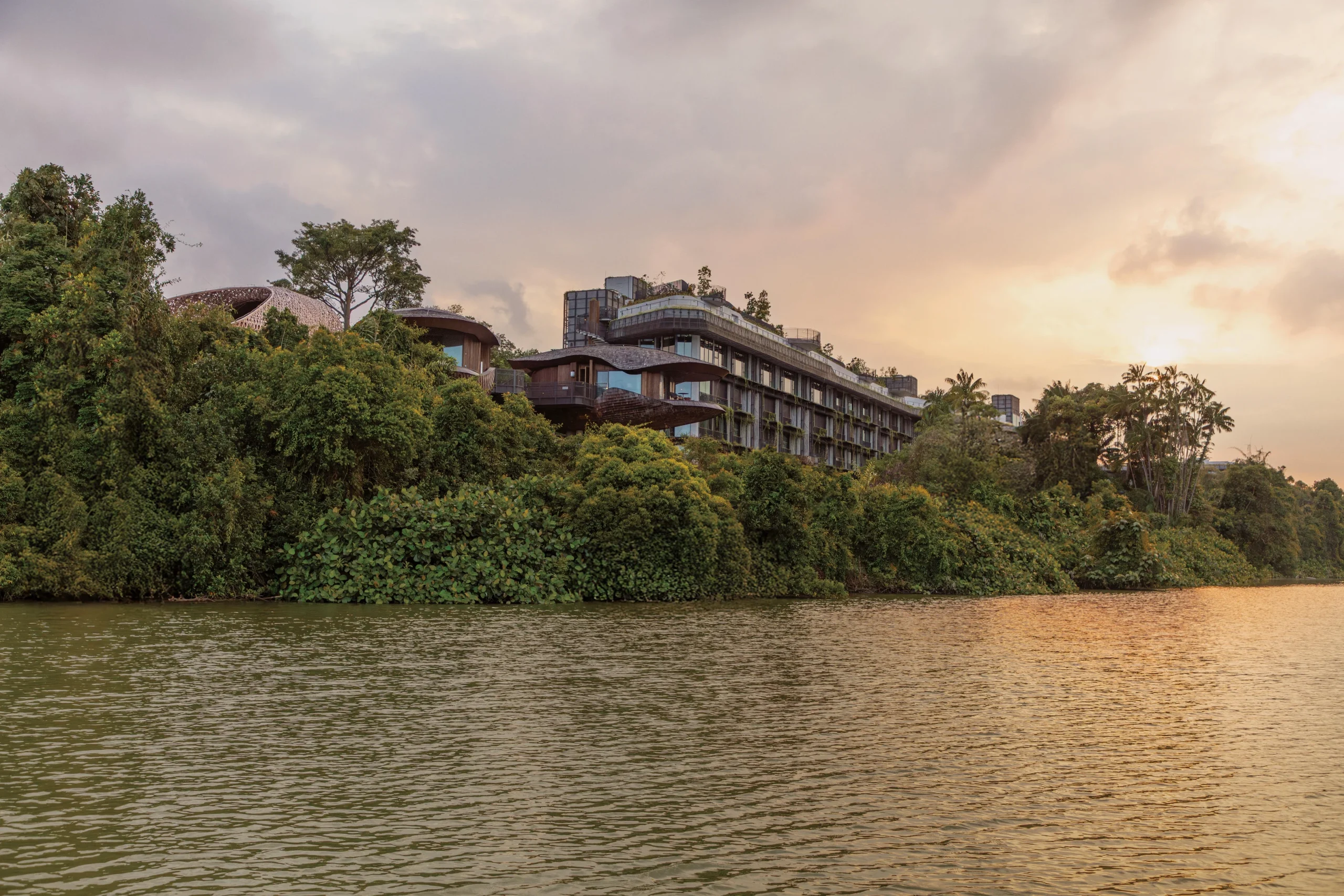
At the Mandai Rainforest Resort, restoration is a core concept of the project. While a sturdy structure was built on the site, care was taken to not only preserve the existing environment but also to strategically improve it by incorporating systems that produced net-positive impacts. The built and the natural co-exist as interconnected components of the whole ecosystem.
What is Biophilic Design?
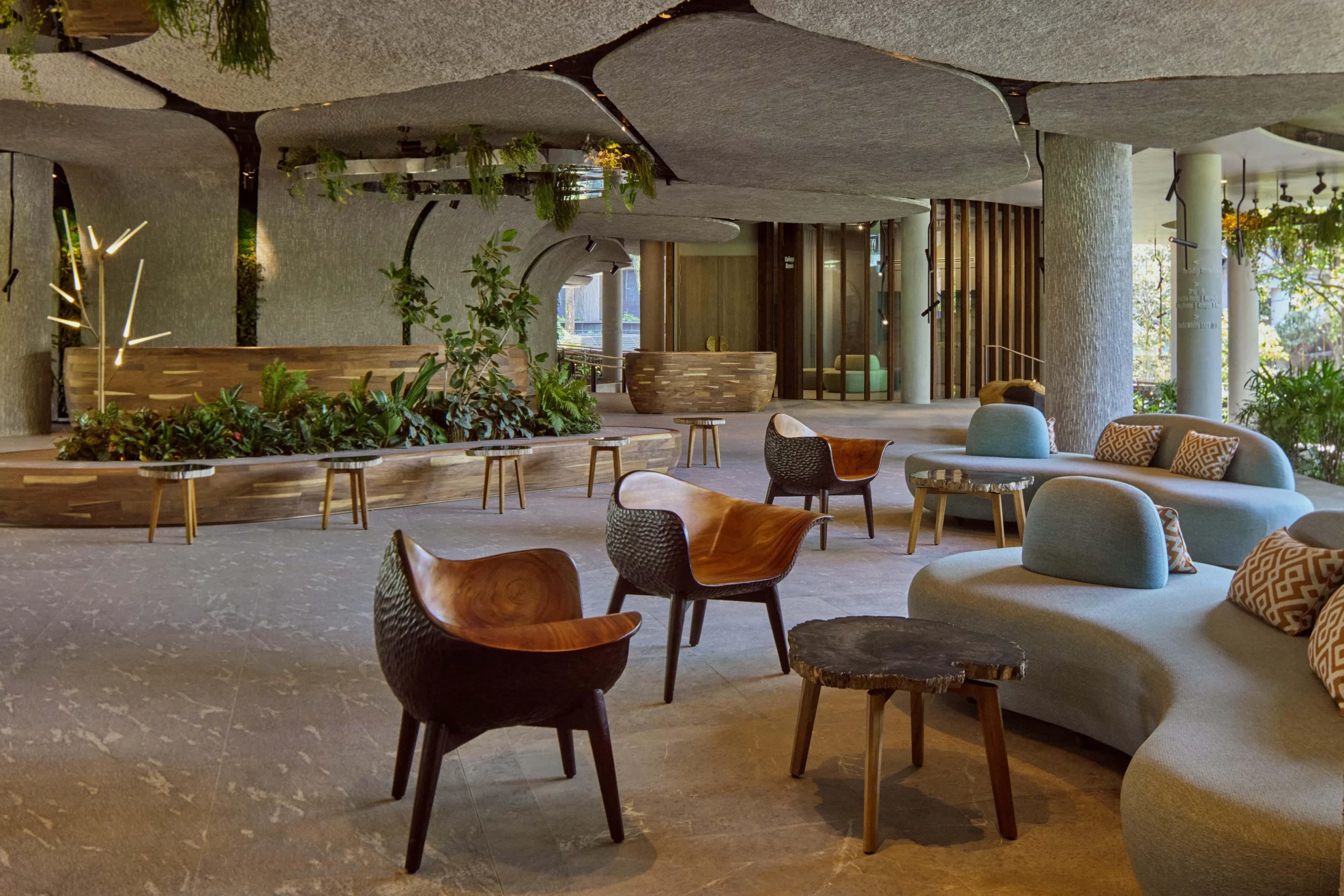
Biophilic design represents the integration of nature into the structure to create environments where connections between man and nature are nurtured and preferably enhanced. This has been proven to improve the health and well-being of the users and create sustainable designs that enhance the environmental ecology.
WOW Architects worked to create a design where the structure is reabsorbed into the existing jungle, focusing on conserving and regenerating green spaces. It was the integration of the built into nature rather than the other way around, creating nature-like forms that helped blur the lines between what is natural and what is not. This has helped create an environment where guests can not only experience nature in its truest form in the Singapore ecosystem but also actively participate in it.
Architectural Design of Mandai Resort
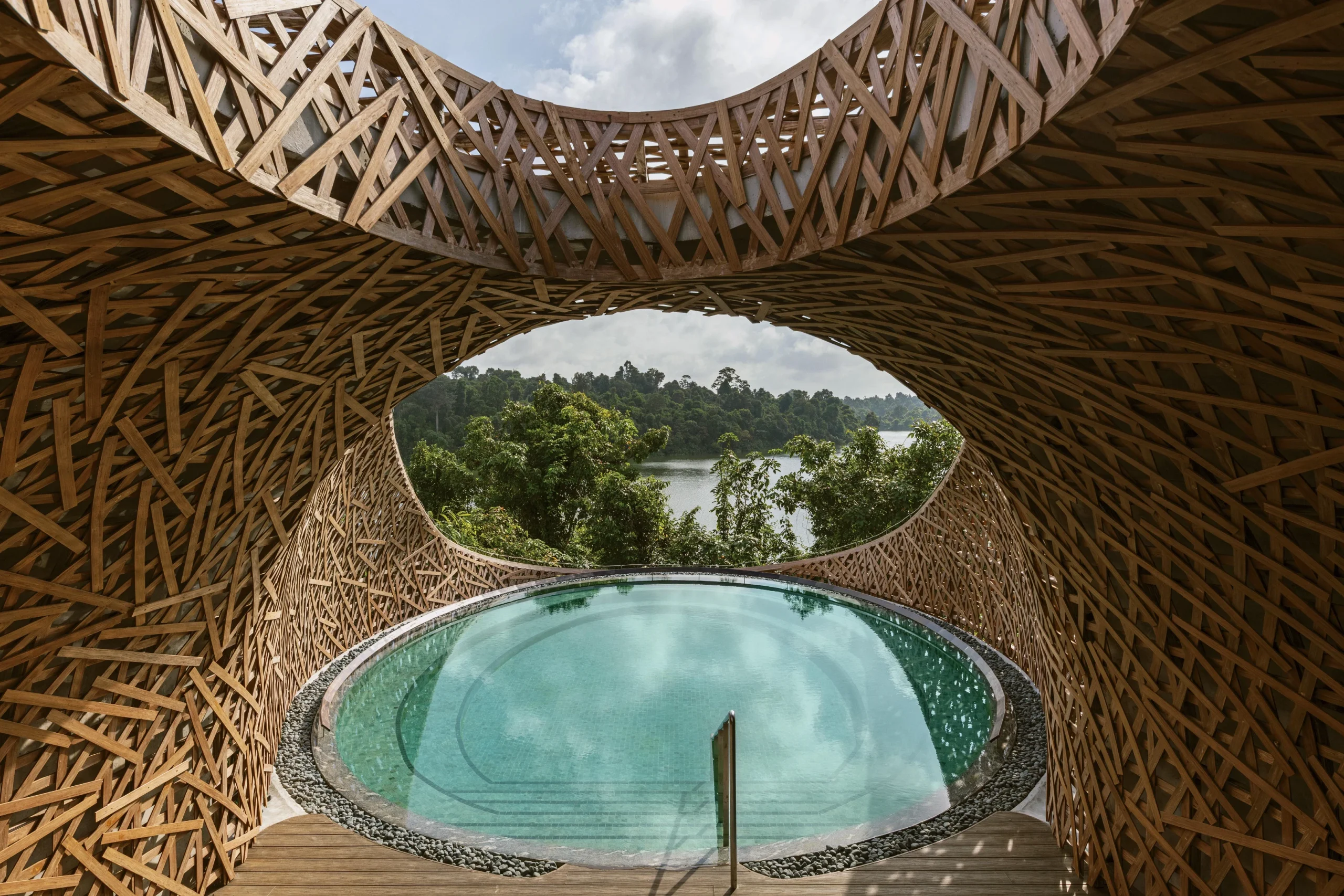
WOW Architects and Warner Wong Designs, the architectural and interior design teams for the project, were careful to design the resort in line with the sustainability goals of Mandai, which includes decarbonising efforts in every activity – be it biodiversity preservation, energy conservation, transportation, or sourcing.
The designers extended their efforts to include national sustainability standards and create a structure in accordance with the natural setting without disrupting the existing environment. They made sure the extensive site is softened by greenery and created a landscape design that allowed plants to slowly but surely grow and hide the built forms over time. Existing trees were retained, existing habitats were preserved, and built spaces were kept at low heights and raised to leave the natural terrain undisturbed while designing the resort with 338 rooms, including 24 treehouses.
Sustainable Design Elements
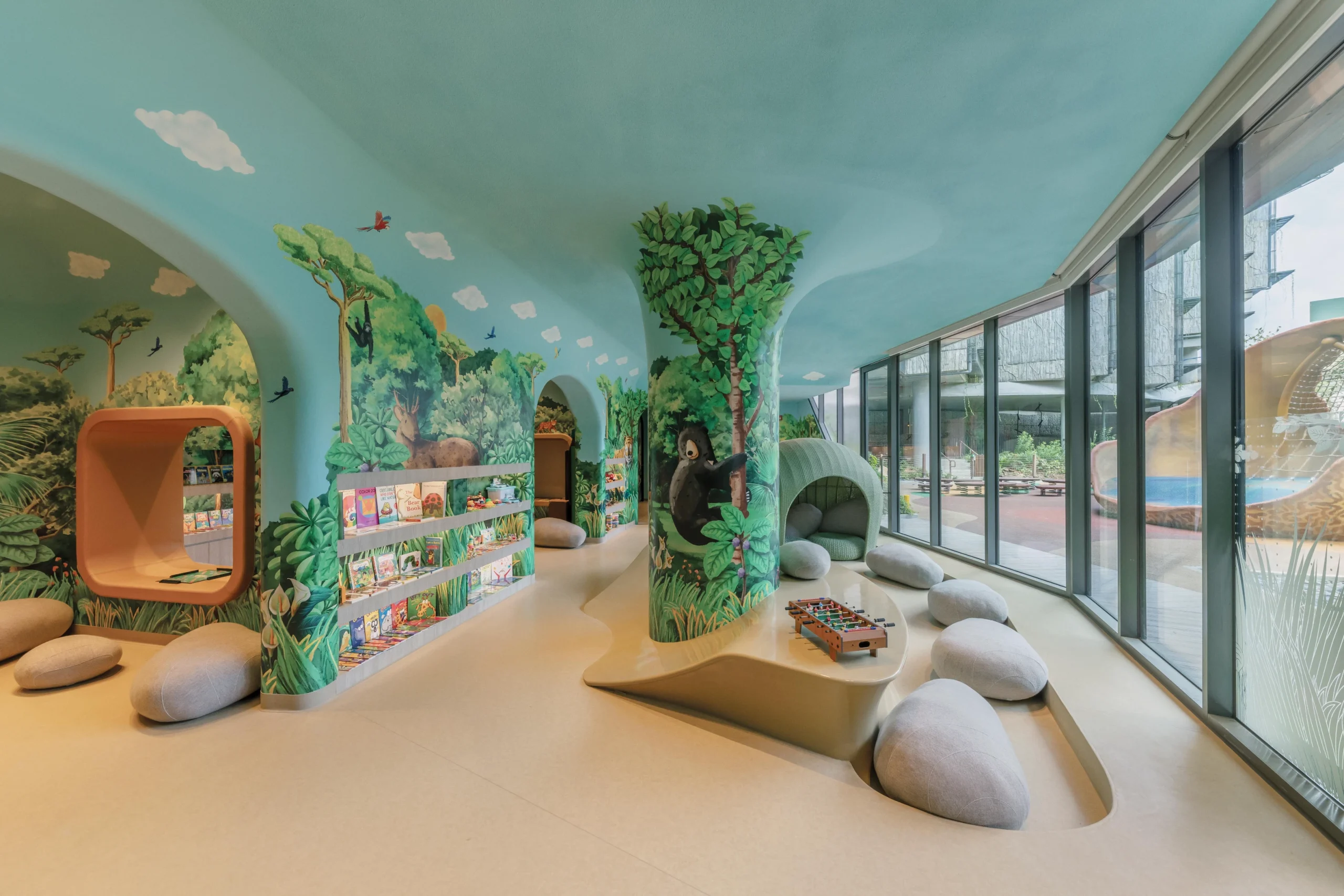
Located on the same site as a wildlife reserve, it has the biggest advantage of having a natural ecosystem that can be capitalized on for views, ventilation, achieving sustainability goals, and pursuing restoration opportunities. The structure itself is tree-like in nature, branching out to blend seamlessly into the local ecology.
The structure is either under the canopy of existing trees, only 4-5 stories high, or elevated to preserve the natural terrain. The project uses passive design techniques that embrace open-air spaces to provide natural ventilation and comfort. The lobbies and corridors were strategically designed to maximise ventilation by natural winds and reduce dependence on artificial means of ventilation. Rooms are ventilated by Passive Displacement Ventilation, where air cooled by chilled water is circulated silently and efficiently without conventional compressors.
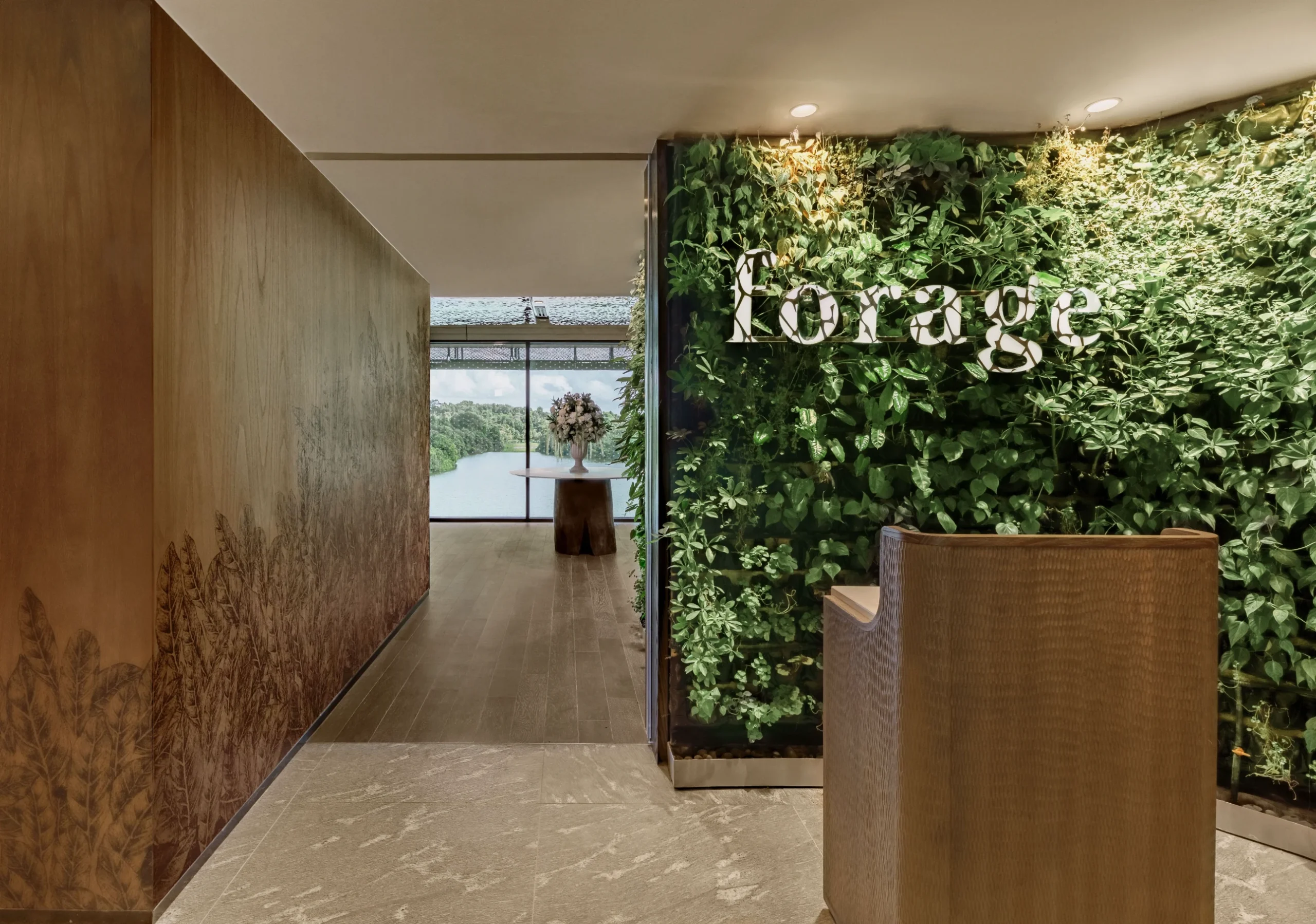
Energy is generated by rooftop solar panels to reduce dependence on the local grid. Rooms are also installed with Interactive Energy Displays that inform the guests of their real-time power and water usage to make them aware if they exceed the recommended levels. Rainwater harvesting is integrated within the project, and the harvested rainwater is then used for flushing, and wastewater is also recycled for irrigation.
Biodiversity was also leveraged by retaining existing vegetation, designing without disturbing mature trees, replanting with local varieties, planting on roofs and facades to double the amount of landscape that existed at the time of construction, and allowing animals like macaques, monitor lizards, and other birds to move freely around the space. All these steps ensured the project a reduction of 40% in energy consumption compared to typical benchmarks and made it the first hotel in Singapore to achieve the country’s Green Mark Super Low Energy certification from the Building and Construction Authority (BCA).
