


Today, global warming and climate change have become major issues, and one of their primary drivers is the construction and operation of buildings. In a rapidly changing world, sustainable Design construction, which is becoming a necessity rather than a trend, shapes the future of the sector, from reducing carbon emissions to conserving resources. According to the EPA, a green building, or sustainable building, is the practice of creating environmentally responsible and resource-efficient structures and processes throughout a building’s life cycle. This practice expands upon and complements classic building design concerns such as economy, functionality, durability, and comfort.
Green buildings are defined as projects that utilize sustainable, efficient, and as much renewable energy as possible throughout the entire process, from the design phase to the moment the building is opened for use and throughout its operation. Sustainable buildings, which strike a balance between reducing the environmental footprint and increasing user well-being, are achieved through careful planning and implementation of various strategies that prioritize maintaining efficiency and innovation.
Here are the principles that should be applied for sustainable architecture:
1. Maximizing Site Potential
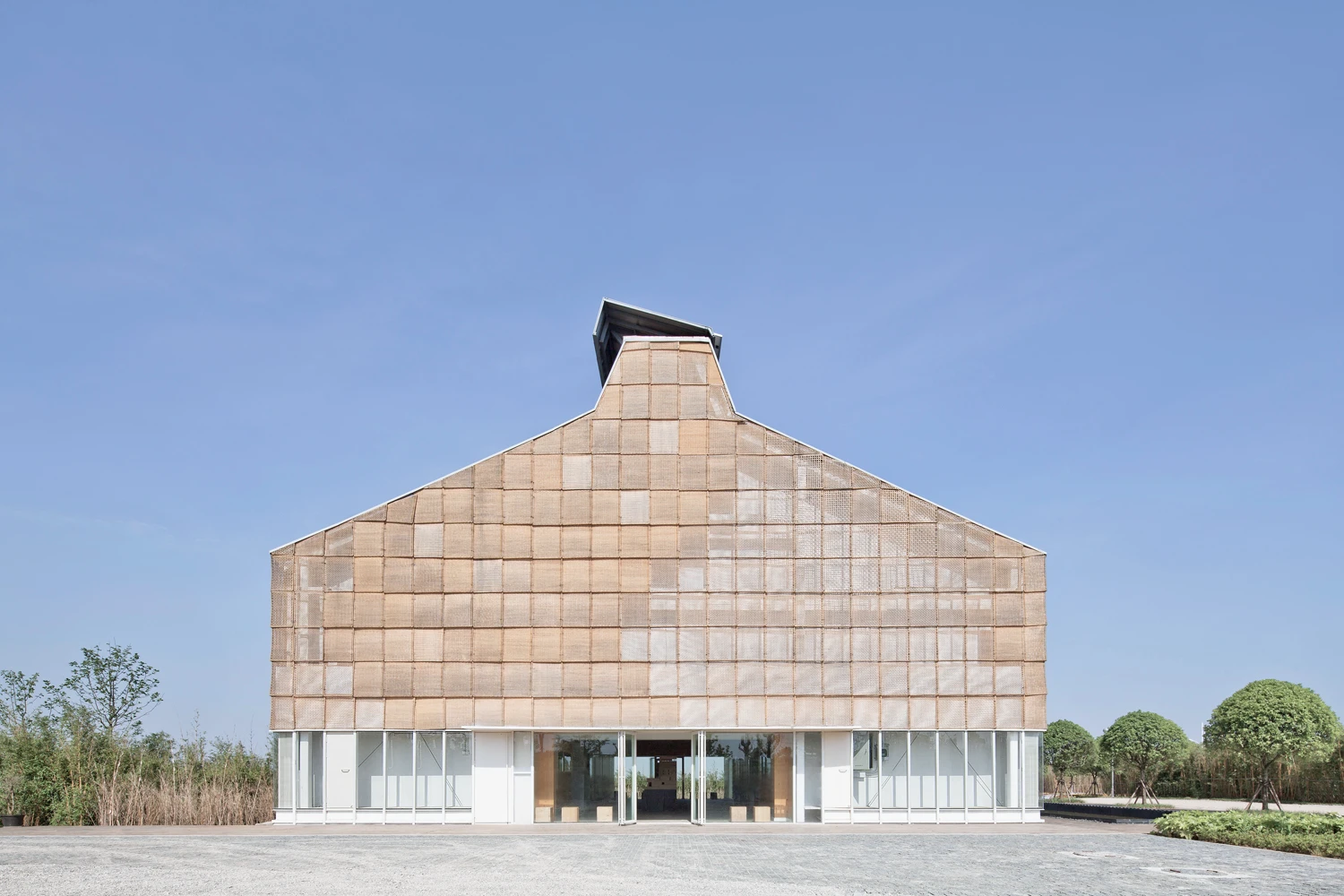
Green building design strategies come into play long before construction teams begin excavation. Therefore, maximizing site potential is fundamental to sustainable architecture principles. A comprehensive site assessment should be conducted before design to optimize the potential of a site. This evaluation considers the existing conditions of a site or pre-existing structure, including its landscape, orientation, and location. Evaluating ecological characteristics such as soil quality, vegetation, wildlife, and water resources minimizes damage to ecosystems and biodiversity. Protecting sensitive habitats, wetlands, and water resources, along with implementing measures such as stormwater management and erosion control, are essential components of sustainable site planning.
2. Integration of Renewable Energy Systems
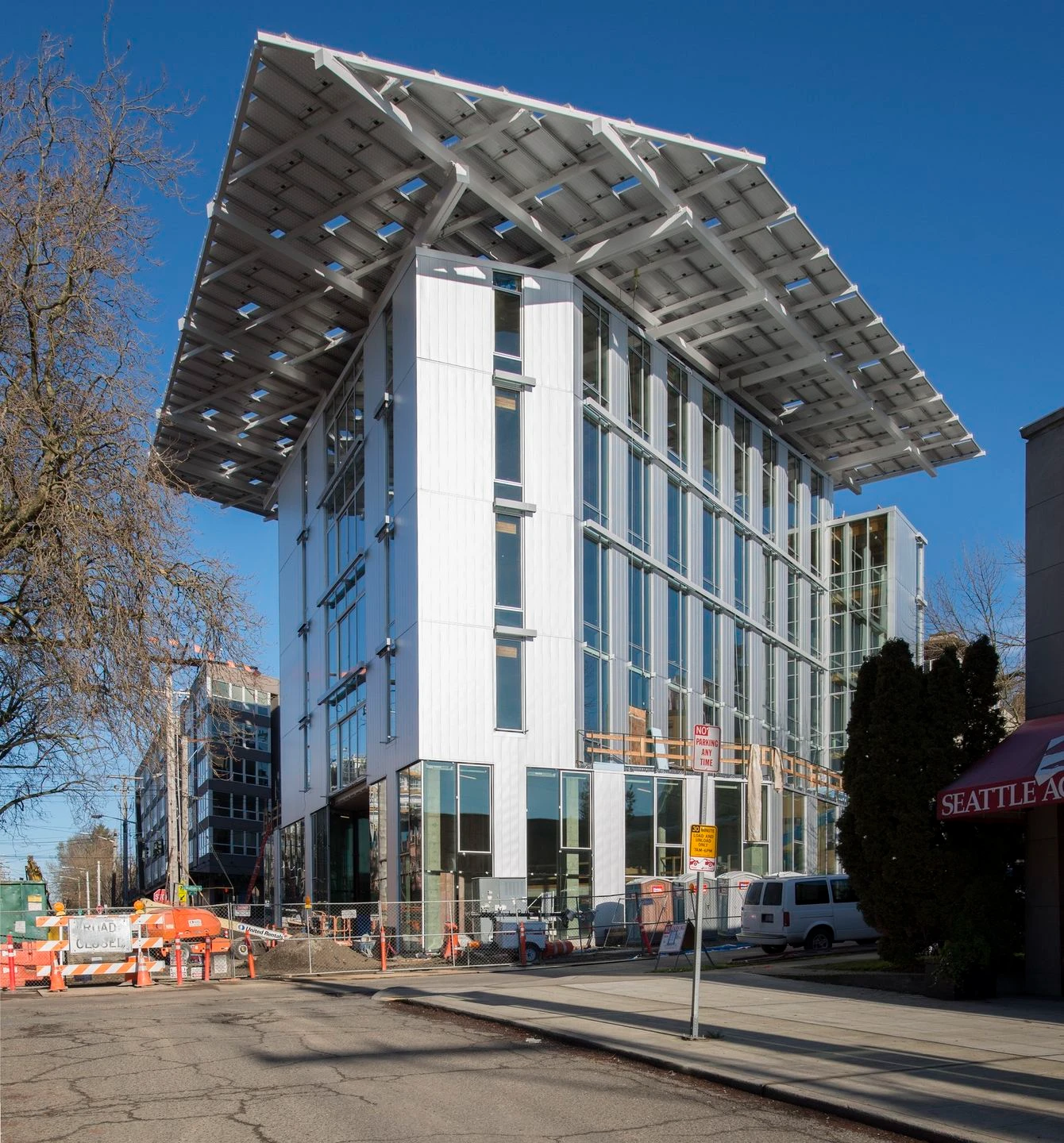
In sustainable architecture, where the goal is to minimize non-renewable energy consumption and greenhouse gas emissions, the integration of renewable energy systems is a crucial principle. Renewable energy sources, which reduce dependence on fossil fuels and lower carbon emissions, not only make a building more sustainable but also provide long-term cost savings.
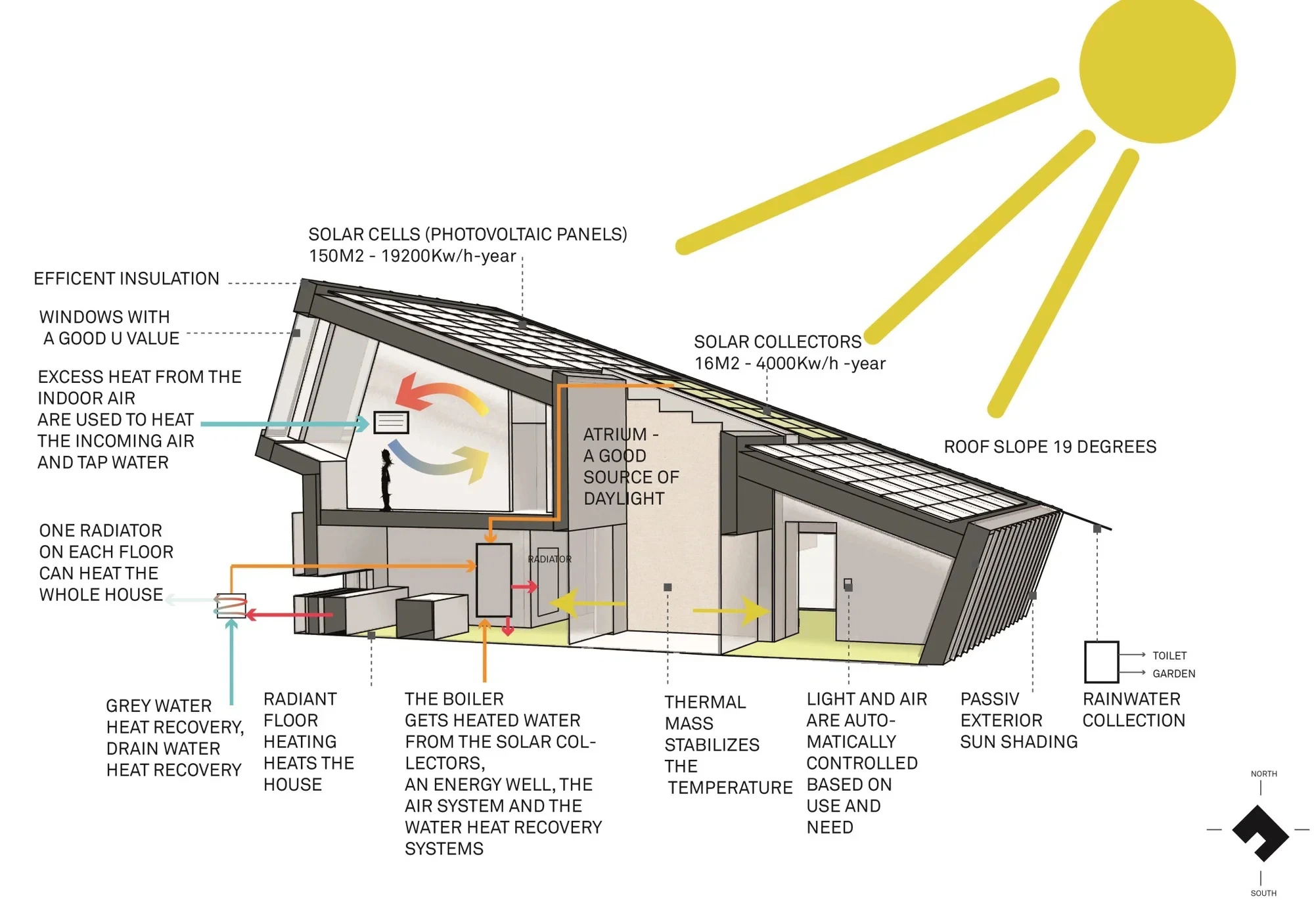
Renewable energy systems, such as solar panels or wind turbines, maximize the use of natural energy when combined with passive design strategies, such as positioning the building to receive maximum sunlight.
3. Energy Efficiency
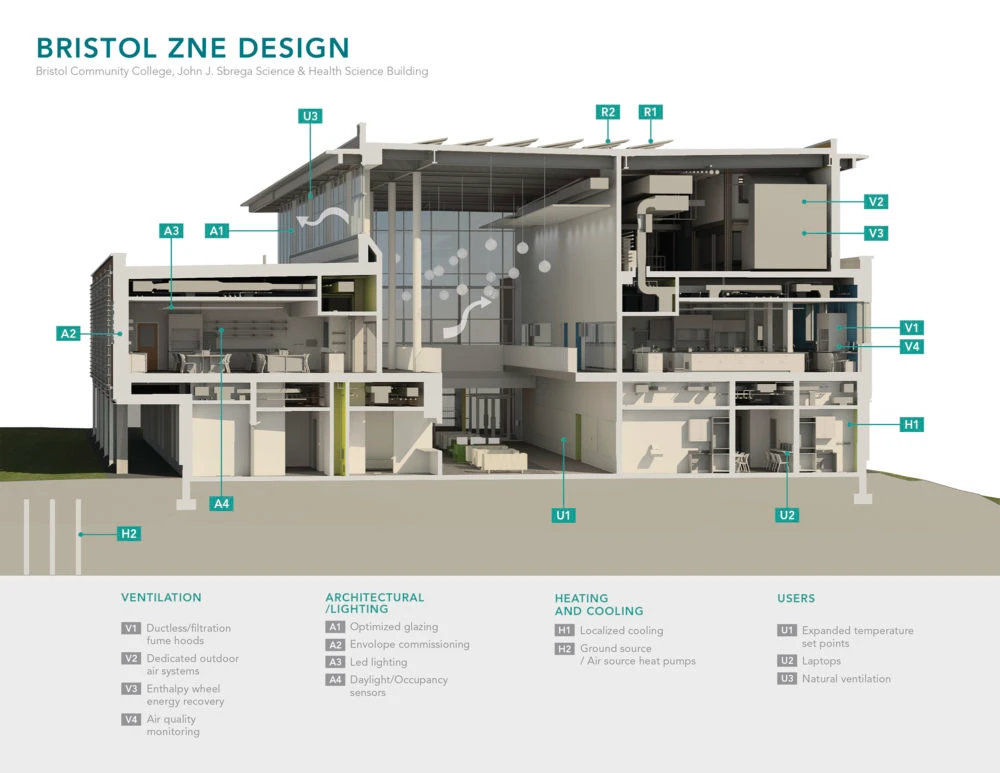
Energy efficiency, one of the sustainable design principles, refers to the use of design, construction, and operation techniques to minimize energy consumption while maintaining or increasing user comfort, functionality, and productivity. By optimizing the performance of building systems and equipment, the amount of energy required for heating, cooling, lighting, ventilation, and other activities is reduced. Key strategies for energy savings include advanced insulation of walls, roofs, and floors to minimize heat loss, the installation of energy-efficient windows to maximize natural light and reduce heat loss, and the integration of efficient heating, cooling, and lighting systems.
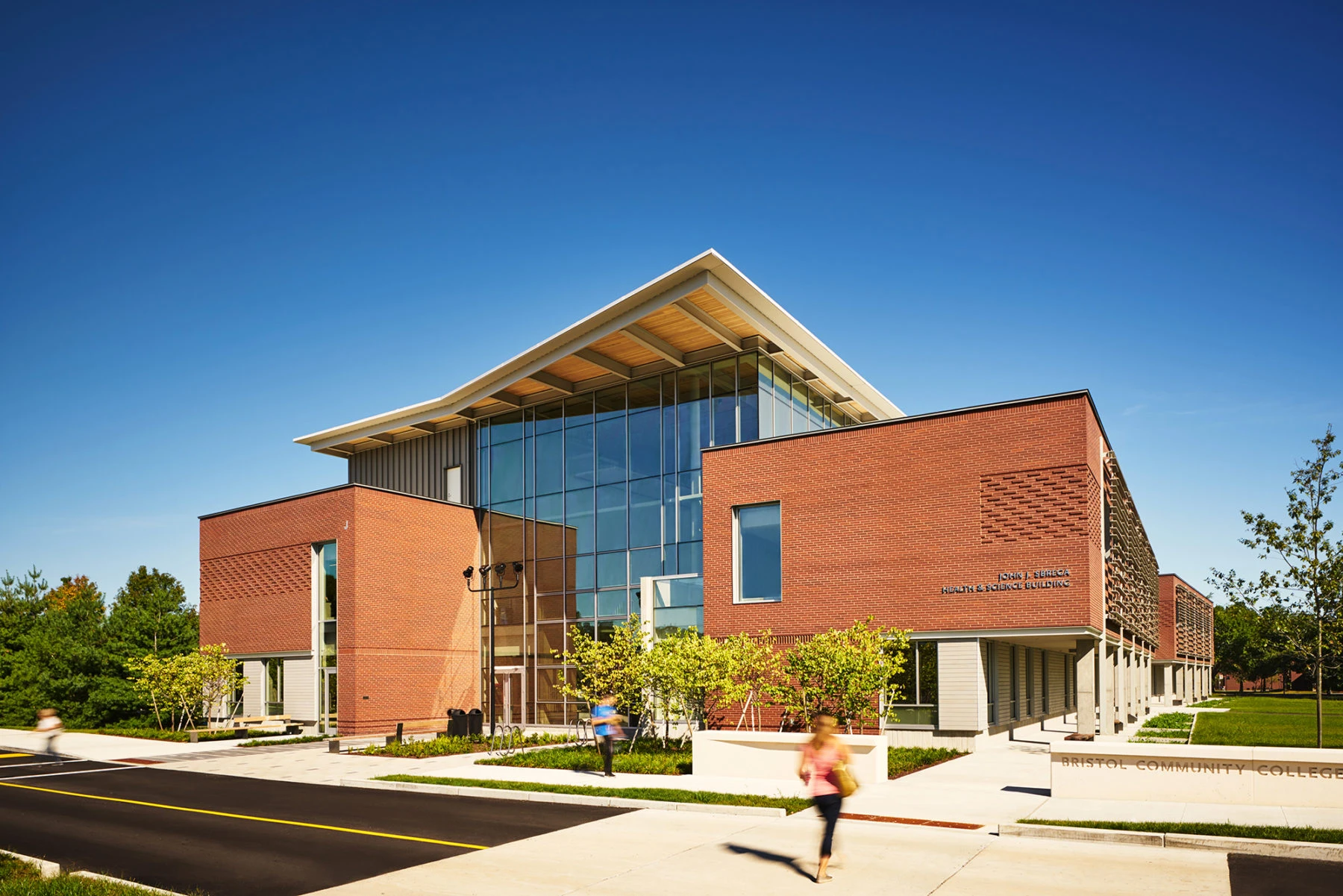
One of the most effective ways to eliminate the need for artificial lighting is to design the building to take advantage of sunlight. Strategically placed windows and light fixtures effectively bring daylight into interior spaces. HVAC systems designed to use less energy for heating and cooling reduce the building’s overall energy consumption.
4. Water Efficiency
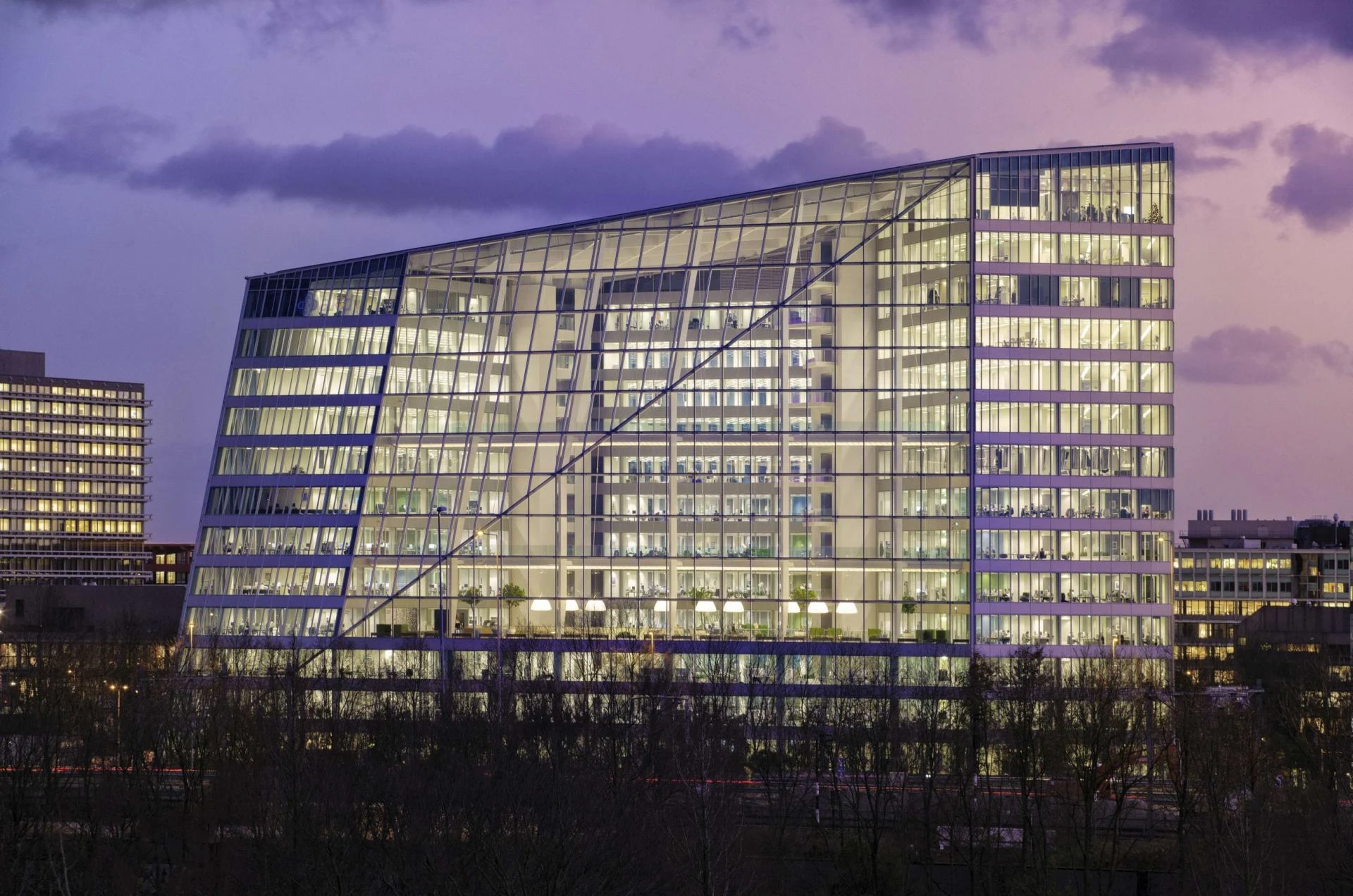
One of the fundamental principles of green building and sustainable architecture is water efficiency, which refers to designing, constructing, and operating buildings in a way that minimizes water consumption and maximizes the sustainable use of water resources. Various strategies are used to achieve water efficiency in buildings, such as low-flow fixtures. Greywater recycling systems, which recycle water from sinks and showers for irrigation or toilet flushing, minimize water waste and reduce the environmental impact of the building.
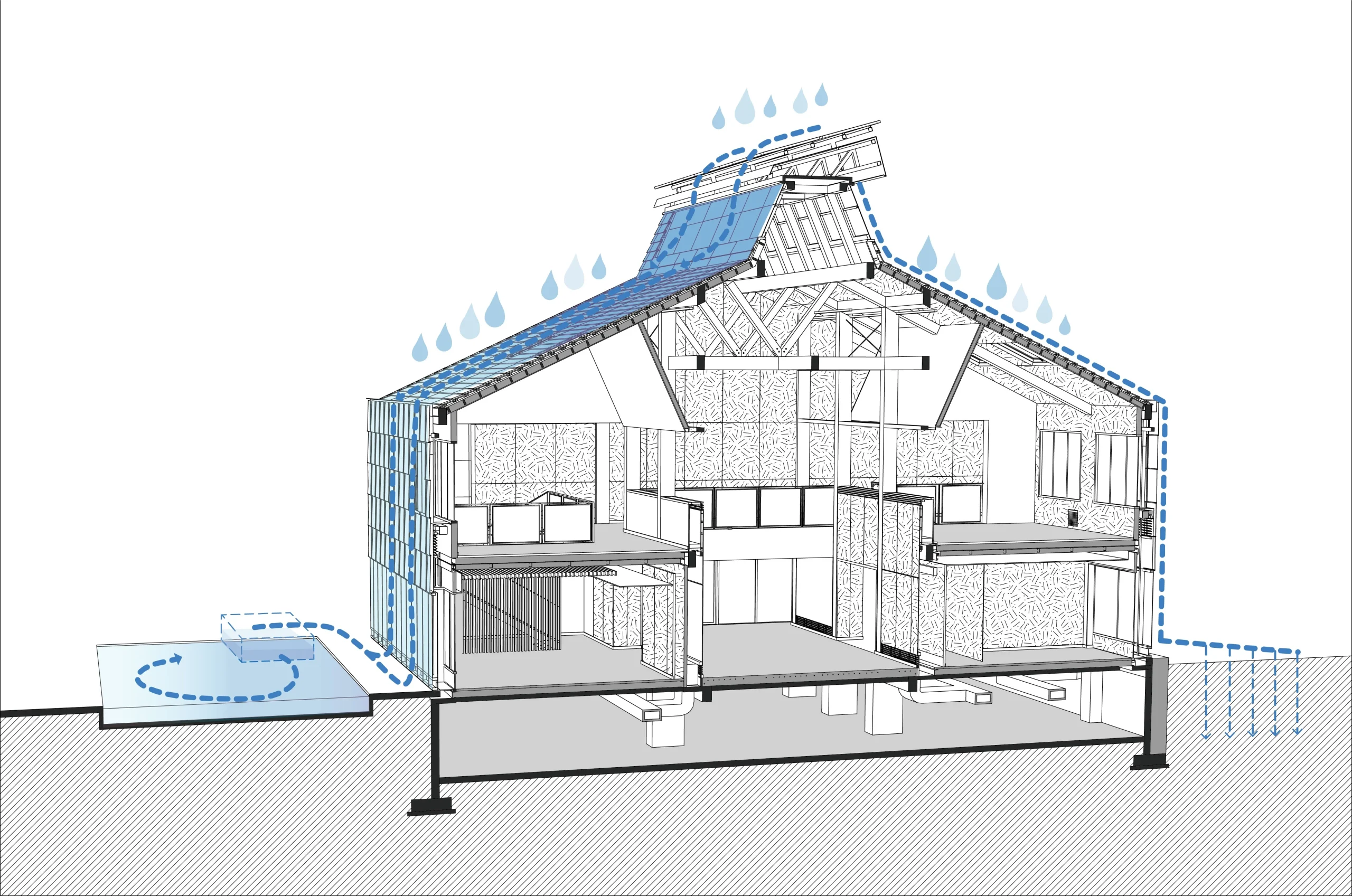
Choosing water-efficient appliances, such as dishwashers and washing machines, can significantly reduce water consumption in residential and commercial buildings. Regularly checking building plumbing systems for leaks and repairing them promptly also helps prevent water waste and damage.
Another factor that increases water efficiency is the reuse of rainwater. Collecting rainwater from roofs and other surfaces and storing it for non-drinking purposes, such as irrigation or toilet use, reduces the demand for drinking water. Techniques such as permeable pavements, green roofs, and retention ponds help manage surface runoff, reduce flood risk, and support groundwater recharge.
5. Selection of Sustainable Building Materials and Construction Techniques
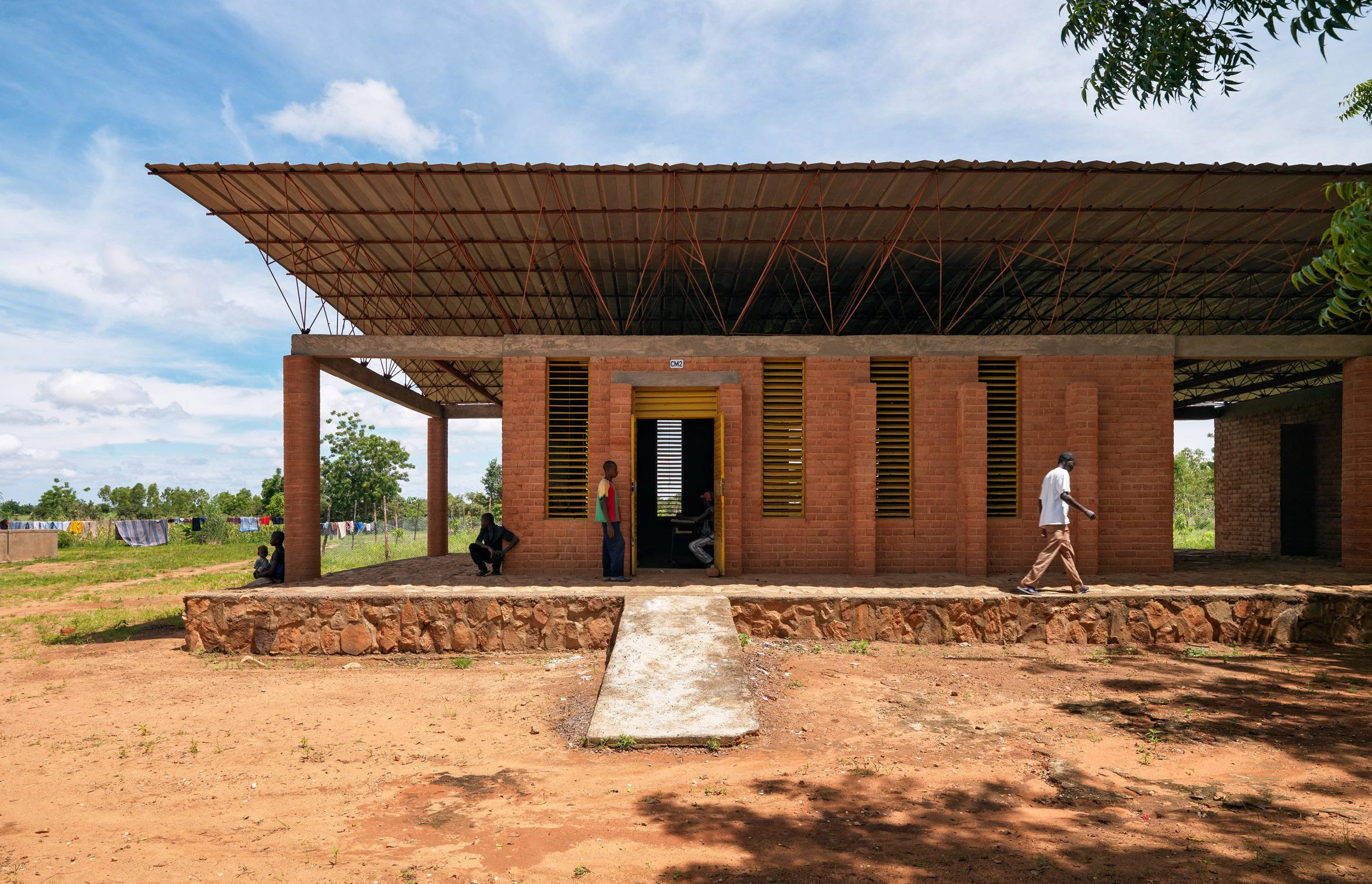
One of the most important factors affecting a project’s sustainability is the proper selection of materials. In the context of green buildings, sustainable materials refer to building materials that are environmentally conscious throughout their entire life cycle, from extraction or harvesting to production, use, and disposal. These materials minimize environmental impact, conserve resources, reduce energy consumption, and create healthy indoor spaces.
Types of sustainable materials used in green buildings include recycled materials, renewable materials, biodegradable materials, low-impact materials, and certified materials. When selecting sustainable materials for their designs, architects should also consider durability, ensuring that the need for future replacement is minimized. Today, the advanced visualization capabilities of available software make it easier to visualize how these materials will appear in design. The “Revit Basics 101: BIM Fundamentals” workshop offered by PAACADEMY teaches the fundamentals of BIM through hands-on Revit modeling and project documentation.
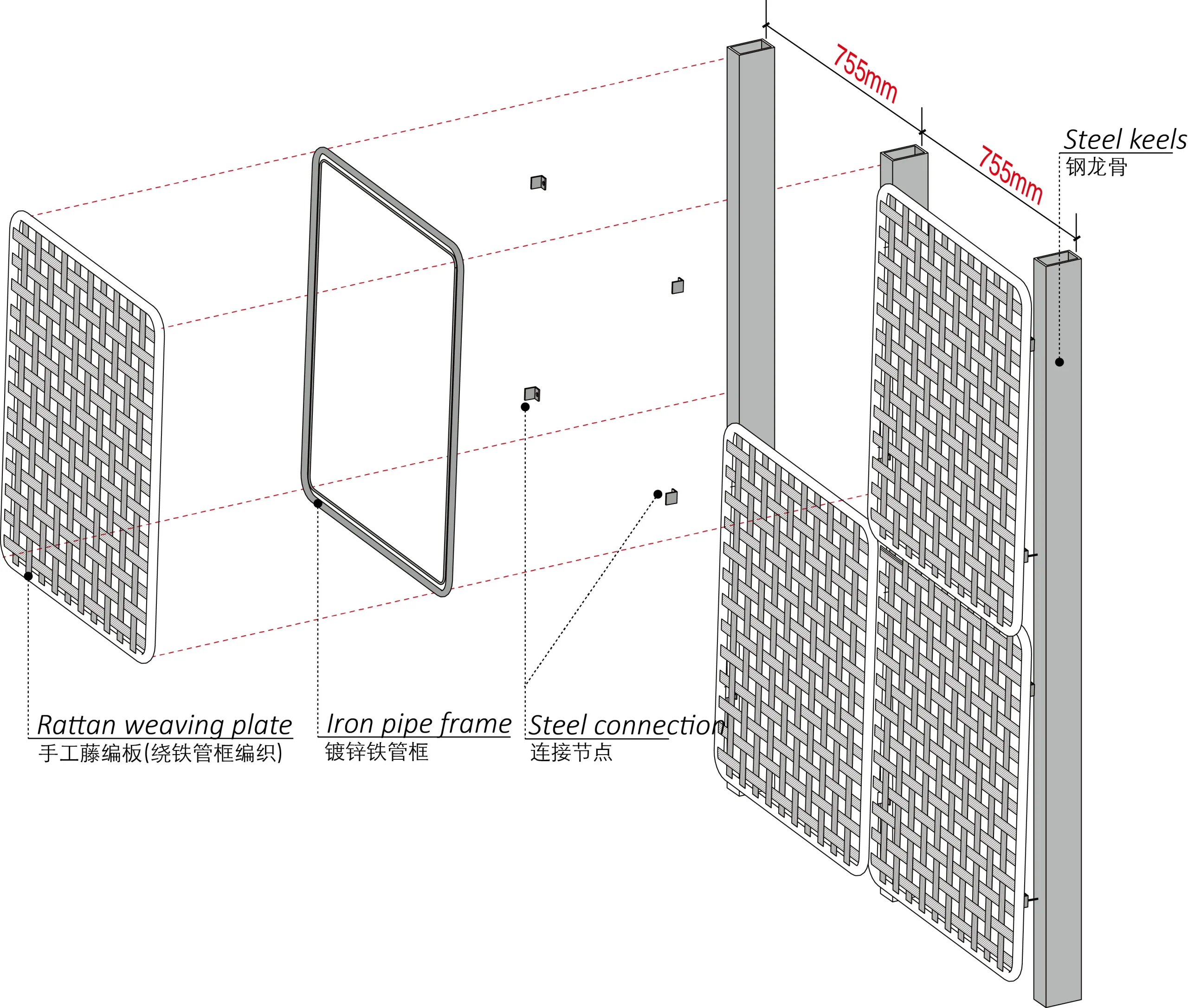
In addition to selecting sustainable materials, sustainable construction methods are also crucial for a green building. A well-constructed building ensures longevity and efficiency. Architects and engineers who focus on precision and quality in the design and construction process eliminate problems that lead to waste and inefficiency.
6. Improved Indoor Environmental Quality
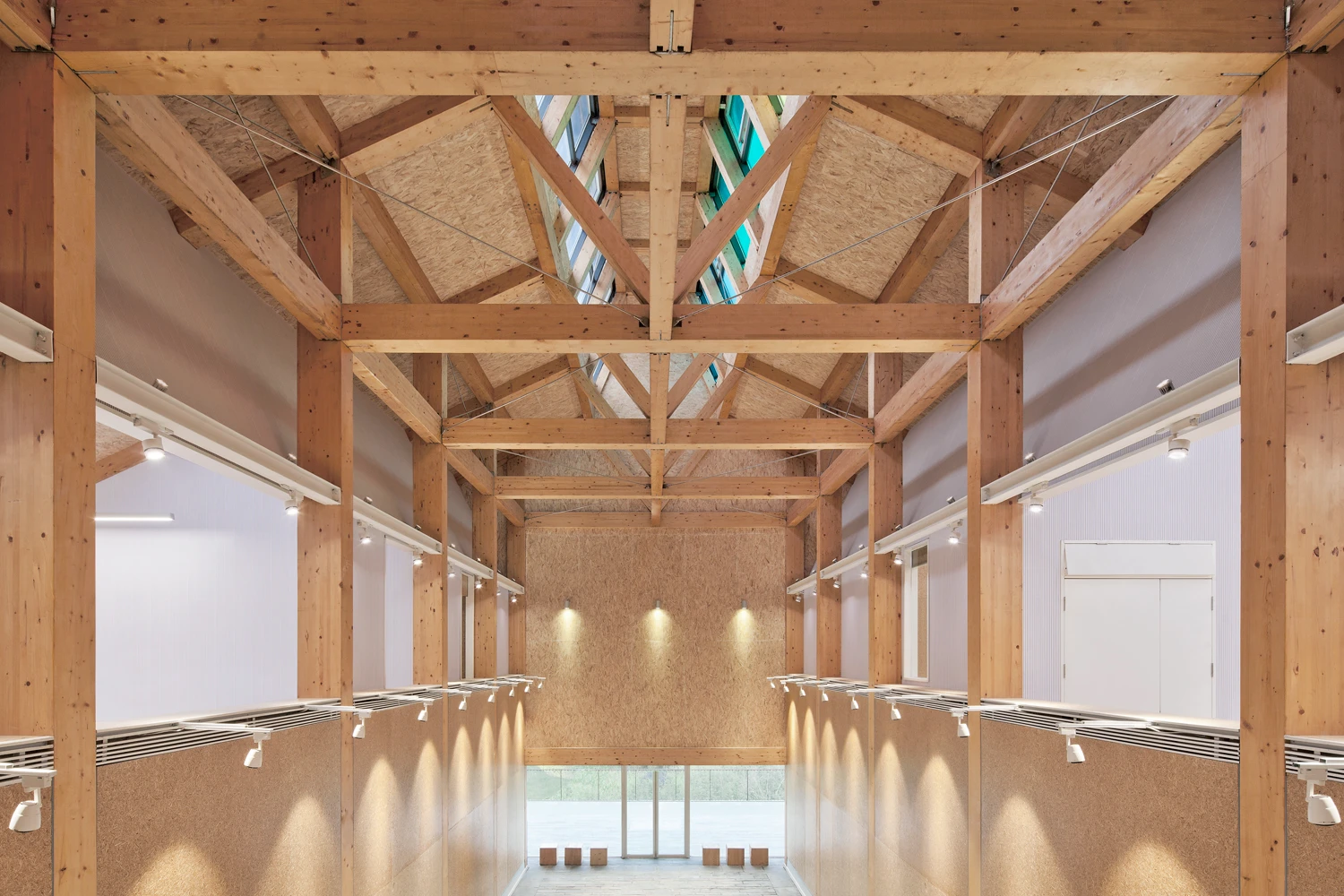
A sustainable building that aims to protect the planet should also improve the health, comfort, and productivity of its occupants. Indoor Environmental Quality (IEQ) refers to the quality of the indoor environment of buildings and includes various factors that can affect users’ health, comfort, and well-being. Achieving a high IEQ level is critical to creating healthy and productive indoor spaces. Systems such as natural light, efficient ventilation systems, adaptive design, improved acoustic performance, and intelligent temperature and lighting are used in creating improved indoor environments.
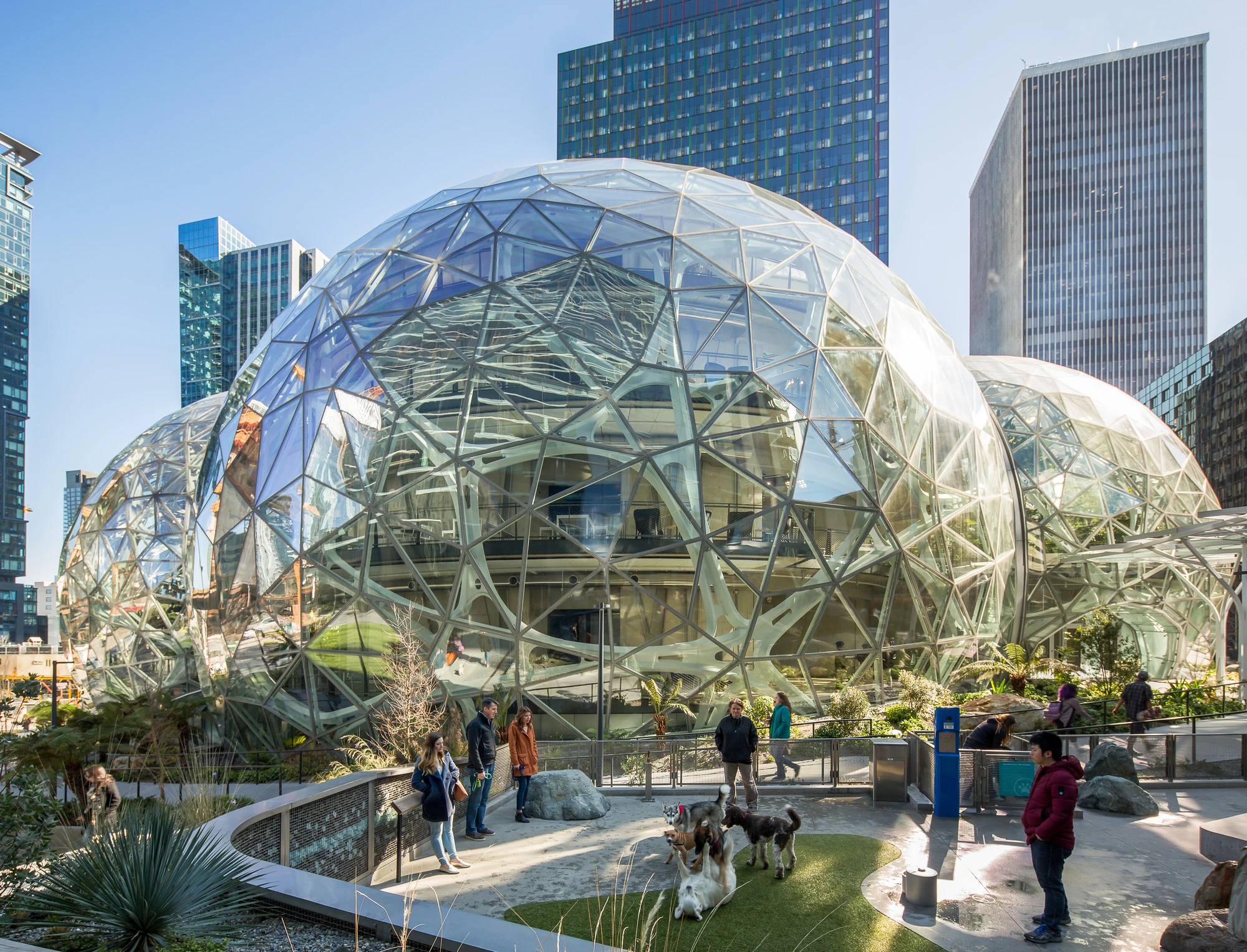
Design features such as operable windows, skylights, and open-plan interiors provide natural light and ventilation, improving indoor air quality. Proper ventilation systems, filtration, and source control measures help ensure clean and healthy indoor air. Biophilic design, a preferred choice for enhancing indoor environments, integrates natural elements such as plants, natural light, and water features.
7. Waste Reduction and Recycling
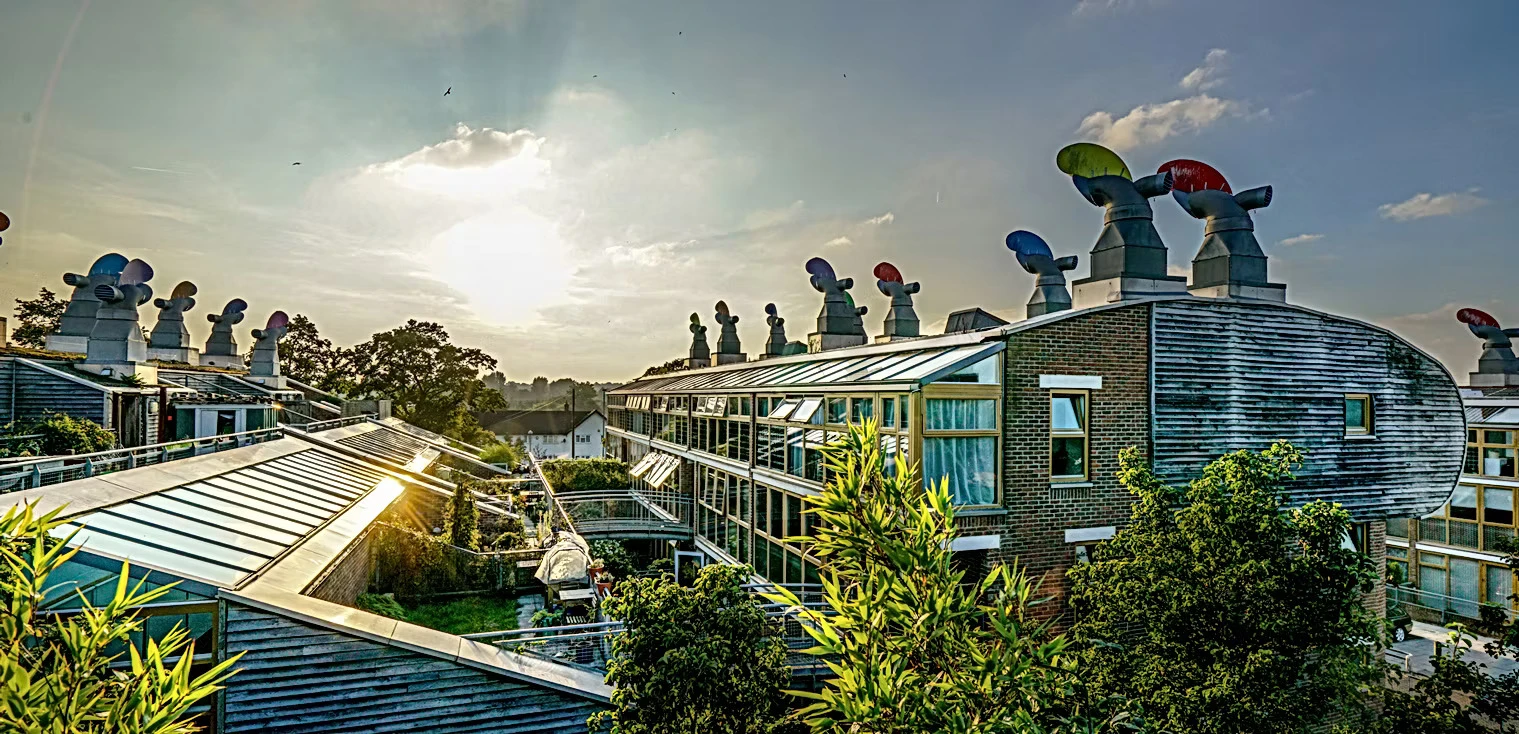
Waste reduction and recycling are fundamental components of green building practices aimed at reducing environmental impact, conserving resources, and promoting sustainability. To reduce construction waste, strategies such as careful material planning, accurate estimation, and efficient packaging should be considered. Separating and recycling waste on-site prevents large amounts of construction waste from going to landfills, while reusing and recovering materials from demolished structures reduces the need for new resources. Materials such as doors, windows, and structural components can be reused, while organic waste can be composted to prevent landfill disposal and produce effective fertilizer. Implementing comprehensive recycling programs on construction sites and in buildings encourages the separation of materials such as metal, cardboard, paper, plastic, and glass.
8. Future-Proofing Buildings
It is not enough to consider only today’s needs in the design of a building. Architects are tasked with designing structures that can withstand the test of time. These structures must adapt to climate change, incorporate the latest technologies, and be resilient against natural disasters. Features that respond to smart technologies, such as AI-powered security systems and adaptive lighting, can be integrated into sustainable buildings.
3 Projects Designed with Sustainable Architecture Principles in Mind:
ZEB Pilot House
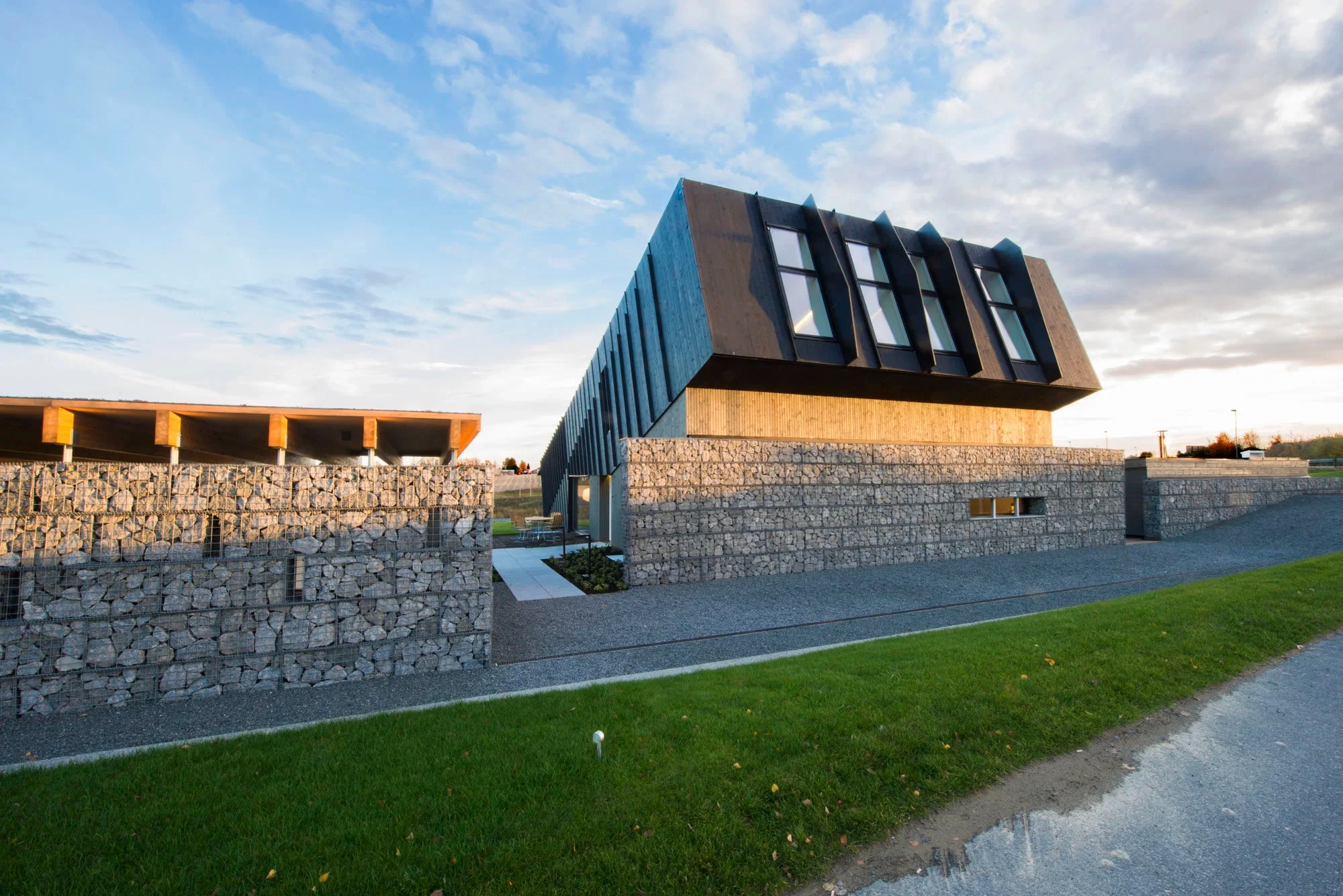
Location: Larvik, Norway
Architect: Snøhetta
Although designed as a detached house in terms of volume, the ZEB Pilot House, designed by Snohetta, aims to be a platform for learning about sustainable building methodologies. Solar panels on the building’s southeast-sloping roof, together with geothermal energy from ground wells, meet all the energy needs of the house. Producing almost three times the energy it consumes, the ZEB Pilot House not only meets the annual energy needs of a family but also powers an electric car with its surplus energy. The building materials used in the ZEB Pilot House were carefully selected based on their thermal properties, as well as to ensure a healthy indoor climate, good air quality, and strong aesthetic qualities.
Mundo Verde Bilingual Public School
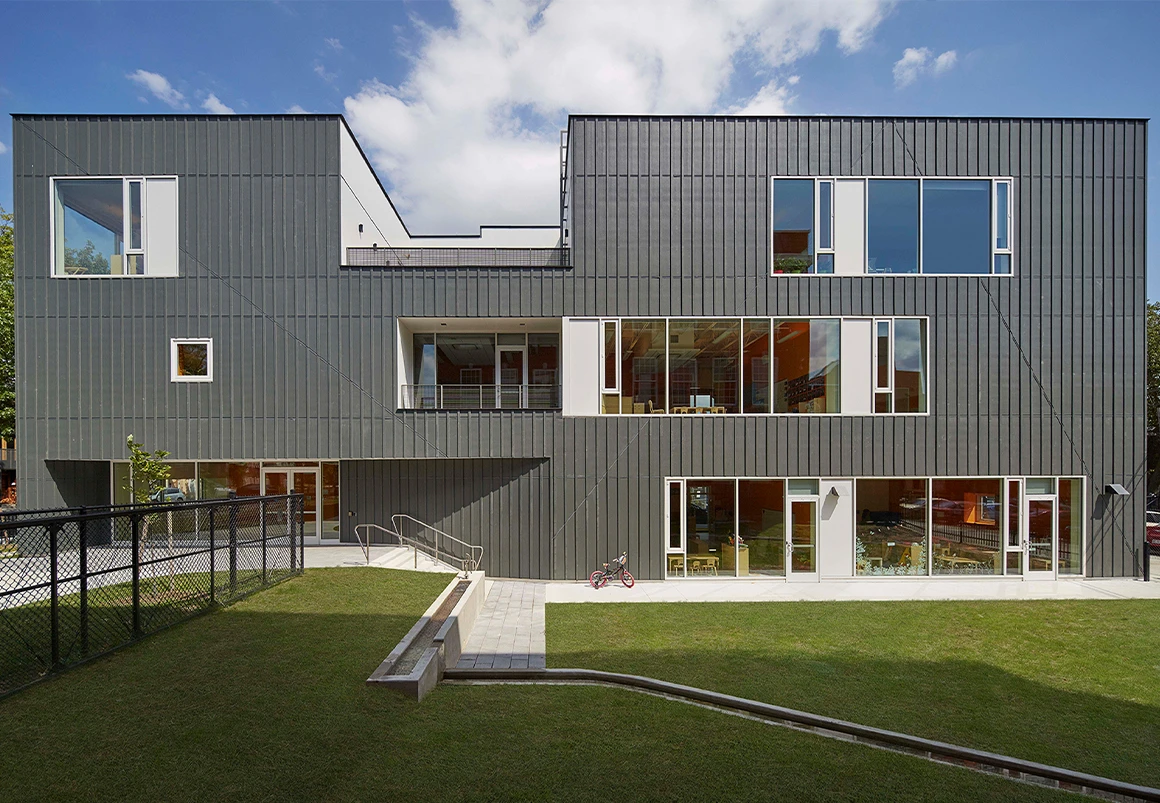
Location: Washington, DC, US
Architect: Studio Twenty Seven Architecture
Mundo Verde Bilingual Public School extends its sustainability practices beyond the building itself, revitalizing an abandoned urban area. As a sustainability-focused public school, Mundo Verde aims to inspire every child to take an active role in combating climate change through its design. Both the building and its educational program integrate sustainability into students’ daily lives, including initiatives such as a zero-waste food policy and training on how to properly operate thermostats.
Measuring material and resource efficiency, Mundo Verde Bilingual Public School collects and reuses rainwater. In its garden, which features native plant species, students observe insects and birds, while food grown in this space is used in their meals, following a “from garden to plate, and from plate to compost” approach.
The Studio
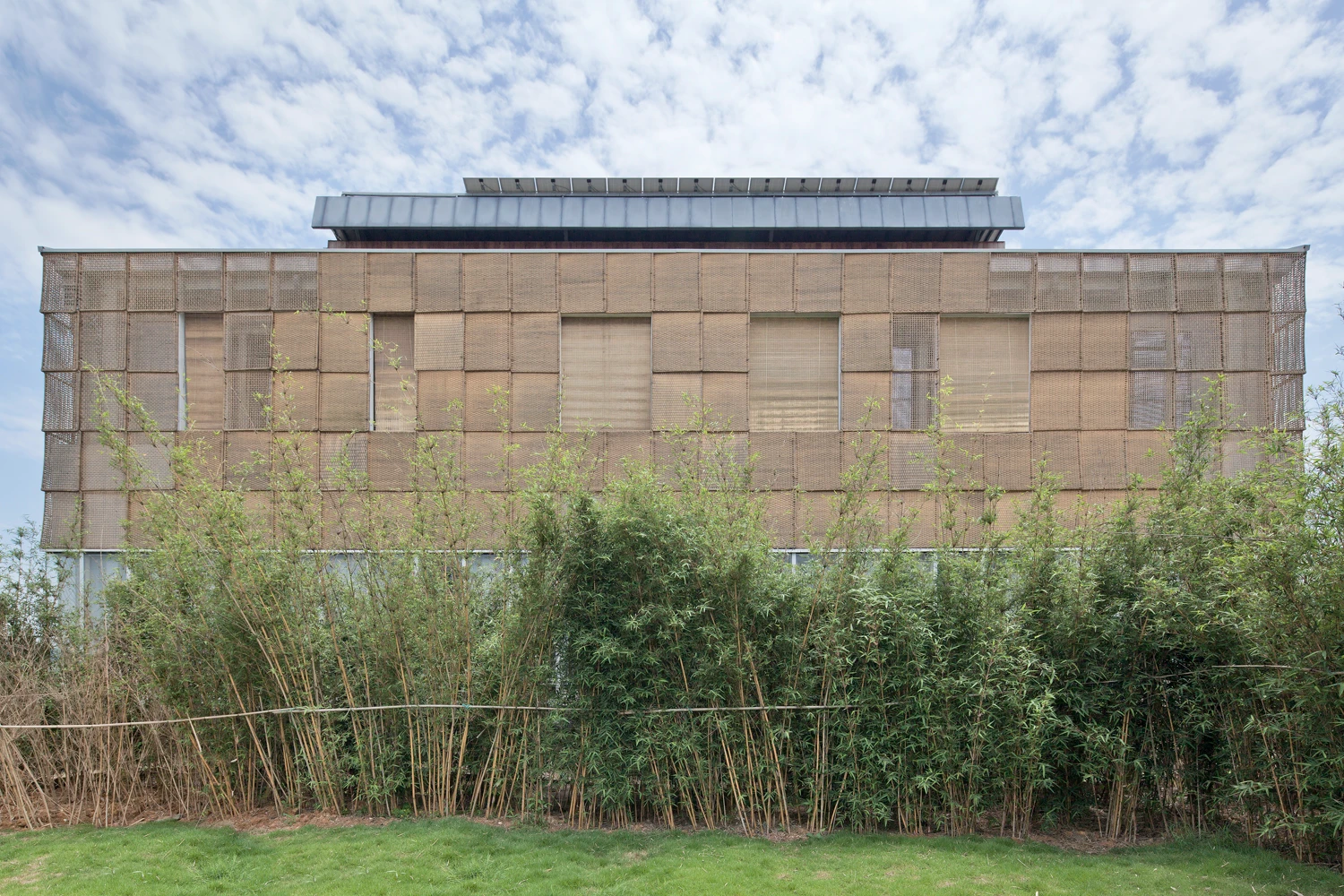
Location: Beijing, China
Architect: SUP Atelier
Located in Gui’an Innovation Park in Southwest China, The Studio, recognized as the first experimental “Nearly Zero Building,” is a practical example of integrating sustainable design strategies with ecological technologies. Designed as an experimental platform based on the mild climate of Southwest China, the project aims to evaluate whether advanced design methods and construction technologies are truly suitable for the region’s local climatic, cultural, and even economic conditions. Situated at the park’s entrance, THE-Studio connects the park and the urban fabric while offering a captivating view to users and visitors.
The Studio’s central courtyard is designed as a two-story space with integrated natural lighting and ventilation systems in the ceiling and climate control systems in the walls, allowing it to host a wide variety of exhibitions and activities. This maximizes indoor comfort and energy efficiency while minimizing negative impacts on the local ecological system. The load-bearing system is constructed from prefabricated timber, a local and traditional building material.
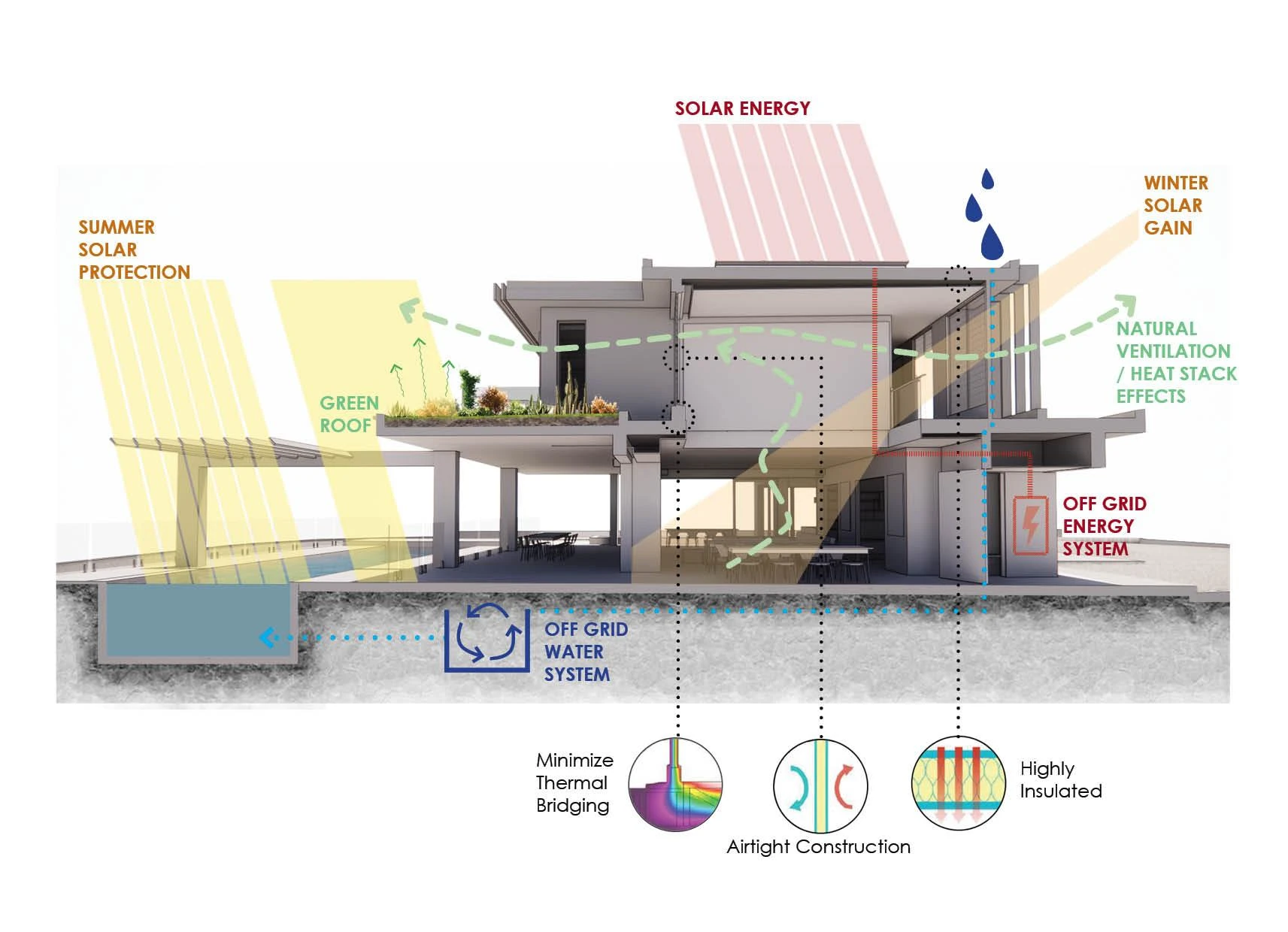
Designing structures that minimize environmental impact by integrating eco-friendly practices throughout a building’s lifecycle contributes to a greener and healthier planet. Architects should establish clear sustainability performance targets along with measurable indicators and integrate features such as renewable energy systems and sustainable materials into their designs. Green building practices contribute to the environment by reducing carbon emissions and conserving resources, while also lowering operating costs, increasing property value, and improving user health.
