


Additive manufacturing, commonly known as 3D printing, has redefined the architectural paradigm from a rapid-prototyping tool to a means of healing the planet Earth. This new approach integrates computational design, materials science, and robotic fabrication across three primary domains: the restoration of marine biodiversity, the stabilization of arid terrestrial landscapes, and the mitigation of atmospheric carbon through advanced capture architectures.
Marine Ecosystem Restoration
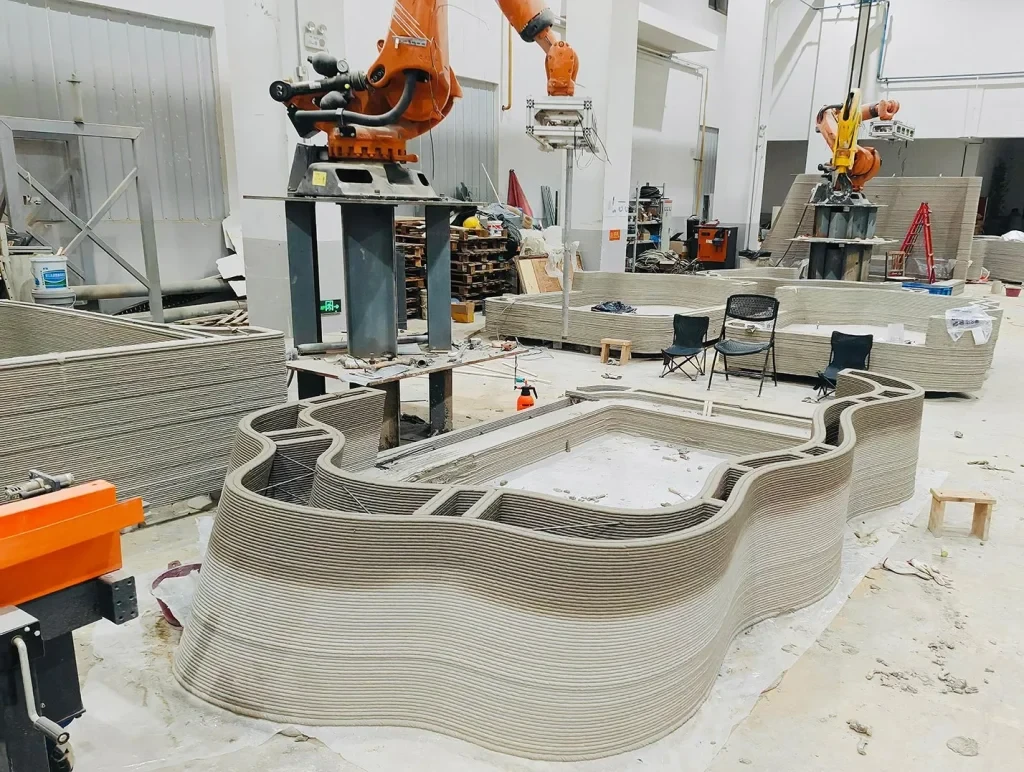
Coral reefs and shellfish beds serve as the biological foundations of coastal resilience, and the use of adaptive manufacturing offers a path toward recovery by providing high-complexity substrates that mimic the physical and chemical cues required for larval settlement and juvenile survival.
1. 3D-printed Terracotta Reef Tiles – Archireef
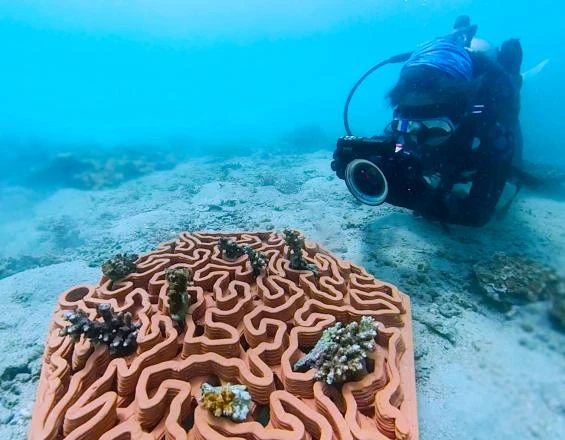
The emergence of the world’s first 3D-printed terracotta clay tiles, developed by Archireef, represents a significant shift toward biocompatible restoration. Terracotta, being non-toxic and pH-neutral, aligns with the chemical requirements of marine organisms. This tile design is coral-inclusive, featuring soft, curved geometries that provide shelter for young fragments during their most vulnerable growth stages.
2. Low-carbon Concrete – Nereid
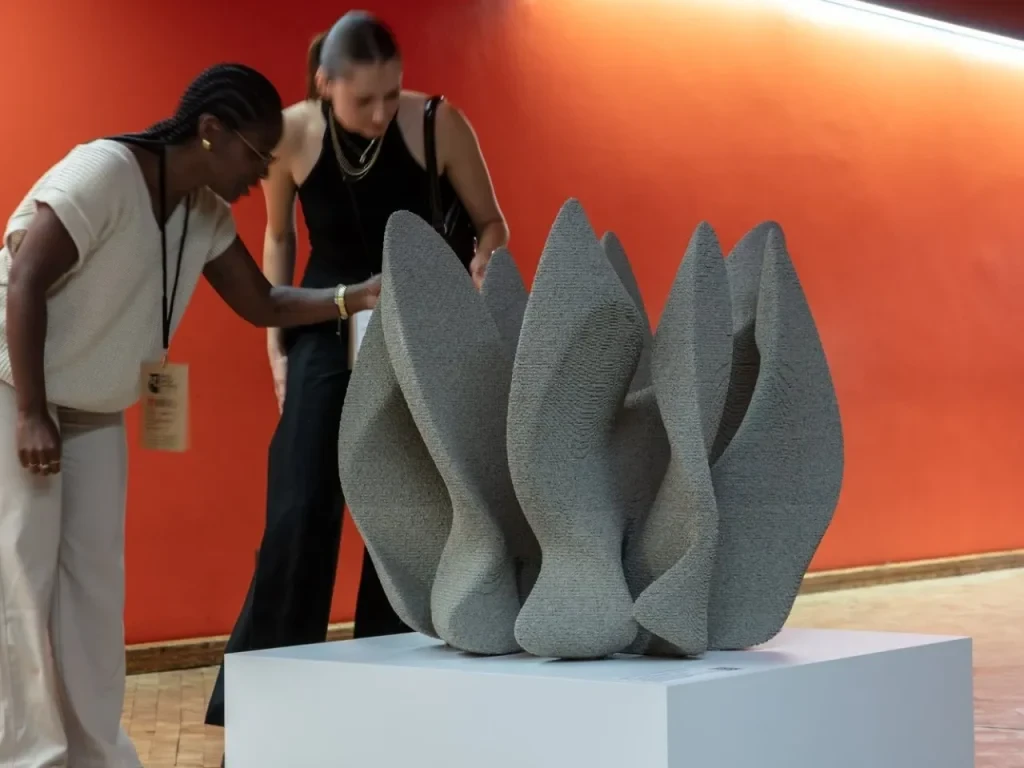
Another project, Nereid, a collaboration between Zaha Hadid Architects and D-Shape, utilizes low-emission concrete and digital modelling to replicate the textures of natural benthic systems. These structures help foster the growth of phytoplankton and filter-feeding mollusks, which form the base of the marine food web. The hydrodynamic advantage of these 3D-printed forms allows them to function as protective barriers against bottom trawling while simultaneously dissipating wave energy.
Arid Land Restoration
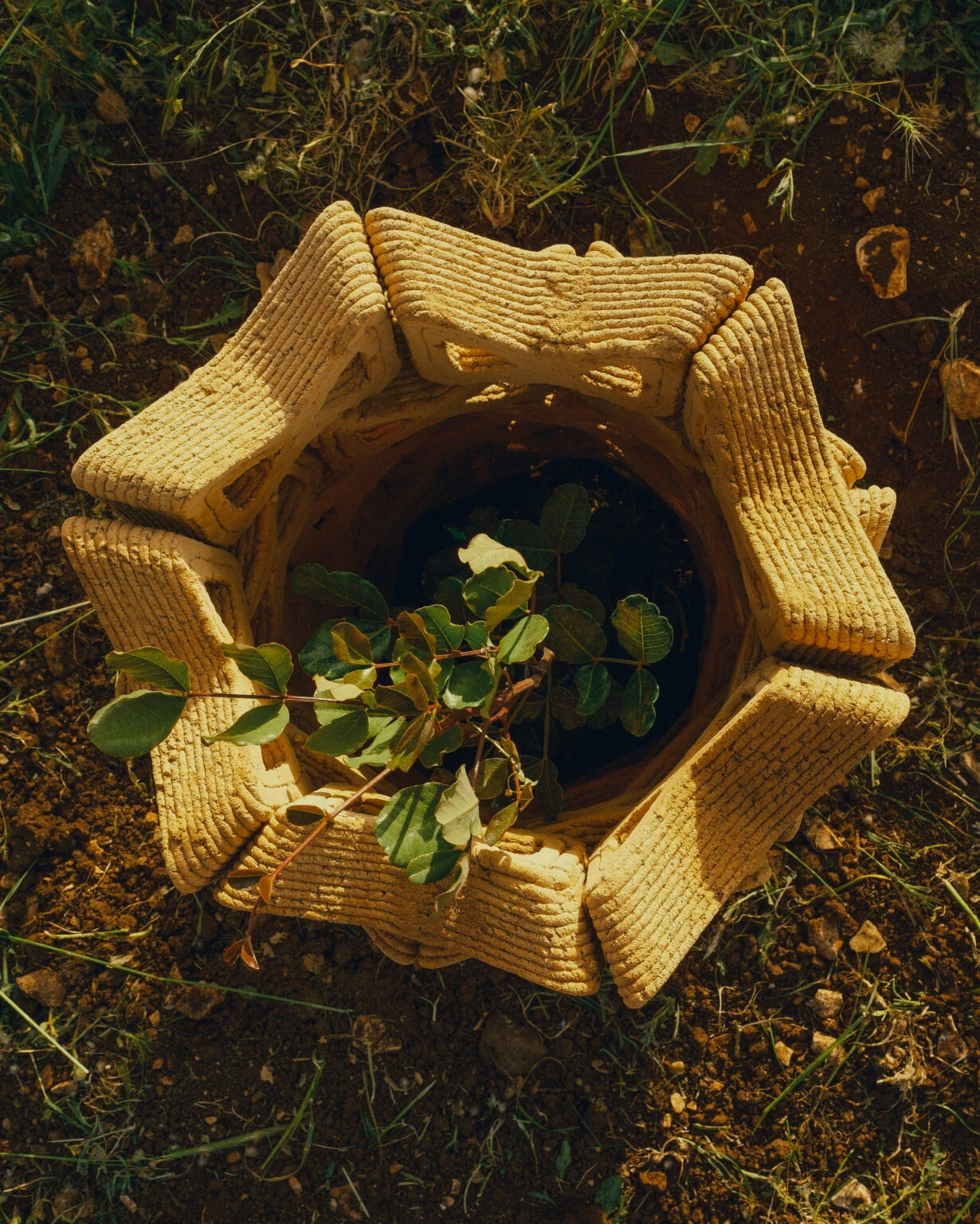
Arid land degradation affects more than one billion people and vast swaths of the Earth’s surface. Additive manufacturing strategies in arid landscapes include creating protective microclimates, stabilizing dunes, and automating the distribution of seeds.
1. Soil, clay, fibres – TreeSoil Shelter
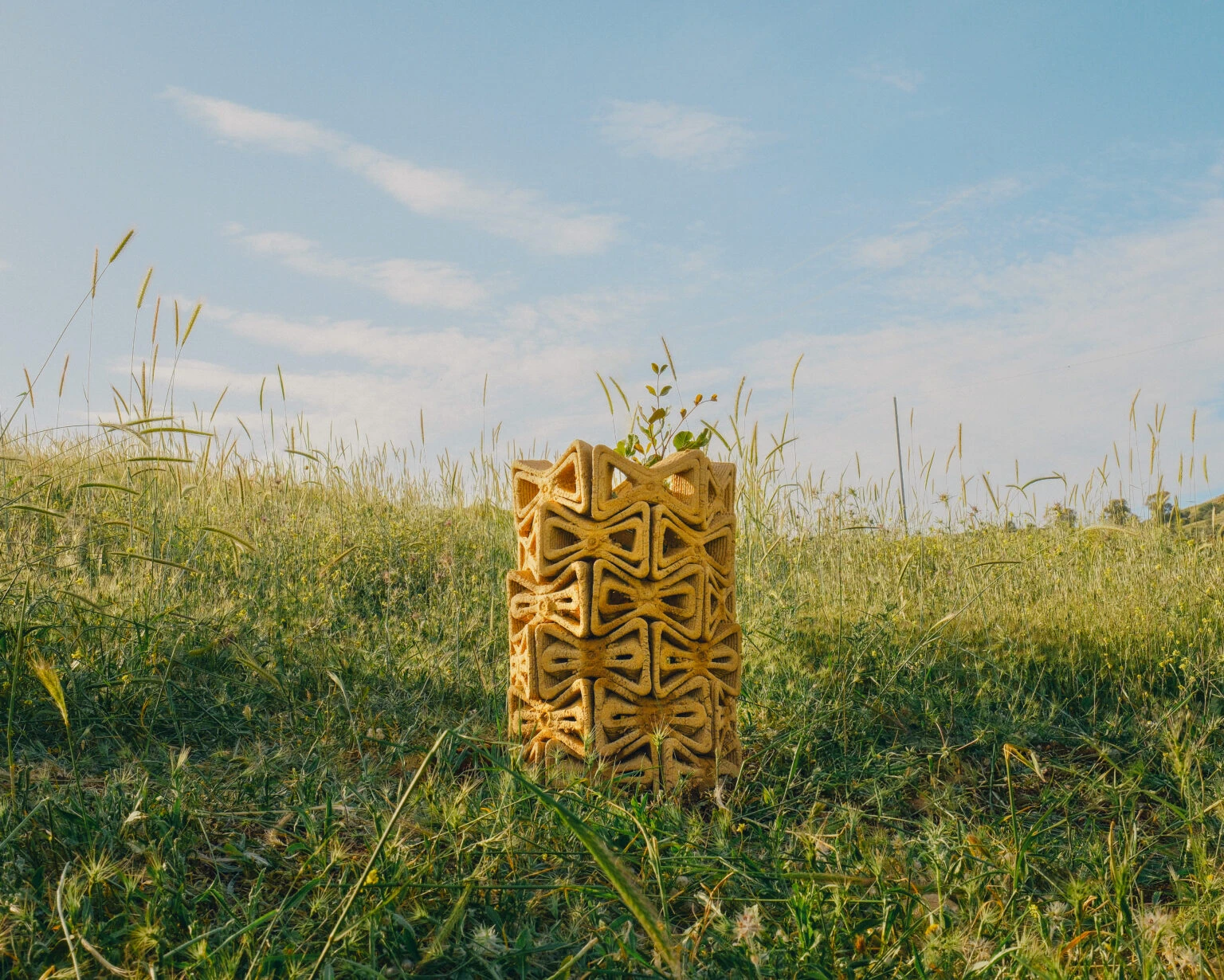
Young saplings are affected most due to high heat and rapid evaporation. The TreeSoil project, developed by the Technion and the Weizmann Institute of Science, is a 3D-printed modular design with soil-based shelters for seeding. These structures are printed from a mixture of local soil, organic fibers, and fertilizers, creating a customized microclimate that optimizes airflow and humidity around the plant.
2. Sand-based Concrete – Desert Ark Module
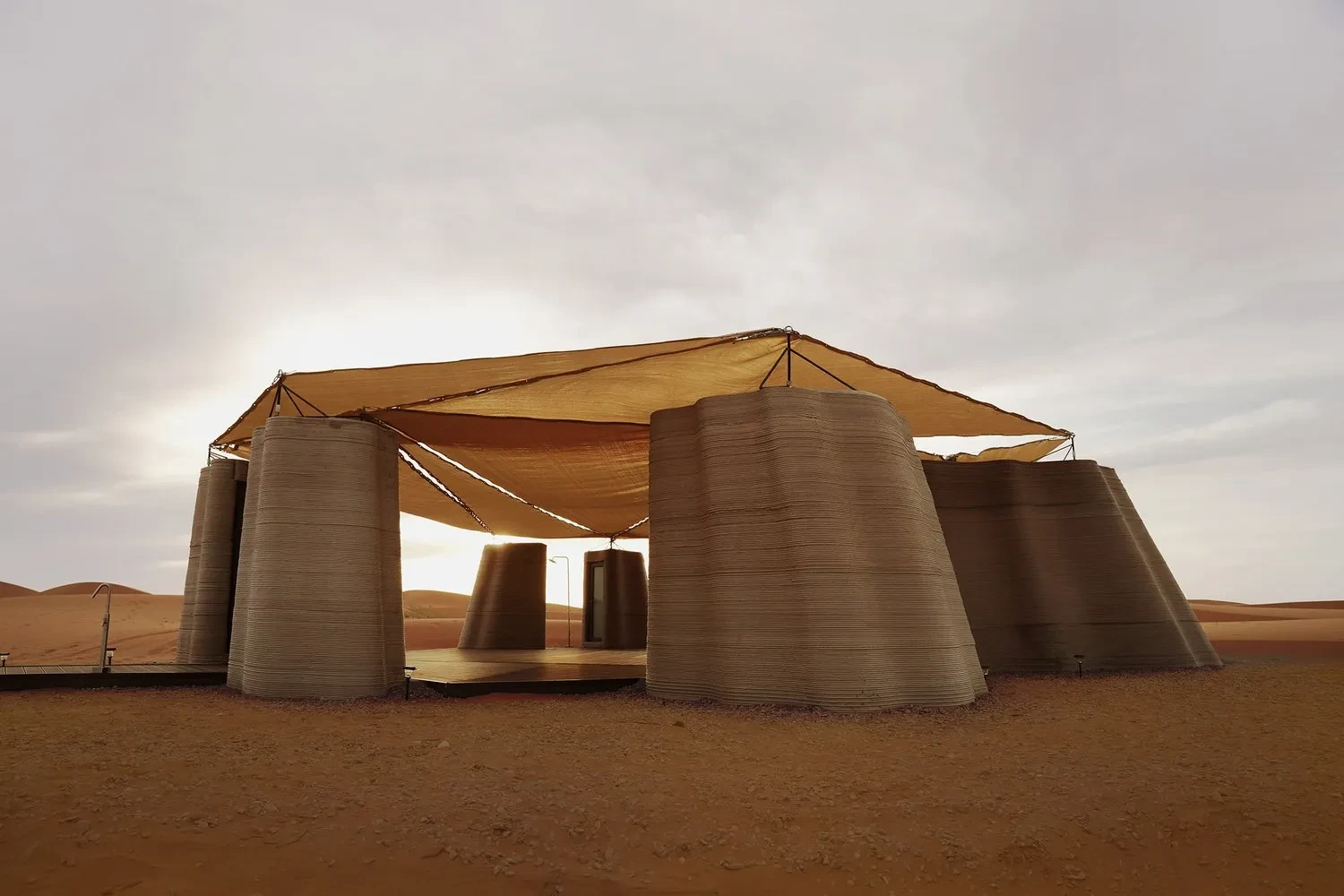
The Desert Ark project in China’s Tengger Desert is a striking example of modular design that can be reversed, removed, or reassembled as the reforestation front advances, minimizing the physical footprint of the construction. The modules are 3D-printed from a sand-based concrete mixture, allowing the structures to blend both visually and materially with the dunes.
Atmospheric Remediation
For long-term planetary stabilization, it is important to understand the challenges of atmospheric remediation. 3D printing is revolutionizing carbon capture and storage (CCS) by enabling the production of intensified devices and high-surface-area adsorbents that were impossible to manufacture through traditional casting or machining.
1. Aluminum 3D Printing
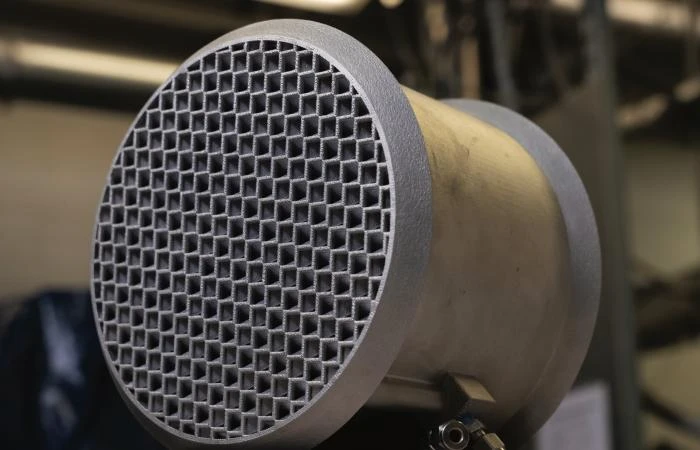
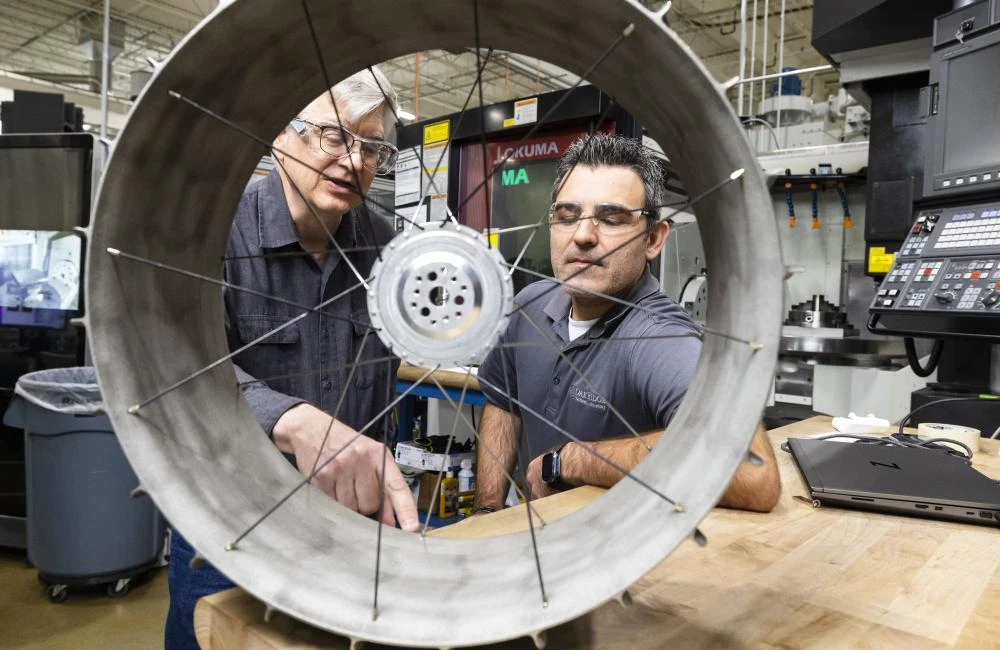
The efficiency of carbon capture in industrial landscapes such as coal-fired power plants is often limited by the heat generated during the absorption process. When CO₂ reacts with a solvent, the resulting temperature diminishes the absorption capacity. Researchers at Oak Ridge National Laboratory (ORNL) have utilized aluminum 3D printing to create intensified packing elements that integrate cooling channels directly into the structure.
2. Living Building Materials
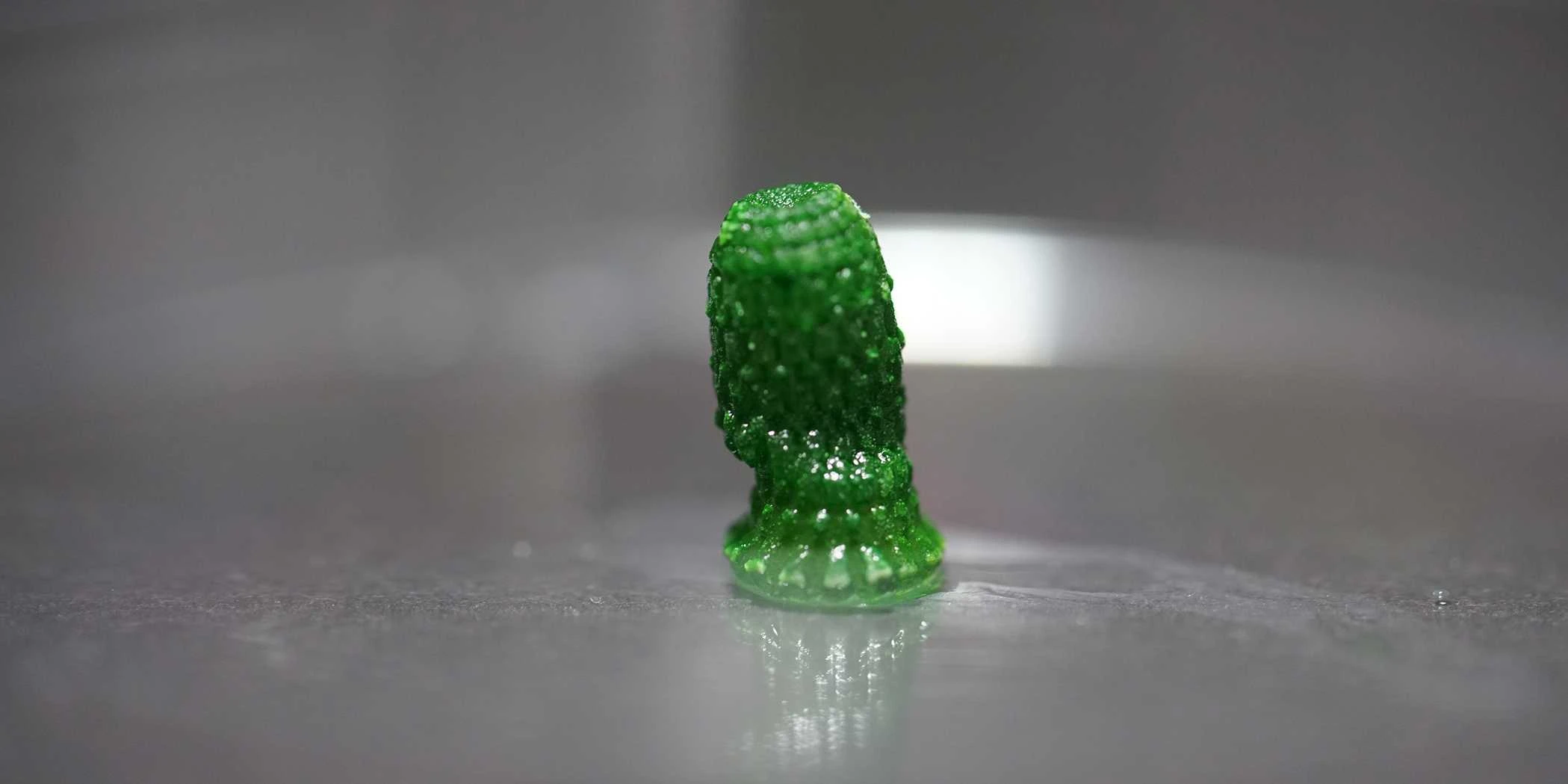
Another discovery that aligns with atmospheric healing is the development of living materials. Researchers at ETH Zurich have embedded photosynthetic cyanobacteria within 3D-printable hydrogel matrices. These cyanobacteria utilize light and atmospheric CO₂ to grow and precipitate calcium carbonate, which hardens the material over time.
Automation and Physical AI
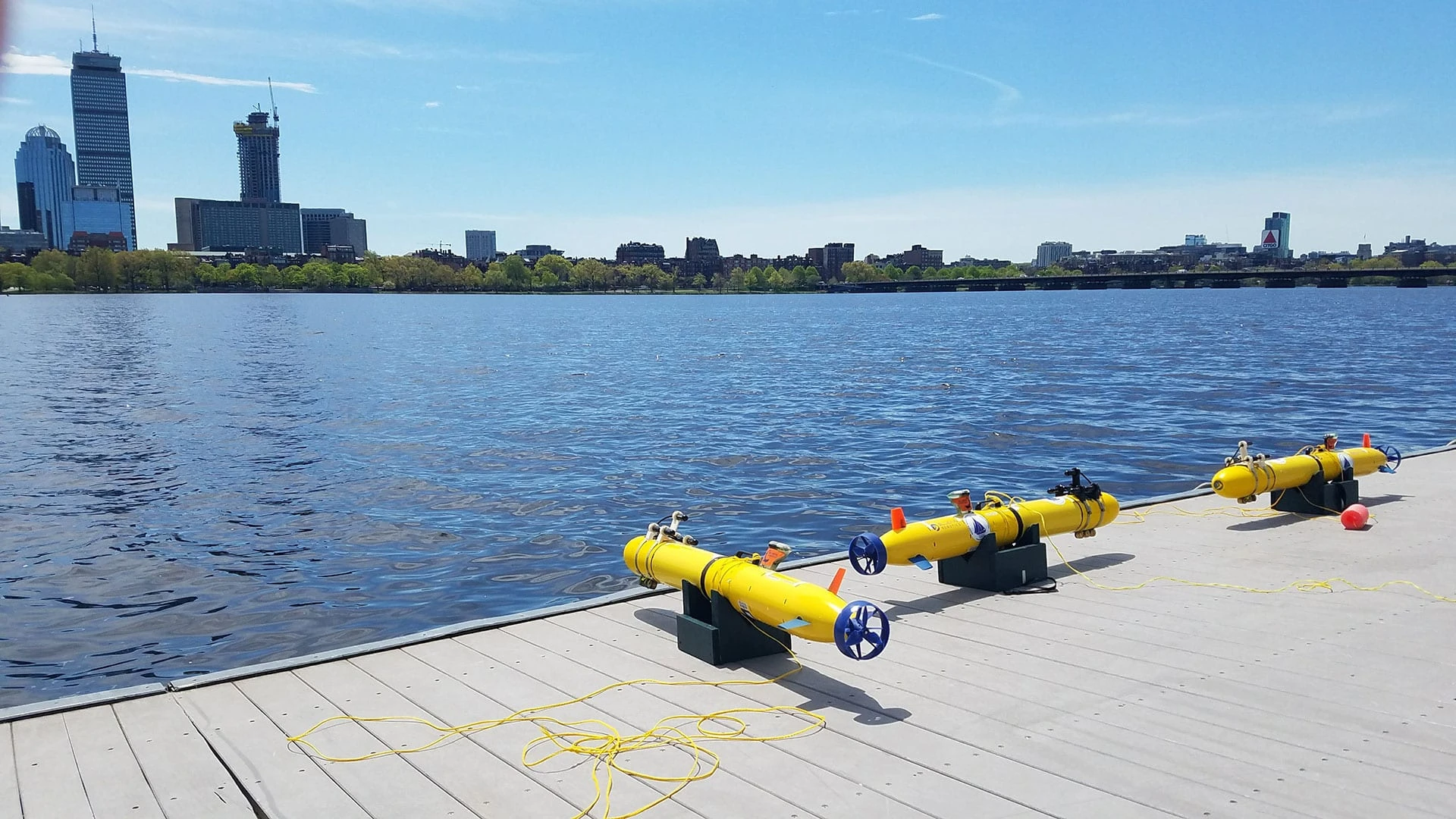
The transition from prototyping to project management involves a deep understanding of 3D printing integrated with autonomous systems. The convergence of physical AI, which acts in the real world according to the laws of physics, and robotic fabrication is creating new possibilities for environmental repair.
1. Subsea Robotics and AUV Swarm
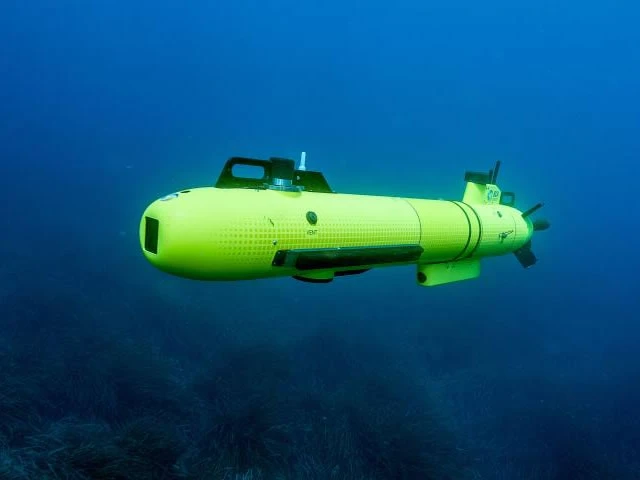
By integrating real-time acoustic mapping and visual habitat classification, automated systems provide ecosystem-scale monitoring and intervention, which is essential for preserving reefs in the face of rapid climate change. Autonomous Underwater Vehicles (AUVs) are being developed to monitor coral reefs and facilitate the large-scale placement of larvae. In the near future, swarm robotics will be able to access narrow crevices within the reefs to perform precision operations using bioprinted material.
2. Robotic Fabrication in Arid Reforestation
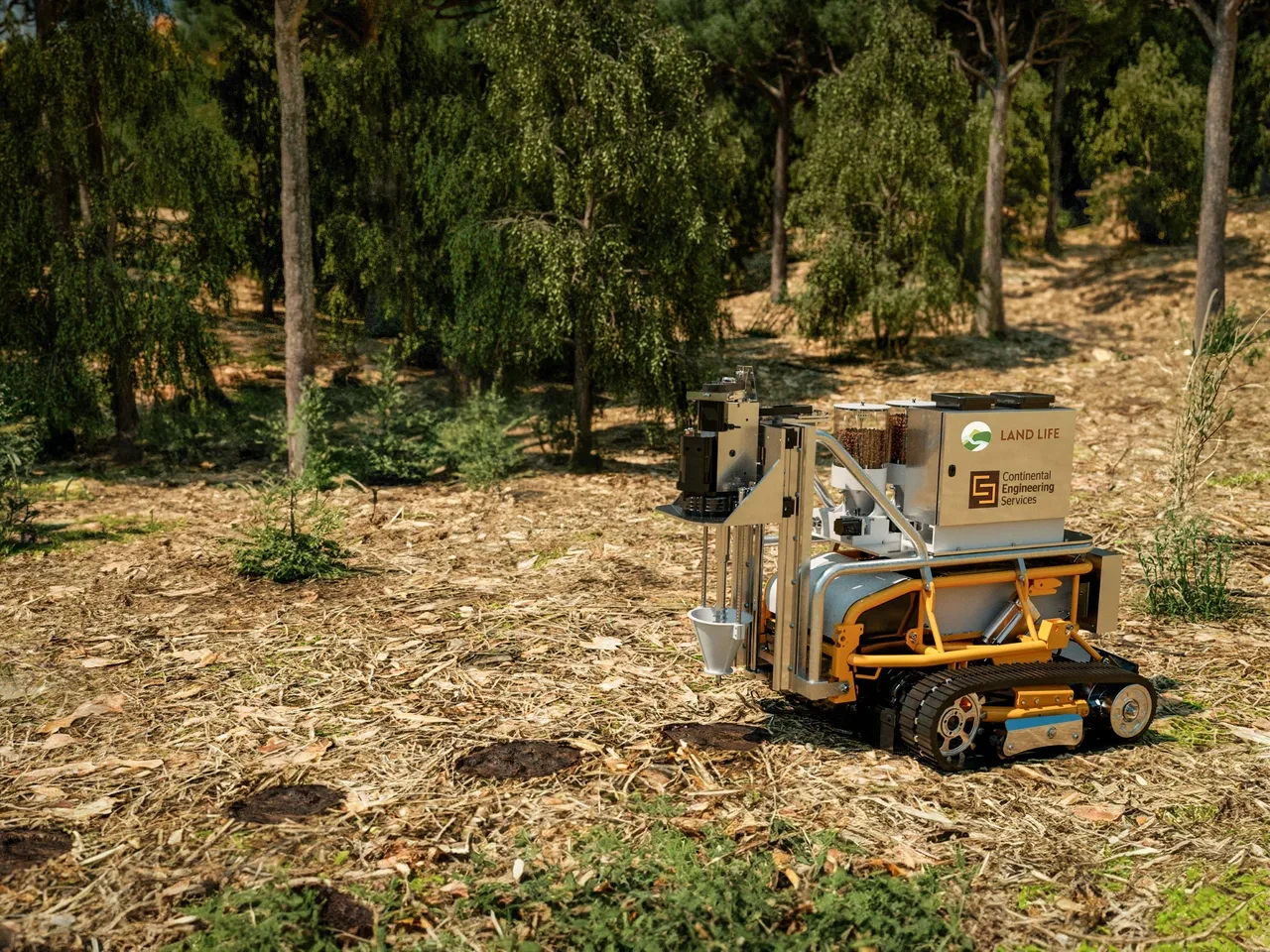
In the construction industry, the use of robotic arms such as the KUKA KR50 allows for on-site fabrication of climate-adapted units using local soil and minimal labor. As AI models for robotics advance, these machines will move beyond simple data retrieval to reasoning capabilities, allowing them to adapt their printing paths and material mixtures in real time based on the moisture levels and topography of the planting site.
High-Tech Nesting for Displaced Fauna
The unique biodiversity in Australia faces unprecedented pressure from habitat fragmentation and catastrophic environmental events. The use of 3D printing is being deployed to provide immediate, high-performance refuges for hollow-dependent species.
1. 3D-Printed Wood And Hempcrete – Powerful Owl Nests
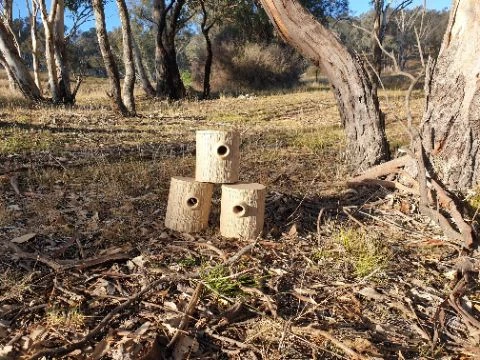
Australia’s largest owl species, the Powerful Owl (Ninox strenua), is in decline due to the loss of old-growth trees in urban areas. To find a solution to this problem, the Deep Design Lab at the Melbourne School of Design has pioneered 3D-printed prosthetic nests that mimic tree-bound termite mounds, structures owls have been observed using in the wild. These nests are prefabricated from sustainable materials, including 3D-printed wood and hemp concrete. The high-tech homes feature ventilation chimneys, rough internal surfaces to facilitate climbing, and rounded landing platforms to accommodate the specific behavioral needs of nesting pairs and their owlets.
2. Concrete With Crushed Oyster Shells – Coastal Bioshelters
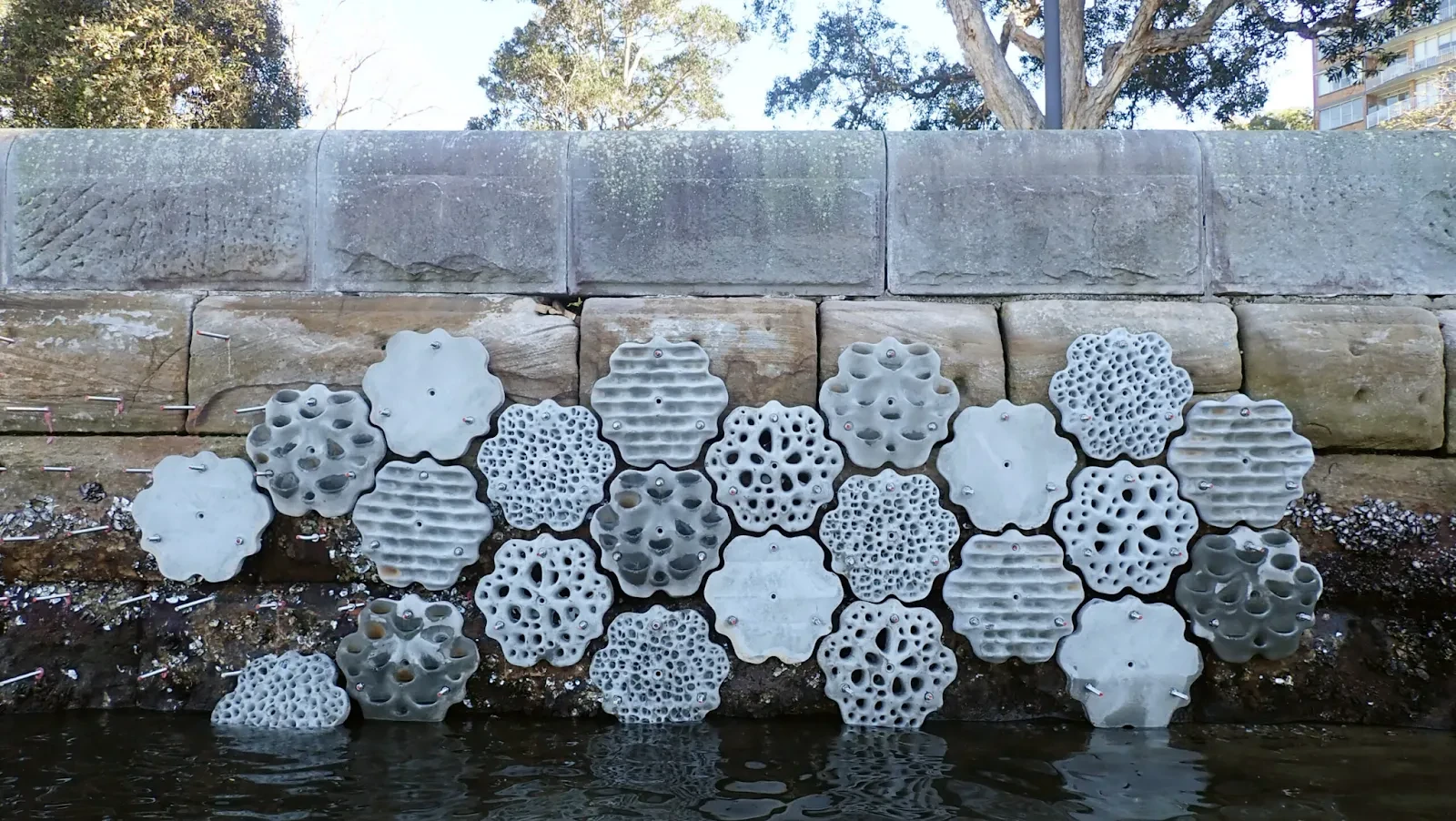
In Sydney Harbour, urban development has replaced the natural shoreline with lifeless seawalls. 3D printing is restoring marine housing through a project named BioShelters by UNSW Sydney. It utilizes 3D-printed recycled plastic molds to cast complex concrete panels infused with crushed oyster shells. These panels replicate the crevices and rock pools of natural shores, supporting the reestablishment of Sydney rock oysters, native kelp, and small fish.
3D Printing For Planetary Healing
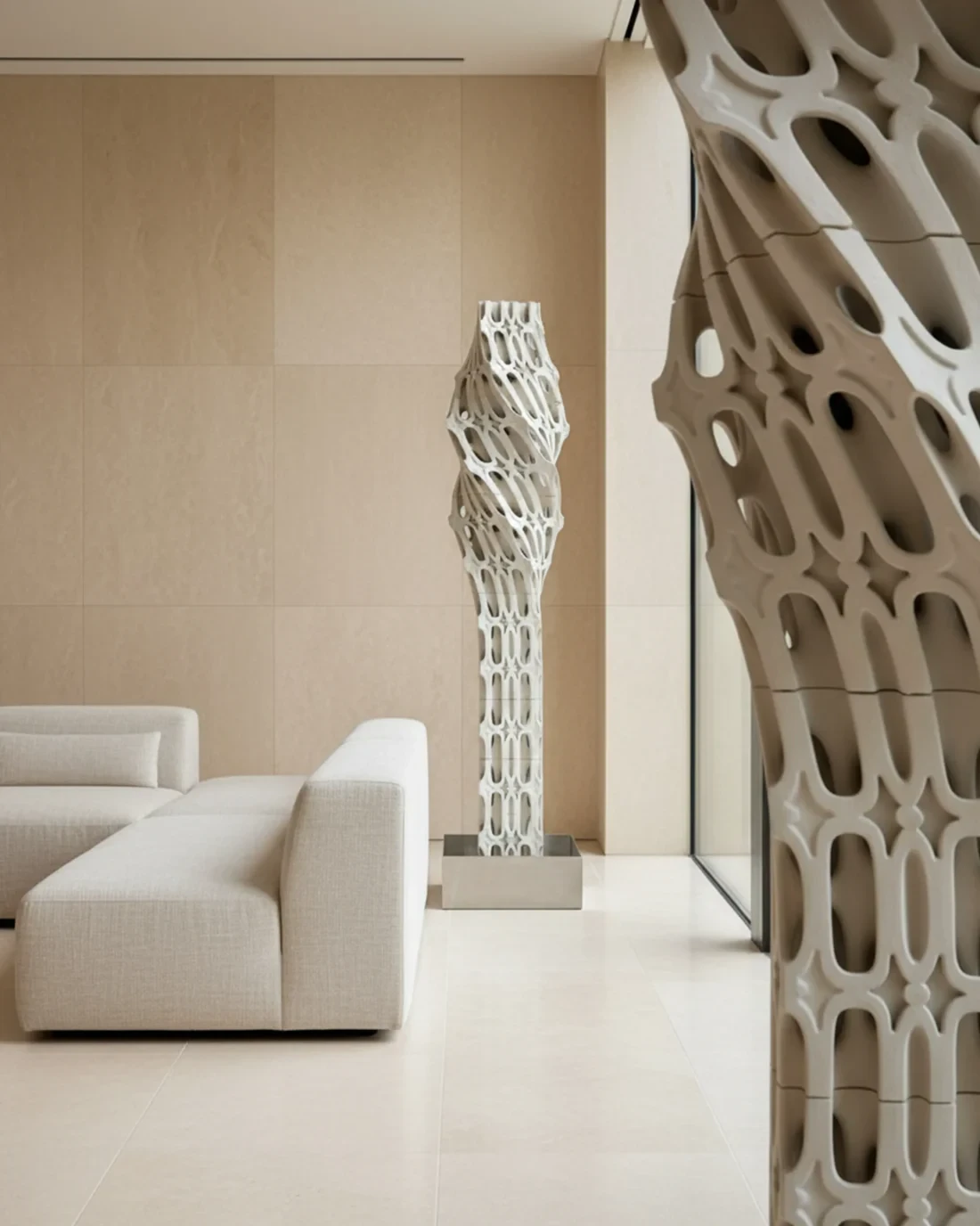
The application of 3D printing to planetary healing illustrates the shift from destructive materials to regenerative manufacturing. With precision and detail, landscapes from the ocean floor to desert sands can be recovered, and fragile ecosystems can be saved. These successful projects define a blending of computational design and ecological insight, transforming the notion of additive manufacturing. The integration of 3D printing in our future structures must continue to move toward the process of healing the planet and buying time for ecosystems to adapt to a changing climate.
