


The first part of this series traced how a new generation of smart materials has moved beyond novelty to become essential tools in sustainable Construction. Their ability to sense, adapt, and perform with greater efficiency showed that construction materials can do far more than hold a building together; they can actively shape comfort, reduce energy demand, and minimize environmental impact.
In this second installment, the lens widens to include materials that slip seamlessly into structural assemblies or merge with familiar components to heighten their performance. Some refine the behavior of concrete and steel; others rethink transparency, insulation, and the very idea of surface itself. Together, they reveal an industry quietly but decisively shifting toward eco-friendly, energy-efficient, and cost-effective solutions.
What follows is a closer look at the smart materials pushing this transition forward and the technologies that make their integration possible.
8. Aerogel
Aerogels are very thin smart materials that possess high thermal and acoustic insulation properties. Although it is very thin, which helps save space, it is extremely efficient in its function as both thermal and noise insulation material. It is also very flexible and can be adapted and easily embedded in paints, panels, plasters, and even structural elements. Its properties also allow it to be incorporated into the modular style of design, where speed and efficiency are crucial. The materials can also be enhanced to become water-repellent and fire-resistant, depending on which structural element they are applied to. Sensors can also be embedded in aerogel sheets to aid in real-time monitoring of various environmental conditions.
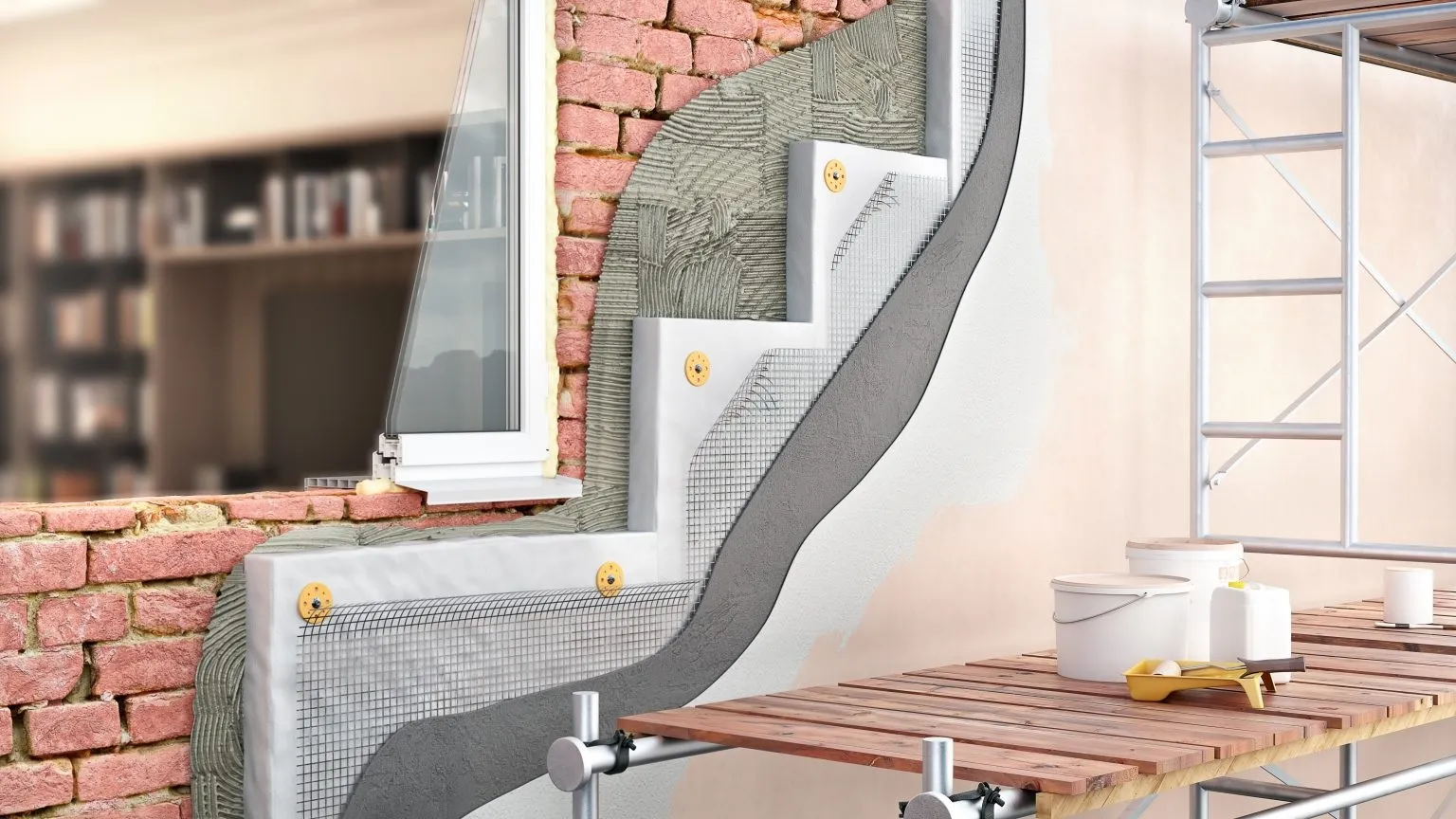
Sustainability features: The material can be produced from recycled materials, such as metal waste, helping reduce the carbon footprint. The material has low thermal conductivity, allowing it to lower the temperature considerably, keeping the indoor environment comfortable, and resulting in significant savings in energy and money. Using it on openings like windows and skylights also helps to enhance the insulation on these surfaces without compromising their transparency. Its versatility to be modified into stronger, safer materials can be leveraged, and its flexibility in use can be optimized for various conditions.
The material is very thin, allowing it to be used in renovation and preservation projects. Aerogel is an effective material to increase the energy efficiency and sustainability of any structure, new or renovated.
Example – The Duncairn, Belfast (renovation project) by Doherty Architects

The project was undertaken to preserve the structure and convert it from a church to a Center for Arts and Culture. Aerogel was used as blankets on the roof to provide insulation to the space while also preventing the formation of mold, helping preserve the structure’s historical appearance. The additional benefit was making the building energy efficient.
9. Nanomaterials
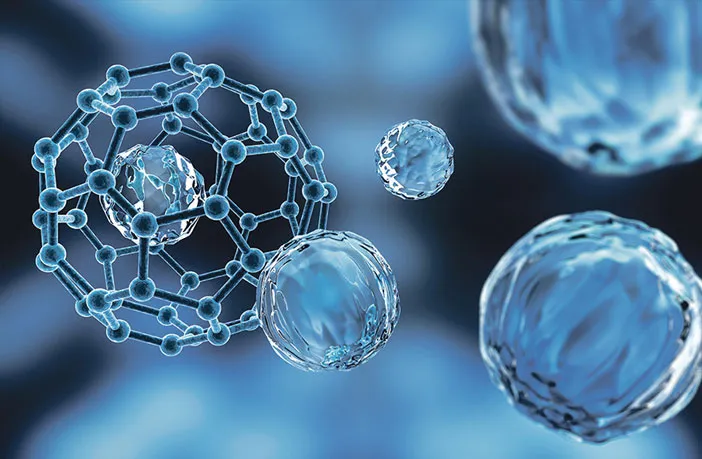
Materials that are made up of minute individual units (nanoscale dimensions) and that have unique properties that can be leveraged to create materials for a specific need are termed nanomaterials. In the building industry, they enhance construction materials such as concrete, steel, and glass to improve their mechanical properties or add new functions. Generally, materials with nanoparticles become lighter and work better than the original.
Sustainability features: When nanoparticles are added to construction materials, they tend to become stronger, lighter, more durable, energy-efficient, and/or longer-lasting. Some notable changes include self-cleaning or self-healing skills, fire resistance, corrosion resistance, reduction in maintenance, thermal insulation, environmental resilience, reduced emissions, and structural health monitoring. All these factors contribute to an increase in the sustainability of the structure.
Example: Palazzo Italia, Milan by Nemesi & Partners
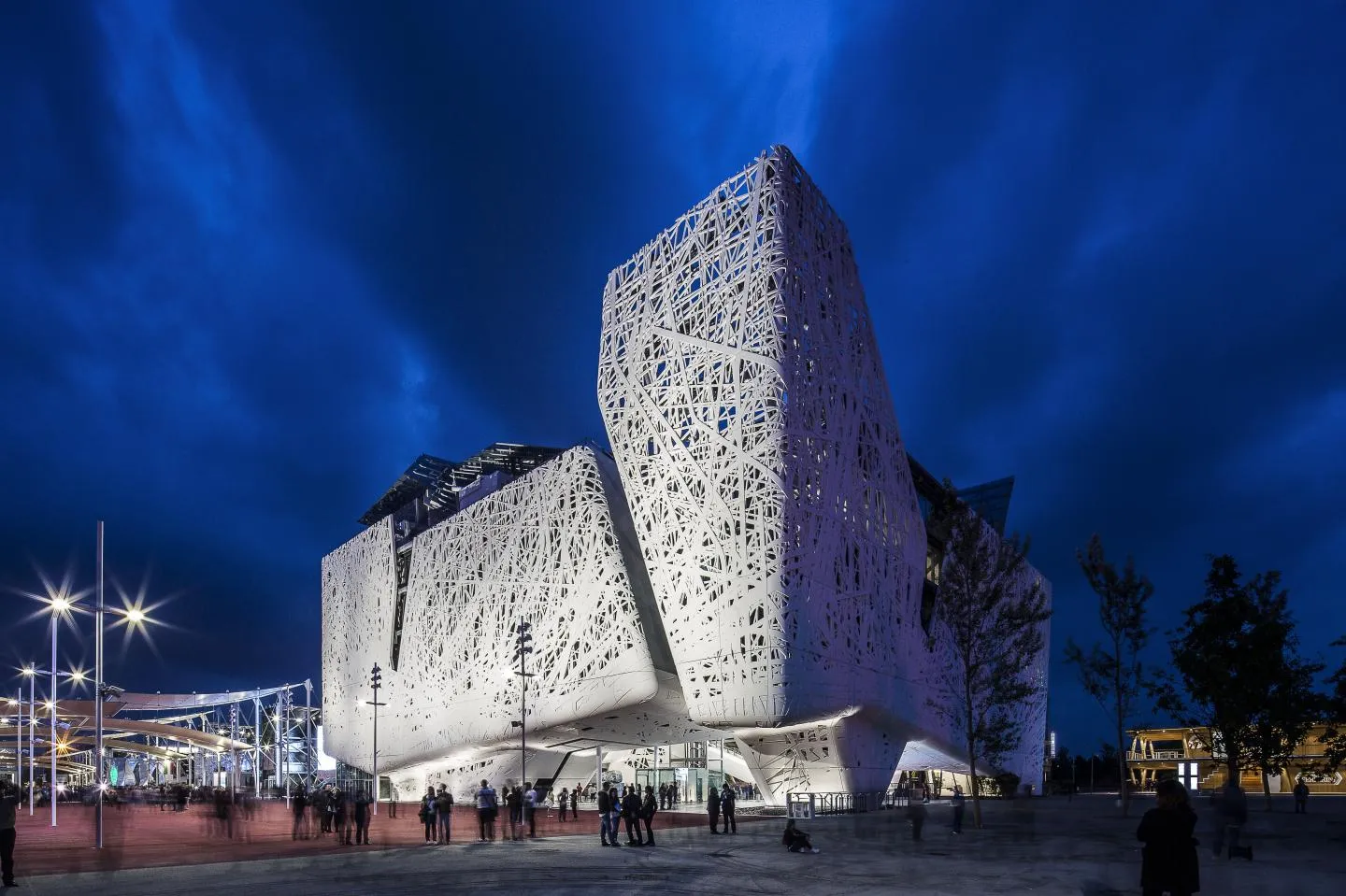
This building was designed with photocatalytic concrete panels, which are infused with titanium dioxide nanoparticles. This component can break down air pollutants into harmless salts when exposed to sunlight. This property is doubly beneficial, as it can also self-clean and prevent dirt and other debris from settling on its surface. There are also nano-solar cells integrated into the facade that contribute towards the energy requirement of the building and reduce the dependence on artificial sources of energy.
10. Transparent Wood
Wood is one of the most eco-friendly and renewable materials available, but it cannot be used for every design element in a building, especially openings. Now, transparent wood is available, a novel material that is not only 90% transparent, which makes it a good application for openings, but it can also be stronger than wood itself. It is made by removing the lignin to give it a colorless trait and then filling it with a transparent polymer that retains the strength of wood or potentially makes it stronger and more durable. It works well as an alternative to glass and plastic in the construction industry.
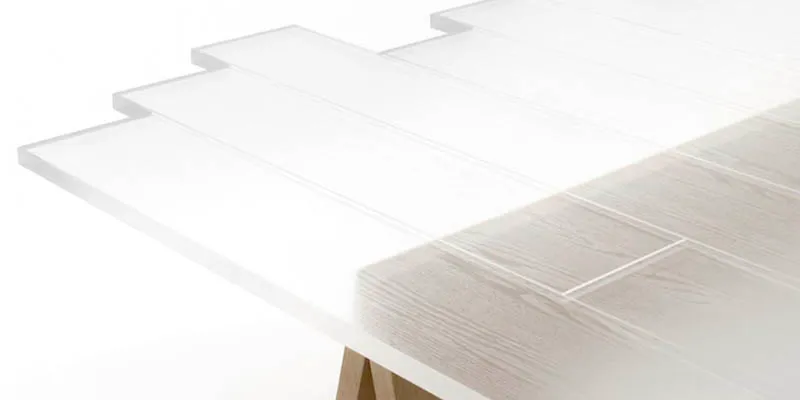
Sustainability features: The transparent wood mimics properties of wood; it is strong, lightweight, eco-friendly, and renewable. When compared to glass and plastics, it provides thermal insulation, is more durable, can reduce glare, has higher impact-resistant properties, and is bio-based. It can lock CO₂ like normal wood, making it a safer and more sustainable alternative. It can also be infused with solar cells to capture solar energy. The biggest advantage is that it can be used like wood for any structural element, including load-bearing walls, columns, and panels, which makes it an aesthetic option for interior and exterior use.
Example: Parking complex in Zutphen, Netherlands by Moederscheim Moonen Architects
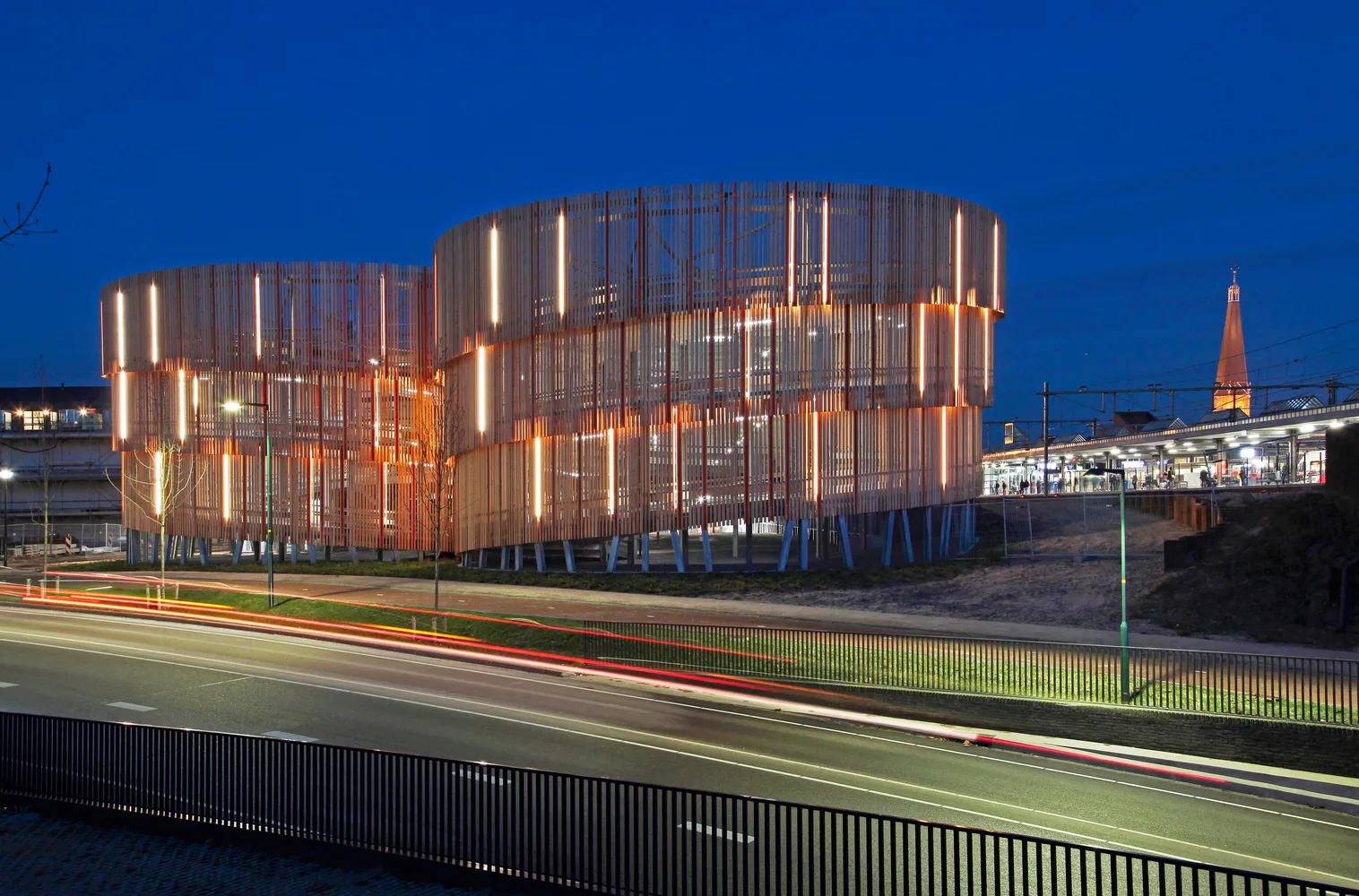
This parking space in the Netherlands is clad with transparent wooden strips at various angles that create a dynamic façade, adding an extra rhythm to an otherwise lackluster infrastructural building. The transparency of the wooden materials allows for natural ventilation and ample daylight to filter into the space. It also offers generous views from the inside while providing thermal insulation for the indoor environment. The building itself was designed to allow for an increase in height if and when needed, and the flexibility of the wooden strips can also be extended as required.
11. Graphene
Graphene is made of carbon atoms arranged in a honeycomb structure that makes it stronger than steel. It is also lightweight, ultra-thin, and strong, delivering a material that is favorable for a wide range of applications across various industries. Due to its thin and lightweight properties, it can be easily integrated into other materials to increase their strength and longevity. It could enable the use of a smaller amount of material for the same function, helping reduce waste and lowering the carbon footprint of the material itself. Additional advantages of graphene include flexibility, electrical and thermal conductivity, and transparency.
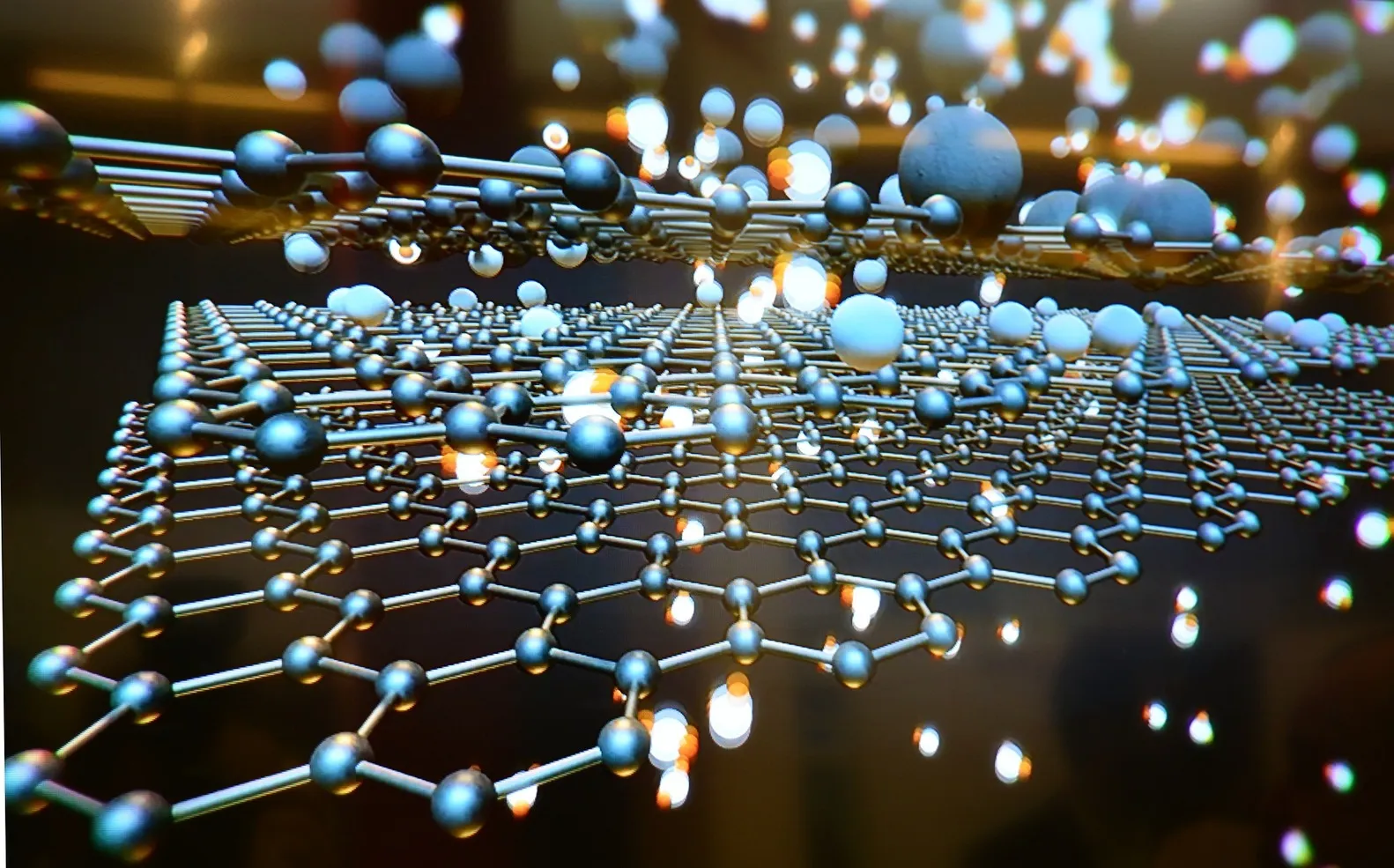
Sustainability features: In the construction field, graphene can be embedded into concrete and reinforce it, making it stronger, enhancing its durability, increasing its flexibility, increasing its insulation properties, and improving its impermeability. New, thinner materials can be created, which ensure a reduction in the usage of materials, making them more sustainable and reducing waste. Graphene can also be integrated into paints, boosting its insulation and increasing the life span of the material and, subsequently, the structure too. All these energy-efficient properties make graphene a very sustainable and highly functional material with a wide variety of uses.
Example: Southern Quarter Gym, Wiltshire, UK, by Nationwide Engineering Group
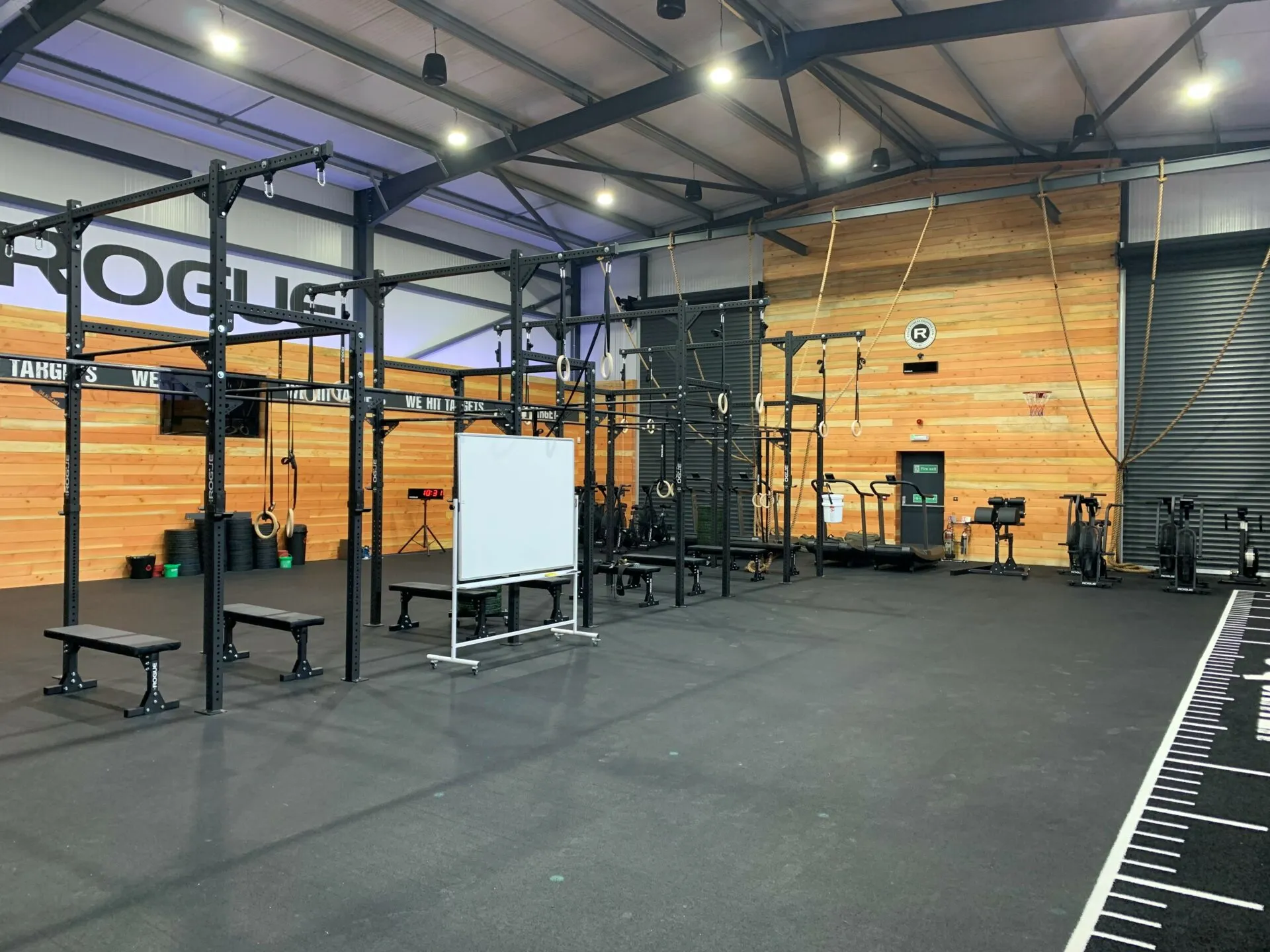
This was the first building to use graphene-induced concrete called concretene in the main floor slab. The outcome showed a 30% decrease in the amount of material needed; steel reinforcement was eliminated, yet the strength of the floor was much more than required. It saved time and money during construction and has reduced carbon emissions, making it an effective and sustainable alternative to concrete. The material was developed specially for this project, and the gym was designed to function as a living lab for concretene.
12. Shape-shifting polymers
Shape-shifting polymers are those materials that can be deformed into another shape temporarily because of some external stimulus and return to the original shape when the opposite stimulus is applied. The stimulus could be temperature, light, pressure, electricity, or moisture. They are known for their durability and strength. They have the capacity to self-heal, requiring very little maintenance, and are known to be more flexible than metal. These materials are already used in a wide range of applications in the biomedical industry.
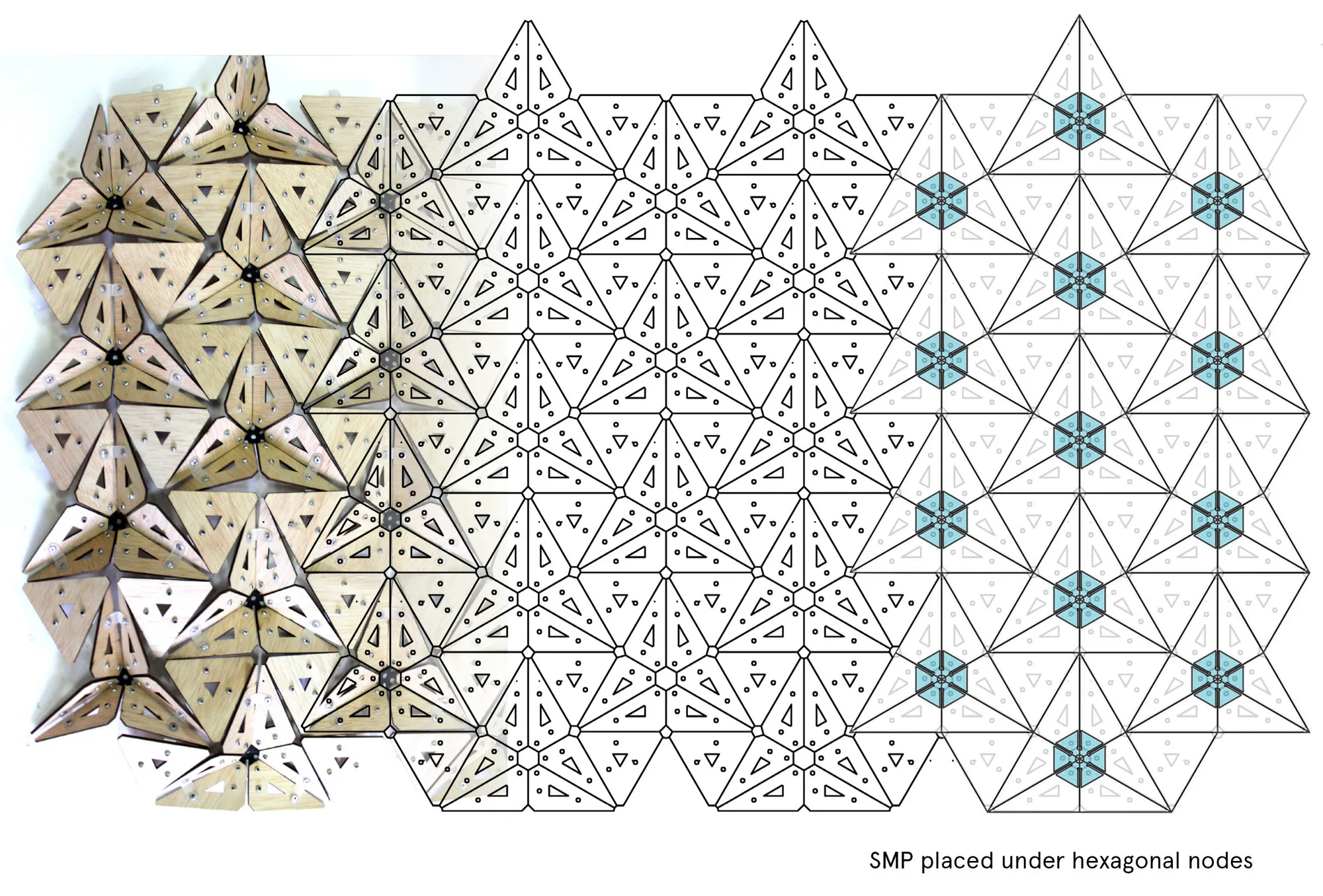
Sustainability features: Their shifting properties make them a versatile material to be used for various elements of a building. They are especially useful as climate-adaptive building envelopes, where they can autonomously adapt to the surrounding environmental conditions. By actively changing their shape to provide higher or lower insulation, light, and ventilation, they reduce the need for artificial cooling and lighting systems. This reduces the energy consumption and costs incurred by a building, making it a more sustainable and economical option.
Example: Prototype by IAAC students
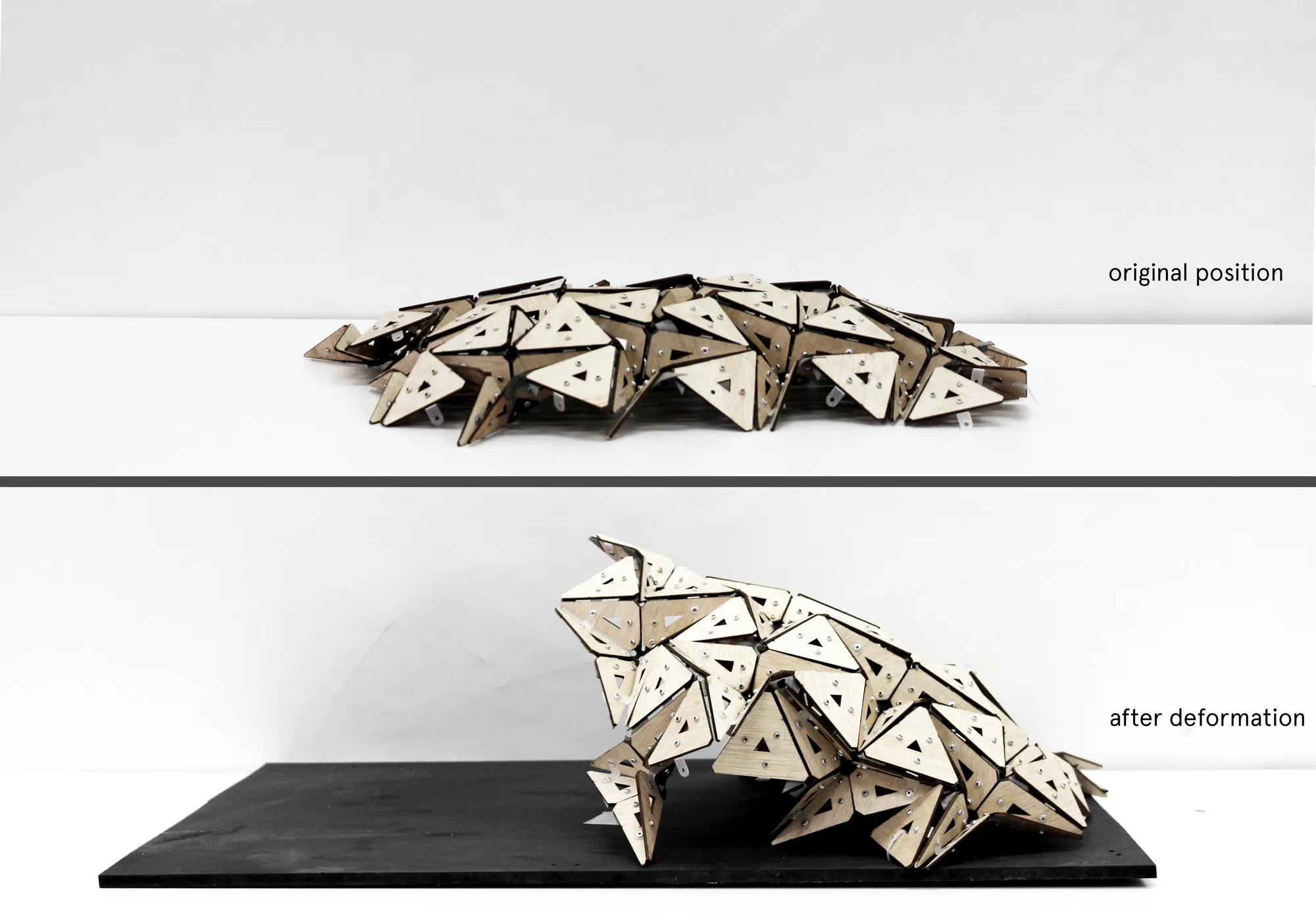
This is a project by students of the Instituto de Arquitectura Avanzada de Catalunya, where the building changes shape at higher temperatures. With this change in the climate, the structure opens up to allow more air, making the indoors more comfortable. The shape-shifting polymers are applied in the joints on the hexagonal nodes of the plywood roof, which transforms the shape with a temperature rise. The structure then holds even after cooling. It returns to its original shape when heat is again applied. This responsive structural joint reduces the structure’s dependence on artificial systems for cooling the indoor space.
13. Magnetorheological materials
These smart materials can change their physical properties with the application of an external magnetic field and return to their original form when the magnetic field is removed. They usually exist in liquid, elastomer, or foam states and can alter their viscosity or stiffness because of the magnetically susceptible particles dispersed within them. They act as shock absorbers and vibration dampeners that reduce structural movement, which becomes effective against extreme conditions like earthquakes, floods, or high winds.
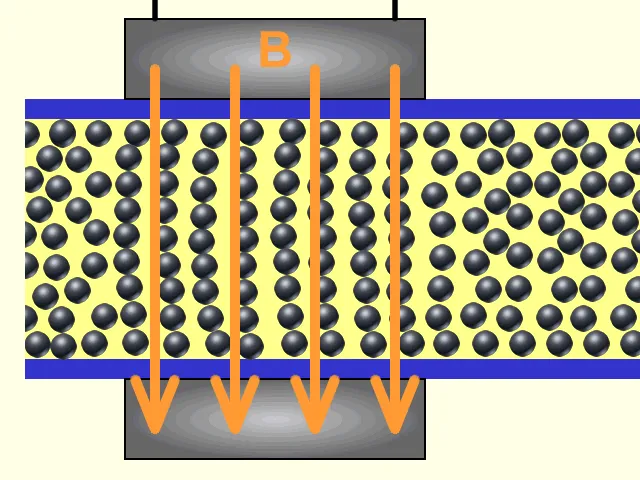
Sustainability features: With the application of a magnetic field, these materials can stiffen, change the dampening properties, control structural vibrations, and absorb seismic energy. They react quickly and change their properties rapidly when a magnetic field is applied, so they respond to extreme conditions quickly and can protect the building from damage. This helps enhance the efficiency of the building, reduce waste, reduce energy consumption, and extend the lifespan of the building. The material can also be adjusted to various situations, so it is more efficient depending on the structure’s context.
Example: Miraikan, National Museum of Emerging Science and Innovation, Japan by Nikken Sekkei
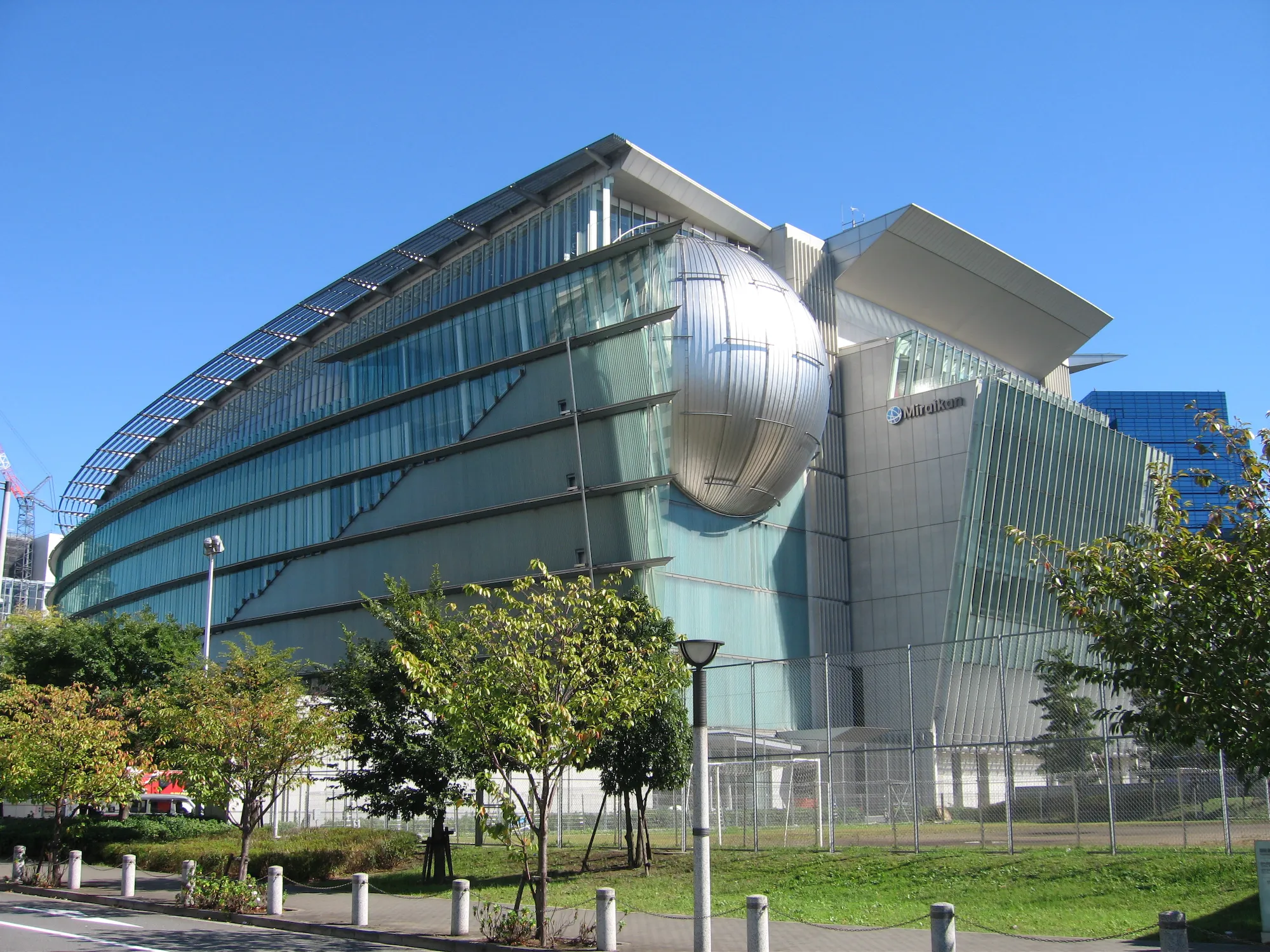
The museum supports advanced science and technology projects, and the use of magnetorheological fluid in its structure is a cutting-edge system on display. MR dampers are applied on the structural elements between the third and fourth floors with springs and shock absorbers for seismic protection. The fluid is in a semi-active state and becomes active once it detects a change in the magnetic field.
14. Climate Smart Paints
These paints target climate change because they are infused with eco-friendly components that help reduce energy consumption. They help purify the surrounding air, are eco-friendly in nature, can deflect heat and help increase insulation, have enhanced weather-resistance properties, and can reflect solar rays. They can be manufactured from recycled materials and are highly durable, which reduces the need for frequent repairs.
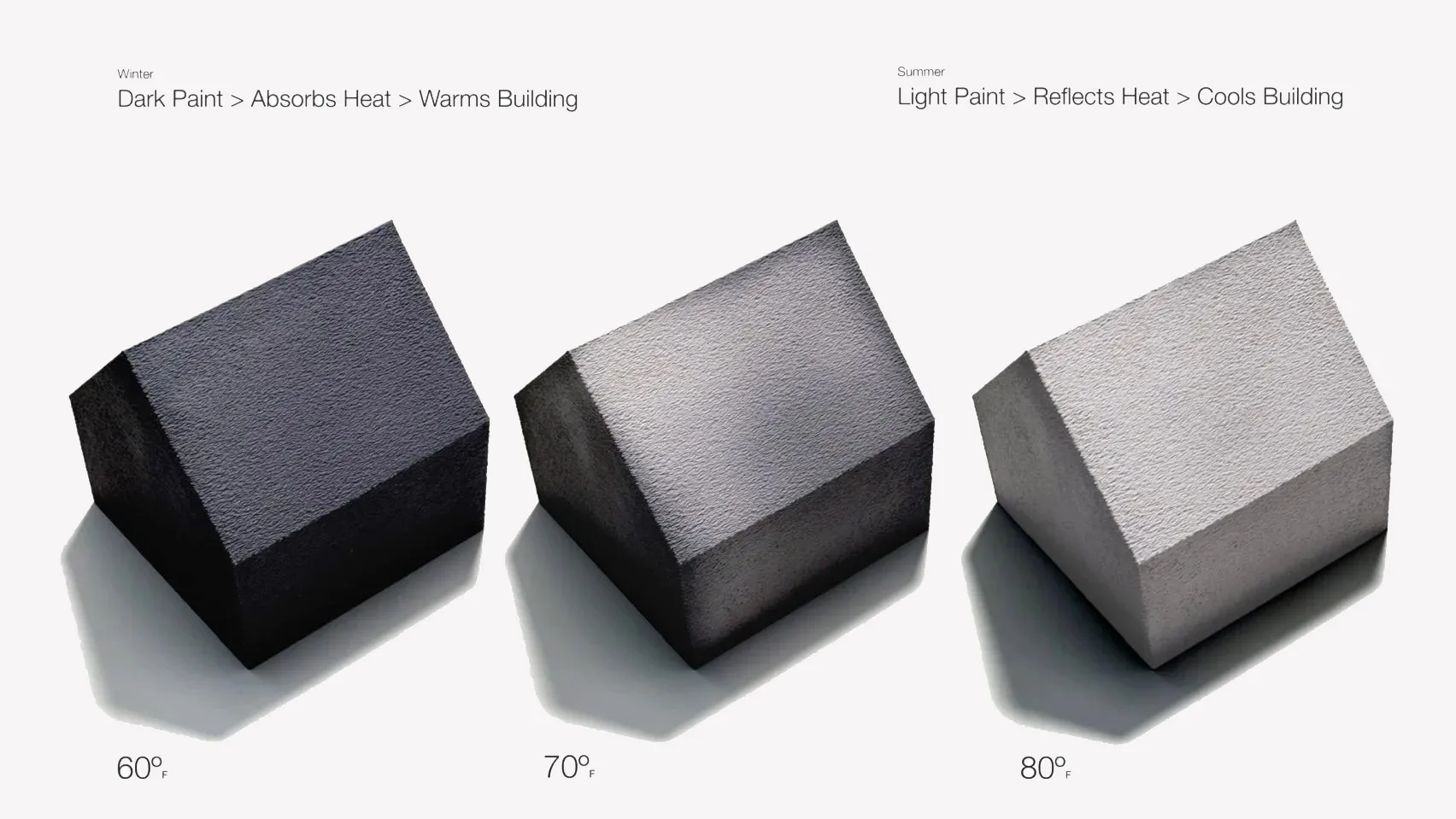
Sustainability features: These paints reduce waste as they are primarily made from recycled materials. Some paints use special pigments that help reflect sunlight and heat, increasing insulation and keeping the indoors cool, thereby lowering energy consumption. They also have an anti-pollution characteristic that absorbs and neutralises or breaks down the air pollutants. Their durability makes them effective in protecting the facades from climate challenges and reducing the maintenance of the structure. All these factors make climate-smart paints energy-efficient and reduce the carbon footprint of the building.
Example: Joe Doucet Residence, USA – Paint developed by Joe Doucet
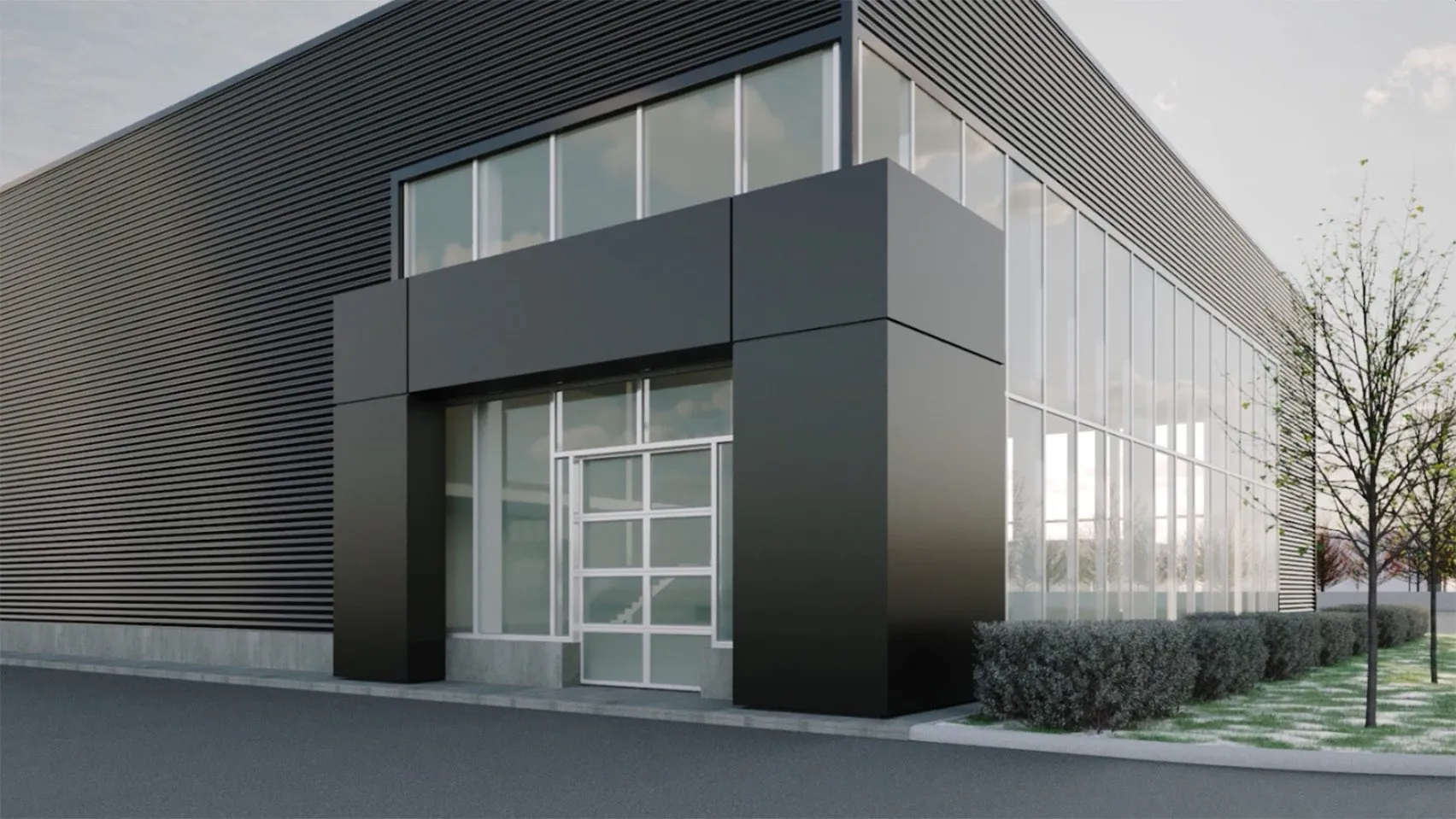
This smart paint, developed by designer Joe Doucet for the exterior walls of his residence, has thermochromic pigments that make the paint climate-responsive. The paint changes colour with a change in the temperature of its surroundings. It is white at high temperatures and can turn completely black at lower temperatures. This makes the indoor environment very comfortable and, per the designer, can reduce about 15-25% of the energy consumption.
15. Bioplastics
Bioplastics material is an eco-friendly alternative to plastic, made from renewable materials like corn starch, sugarcane, or algae. With proper treatment and under specific conditions, they can also be biodegradable or compostable, making them sustainable. Bioplastics are found to be more durable and stronger than original plastics and offer versatility because they can be easily moulded into functional, practical, and aesthetically appealing shapes. Bioplastics are already being used in many industries, especially in packaging food products.
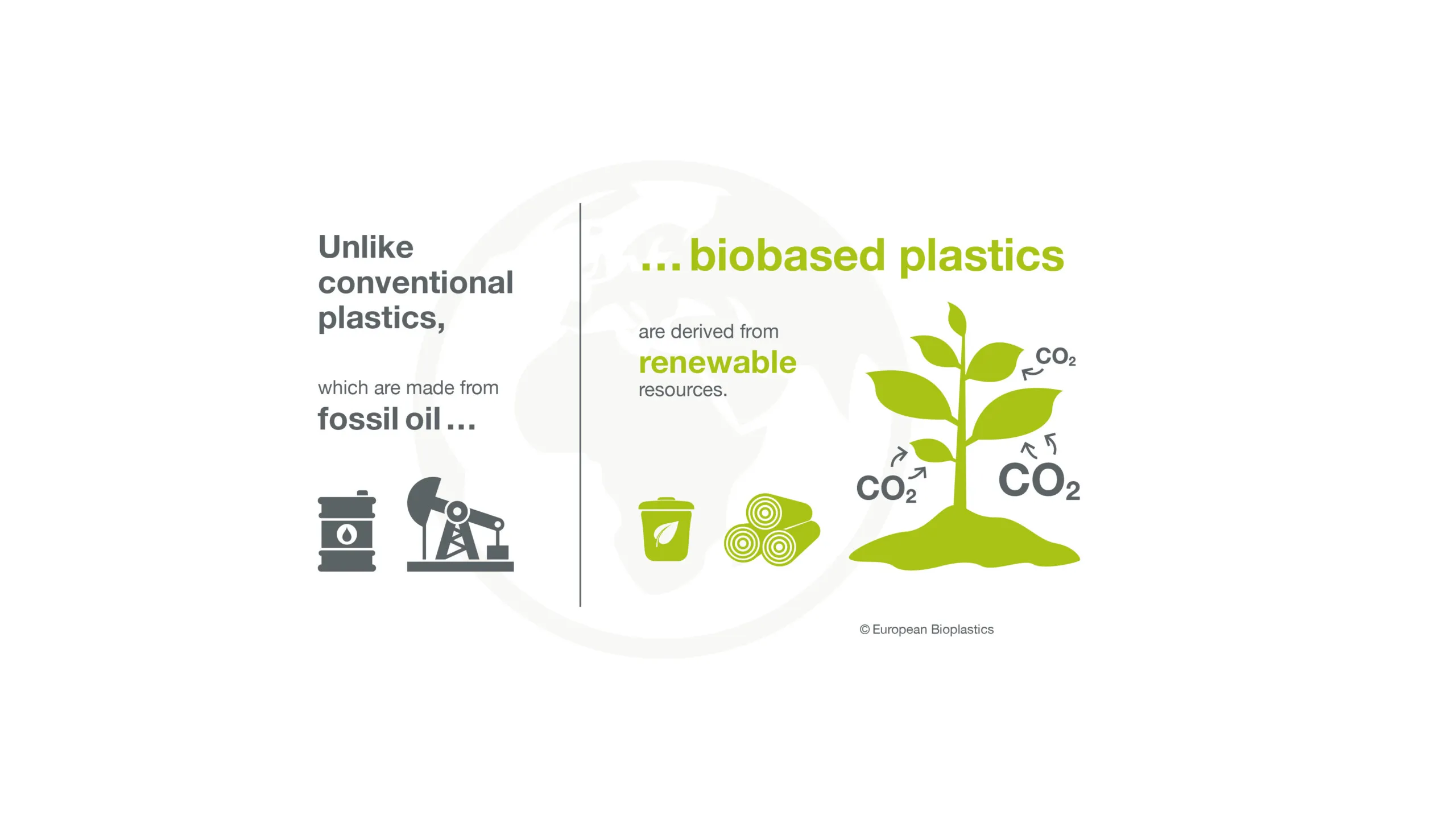
Sustainability features: Manufacturing and using bioplastics is an efficient way to reduce dependence on fossil fuels, which are non-renewable and toxic to users. Since they are made from renewable sources, they are naturally safe and healthy materials for the occupants. They can reduce carbon footprint and waste production as they emit significantly lower greenhouse gases. In the construction industry, they work effectively as insulation and can also be moulded into wall panels and pipes. They are an efficient choice when building temporary structures.
Example: ArboSkin Pavilion, Germany by Stuttgart University ITKE Department
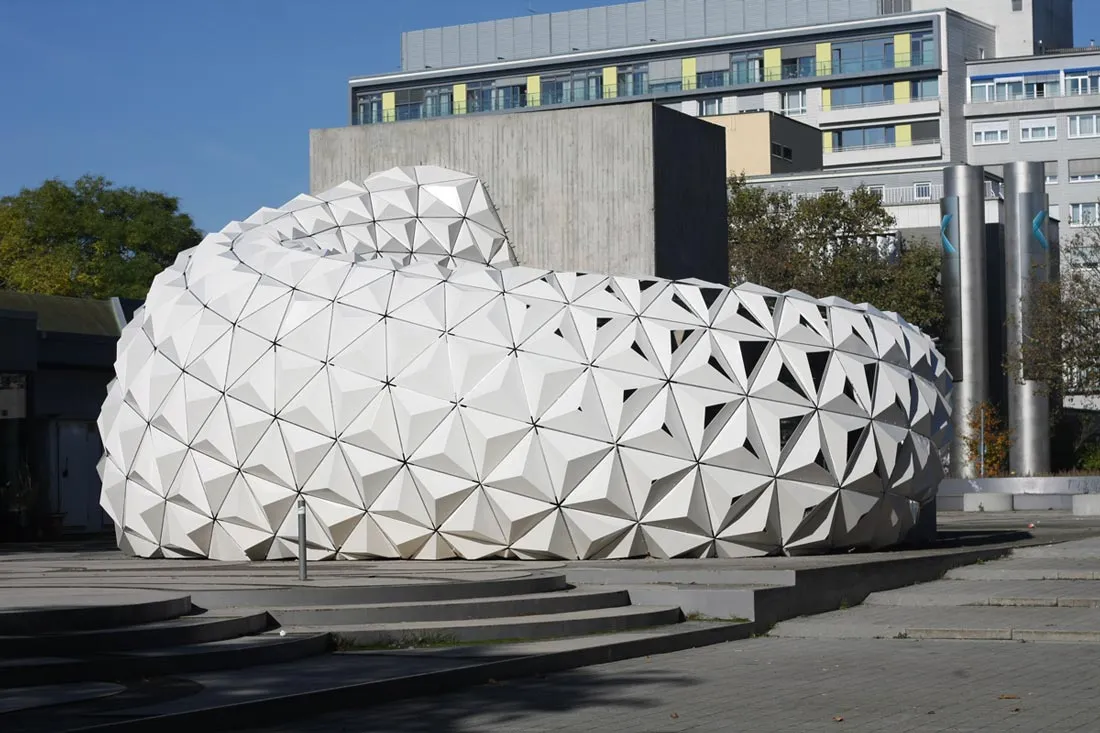
This project, developed by the students and professors of the ITKE department of Stuttgart University, used bioplastics that contained more than 90% of renewable materials. Developed by the German firm Tecnaro, the material is a combination of various biopolymers with natural reinforcing fibres that have the same malleability as traditional plastics but with the advantage of environmental benefits.
