

Construction sites are evolving at speed. Robots take on the heavy, repetitive lifts, drones map progress from the sky, and algorithmic models let architects test safety long before steel arrives on site. The promise feels obvious: fewer injuries and smoother builds. Yet day-to-day reality often disagrees.
Accidents still happen, even in highly mechanized environments. Equipment fails, code errors slip through, and workers face hazards that technology has not erased.
The future of construction may be automated, but the safety of people on site still depends on a balance of machines, design foresight, and accountability.
The Rise of Automation in Construction
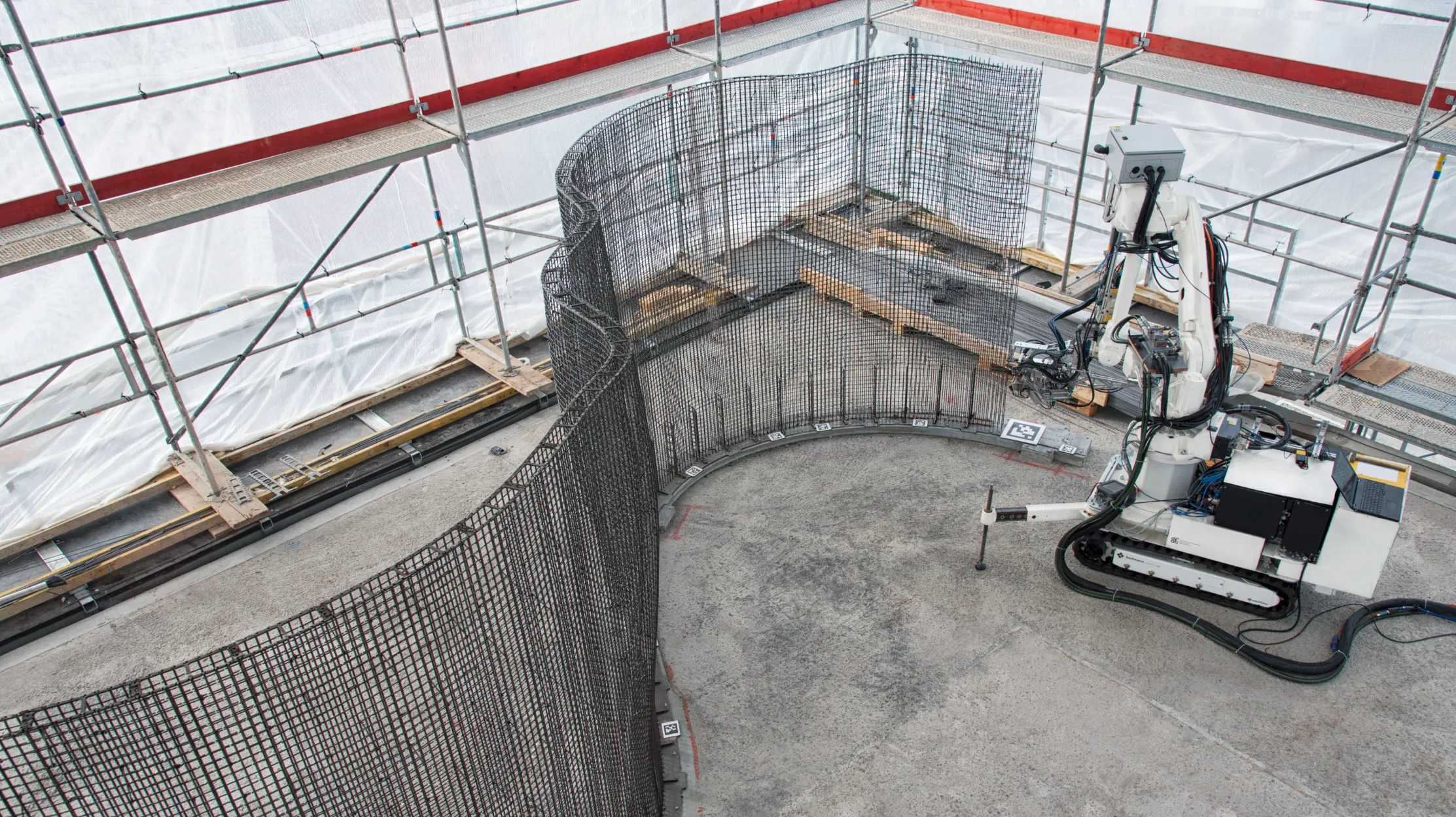
Walk onto a major jobsite today, and it feels closer to an applied tech lab than a traditional yard. Tower cranes still set the pace, but their work is now supported by drones capturing scans, robotic arms assembling modular units, and aerial lifts guided by precision sensors. These tools are no longer curiosities. They are quickly becoming standard practice.
Architects and engineers rely on parametric modeling to anticipate how workers and machines move through space. Smarter staging reduces bottlenecks and exposure to risk. AI scheduling tools flag sequencing conflicts and unsafe overlaps before crews arrive. The result is tighter coordination, fewer delays, and processes that keep people out of the danger zone.
For designers, this shift opens new terrain. A building conceived with automation in mind changes the choreography of materials, logistics, and labor. The site becomes a proving ground for ideas that shape both construction and design culture.
Why Technology Alone Can’t Eliminate Risk
Despite the surge in automation, construction remains a hazardous work environment. Aerial lifts can tip under wind load or soft ground. Sensors misread surface conditions. Drones create distractors in crowded airspace. Reduce one category of risk, and another can quietly grow.
The weak link is not always a failing component. Fatigue, compressed schedules, and uneven training still drive outcomes. People must set up, monitor, and work beside machines, and that human-machine interface is often where incidents begin.
When automation falls short and injuries occur, specialists like the aerial lift accident attorneys witness the consequences firsthand. A model may flag hazards in theory, yet fast-moving field conditions can outpace the best planning.
The persistence of accidents is a clear signal. Machines extend human capacity, but they do not eliminate the risks inherent in construction.
Designing for Safety: The Architect’s Role
Safety starts long before the crew mobilizes. Parametric tools let architects simulate worker paths, crane swings, lift envelopes, and delivery logistics during early design. Those simulations catch trouble spots before they harden into built conditions. Narrow corridors that force awkward lift angles. Staging that pushes crews into pinch points. Scaffolds that invite shortcuts.
Firms are using computational models to explore thousands of permutations and optimize for both throughput and protection. This design-first approach complements established guidance, such as OSHA’s construction resources, which emphasize hazard prevention through effective planning.
The implication is direct. Design choices shape the risk profile of a site. A well-conceived plan reduces reliance on reactive measures and gives the field team a safer baseline to work from.
Accountability in the Age of Automation
As automation spreads through the workflow, responsibility spreads with it. A failed lift can often be traced back to a defective part or a manufacturing issue. Contractors are responsible for maintaining, training, and ensuring the safe operation of equipment. Architects face scrutiny when geometry or sequencing heightens exposure.
Sorting cause from effect is rarely simple. A scheduling algorithm can compress trades into the same zone. A drone operator can distract a crew during a critical pick. A sensor can report false stability. Legal and professional frameworks have to parse these interactions and return to a core principle. Incidents are not technical glitches. They are human events that demand clear accountability.
Efficiency does not absolve anyone. Responsibility should evolve in step with innovation.
The Future of Human + Machine Collaboration
The strongest vision of progress pairs human judgment with machine precision. Sensors warn before a lift reaches a dangerous angle. Vision systems watch exclusion zones and alert crews when lines are crossed. AI tools forecast delays and identify hotspots so planners can adjust the sequence.
As teams adopt smarter tools, research into how robots are changing modern construction reveals that machines are taking on repetitive, high-risk tasks, while crews focus on coordination and situational awareness. The pairing closes blind spots and smooths outcomes. It also raises the bar for training so people understand how to work with, and not against, automated systems.
The human element still carries the final weight. Oversight, education, and legal protections ensure that technology remains aligned with the people it is meant to protect. Designers and engineers can push the field forward while keeping the workers at its center.
Conclusion
Automation is reshaping construction. Machines lift heavier loads, compute faster, and monitor more than a person can manage alone. Yet, risk remains an inherent part of the work. Components fail. Software misjudges. Conditions shift and demand human instinct.
The lesson for design teams is simple and durable. Treat innovation as a tool for both protection and performance. Use modeling to anticipate hazards. Build collaboration between crews and machines. Hold clear lines of responsibility. Progress in construction looks like fewer people in harm’s way and more projects shaped by care as well as code.
