


At the 2025 Meta Connect event, Mark Zuckerberg introduced the Meta Ray-Ban Display smart glasses, designed to bring artificial intelligence and display technology directly into everyday eyewear. Unlike earlier generations, these glasses integrate a built-in high-resolution display and a wrist-worn controller, signaling Meta’s push to shift core smartphone functions into a new form factor.
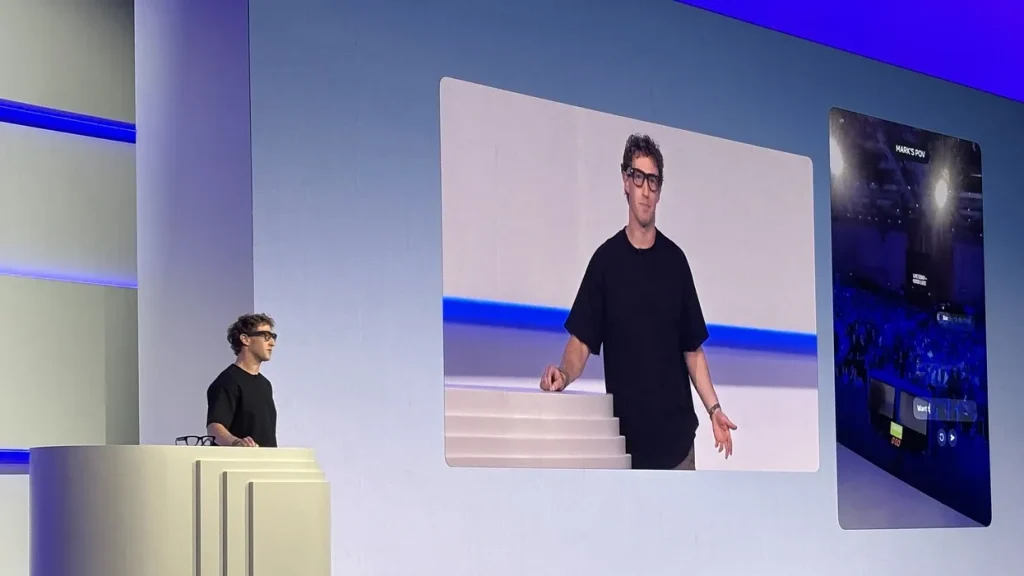
Zuckerberg emphasized during the launch that smart glasses represent a unique form factor, allowing artificial intelligence to process what the wearer sees and hears and eventually deliver AI-generated information directly into their line of vision in real time. He explained that the purpose of the Ray-Ban Display was to reduce reliance on smartphones by enabling faster and more discreet interactions through eyewear.
Within Meta’s broader product roadmap, the company categorized its eyewear strategy into three tiers: camera AI glasses, display AI glasses, and full augmented reality (AR) glasses. The Ray-Ban Display was positioned as the middle tier, a bridge between simple camera-enabled eyewear and the more advanced AR systems still in development.
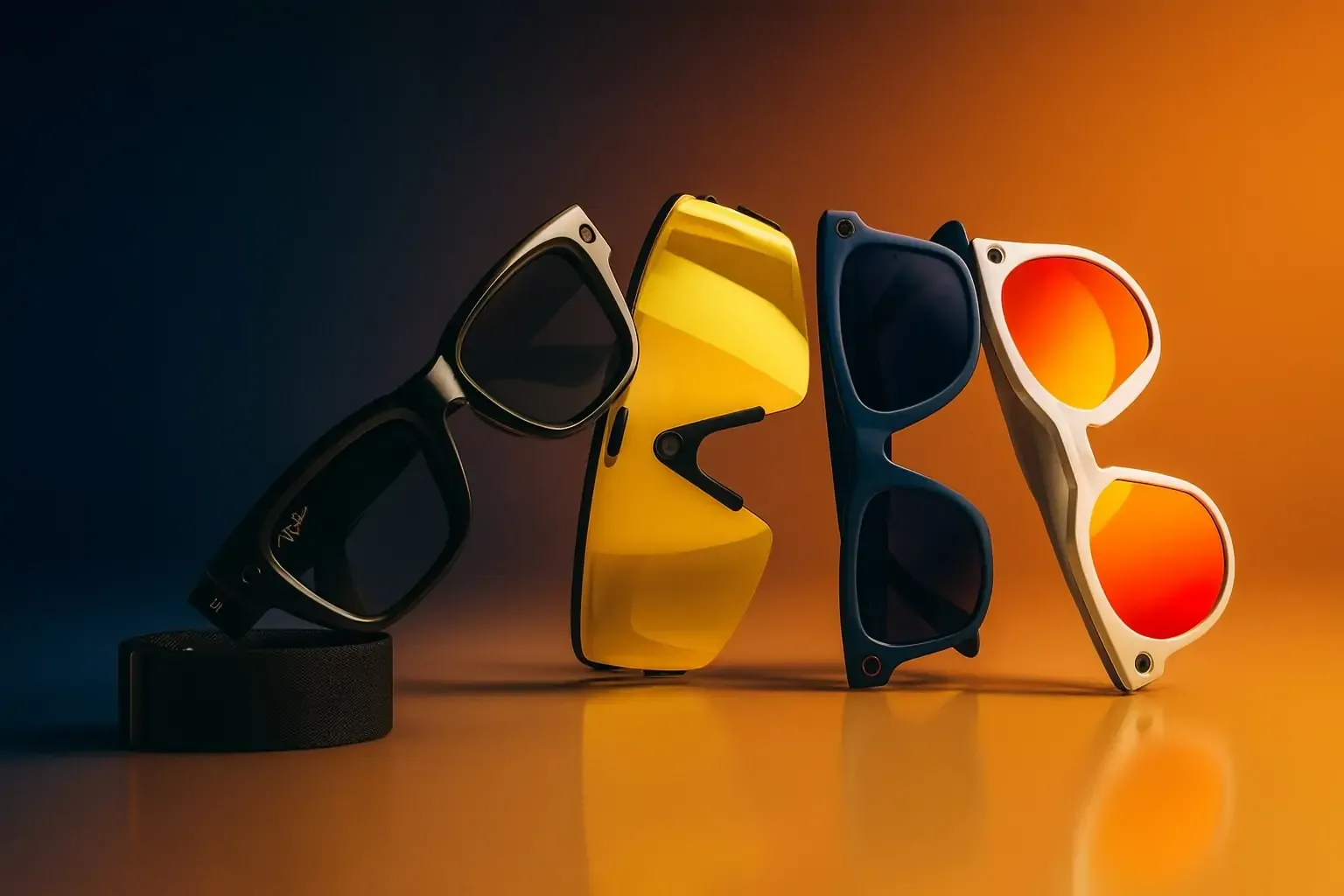
Meta Ray-Ban Display Smart Glasses: Full Technical Specifications and Performance
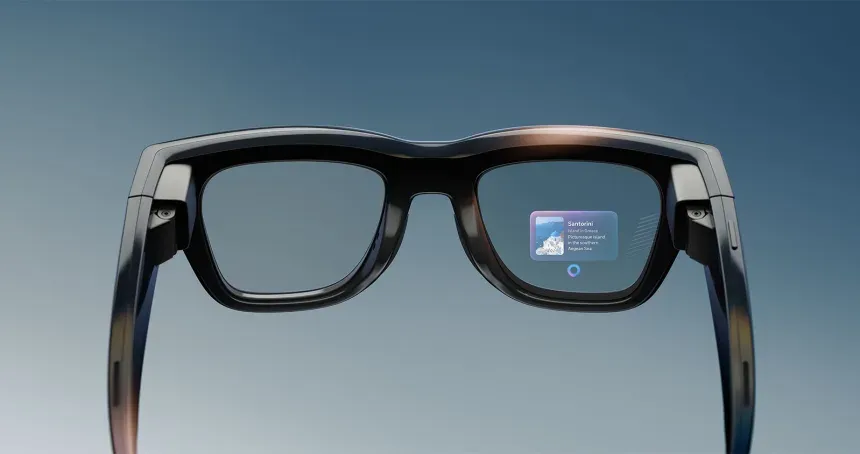
Meta presented the Meta Ray-Ban Display glasses as its first consumer smart glasses with a built-in full-color, high-resolution display, paired with a wrist-worn controller called the Meta Neural Band. The display is embedded into the right lens, designed to deliver visual feedback without permanently obstructing vision. It is used for brief interactions (e.g., reading messages, previews, and captions).
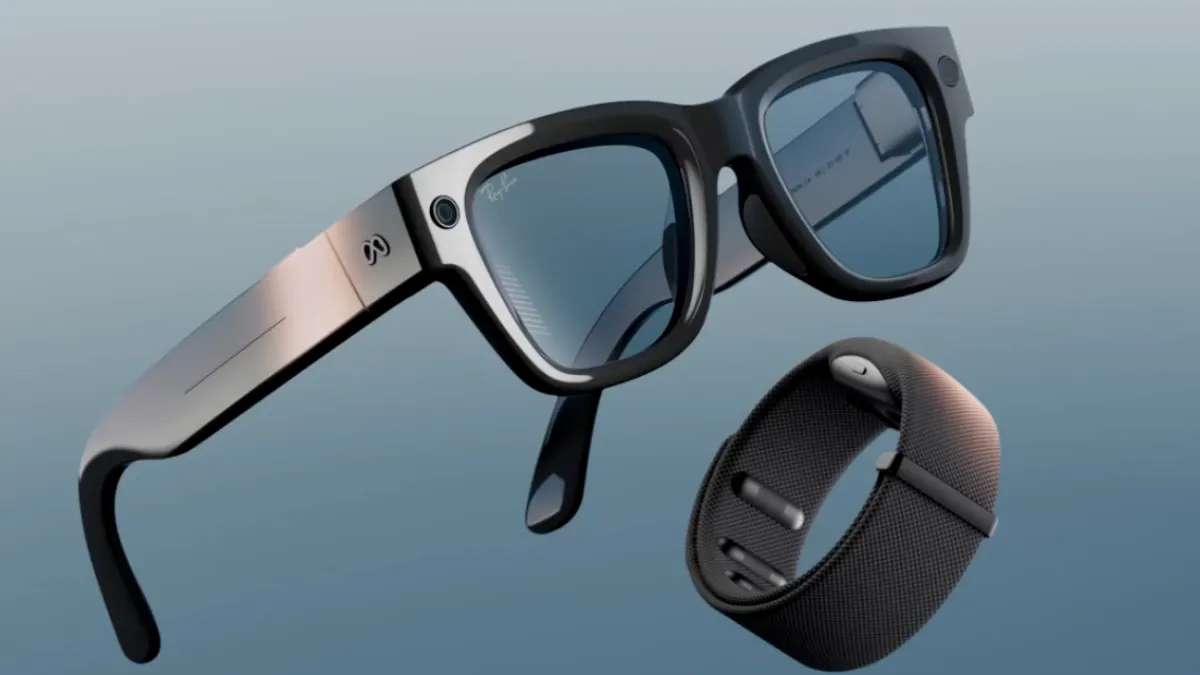
Meta positioned it as a tool to reduce reliance on phones for everyday tasks, such as messaging, translation, and navigation, while staying “present.”
The Ray-Ban Display smart glasses come with verified specifications that place them ahead of previous models in this category:
Display Quality and Resolution
The Meta Ray-Ban Display smart glasses feature a 600 × 600 pixel monocular display embedded in the right lens. This setup allows users to access quick information such as text, maps, or translations without obstructing natural vision. With a field of view of around 20 degrees and roughly 42 pixels per degree, the display is designed for short, clear bursts of content rather than full immersive overlays.
Refresh Rate and Brightness Range
The glasses support a hardware refresh rate of up to 90 Hz, though in typical use scenarios, content refreshes closer to 30 Hz. One standout feature is brightness flexibility; the display can shift from as low as 30 nits indoors to an impressive 5,000 nits outdoors. This wide range ensures readability, whether in dim environments or direct sunlight, a common challenge for wearable displays.
Camera and Imaging Capabilities
Meta equipped the Ray-Ban Display with a 12-megapixel camera capable of capturing photos at up to 3024 × 4032 resolution. For video, it records at 1080p and 30 frames per second, with digital zoom support. The camera functionality aligns the glasses with earlier Ray-Ban Meta models, but now pairs imaging with the added advantage of an integrated display for instant review and interaction.
Gesture Control via Neural Band
A defining feature of this generation is the Meta Neural Band, a wrist-worn controller that uses electromyography (EMG) sensors. By detecting subtle wrist and finger movements, the band allows users to issue commands or navigate interfaces with discreet gestures. This approach offers a more natural alternative to voice- or touch-based inputs while also improving accessibility for users with limited mobility.
Battery Performance and Charging Options
On a single charge, the smart glasses deliver up to six hours of mixed use. For extended usage, the accompanying charging case significantly boosts total battery life to around 30 hours. While six hours may feel modest compared to smartphones, the inclusion of the charging case highlights Meta’s strategy to make all-day use more practical.
Durability and Water Resistance
The Neural Band features an IPX7 water resistance rating, indicating it can withstand splashes and brief exposure to water. The eyewear frame itself has a lower resistance level but was engineered for all-day wear, balancing durability with comfort.
Weight, Frames, and Lens Options
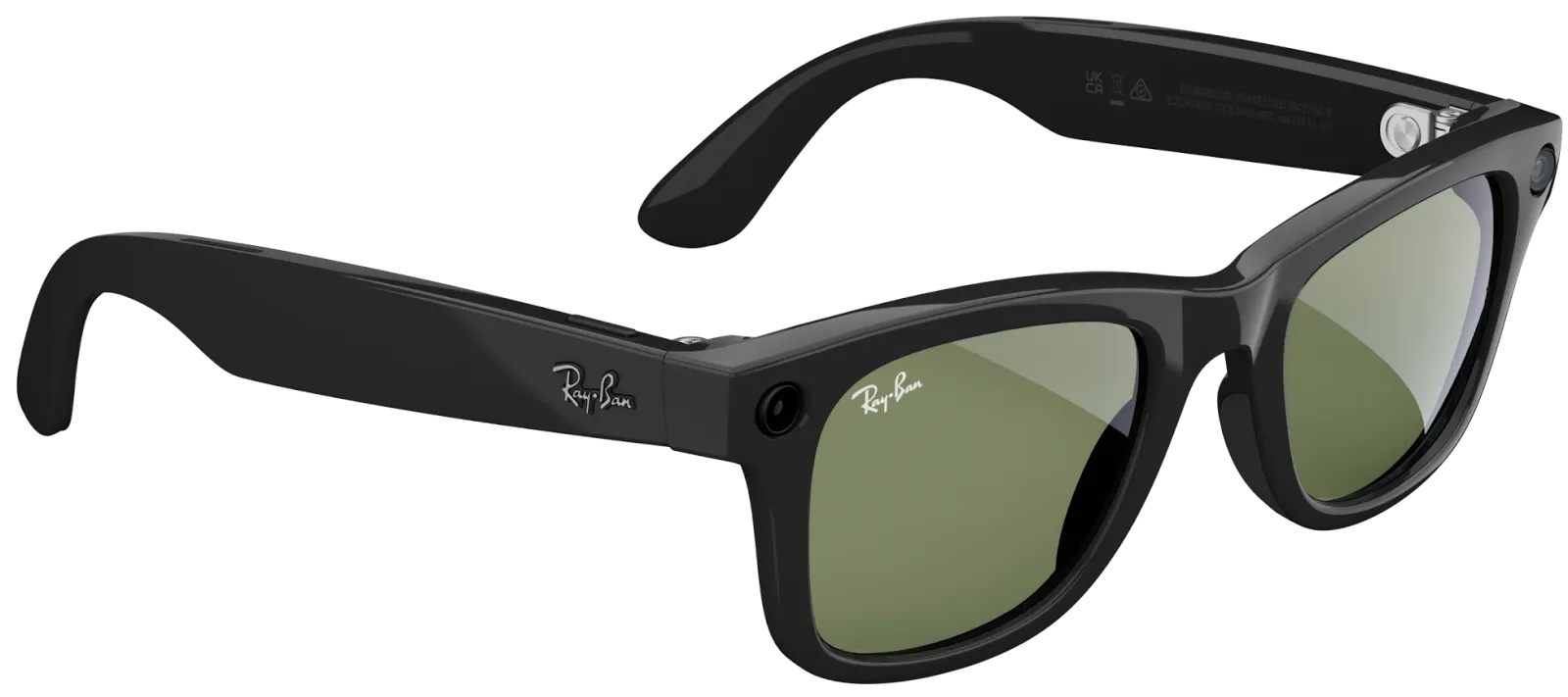
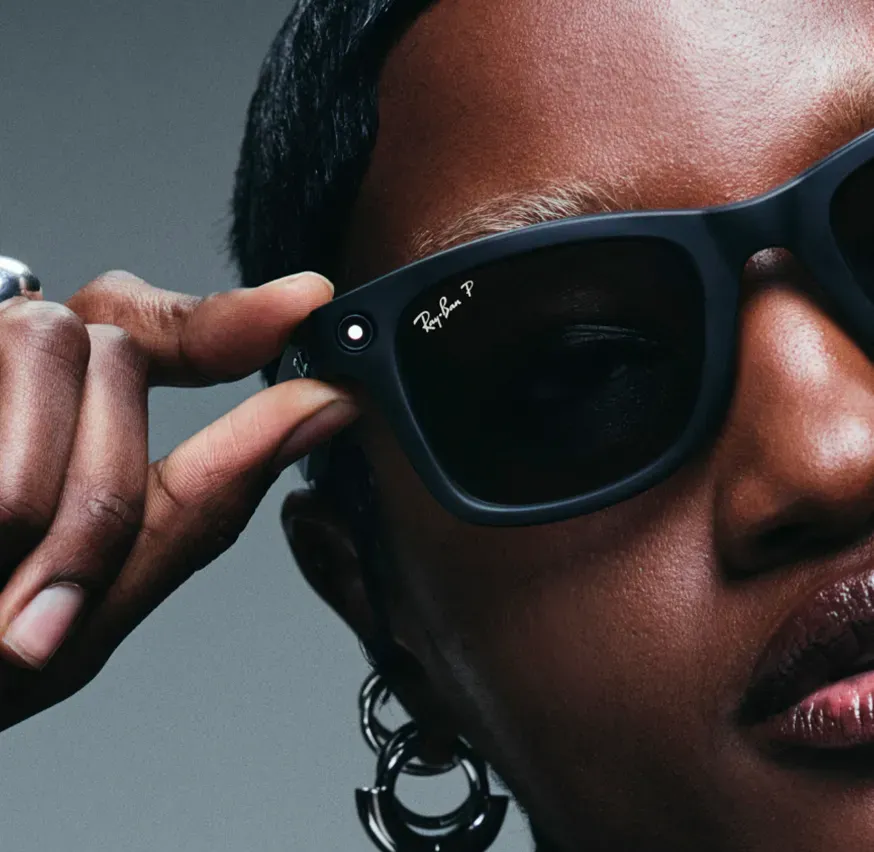
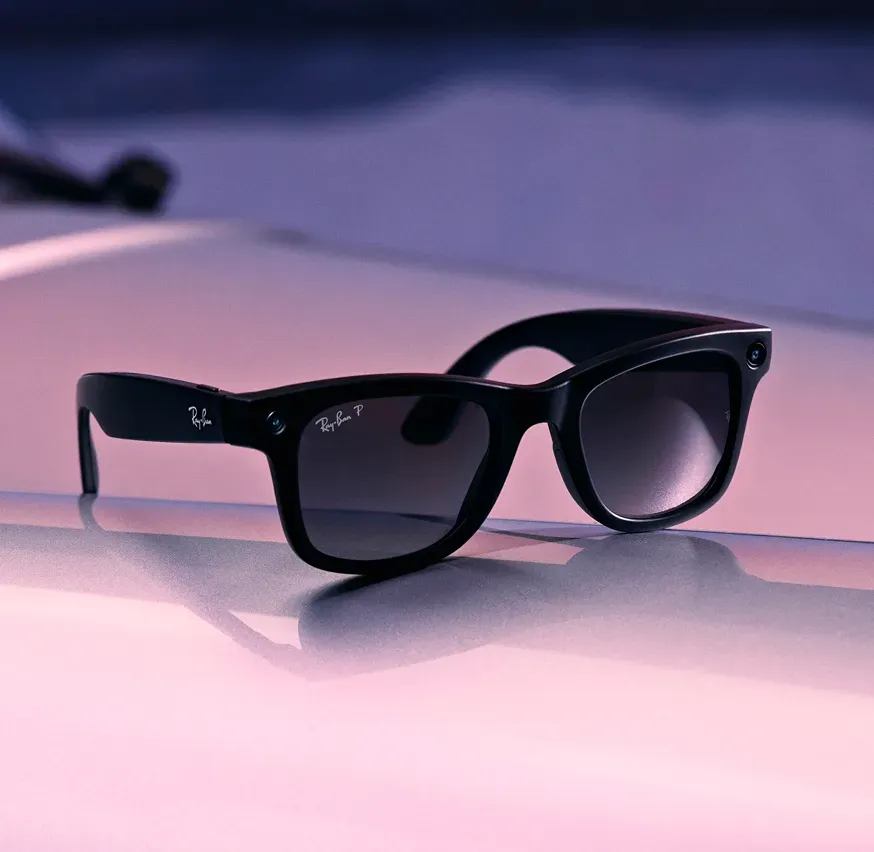
In terms of build, the glasses are available in two sizes, standard at 69 grams and large at 70 grams. At launch, Meta offered two frame colors, Black and Sand, with support for prescription lenses. The design closely resembles the familiar Ray-Ban Wayfarer style, ensuring that, despite the integrated technology, the glasses appear as everyday eyewear rather than a futuristic gadget.
Pricing, Availability, and Market Rollout
The Meta Ray-Ban Display smart glasses launched at a starting price of US$799, which includes the Neural Band wrist controller. The device is scheduled for release in the United States on 30 September 2025, with distribution through retail partners such as Best Buy, LensCrafters, Sunglass Hut, Ray-Ban Stores, and, later, Verizon outlets.
Meta also confirmed plans for an international rollout in early 2026, with initial markets including Canada, the United Kingdom, France, and Italy. This phased strategy reflects Meta’s intent to build momentum in key markets before expanding further.
Strengths: Where Meta Gains an Edge
One of the biggest advantages of the Ray-Ban Display is that it is Meta’s first pair of smart glasses to include an integrated display. This marks a significant step beyond the company’s earlier, display-less models.
The glasses also stand out with their brightness range of 30 to 5,000 nits, ensuring visibility across both dim indoor settings and bright outdoor conditions. Another strength is the Neural Band controller, which uses EMG sensors to capture subtle wrist and finger movements. This design provides a more natural and accessible way to interact with the glasses compared to voice or touch controls.
Meta has also emphasized its extensive research and development investment, noting that the Neural Band’s technology was trained using data from nearly 200,000 participants, an unusually large test base for wearable interaction technology.
Limitations That Could Affect Users
Despite these strengths, the Ray-Ban Display faces several hurdles. The battery life, at around six hours of mixed use without the charging case, may prove restrictive for heavy users. While the case extends usage to roughly 30 hours, carrying and charging on the go may not appeal to everyone.
The field of view, although suitable for short interactions such as notifications or navigation prompts, is limited compared to what future augmented reality systems promise. Some users may also find the weight, at nearly 70 grams, noticeable during extended wear, particularly when compared with previous Ray-Ban smart glasses.
Finally, the US$799 price tag is likely to be a sticking point for many consumers. When combined with the potential need for prescription lenses, the overall cost could limit mainstream adoption, at least in the short term.
Meta’s move with the Ray-Ban Display is audacious but grounded. It bridges the gap between current smart glasses (which are mostly camera/audio-centric) and future AR devices with immersive overlays. The technical specifications are strong, especially the display brightness range, EMG-based gesture control, and the tight integration of display + AI + vision.
The success of the product will depend heavily on user comfort, real-world battery performance, developer ecosystem (apps & features that take advantage of the display), and price accessibility. If Meta can deliver a smooth, reliable experience and avoid major privacy or ergonomic issues, this could represent a shift in how people interact with AI in daily life, no longer always reaching for the phone.
Image and video credit: Meta
