

Right now, a lot of people are focused on reducing the negative impact humans have on the environment. That means using energy more efficiently and taking steps to minimize carbon and other toxin emissions. For that reason, there are numerous government initiatives and green projects that exist designed to further those goals.
Performing any kind of innovative architecture, though, requires designing and planning how you can achieve it. The same goes for garnering investments and selling houses. Mockups are the perfect tool for that, which is what we’re going to be talking about today.
Concerns in Architecture
There is a wide array of challenges associated with balancing environmental responsibility, functionality, and long-term resilience. As the world continues to grapple with urban expansion and resource depletion, architects have a role to play to help create more livable cities and neighborhoods.
Here are the biggest concerns for concerned citizens:
- Addressing climate change and environmental impact: people are looking for structures that consume less energy, adapt to different conditions, and are resilient.
- Resource depletion and waste reduction: the construction industry is one of the largest contributors to resource consumption and waste production. Architects must find ways to use materials more efficiently.
- Longevity and durability: in addition to eco-friendly materials, this involves designing buildings that require a minimum of repairs and maintenance.
- Thermal envelope getting hotter over time: causing more frequent strokes and other health problems.
- Wastewater and other garbage getting properly disposed of.
The Role of Mockups in Architecture
Mockups are a wonderful technology that allows architects to visualize buildings thoroughly, in particular detail, and in relation to other important elements. You can download all kinds of mockups at will from websites like Yellow Image. This is essential for teams of people who are working on the same project, too, as without it, people go in all kinds of confused directions. Having mockups helps professionals mentally work their way through the space of an edifice, and in doing so, they avert making major miscalculations.
On top of that, when it comes time to sell a building, rent it out, or request people’s funds to help fuel a project, they are going to want to see as much detail as possible. You can also harness the power of mockups by modifying them instantly and seeing which variant of your edifice’s visual representation garners the most interest from your target audience and then use that for your sales design.
It goes without saying, too, that before you install the water pipes, sewage pipes, and other essential elements of the home, you need to map them out in order to construct them. The benefits of mockups go on and on.
Here are some of their other important benefits for sustainable architecture:
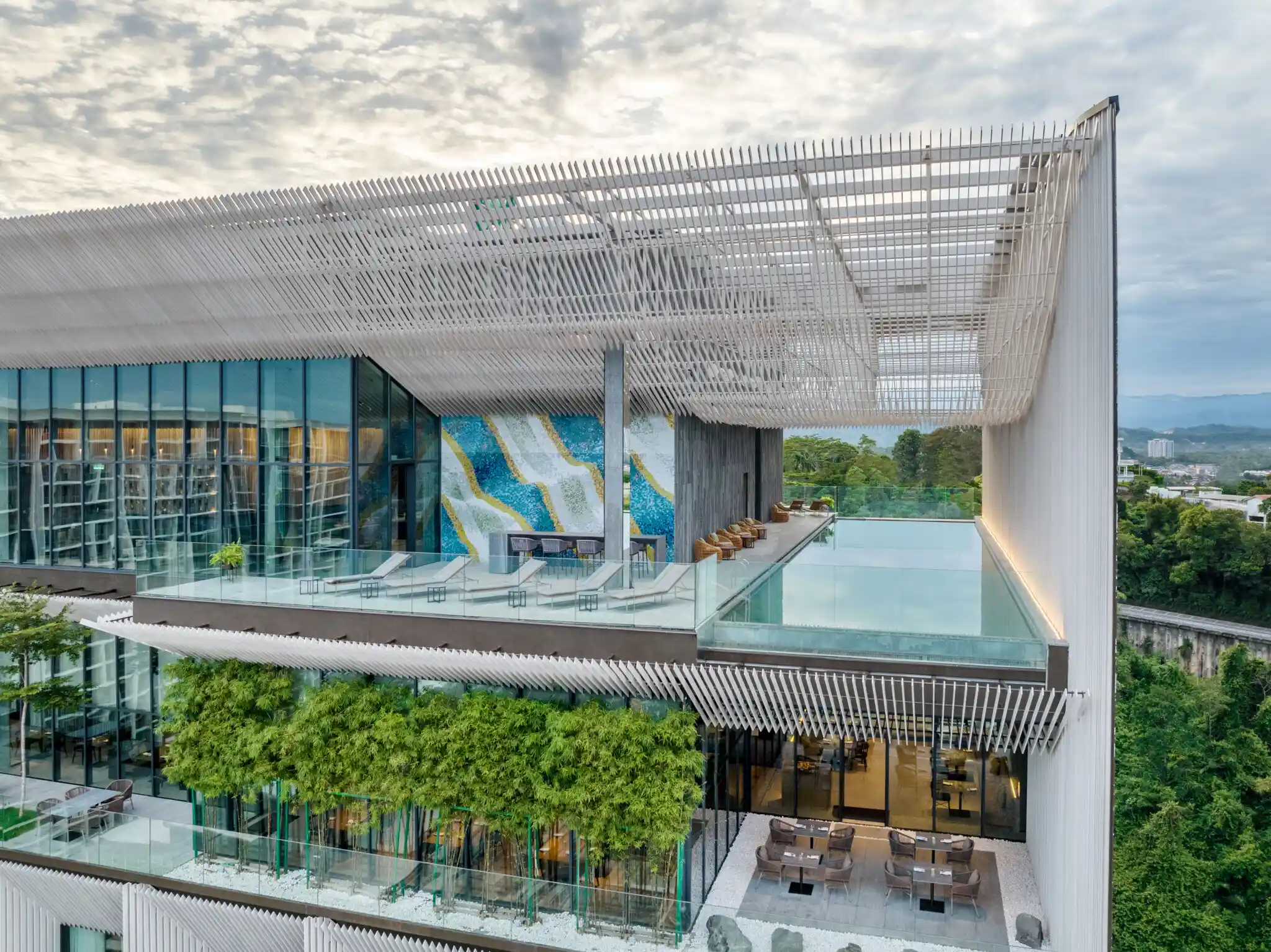
- Testing energy efficiency and material performance: mockups can be used to test insulation properties, ventilation strategies, and heat retention in different building materials. Physical mockups of a facade can measure how it regulates temperature and minimizes energy consumption, while a digital mockup can simulate energy flows within a structure, helping identify areas where heat loss can be reduced.
- Assessing how the environment is being impacted: evaluating how a building interacts with its surroundings so architects can make adjustments that advance sustainability, such as optimizing window placement for natural daylight or incorporating passive cooling techniques.
- Incorporating renewable and sustainable materials: experimenting and evaluating eco-friendly materials before committing to them large-scale. This can include biodegradable insulation, recycled steel, or low-impact concrete alternatives.
Innovations in Sustainable Architecture
Sustainable architecture is evolving with new technologies and materials that enhance the edifice and soften its impact on the Earth. Here are some of the most innovative advancements to date.
Green roofs, living walls
These are transforming urban architecture by utilizing vegetation in building exteriors. A green roof consists of layers of soil and plants, providing natural insulation, reducing the heat island effect as a consequence, and improving stormwater management by absorbing excess rainwater. Meanwhile, living walls or vertical gardens help filter air pollutants and increase biodiversity in urban spaces. This also keeps interiors cooler, reducing the need for artificial heating and cooling.
Self-healing concrete
One of the biggest challenges in construction is the deterioration of materials over time, subsequently requiring money to be spent on repairs and environmental waste. This entails a solution that integrates special bacteria or chemical agents into the material. When cracks form, these embedded agents activate, sealing the cracks and preventing water from entering, which extends the building’s lifespan and reduces the demand for new materials.
It decreases the carbon footprint of concrete as well, which is one of the most environmentally damaging materials due to its high CO2 emissions during production.
Passive solar, smart glass
This involves strategically positioning windows, walls, and floors to collect, store, and distribute solar energy in the Winter while minimizing heat gain in the Summer. Smart glass uses electrochromic technology to automatically adjust its transparency in response to sunlight.
3D-printed sustainable housing
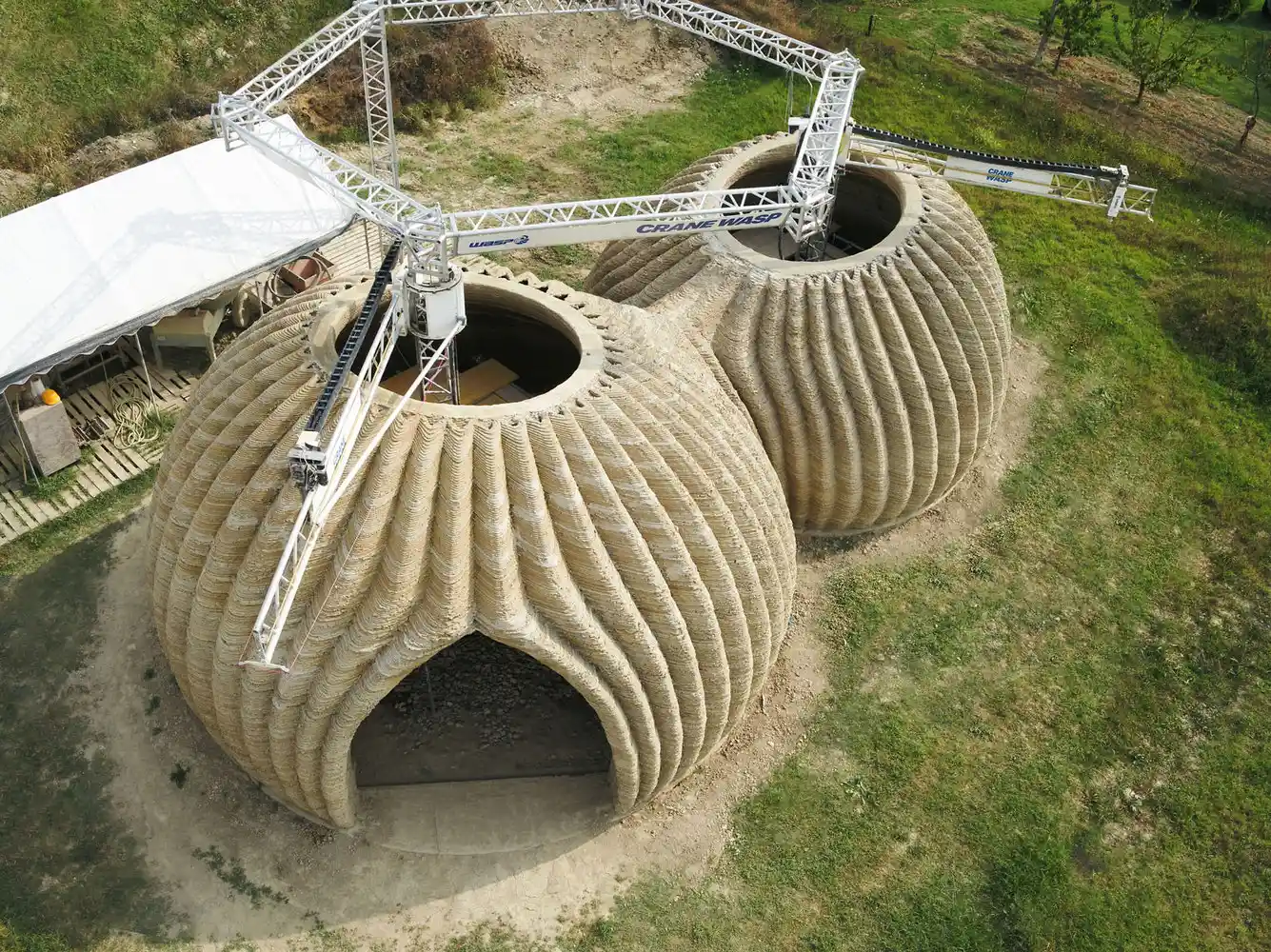
This industry has affected many and, in sustainable building’s case, it has revolutionized it. Using robotic systems, entire houses can now be printed layer by layer with materials such as biodegradable composites, recycled plastics, or even earth-based substances like clay. Thus, less construction waste is produced, fewer materials are needed, and the building is significantly sped up. Some experimental projects have even used mycelium, a fungus-based material for structures.
Net-zero energy buildings
These are designed to generate as much energy as they consume, reducing dependence on fossil fuels. These structures integrate energy sources like solar panels, wind turbines, and geothermal heating systems. Additionally, advanced insulation techniques and heat recovery ventilation ensure that buildings maintain a stable indoor temperature with minimal energy use. Some net-zero buildings even store excess energy in batteries or return it to the power grid, rendering them not just sustainable but also contributors to clean energy networks.
Modular, prefabricated construction
Such buildings are manufactured in factories and assembled on-site, significantly reducing construction waste and carbon footprint. Since the components are built in a controlled environment, they are more precisely designed, leading to less material waste. Modular construction is also highly adaptable, allowing buildings to be expanded, reconfigured, or even relocated without demolition.
Carbon-negative building materials
While many materials aim to be “carbon-neutral”, some innovative options go a step further by actively absorbing carbon dioxide from the atmosphere. Cross-laminated timber, for example, sequesters carbon during the tree’s growth and remains a sustainable alternative to steel and concrete. Carbon-absorbing bricks made from algae or industrial byproducts pull CO2 from the air and harden without the need for energy-intensive kiln firing.
Water recycling, conservation systems
Water is a crucial resource. Greywater recycling systems collect water from sinks, showers, and laundry, treating it for reuse in irrigation and toilet flushing. This reduces strain on freshwater resources and decreases wastewater runoff. Additionally, rainwater harvesting systems collect and store rainwater for various uses. Permeable pavements made from porous materials allow rainwater to seep into the ground rather than causing runoff, which helps replenish natural aquifers and reduces urban flooding, which is an issue.
