


There’s an old Chinese proverb that goes, “To forget one’s ancestors is to be a brook without a source, a tree without a root.” There are many lessons that we can learn from our ancestors, and that applies to the architecture and design profession too. Ancient architecture teaches us resourcefulness, timelessness, resilience, creativity, and adaptability – all characteristics that make a good, sustainable design. The type of buildings that many architects aim to create today follows the principles of sustainability. And like the above saying, it becomes important to learn our lessons from our historic buildings and traditional practices so we are anchored to what is good for the environment and mankind, today and tomorrow.
One of the Sustainable Development Goals of the United Nations, specifically goal no.11, states, ‘Make cities inclusive, safe, resilient and sustainable, including “strengthen efforts to protect and safeguard the world’s cultural and natural heritage.” We can explore this more in Isabel Morris’ article (The Case for Historic Buildings), where she argues, ‘These four hallmarks (inclusive, safe, resilient, and sustainable) can be used to understand the various arguments in support of conservation and reuse of historic buildings.’
Ancient Architecture and Building Techniques
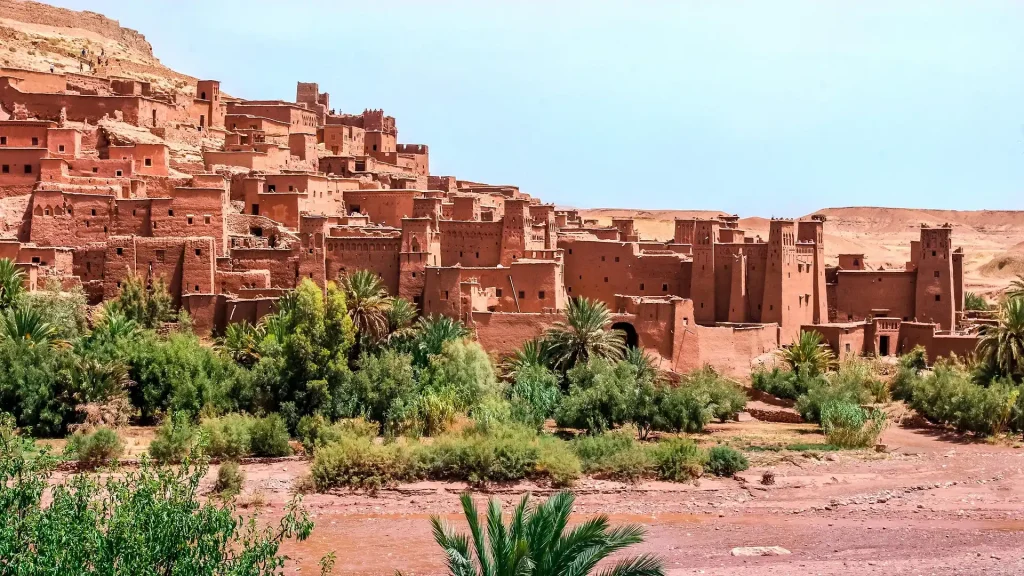
Our ancestors did not have the technology or systems that are present today, but they still managed to create efficient buildings that were comfortable, beautiful, and strong. The lessons we can learn from historic buildings lie in paying attention to details and being aware of the surroundings. Most of the traditional techniques that made these structures sustainable are still relevant today, and being aware of and considering these practices during the design process can help to create sustainable environments even now.
Whole Building Design Guide, a knowledge portal for practitioners published by the National Institute of Building Sciences, began its report with the statement, “Historic buildings are inherently sustainable,” and this can be proved by studying the various ancient building techniques:
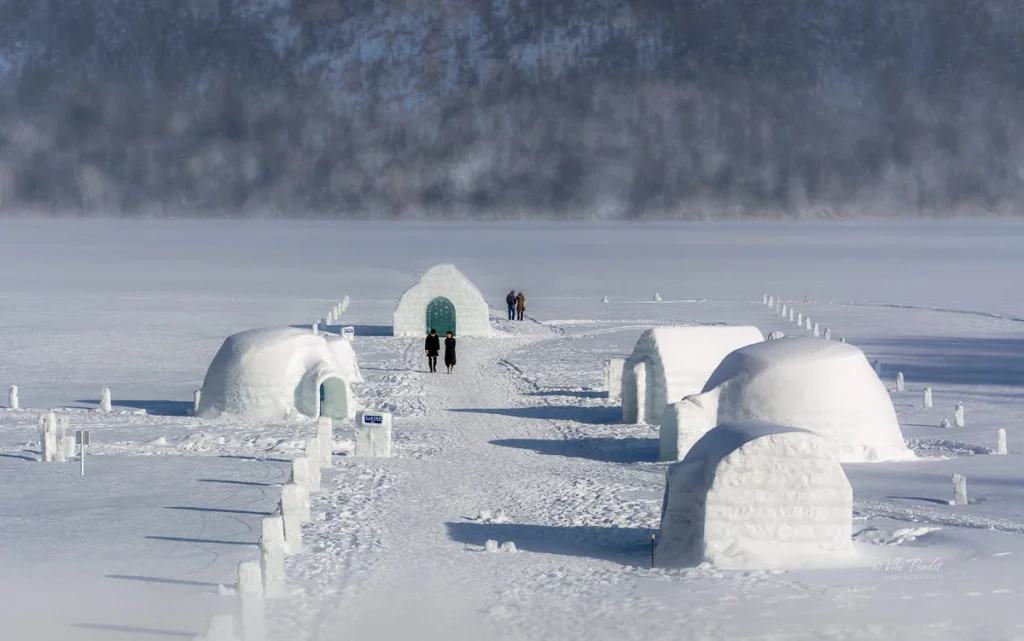
Passive heating and cooling – The inherent factor that defines a design should always be its surroundings, especially the climate. Ancient architecture regarded these factors and used techniques of passive heating or cooling to create comfortable indoor environments. In hot climates, buildings and openings were oriented to deflect heat and bring in natural ventilation, thick walls helped to store the heat, and openings were shaded to minimise the heat gain. In cold climates, thick walls act as insulation in keeping the interiors warm, small openings prevent the cold and winds from entering, and the built structure itself is compact and well-insulated to keep the indoors warm. The architecture was unique to the place and leveraged the natural environment and climatic conditions to define how the space can be made comfortable, alleviating the need for artificial systems and reducing energy consumption.
Passive solar design – The sun is a constant source of energy, renewable and harnessed by historic building builders to provide heating or cooling. Appropriate orientation, sizes of openings, choosing the right materials, and adequate insulation can help maximize or minimize the structure’s exposure to and penetration by the sun’s rays.
Harnessing local materials – Another way to leverage the local environment is to source building materials from it, be it the earth, stone, timber, or even ice. Extracting materials from the local environment and making them suitable for construction reduces the carbon emissions associated with their transportation. Natural materials are also biodegradable and renewable, resulting in a reduced carbon footprint of the whole structure. Since ancient architecture depended on the immediate surroundings for the construction materials, it facilitated creative solutions on how to use the materials and the design itself.
Re-using materials – Our ancestors have always been known to embrace the circular economy, be it with food, clothes, or even buildings. Since construction materials were valued very highly, they were reused rather than discarded if adaptive reuse of the whole structure was not possible. Even today, many architects are employed to re-use old, historic structures after upgrading them to modern technology, as it is cost-effective and safer for the environment than demolition.
Timelessness – It was not just adaptive re-use of historic structures, but these buildings were timeless in their design and resilient in their construction. Most of the structures were designed considering the local conditions with the aim of achieving longevity, durability, flexibility, and aesthetic beauty that can be appreciated for many generations. This is why there are many examples of heritage buildings being reused for various other purposes today.
Environmental Factors to Consider
Any building should be designed with consideration for the surrounding environment and its factors. The renewable factors can be leveraged to create a truly sustainable design because it becomes naturally energy efficient, and the conditions surrounding the site can be leveraged to define the design process and the design elements required to create a comfortable indoor space. The most common factors that historic buildings are considered for any building, which also make them sustainable, are:
Natural ventilation – Ancient architecture aimed at providing natural ventilation instead of mechanical ventilation, and this was purely achieved by studying the local climate conditions and designing positions, sizes, openings, and open spaces. With attention to these aspects, modern designs can also maximise natural ventilation and even provide cross-ventilation, so energy consumption for mechanical ventilation is considerably reduced, making the structure sustainable.
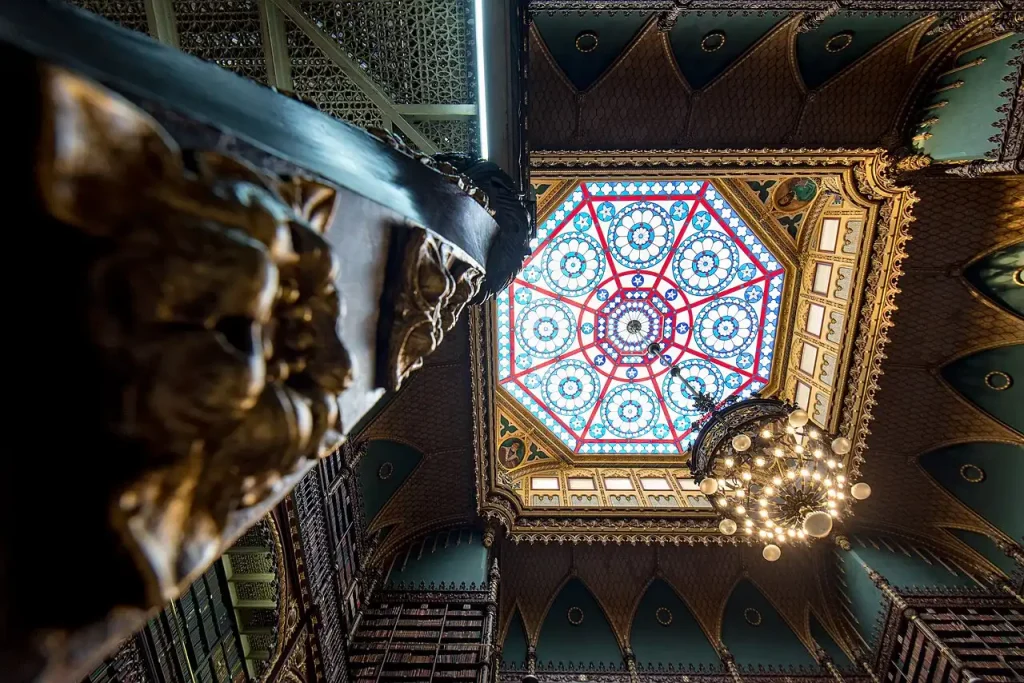
Natural light – Like natural ventilation, natural light is also one renewable element that needs to be capitalised on to relieve the dependence on artificial lighting. Ancient architecture took advantage of large windows, light wells, light shelves, skylights, and layout design to exploit the benefits of natural light in their designs. In modern design, similar features can be incorporated and modern techniques used to distribute natural daylight into larger spaces.
Orientation – Factors like natural light, ventilation, and solar energy all depend on the orientation of the built structure with regard to the sun, wind, and surrounding built fabric. In ancient architecture, not only the orientation but also the interior was directed by these aspects, and is evident from the historical examples. Modern architecture can learn from them, to study the site well and to harness local but renewable sources for a better and sustainable design.
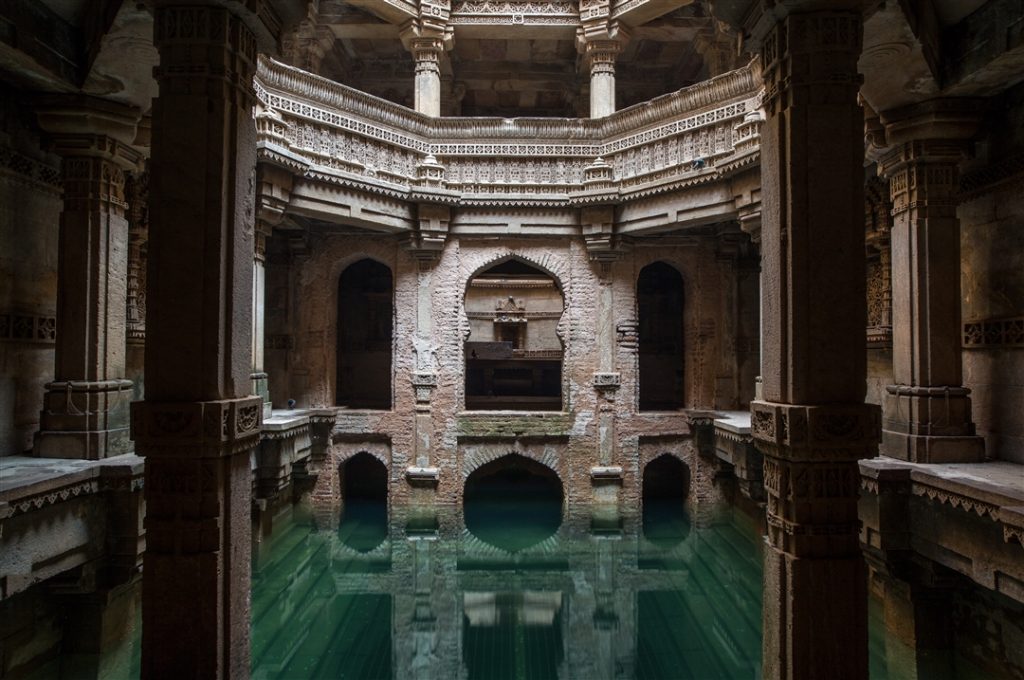
Insulation – Insulation has been achieved in many ways from the locally available materials, using thick walls to prevent the entry of hot or cool air, and also using double walls to trap the air to be used later on. Today, there are many techniques and technologies to insulate every part of the buildings, and many sustainable options are also available, which have been inspired by ancient architectural practices.
Building materials – Our ancestors always built using locally available materials since it was easily and abundantly available and were cost-effective from the transportation point of view. The materials were moulded or enhanced using other locally available materials to suit the structure’s form and function. And materials from demolished sites were reused since that was also cost-effective. Modern architectural practices should take this as an inspiration when designing new structures, since this saves heavily on carbon emissions and carbon footprint, and reusing building materials is one of the most efficient and sustainable ways to divert waste in the construction industry.
Ancient Examples of Sustainable Techniques
Many traditional techniques that are now making a comeback in architecture are sustainable and cost-effective. Most of these techniques are dependent on the micro-climate conditions, and a detailed study of the location of the building and proper planning at the conceptual and design stage can help to devise appropriate techniques and/or elements to use.
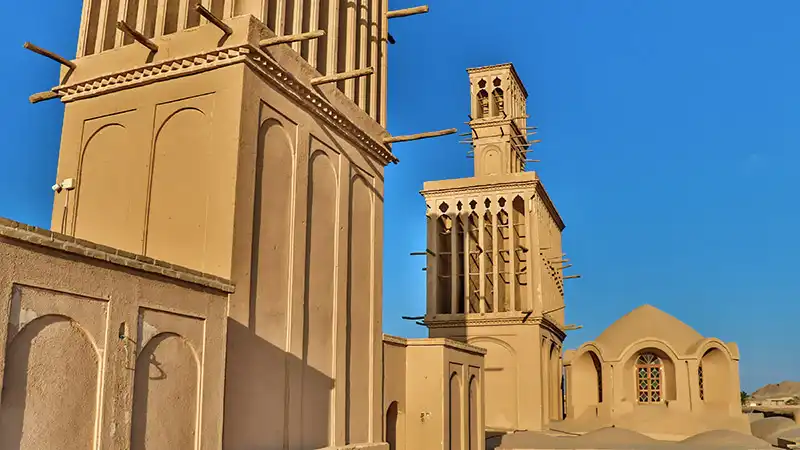
Windcatcher – This traditional architectural element was used to create passive cooling for structures situated in hot climates. The windcatcher is a tall, imposing, dramatic structure that helps to bring in the cool wind into the building and flush out the hot air from it. The cost of building and maintaining a windcatcher is negligible compared to structures that depend heavily on HVAC. This structure is mostly found in the ancient architecture of the Middle East.
Light well – A light well is an opening in the roof that allows daylight to penetrate through the created shaft of the building into spaces at various levels that would otherwise be dark and stuffy. The light wells were found in many ancient civilizations like the Chinese, Roman, and Egyptian. Today, light wells can be created in the form of skylights to help daylight reach the depths of the building.
Solar chimney – The solar chimney is similar in structure to the windcatcher but is used for both passive heating and cooling, and does not depend on winds but on solar energy. It has a black wall that absorbs the sun’s rays, making the air inside the chimney hot and storing it, and the buildings can use the hot air when needed. It can also help to absorb the hot indoor air and flush it out, thereby naturally cooling the interior through suction. They have been found in the Middle East and Europe, where passive cooling or heating was required.
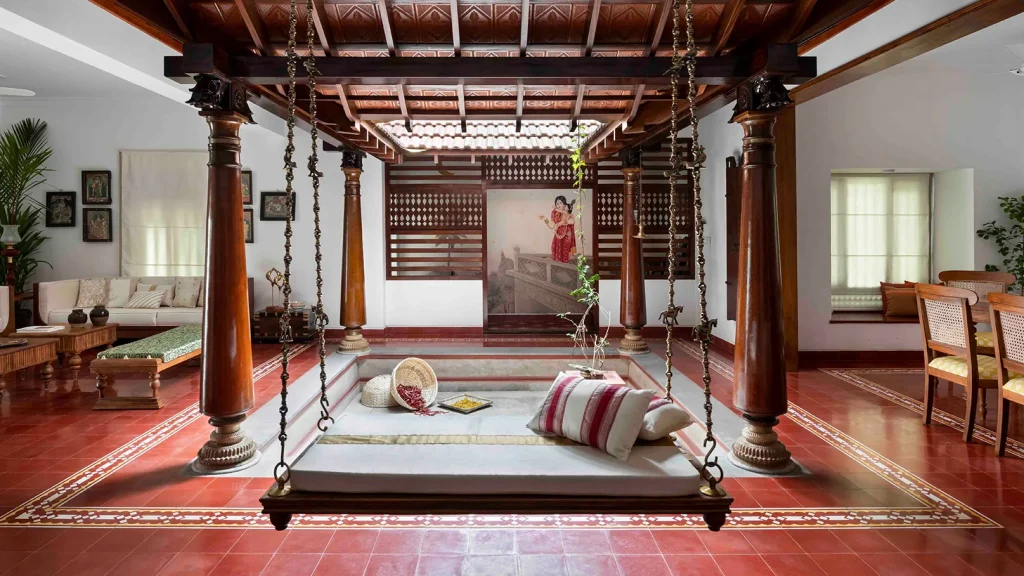
Courtyards – Courtyards have been a prominent feature in buildings that have a large floor area or as a common space between many small structures. These are punctures in the built volume that help to bring natural ventilation, daylight, and solar energy into the built environment. This open-air space is of considerable size, so it can be designed to become a room of its own.
Since it is usually located right in the centre of the structure, it can become an outdoor congregation space within the confines of the built fabric. Courtyards have been found in both Western and Eastern ancient architecture and continue to occupy a significant place in modern buildings in the form of courts, atriums, and open-air corridors.
Traditional Techniques Meet Modern Technology
With such advancements today in the construction industry, it makes sense to use them to enhance traditional techniques with modern technology. Using technologies like Digital Twin, Artificial Intelligence, or software like AutoCAD, BIM, or Rhino can help to visualise how the practices from ancient architecture could function in today’s world and how they can be made more sustainable using modern techniques.
Traditional techniques are tried and tested and proven to be efficient in terms of energy consumption, with modern technology, they can be optimised to achieve sustainable designs. To know how modern technology can help visualize and optimize our built environment, you can check out the computational design courses available on PAACADEMY.
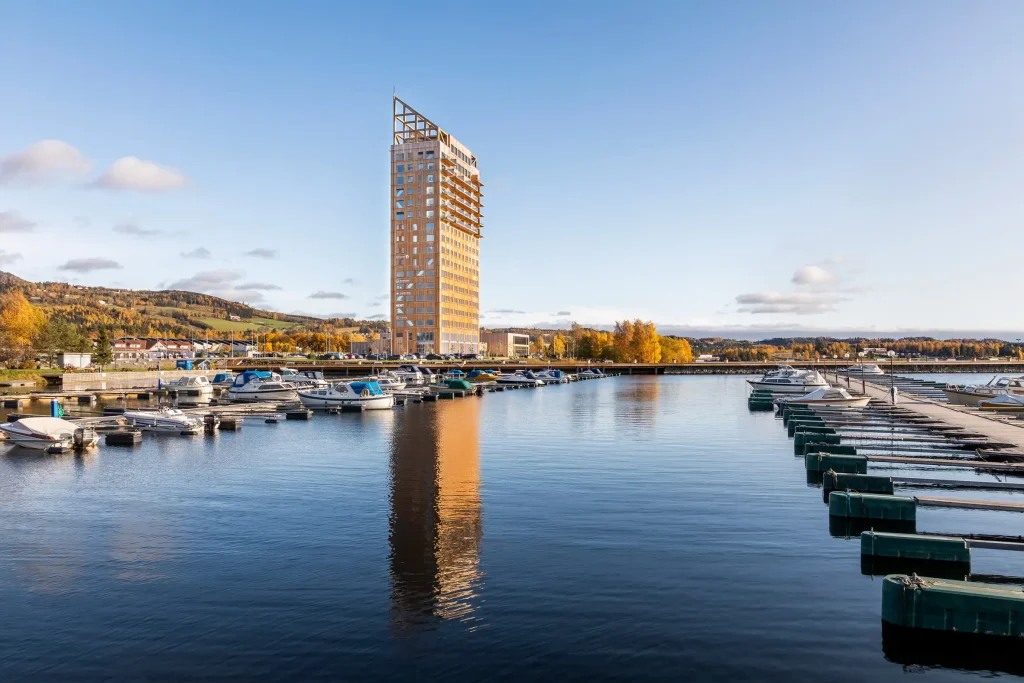
The philosopher Edmund Burke once stated, “People will not look forward to posterity, who never look backward to their ancestors.” Be it new or adaptive re-use design, it is obvious that learning from our ancestors is beneficial for achieving an energy-efficient and sustainable design that is also comfortable to live, work, and play in. And with the advancements we have in the architecture field today, the work can then be concentrated on creating landmark designs that are timeless. After all, what we build today will become examples for our future generations.
