

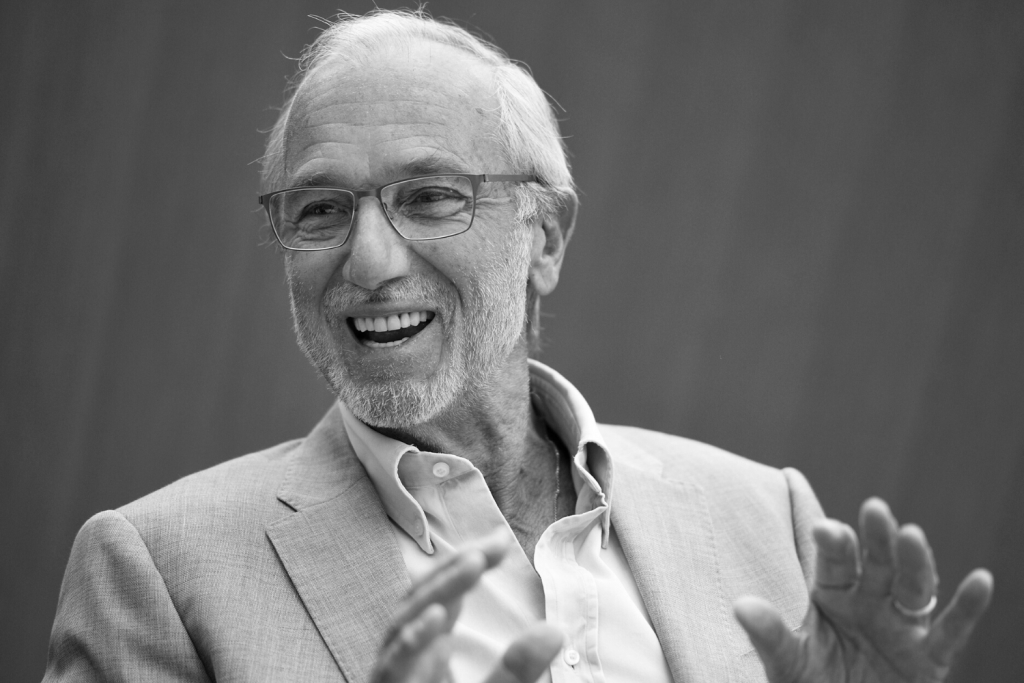
Renzo Piano is one of the most renowned architects of our century, with this unmatched ability to transform cities through architectures connected to people, culture, and technology. His work becomes a result of civic-minded projects, reflecting a commitment to creating spaces that not only strengthen their surroundings but also engage communities.
From the breathtaking spire of The Shard that transforms London’s skyline to the functionality of Kansai International Airport in Osaka and cultural rebirth of Beyo?lu district in Istanbul, Piano’s concepts ensure the perfect balance of form, functionality, and inclusiveness. For Piano, the philosophy holds that architecture is a bridge between different people, it enlivens urban life, and establishes a sense of belonging. Renzo Piano’s projects, in this era of increased activity and diversity, set the benchmark for civic architecture-a living entity that responds to sustainability, accessibility, and cultural resonance.
The Philosophy Behind Renzo Piano: Civic Spaces as Cultural Catalysts
Renzo Piano’s designs are more than just buildings; they are spaces where communities converge. His approach to civic architecture emphasises inclusivity, environmental responsibility, and human-centric design. Piano believes architecture should improve lives, not just by being functional or aesthetically pleasing but by fostering interaction and cultural exchange. The projects discussed below exemplify this philosophy, each demonstrating how civic architecture can shape urban culture and community engagement.
The Shard: A Vertical City in London
Redefining the Skyline
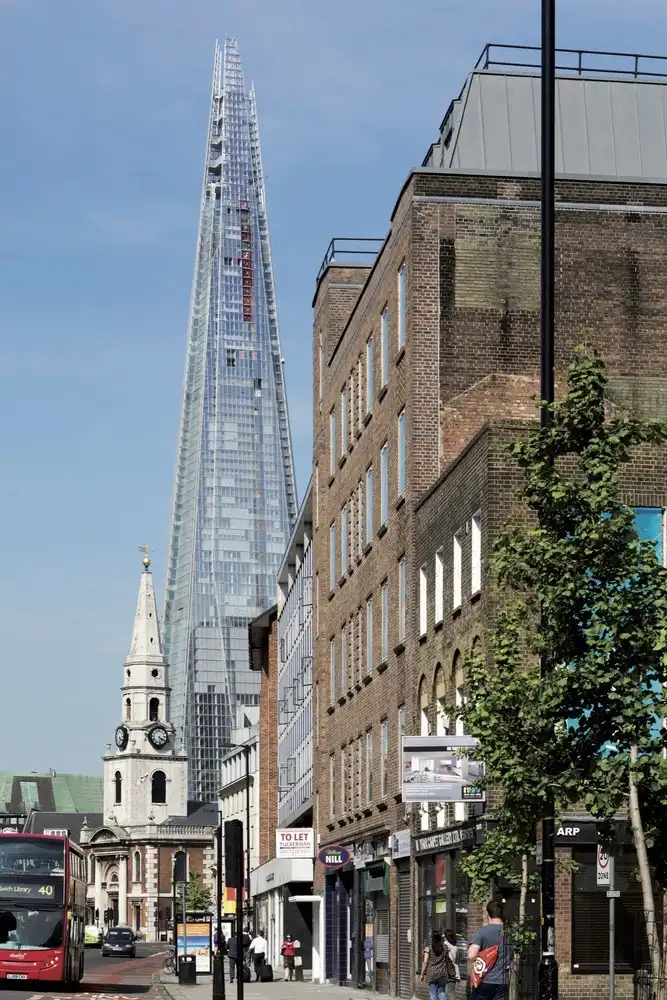
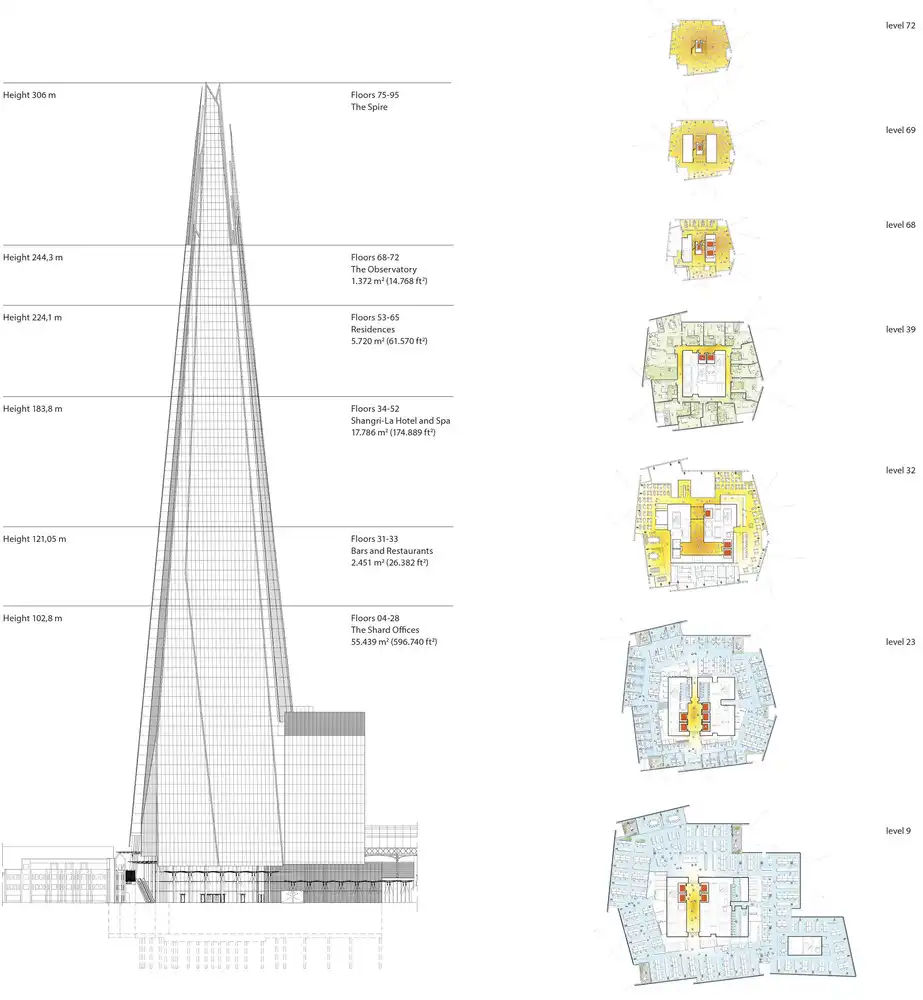
When The Shard was completed in 2012, it became an instant icon, not only because of its height-at 310 metres, it is still one of the tallest buildings in Europe-but especially for its transforming impact on London’s urban landscape. Designed to resemble a shard of glass piercing through the sky, the structure, in fact reflects Piano’s intention to create a building that integrates into its surroundings despite its towering presence.
The Shard is also an example of a vertical city, beyond its architectural form. This contains offices, luxury residences, retail spaces, restaurants, a hotel, and a public observation deck – making it an all-around mixed-use marvel. Such an approach to design promotes inclusivity, where anyone from all walks of life may enjoy the building and engage with other individuals in the building.
Sustainability at its Core
The Shard’s design was asked to incorporate sustainability as a key element, since its facade is built of angled glass panels maximising natural light while reducing energy consumption. Advanced insulation, efficient ventilation, and climate-responsive features also contribute to the eco-friendly footprint while showcasing how skyscrapers can balance aesthetics with sustainability. A civic landmark in and of itself, The Shard is much more than an office tower-it’s a space where Londoners and tourists alike can experience the city in new and meaningful ways.
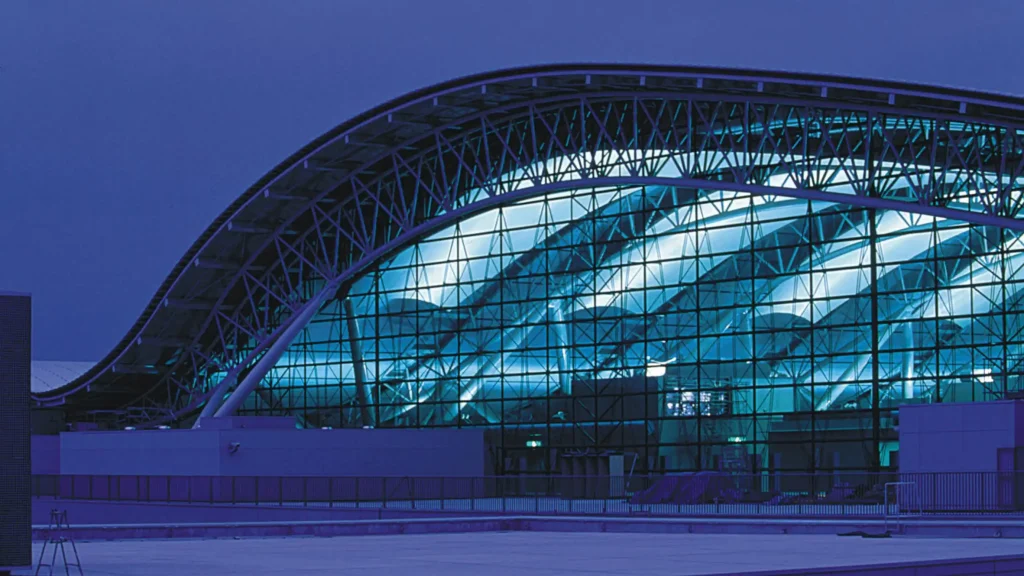
Kansai International Airport: Function Meets Artistry
Building on Water
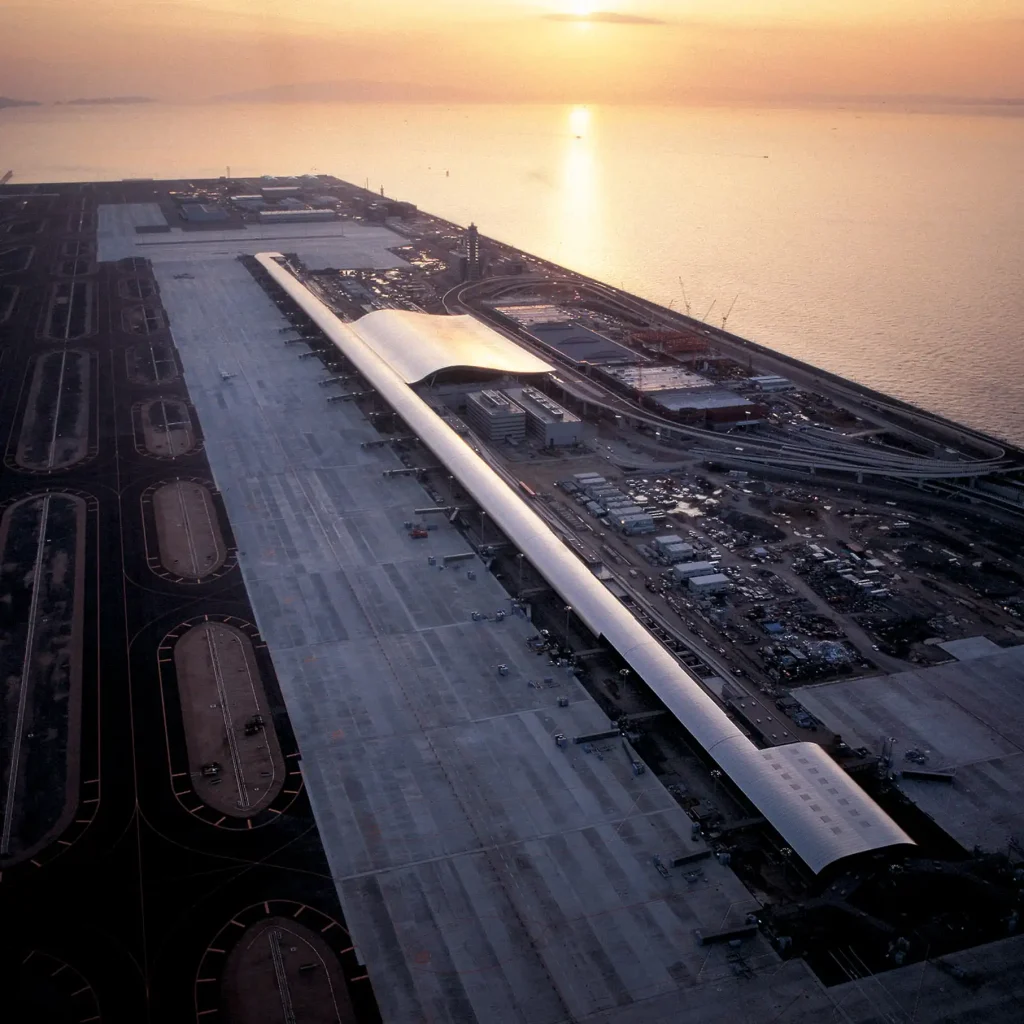
This engineering marvel is located on an artificial island in Osaka Bay. Renzo Piano overcame significant challenges, from typhoons to seismic activity, to ensure this structure was both functional and visually stunning. The flowing roof of the airport takes inspiration from ocean waves and thus represents a harmony between nature and technology.
A New Standard for Transport Hubs
Airports are, in general, transitional spaces; however, Piano changed this perception by introducing Kansai International Airport. The design of its terminal building gives more room for natural light, interior space, and intuitive navigation to ease the travelling experience as much as possible. Advanced engineering, including earthquake resistance and an efficient air-conditioning system, indicates Piano’s focus on functionality combined with user comfort.
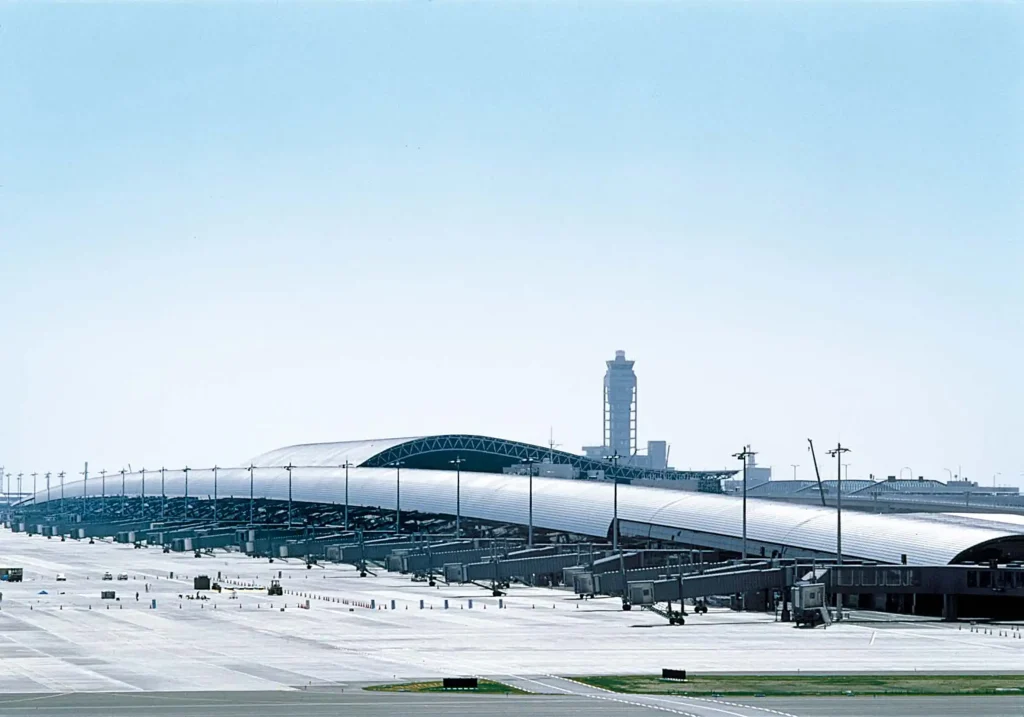
Kansai Airport demonstrates how infrastructure can rise above its practical function to become a regional symbol of pride and even global innovation. Art, married to engineering, transformed the transport hub into a civic icon that bridges connectivity and cultural identity.
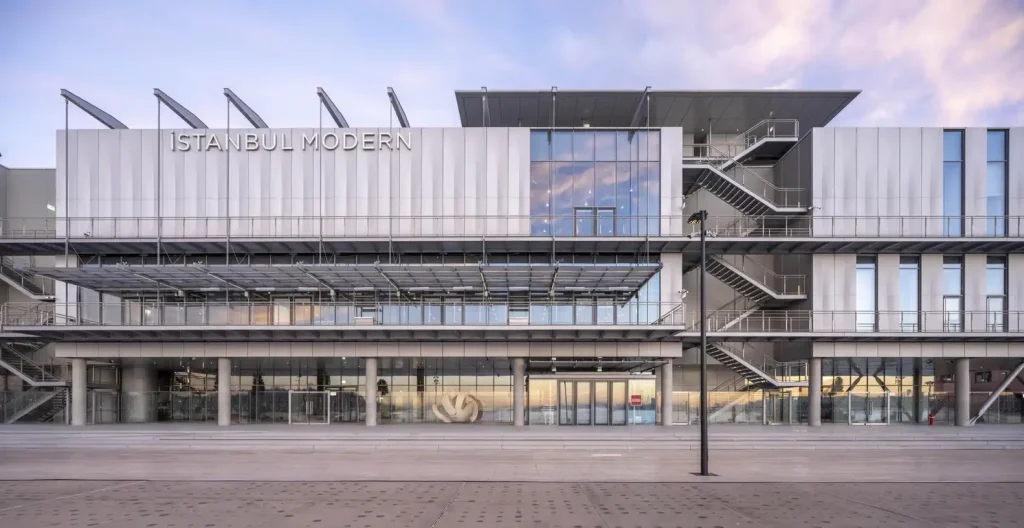
Beyo?lu Culture Route: Reviving Istanbul’s Historical Heart
Life Breathe into Heritage
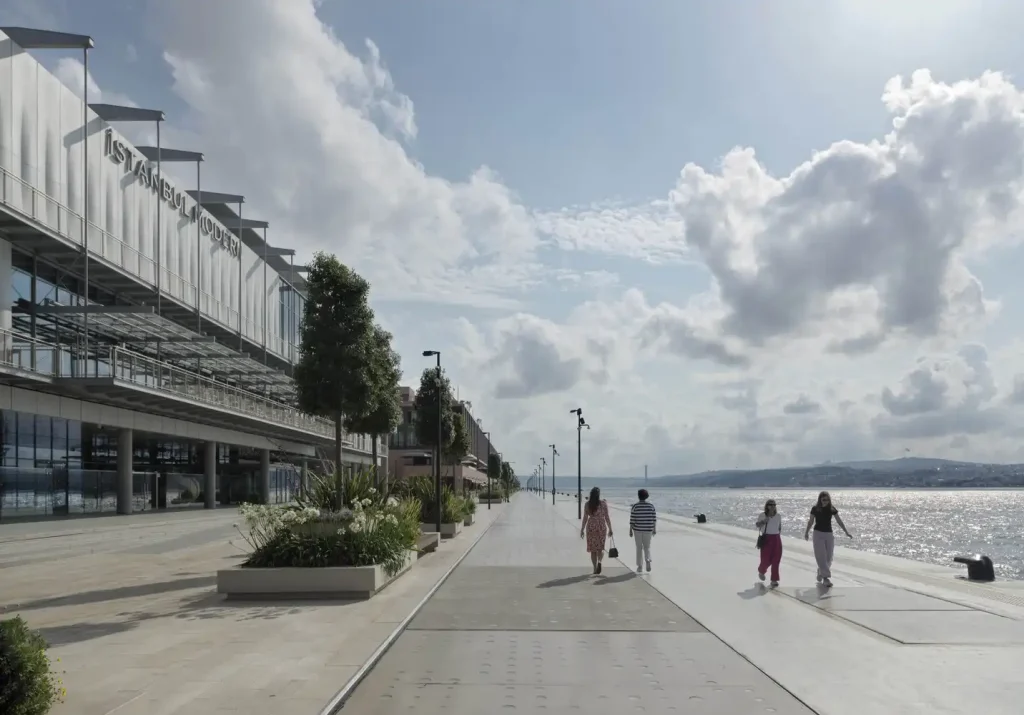
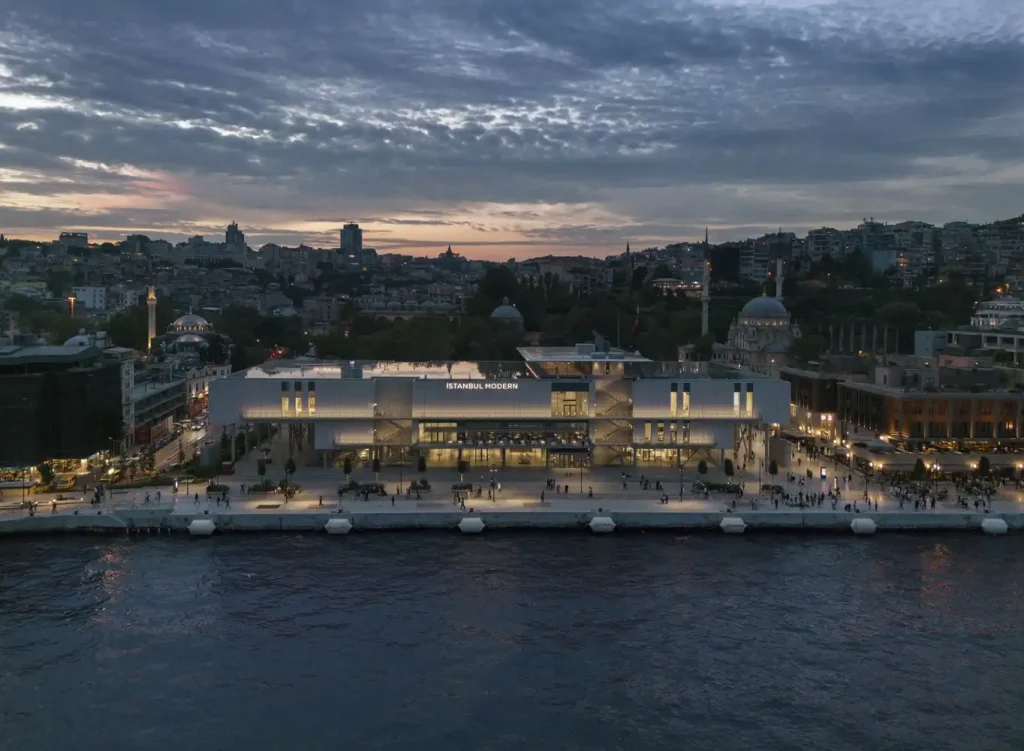
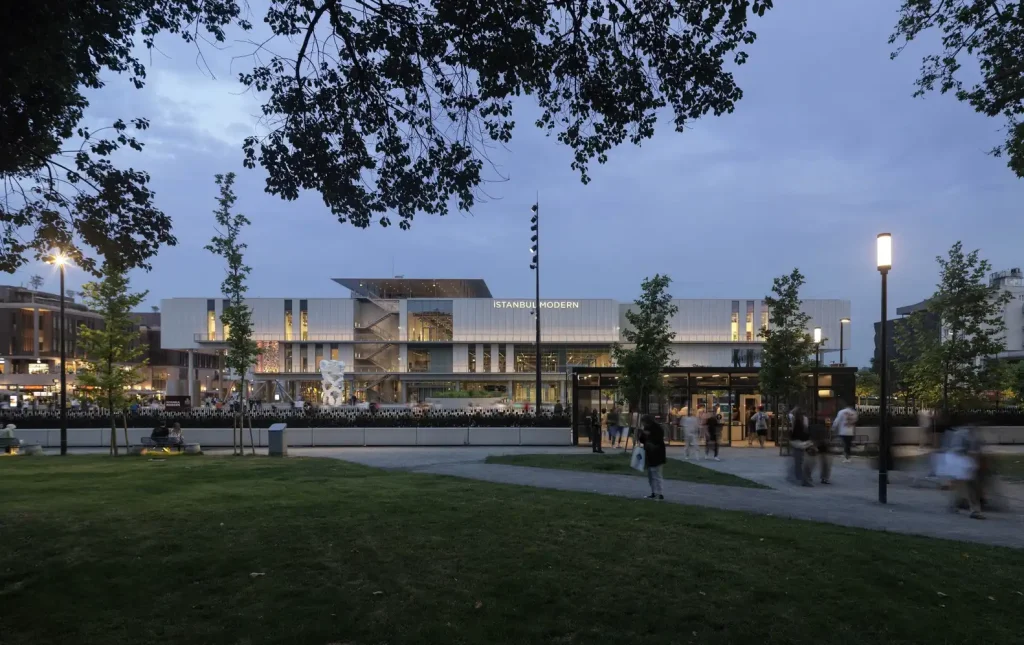
Renzo Piano’s work on the Beyo?lu Culture Route represents his devotion to the regeneration of cities and their inclusivity into cultures. Designed around Istanbul‘s historic Beyo?lu district, the Beyo?lu Project revitalizes a forgotten area into an artistic, cultural, and socially active node.
Piano integrated traditional Ottoman design elements with contemporary materials, creating a seamless dialogue between past and present. By preserving historic landmarks while introducing modern structures, the project honours Istanbul’s rich heritage and prepares it for a dynamic future.
A Space for Everyone
The Beyo?lu Culture Route connects theaters, museums, public squares, and pedestrian pathways in which social interaction and cultural exchange are fostered. It is not just a tourist place but a living community for those who live there, making gatherings, celebrations, and participations become viable realities. The Piano project again proves the vital role of architecture in urban renewal or rebuilding: by fostering identity and pride within citizens, it promotes notions of inclusiveness and accessibility.
The Broader Impact of Renzo Piano’s Civic Architecture
Renzo Piano’s great strength lies in how his work shows architecture can affect urban culture and enhance life. His designs are answers to the big challenges of modern cities- overcrowding, environmental degradation, and social inequality-by making places that provide human connection as well as sustainability.
Key Themes of Piano’s Civic Works
- Inclusivity: Piano designs multi-functional spaces so that his buildings accommodate diverse populations-including tourists and locals.
- Sustainability: From energy-efficient materials to climate-responsive structures, Piano weaves eco-consciousness into his architecture.
- Cultural Resonance: Piano’s projects tend to reflect and respect the cultural context of their surroundings, bridging history with modernity.
A Legacy of Transformation
Renzo Piano’s civic icons are more than being architectural achievements; they’re transformative spaces that redefine the relationship between cities and their inhabitants. His work shows how architecture can unite people, conserve cultural heritage, and adapt to future challenges.
However, with cities in a constant state of evolution, the question remains: will Piano’s theories about inclusion, sustainability, and human-centered design inspire a new generation of architects? While his project templates are well-defended as staples to be replicated, their replication requires a shift in priorities: away from development for profit to designs that emphasize people, culture, and the environment. Renzo Piano’s ideas will certainly live on, but the realization of his vision depends on the willingness of future architects and urban planners to embrace his philosophy.
Now Stay Ahead with PAACADEMY
Check out the workshops at PAACADEMY-these are a good way to get your hands on the latest digital design tools. The industry experts leading the sessions are here to help you keep your edge sharp and inspired in this ever-changing field.
