



Artificial Intelligence (AI) slowly evolved from a concept into an essential part of our daily lives. We are going through eras of technology so swiftly that we don’t notice our shifting dependencies. Yet, if we take one little pause, we can see that this transformation has been unfolding over the past 70 years. We’ve transitioned from the early days of the World Wide Web to the rise of blockchain technology, from flip phones to smartphones, and now, AI has woven itself into the fabric of nearly every industry. In the creative field, the role of AI in architecture has become a topic of intense debate, reshaping the way we design and build our environment.
At its essence, AI is the science of creating machines that can think, learn, and make decisions, much like humans do. This journey began in the early 1950s with pioneers like Alan Turing, posing the question: Can machines think? In 1956, this hypothetical turned into a field of study at the Dartmouth Convention with John McCarthy coining the term “artificial intelligence” and arguing whether machines are capable of emulating complex human behaviors such as moral reasoning. Since that revolutionary moment in time, AI has evolved dramatically, driven by advancements in machine learning, neural networks, natural language processing, computer vision, and robotics.
From my perspective, AI advancements are not just about efficiency. They’re about redefining what’s possible. AI is no longer just a tool; it’s becoming an integral part of how we solve problems and innovate in fields as diverse as art, medicine, business, science, and, intrinsically, architecture. This article will explore the early integrations, current applications, challenges, ethics, and future of AI in architecture to hopefully shed light on this new era we’re marching into.
The Integration of AI into Architecture

The 1960s marked a revolutionary milestone in the field of architecture, as CAD software removed the architect from the drafting table to a computer-mounted desk. Centuries of architectural practice hinged on that moment in time when architects ceased to create with their hands. The advancement in CAD laid the groundwork for the forthcoming integration of AI applications by digitizing the design process.
Since then, designers and architects recognized the potential of computer technologies to translate complex forms into constructible designs. This ultimately paved the way for parametric design in the 1980s and the rise of BIM software. Particularly, in 1982 with Graphisoft’s ArchiCAD, a software that enabled object-oriented design, where changes to one part of the model automatically updates all related elements.
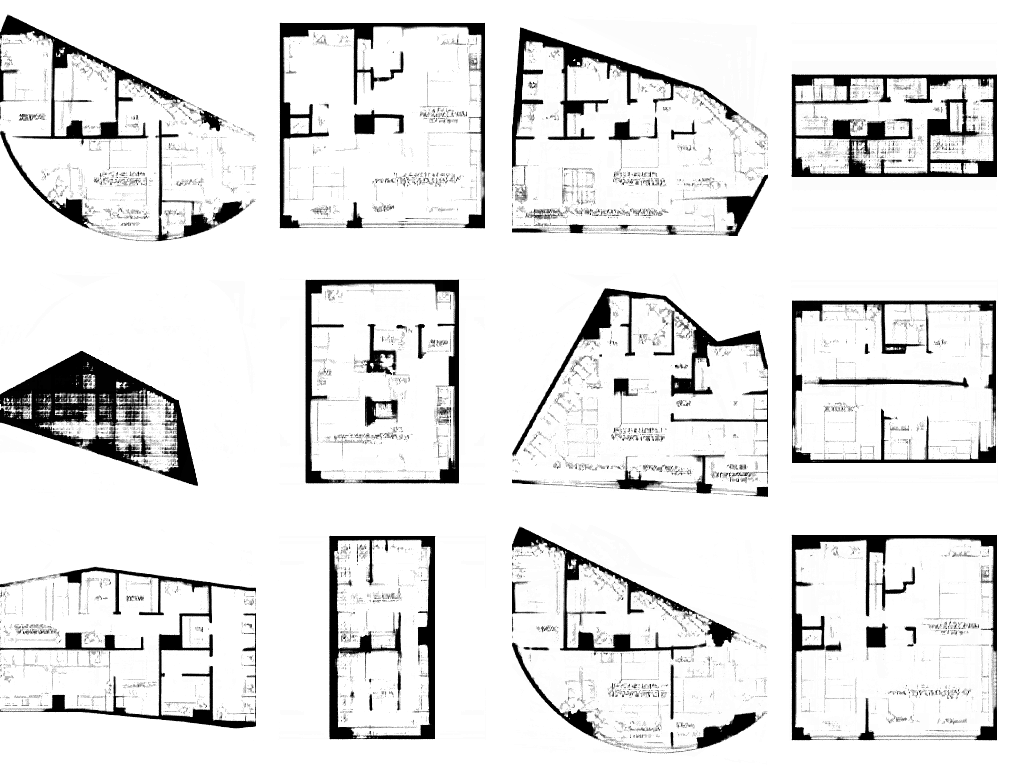
The earliest AI-driven design advancements can be traced back to Professor Patrick Jensen’s 2004 research at the University of Hong Kong, where he explored neural networks to optimize space layouts based on criteria like accessibility, functionality, and aesthetics. While initially theoretical, his work laid the groundwork for practical AI applications in design.
In the mid-2010s, the Autodesk Dreamcatcher project emerged as an early AI-driven generative design tool, automatically generating design options based on criteria like material efficiency, structural integrity, and environmental impact. It marked a key milestone in AI’s integration into architecture, offering designers customizable, optimized solutions.
AI Applications in Architecture
1. Generative Design
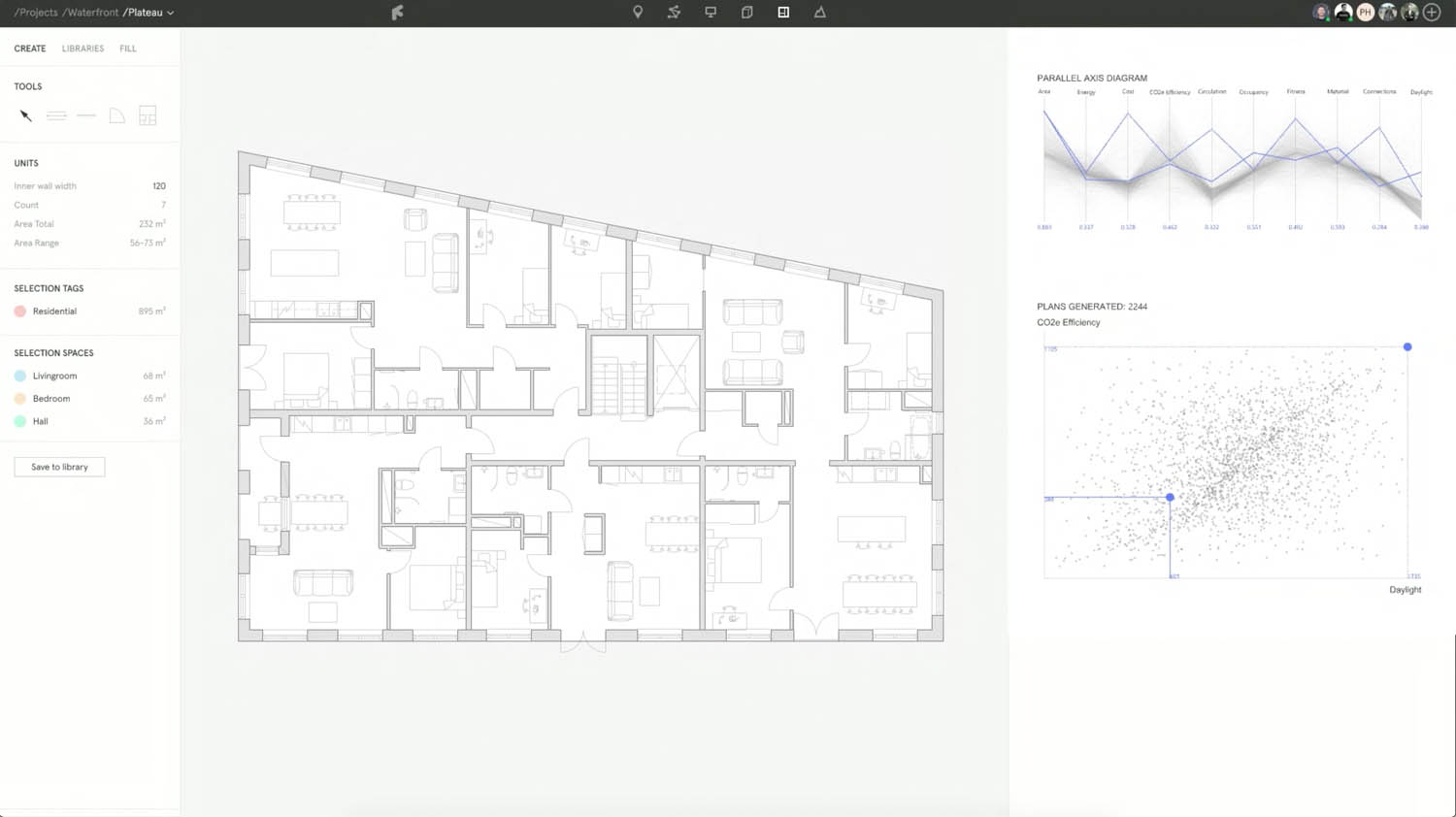
AI-driven generative design is pushing the boundaries of creativity by using algorithms to explore a vast array of design possibilities. The approach of automatically generating alternatives based on criteria such as materials, cost, and spatial requirements shifts the traditional design process and allows architects to focus on defining the problem to find quicker solutions.
Autodesk demonstrated the creative potential of their generative AI tool by using it to design their Toronto office. The AI, incorporating employee preferences and spatial constraints, generated layouts that perfectly balanced functionality with comfort.
2. Urban Planning
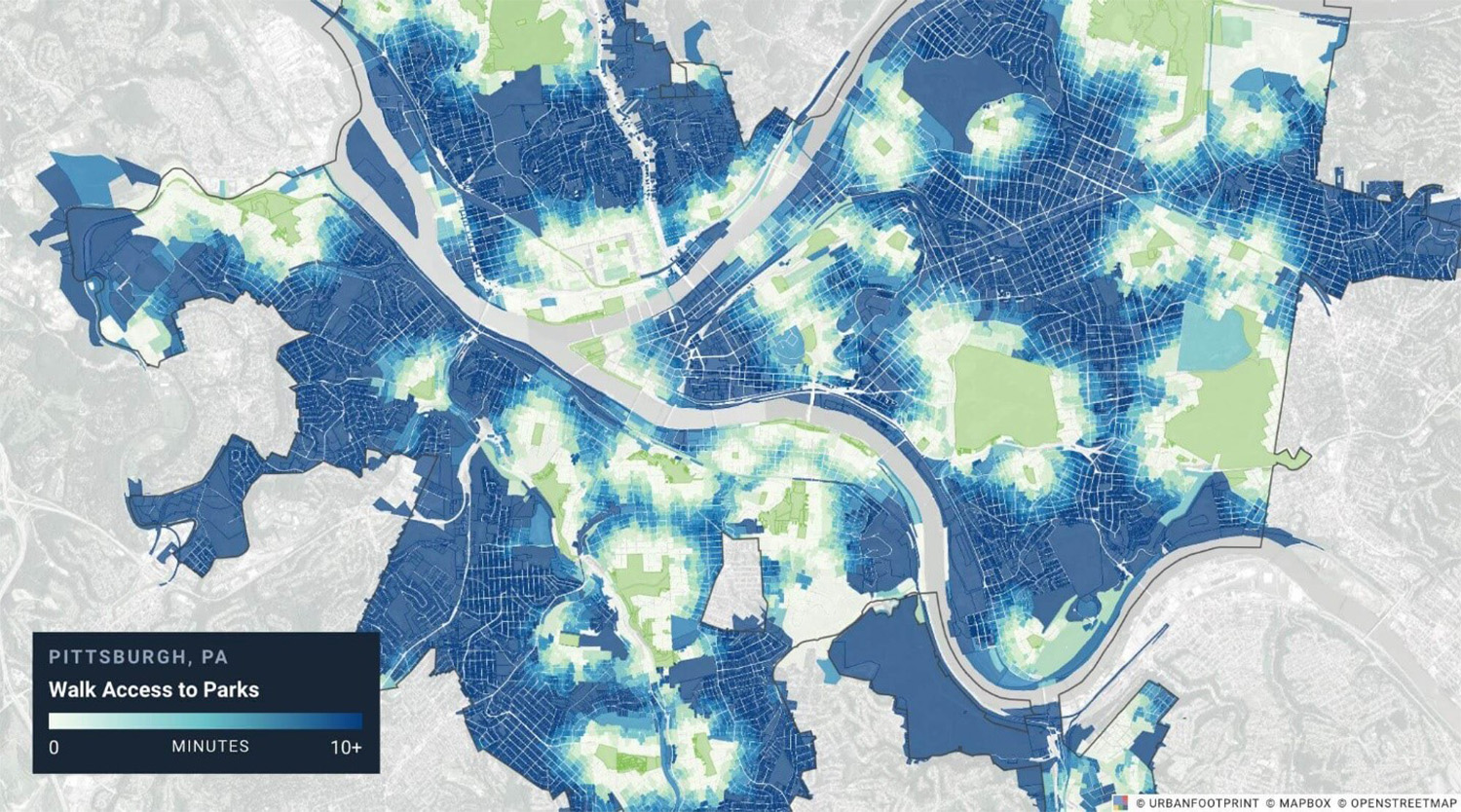
Through the analysis of vast datasets – traffic patterns, population density, and environmental factors – to optimize city layouts, AI is transforming urban planning. The swift simulation of various scenarios helps AI identify the most efficient and sustainable solutions for urban development, as it can optimize energy use, reduce carbon footprint, and improve public transportation.
Cities all around the world are utilizing AI to create resilient cities. Notable projects like Sidewalk Labs in Toronto and Singapore’s Smart Nation Initiative showcase AI’s role in creating resilient, smart cities that efficiently manage resources and adapt to future challenges like climate change.
Read more on Applications of parametric design in urban planning.
3. Predictive Maintenance
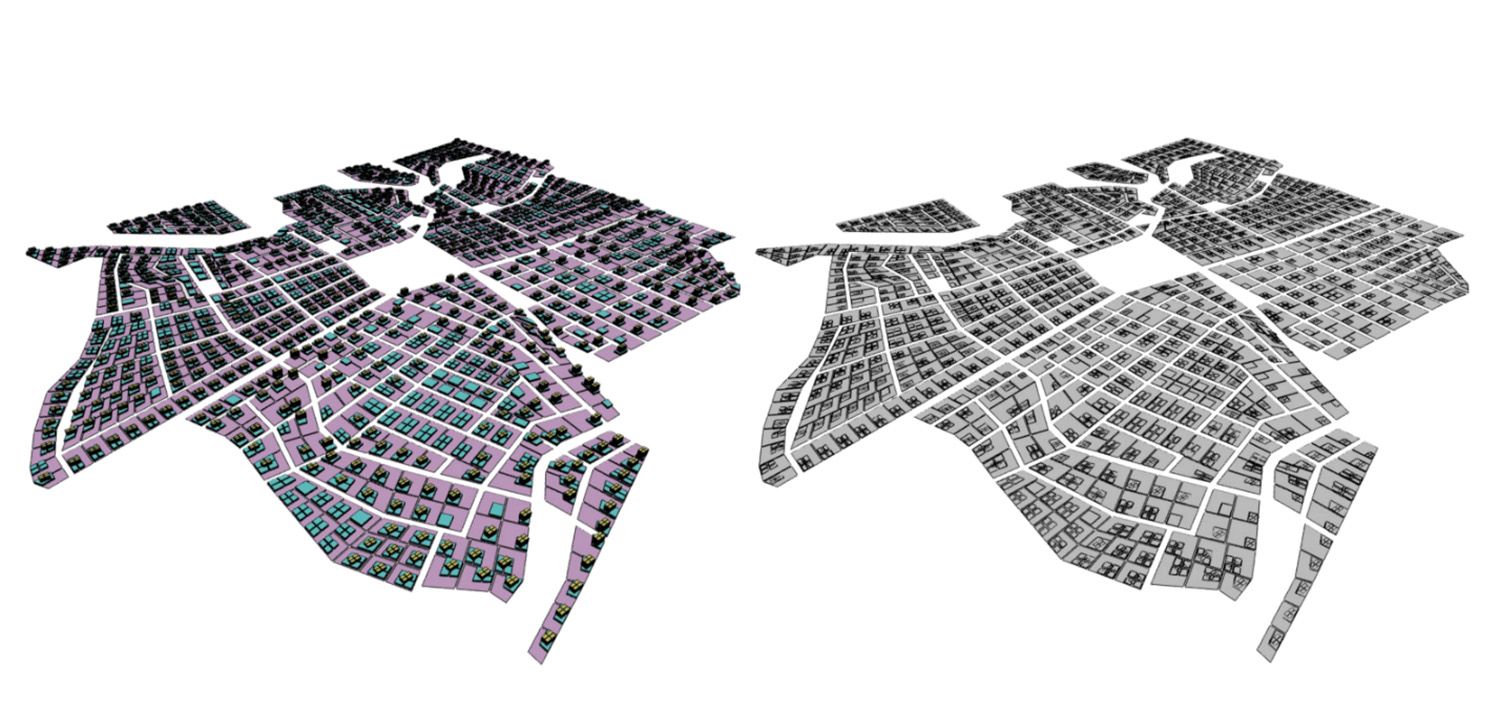
Predictive maintenance utilizes AI algorithms to analyze sensor data from systems like HVAC, lighting, and plumbing to forecast potential failures. This proactive approach allows for timely repairs and extends the lifespan of building components.
For instance, Siemens’ Navigator platform and Honeywell’s Forge use AI-driven insights to monitor performance and optimize efficiency. These technologies ensure that buildings operate at peak performance while maintaining sustainability, reducing unexpected costs, and energy waste.
4. Sustainable Design

The use of AI in architecture shines in the sustainable design scene, as it perfectly optimizes building designs with accurate data for energy efficiency, material use, and overall environmental impact. At the forefront of this technology is Revit, which integrates AI analytics to simulate building performance.
By analyzing weather patterns and daylighting, Revit AI tools not only optimize energy use but also help in select sustainable materials and reduce carbon footprints. This holistic approach ensures that designs are both efficient and environmentally responsible, paving the way for smarter, greener buildings.
5. Architectural Visualization and Rendering
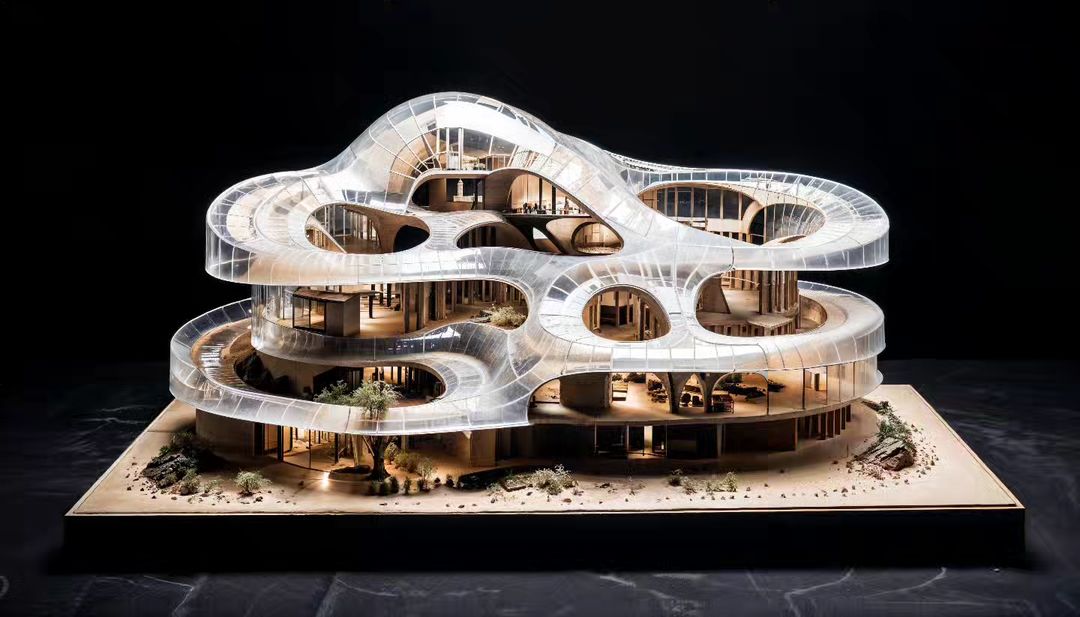
The integration of AI into architectural visualization profoundly bridged the gap between ideas and reality. Through AI-powered tools, architects are able to produce highly realistic images and virtual walkthroughs in very little time compared to using traditional software.
For example, d5 render is a real-time rendering tool integrated with AI features that equip any-level designer with unparalleled photorealism and efficiency. It’s also important to highlight the various virtual reality and augmented reality applications in architecture that offer immersive experiences for both the designer and the client. This interactive approach not only aids in understanding spatial relationships and design impacts but also leads to better decision-making and higher client satisfaction.
Challenges of AI in Architecture
1. Creative Limitations – How original are AI-generated designs?
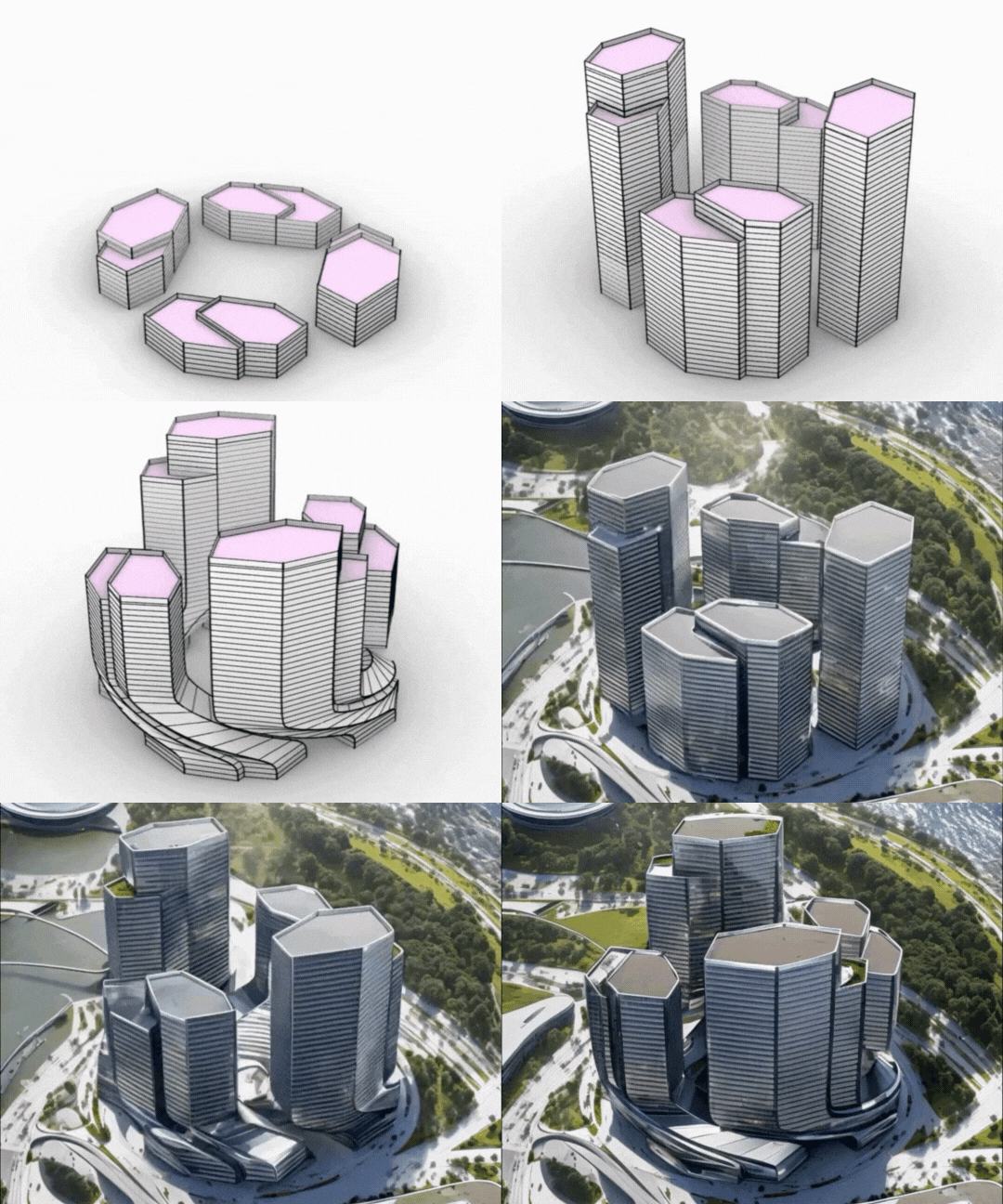
AI often provides a solution that may seem optimal, so some architects could accept it without doubt or consider alternative approaches. In one way or another, this leads most designers to develop an over-reliance on AL-generated solutions, which potentially leads to a decline in critical thinking and creative exploration. This is especially true given that despite AI’s exceptional ability to develop optimal designs based on specific parameters, it struggles greatly with open-ended creativity.
AI’s focus on efficiency and performance based on predefined criteria, overpowers the cultural and artistic nuances that human architects bring to the design. This might lead to a loss in architectural diversity and exacerbate the dilemma of global designs, where buildings all around the world look very similar.
2. Data Quality and Bias Issues – Why are we blindly trusting the AI database?

AI is only as valuable as the quality of the data it has been fed. So, poor or incomplete data will absolutely lead to flawed designs and decisions. It’s very important to be selective about what type of AI tool is being used. For example, architects must ensure that the developers of the tool are reputable and are keeping their AI up to date.
In this context comes a greater challenge, the AI data selection bias. On what base does the AI make suggestions? AI systems can unintentionally perpetuate biases present in their training data, leading to discriminatory outcomes in architectural design. This could result in spaces that do not cater to all demographics, which exacerbates social inequalities?. It is vital to include diverse datasets and regularly audit AI algorithms to ensure they produce fair and inclusive designs.
3. Technology Adoption – Why aren’t all architects using AI?

For some architects, adopting AI tools requires a dramatic shift in mindset and a willingness to embrace new ways of working. AI technology is intimidating and can pose a learning curve for newcomers. An interesting survey conducted by Chaos showed that when it comes to adopting AI tools in architecture, 25% of architects reported a challenge in the learning curve, 19% in it being an overwhelming choice, and 37% highlighted the lack of suitable training resources. So, it’s safe to assume that 81% of the respondents voiced the major issue of navigating the complexities of AI adoption. Notably, there is a scarcity of effective training and valuable educational resources for the smooth onboarding toward this technology.
If you are interested in learning more about how AI can be used in architecture, please check PAACADEMY’s AI workshops.
Ethical Considerations of AI in Architecture
1. Job Displacement

This has been the fear for a while, will AI take my job? Technically speaking, yes, of course it will, but not really. It’s totally valid to have thoughts about whether a mere “smart” machine deserves a job more than a human, but maybe this machine is taking away jobs that waste people’s time – it’s definitely an ethical debate. However, job di splacement is a major issue when companies do not provide resources to train their employees on the various uses of AI tools in architecture. Other than that, AI is taking all the repetitive tasks from the way such as drafting, and clearing the space for creative thinking.
Read more on how to become an AI Architect.
2. Data Privacy
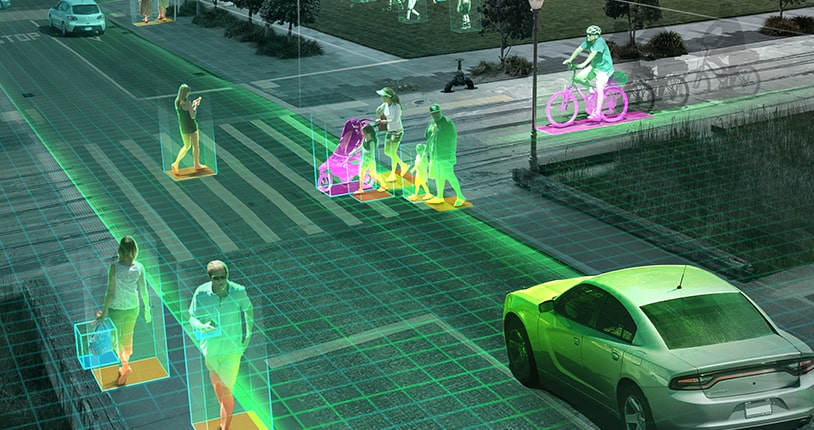
The use of AI in architecture often involves the collection and processing of vast amounts of data, including personal and environmental data. This raises significant privacy concerns, as unauthorized access or misuse of this data could lead to serious breaches of privacy. Also poses the question, whose work is this AI copying, or is it even allowed to access it? Another serious concern arises with the increasing integration of architectural projects with AI, the risk of cyber attacks.
3. Environmental Impact

AI tools in architecture can phenomenally drive the creation of sustainable buildings and cities. However, the irony is that running or training AI-intensive models can gravely harm the environment.
For example, the GPUs that trained GPT-3 are reported to have consumed 1,300 megawatt-hours of electricity which is equivalent to the monthly electricity usage of around 1,450 average U.S. households. Another study by MIT estimated that training a deep learning model could result in 626,000 pounds of CO2 emissions. This is nearly five times the emissions produced by an average car over its entire lifecycle – including its manufacturing.
On a brighter note, sustainable efforts are in the making to minimize the environmental impact of AI. For instance, MIT is developing a network system that can reduce 1/1,300 CO2 emissions from training AI models in comparison to traditional methods.
Read more on how artificial intelligence can revolutionize urban health for proactive well-being.
The Future of AI in Architecture

AI is a force to reckon with, especially in the field of architecture, as it is elevating the profession to new heights. The following 8 points summarize all the ways AI will impact the future of architecture:
- Automate Design Processes
- Enhance Sustainability
- Design Smarter Resilient Cities
- Optimize Building Performance
- Foster Collaboration between architects, engineers,and data scientists.
- Improve Construction Efficiency
- Enhance Virtual Design and Construction
- Promote Innovation
Helsinki plans to be carbon-neutral by 2030 and is leveraging AI-powered energy management systems to achieve its goal. AI and robotics will revolutionize construction by automating complex building tasks. AI will further optimize energy consumption and environmental impact with innovations such as self-healing materials– combined with AI’s predictive analytics– which will help architects design structures that are not only sustainable but also resilient to environmental challenges.? In Virginia Tech’s Innovation Campus, SmithGroup utilized AI with computational algorithms to create a carbon-neutral building that optimizes energy through its photovoltaic skin. The possibilities are boundless.
AI is slowly becoming more than a tool, but rather a collaborative partner. Architects are now heralding an era of exceptional imagination, achieving the impossible by guiding AI to create wonders. AI will never replace architects, because even the most brilliant orchestra falls silent without its maestro.
One very interesting debate arises when you compare the integration of AI in architecture to Juhani Pallasmaa’s “The Thinking Hand”. It’s a brilliant book to read, but in essence it talks about how a mere pencil in the hand of an artist or architect becomes the bridge between imagination and the physical world; which ultimately leads to creative outcomes. So, the question begs, are we still in deep sensory connection with our creations while using various AI tools; if not, how else are we producing such marvelous innovations?
