


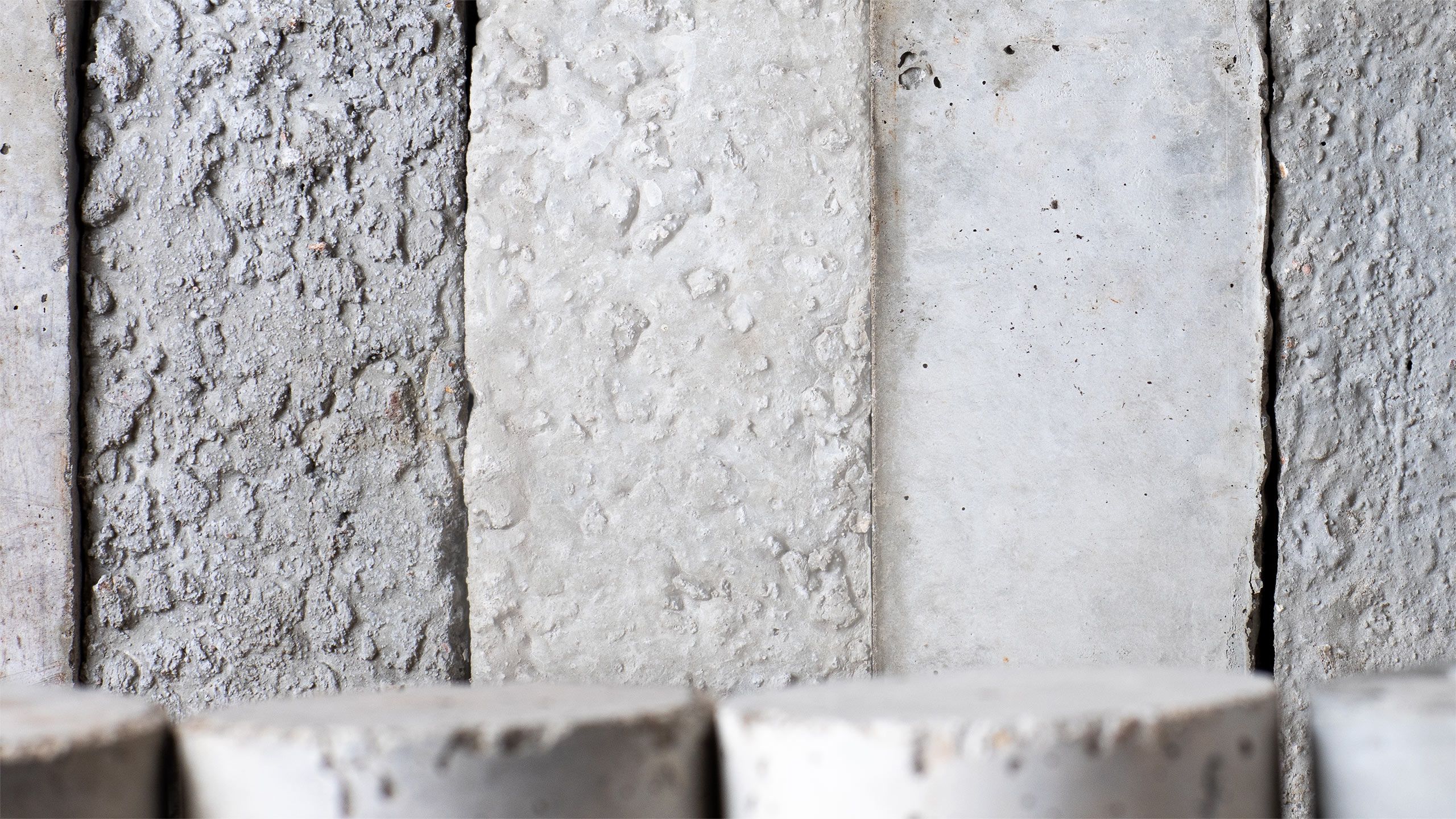
In recent years, there has been a change in the way we view science and technology and how new concepts and advancements are being applied to everyday life. This revolution took place, particularly in the last few decades. With the potential to completely reshape the built environment, smart concrete is a shining example of innovation in the construction industry. It comes in various forms such as self-sensing concrete, self-healing concrete, etc., is a breakthrough in materials science that defies conventional definitions. It is intelligent and flexible, able to fulfill the demands of the contemporary world.
A “smart” decision for preserving sustainable development in concrete products and structures is self-sensing concrete. It will bring about a profound transformation in the realm of conventional concrete materials, which will be advantageous for society, the environment, and the economy. Many of these frameworks will also learn about tendencies and alter the current state of society in a similar way. Moreover, it provides more effective ways to improve the built environment.
What is Smart Concrete?
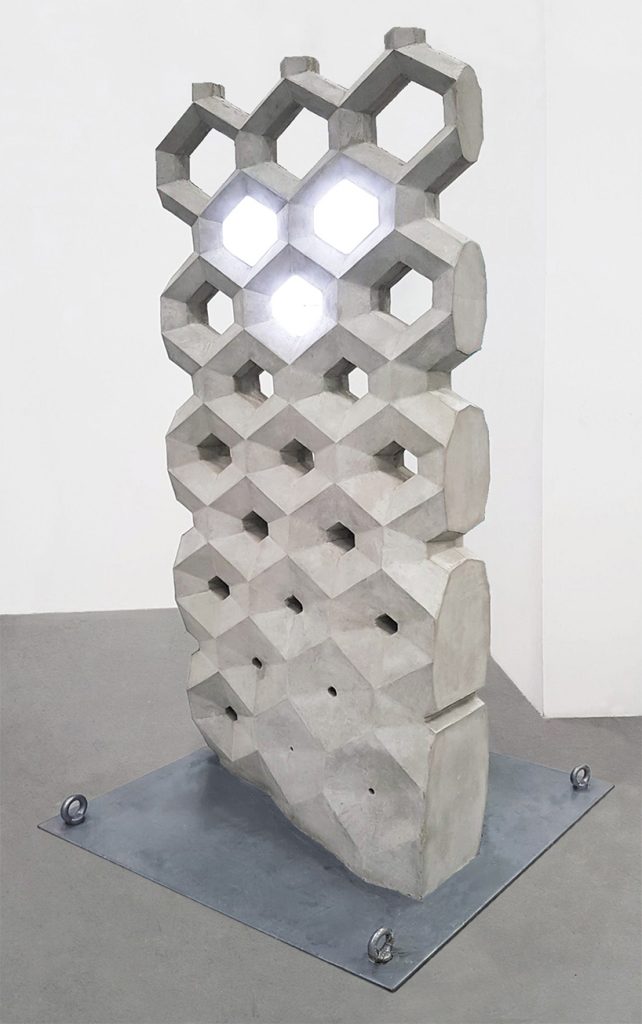
Self-sensing concrete, self-adjusting concrete, and self-healing concrete are all parts of the very large category of materials referred to as “smart concrete.” It is an alternative to monitoring the condition of reinforced concrete structures. Because of its innate capacity to sense and react to outside stimuli, it differs from conventional concrete. Its salient features include a longer service life, superior mechanical qualities, ease of installation, and low maintenance requirements.
Smart concrete, as opposed to traditional mixes, has innovative materials or additives that provide it with unique qualities like greater durability, self-healing, or self-sensing. This would help with several things, including ensuring structural integrity and safety, extending the life of structures, improving traffic safety and efficiency, guiding the design of structures and traffic, using less energy and resources, and more.
One subset of smart concrete, which was the first to be proposed and has undergone extensive research, is self-sensing concrete. Self-healing concrete will not only increase sustainability but also increase the durability and environmental friendliness of concrete constructions.
Fabrication of Smart Concrete
A combination of cutting-edge technologies and novel materials forms the basis of smart concrete. For reinforcing purposes, 0.2% to 0.5% of its volume is made up of carbon fibre. This can detect stress or strain in concrete structures before they fracture.
It comprises cement, water, sand, or silica, and a nanomaterial. The fabrication of smart concrete is comparable to that of producing conventional concrete. When utilizing a rotary mixer to integrate carbon nanotubes or black carbon into the slurry, the typical water-to-cement ratios used are 0.22 to 0.60. The mixture is then poured into greased molds and allowed to cure for one day. After that, the specimens are moulded and cured for 28 days in a humid atmosphere. Often, these samples are oven-dried in preparation for laboratory examinations.
Furthermore, self-healing systems that repair cracks and extend the life of structures employ microbes, polymers, or capsules that carry healing chemicals. Carbon nanotubes, mineral admixtures, and shape memory alloys are a few significant additives that may improve the unique properties of smart concrete. It should be noted that this method frequently calls for the inclusion of a superplasticizer or defoamer.
evertheless, it is quite challenging to disperse or separate carbon nanomaterials into their component parts. Their high surface energy causes them to agglomerate and aggregate.
Applications of Smart Concrete
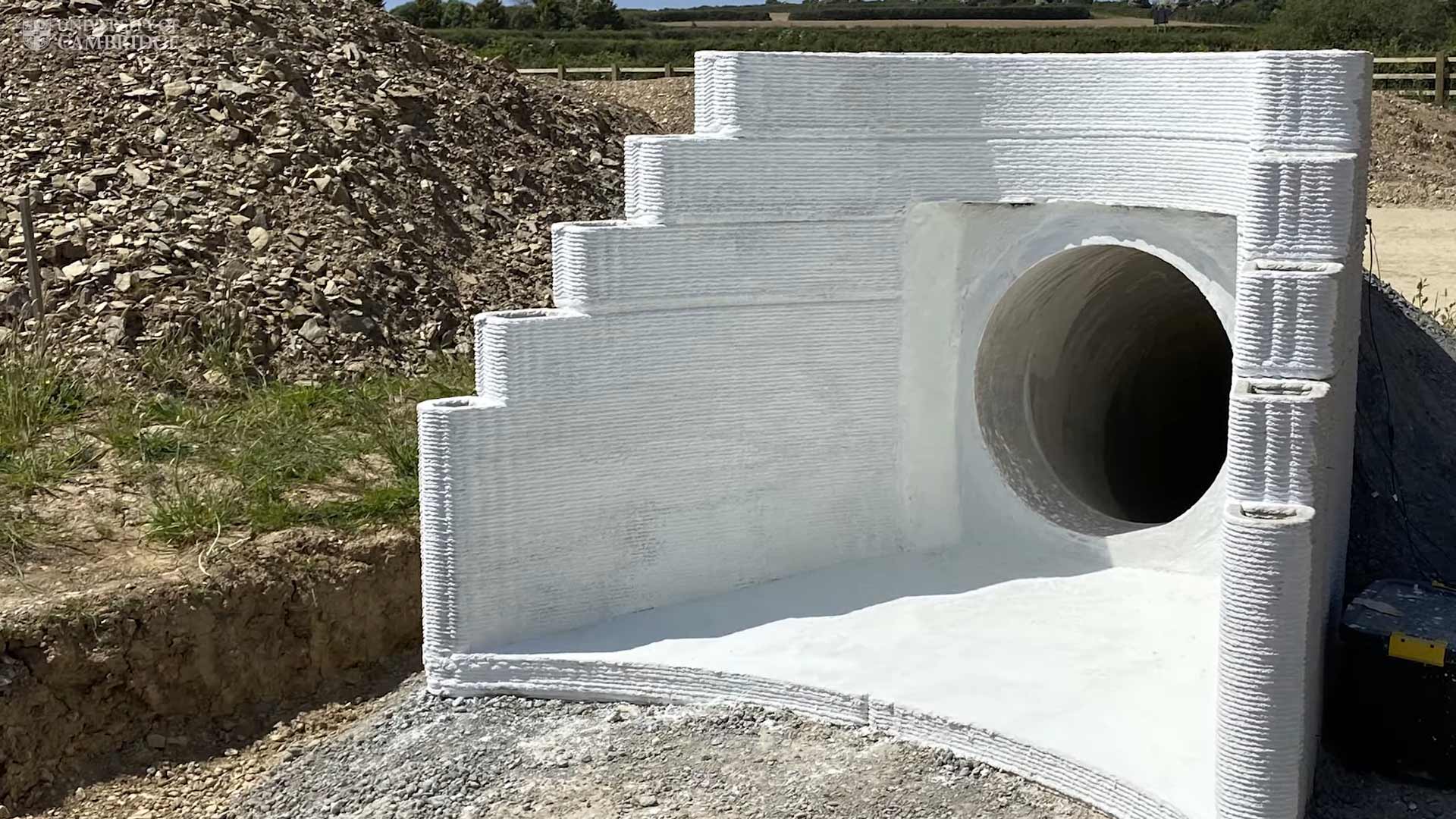
Smart concrete has a wide range of ground-breaking applications that have the potential to completely transform several industries. The Internet of Things (IoT) and smart concrete work together to create networked infrastructure networks that promote efficiency, sustainability, and resilience worldwide.
Furthermore, unlike traditional concrete, the inclusion of carbon fibers regulates the cracking process, preventing the catastrophic development of fractures. It can be used to create a highway that tracks the location of every car as well as its weight and speed. On a roadway, vehicles could be weighed while operating regularly. Additionally, it can be used to weigh vehicles on highways.
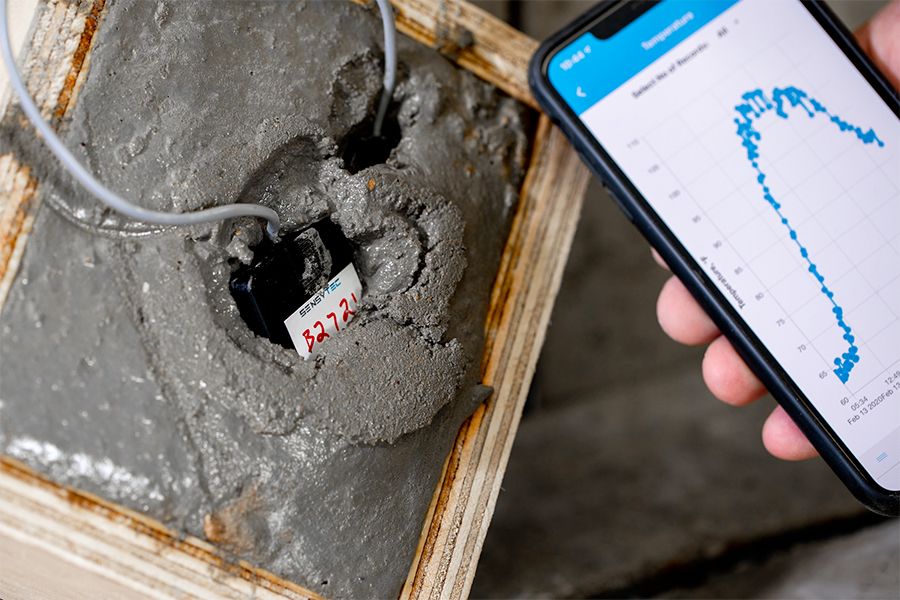
Self-sensing concrete, a component of smart concrete, can be used in the construction process. It is carefully incorporated into construction processes at every stage, from design to execution and continuous upkeep. To achieve the intended functions, precise quantities of additives are introduced at the mixing step. Throughout the infrastructure’s lifetime, preventive maintenance and performance optimization are made possible by advanced monitoring systems that enable real-time data collection.
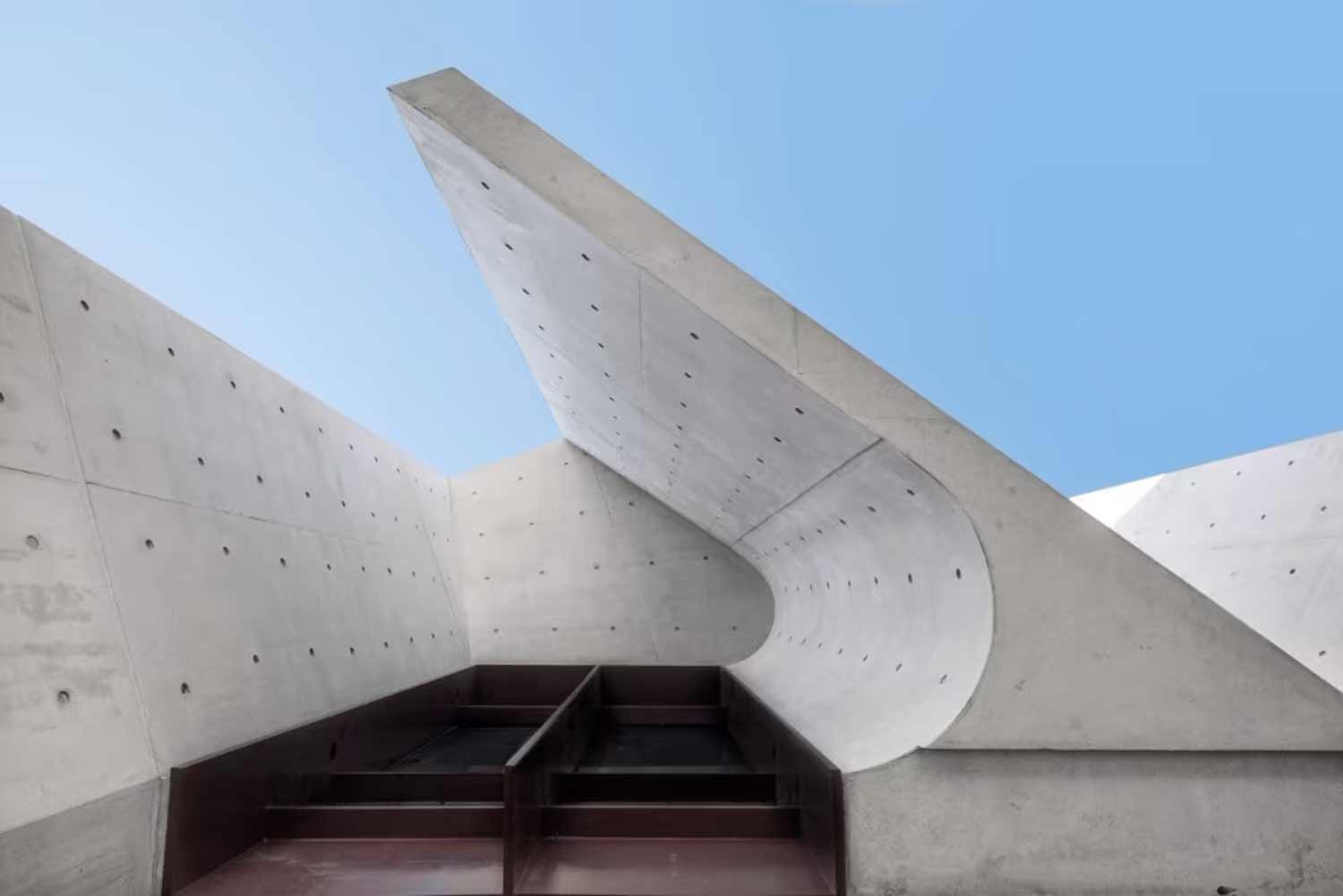
The market for smart buildings is expected to expand, accelerating smart concrete applications in the architecture and construction industries. This is because smart concrete not only has the basic ability to identify small cracks but also assists in stopping the progression of cracks and strengthening them. Furthermore, it can withstand greater energy before breaking and bending with a great deal of force.
High-rise buildings, highways, bridges, airport runways, and continuous slab-type sleepers for high-speed trains, dams, and nuclear power plants are just a few examples of civil infrastructure applications for smart concrete. It also has a lot of potential in the areas of traffic detection, border and military security, and structural health monitoring.
Benefits of Smart Concrete
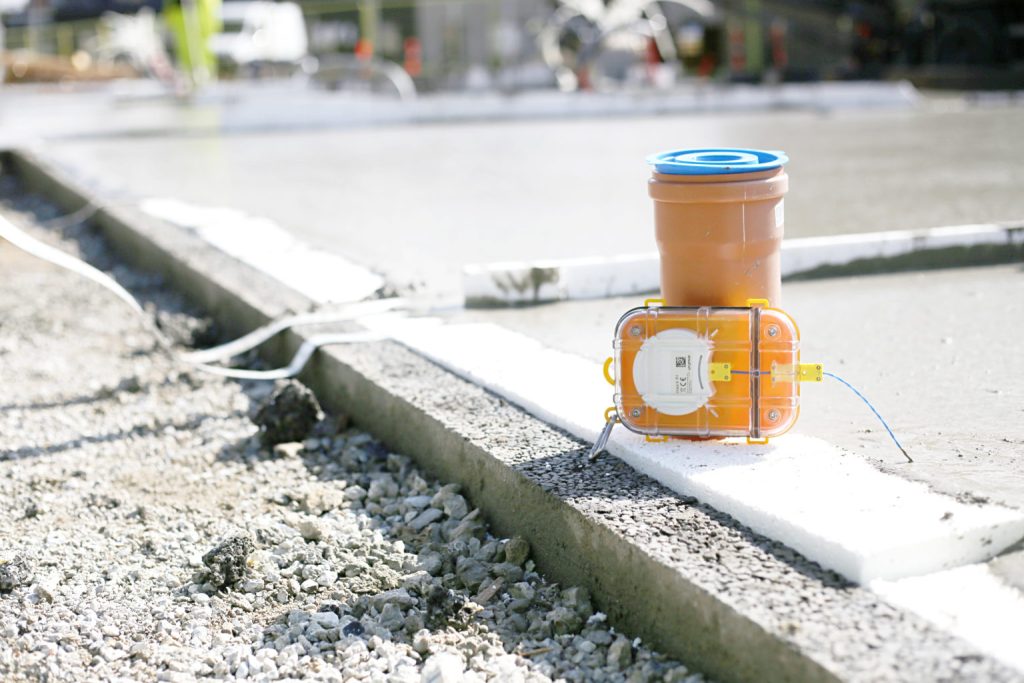
As a result, when the concrete is stretched or deformed, the contact between the fiber and cement matrix is affected, which in turn affects the concrete’s volume electrical resistivity. The degree of electrical resistance is then measured to calculate the strain. Carbon fibers will increase the cost of the additional material by about 30%, but even so, it will still be significantly less expensive than attaching or embedding sensors into structures.
Because carbon fibers are added to smart concrete, it is more resilient than regular concrete. It absorbs more energy before breaking and requires more strain to bend. Two factors—the increasing usage of concrete as a composite material and its low strain tolerance—may propel the market for smart concrete. This suggests that to ensure prompt repair, cracks must be monitored. There are alternative methods of evaluating fractures, such as inserting sensors and affixing them to structures. However, the cost of deploying sensors is higher. It is less expensive, in contrast.
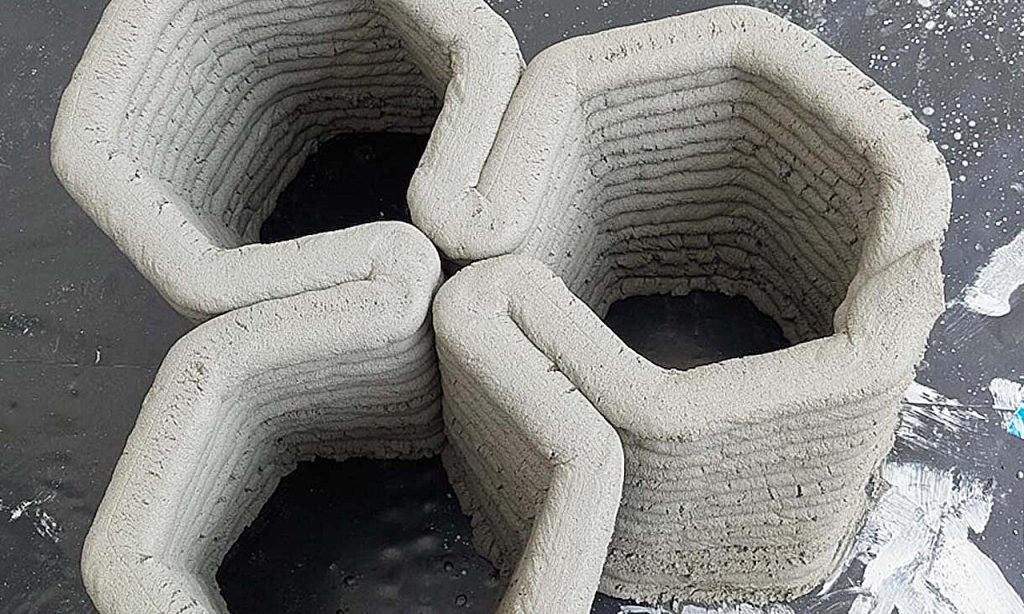
In conclusion, smart concrete signals the beginning of a new chapter in the construction industry, one in which intelligence and flexibility work together to create the cities of the future. To change how concrete responds to strain or stress, a small amount of carbon fiber is added to concrete using a traditional concrete mixer. It is used to assess the internal condition of structures, particularly following an earthquake, because it is capable of identifying even the slightest structural flaws. Building roadways with the ability to detect the position, weight, and speed of cars is another use for smart concrete.
The revolutionary potential of smart concrete is poised to leave an indelible mark on the built environment for future generations as researchers and engineers continue to push the boundaries of materials science and technology.
