


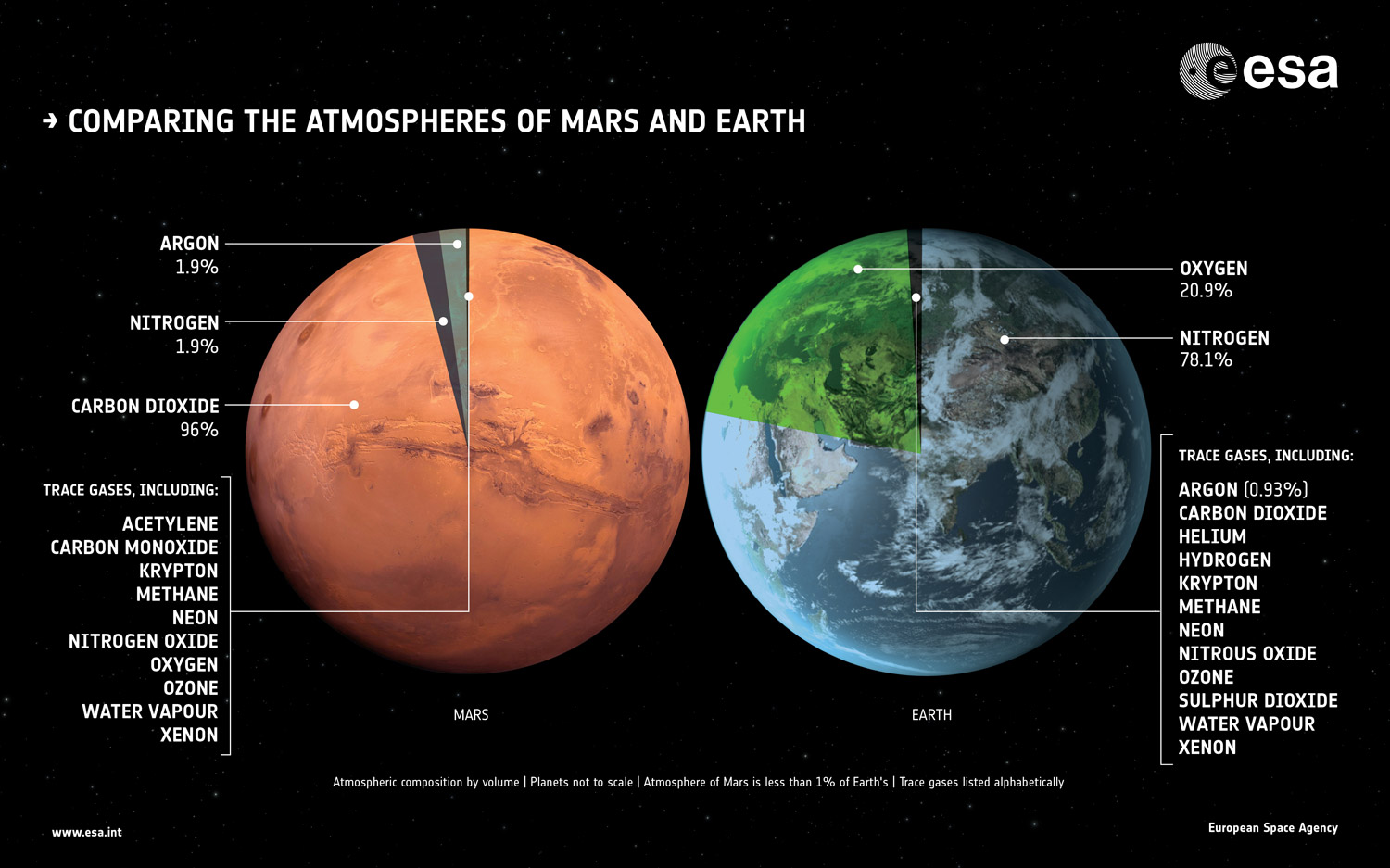
Human civilization has always shown a keen interest in the exploration of space. Every time we look up at the night sky, a fascination has always followed. Amongst the bright twinkling stars, we’ve always wondered about the very nature of our existence. This intrigue has given birth to a dream- to conduct expeditions, travel through space, and be a part of a progressive world. With the introduction of spaceflight, a new world was waiting to be explored. The advancement of technology helped to launch probes, and hundreds of expeditions later, the next item on the checklist was to become a multi-planetary species. Since mars are one of the closest planets to earth, it became an obvious choice for this exploration. Mars is also the most similar planet to earth in the entire solar system. Research suggests that mars can potentially offer a habitable environment which makes it suitable for further experimentation.
Challenges of Constructing on Mars
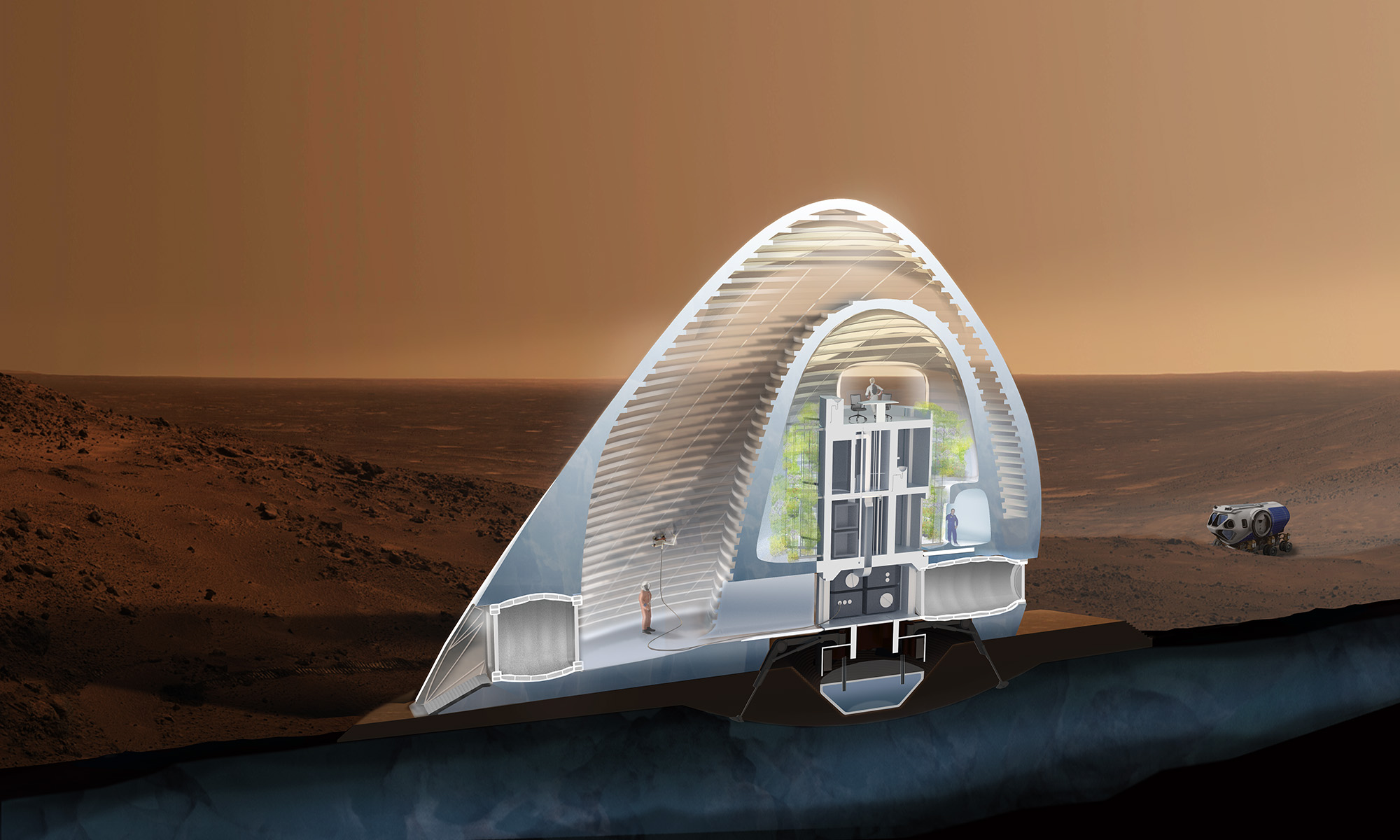
The lack of information about the topography, climate, environment, landmass, and gravity on the red planet made it difficult to contemplate building construction solutions. The availability of resources such as water and fossil fuels on Mars is questionable because no evidence of human civilization has been found on the planet to date. Additionally, transporting building materials and labor from earth to mars would be expensive because of the heavy fuel consumption by spaceships. So, exploring a new set of locally-available materials on mars seems like a viable solution to help reduce the stress on earth’s resources. With this intent, professionals such as architects, scientists, and geospatial experts collaborated to map the feasibility of martian resources to be used as building materials.
Materials That Can be Used to Construct on Mars
Flexibility, strength, and durability have been the fundamental concerns of professionals while exploring materials to construct on mars. Below are the most-discussed potential materials that can be used to construct buildings on mars:
Martian Soil
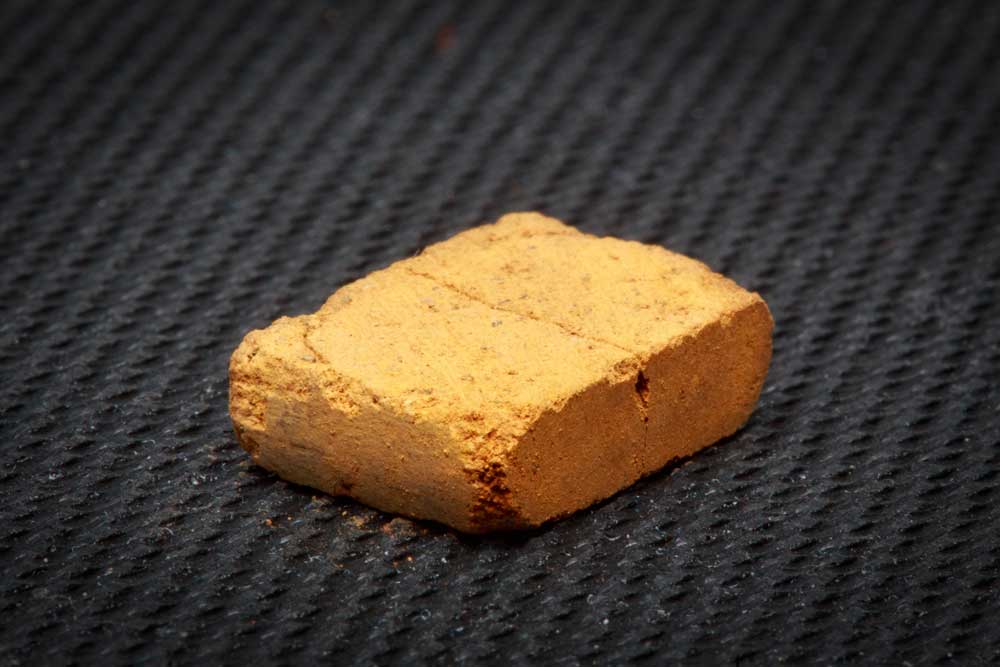
Martian soil was defined as a weakly consolidated weathered material mainly composed of regolith, aeolian, or fluvial deposits. It also includes a subtle mixture of mineral sediments, ores of dust, and soil. Researchers believe that martian soil can be used as an aggregate for construction. When supported by engineering and mechanics, the particles theoretically showcased an incredible ability to bond with each other. This implies that when compressed together, they could be used to form building blocks and serve as an alternative for bricks.
Martian Soil Simulants
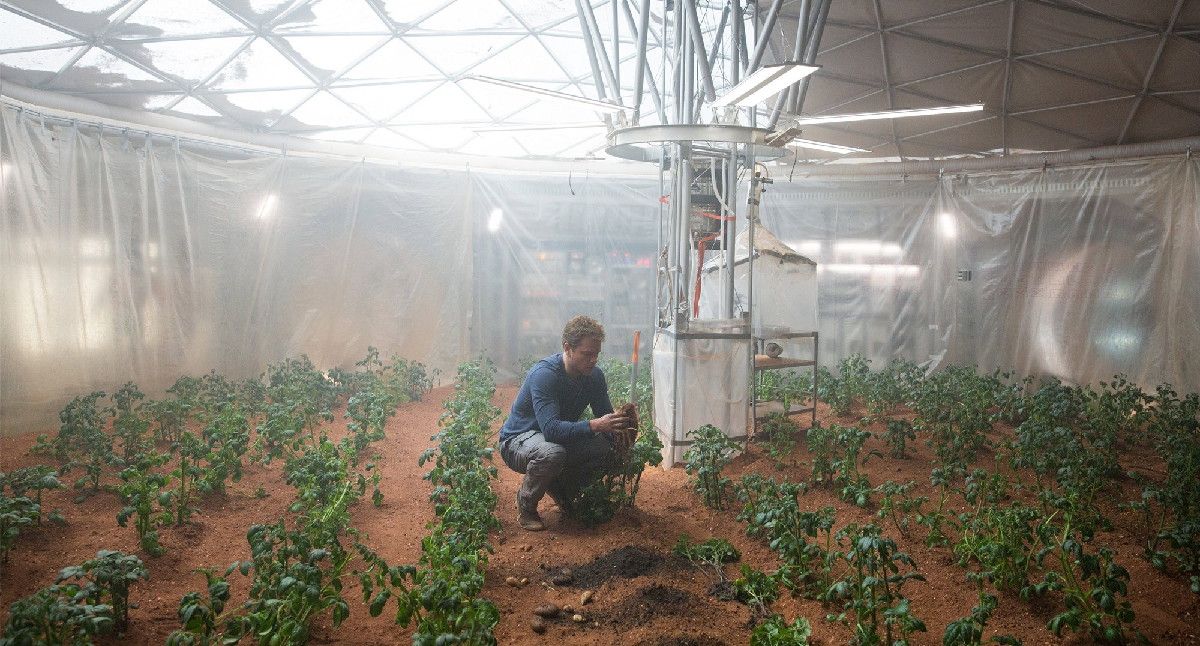
Martian soil simulants are the artificially synthesized version of the martian soil that scientists on Earth use to conduct experiments. Since it was difficult to get the soil from another planet, these simulants were derived artificially with the information sent back from the research probes.
They help deepen our knowledge of research topics such as infrastructure development, atmospheric pressure resistance, gravitational pull, etc. They are also used as test materials for constructing techniques and conducting experiments to understand the effects on surrounding environments. These materials could already exist on the planet, maybe with a differing chemical composition, but they are to be used as filler material on construction sites.
With recent emendations in technology, it was found that these simulants could be further used to make bricks with the help of a two-step process, without the use of any more additional materials or heating.
Basalt
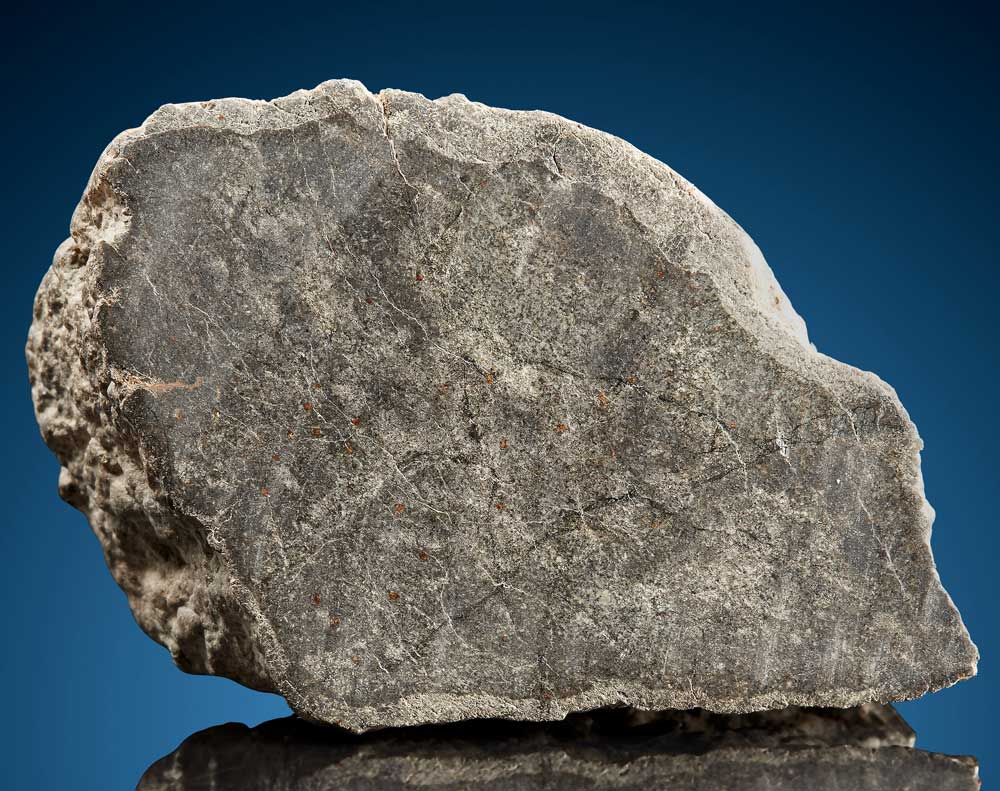
In the event of a volcanic eruption, the solid rocky remains of the lava, on cooling down turn into igneous rock. These rocks are extensively available throughout mars, with the chemical richness of magnesium and iron. These clusters of rock are mainly categorized based on their availability and the elements that they bind with. Some types include lime-ash basalt, which is rich in high silica glass, pyroxene basalt, which contains olivine, and lime-ash basalt which constitutes olivine and lime-ash.
The most advantageous property of using basalt for construction is its ability to act as an in-situ resource for 3D printing. Also when heated and extruded, it produces stone wool, which could be used for thermal insulation and protection of surfaced buildings. It could also be used for the construction of cobblestones and decorative crafts.
Volcanic Ash

Another residual of a volcanic eruption is the molten magma which breaks down into smaller particles to form volcanic ash. This element, when combined with lime, creates hydrates of the elements and bonds with them to showcase hydraulic gelling abilities, which can be used in combination with cement, either as an admixture for concrete or simply as a binding material to help bind the structure together.
With the availability of extensive amounts of iron-containing volcanic ash, throughout the surface of mars, it becomes an essential element that could potentially be used for future constructions on the planet.
Martian Concrete
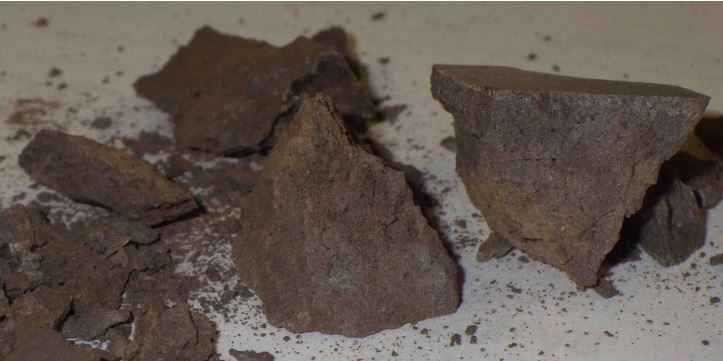
Concrete primarily requires three elements for its production. The first is an aggregate, for which as discussed earlier, an ample amount of Martian soil could be used. The next is water, which can be found on the polar caps of the planet, in the form of ice. And the last is a binder that uses a combination of sulfur or other polymers with regolith to sustain high-strength bonds under varying atmospheric pressures and temperatures. Similarly, magnesium-based geopolymers could also be used.
Metals and Alloys
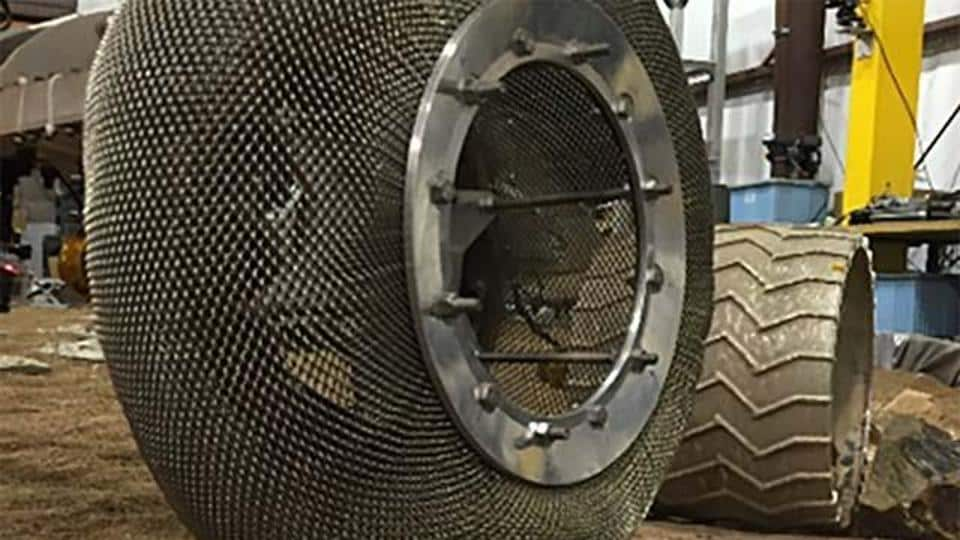
While the metals are not readily available to be extracted in their pure forms, oxidized ores could be mined with technology. These methods could be used to extract aluminum, magnesium, and iron from their respective ores, to serve for mechanical properties and steel-based framed constructions.
Genetically Modified Fungi

With the dawn of biotechnology and the introduction of genetically modified fungi, it is now theoretically possible to form an interdependent ecological life system on Mars. This system is conceptualized to support the growth and sustenance of plant life with mycorrhiza and help with the construction of houses with mycelium. This new innovation in the field of mycotecture, ables the world of synthetic biology to be more focused on the sustainable development of such designs.
In Conclusion, the materials mentioned above would prove to be resourceful for the in-situ production of mass and would mark the beginning of new life on Mars. This would be the stepping stone to building a better and feasible future for space exploration and would be remembered as the legacy of Earth.
You may find these pieces interesting:
- Space Architecture: How Can We Design Habitats on Mars and the Moon?
- Life on Mars, but how? A few architectural considerations
- Mars 101: How do Martians go to the toilet?
