


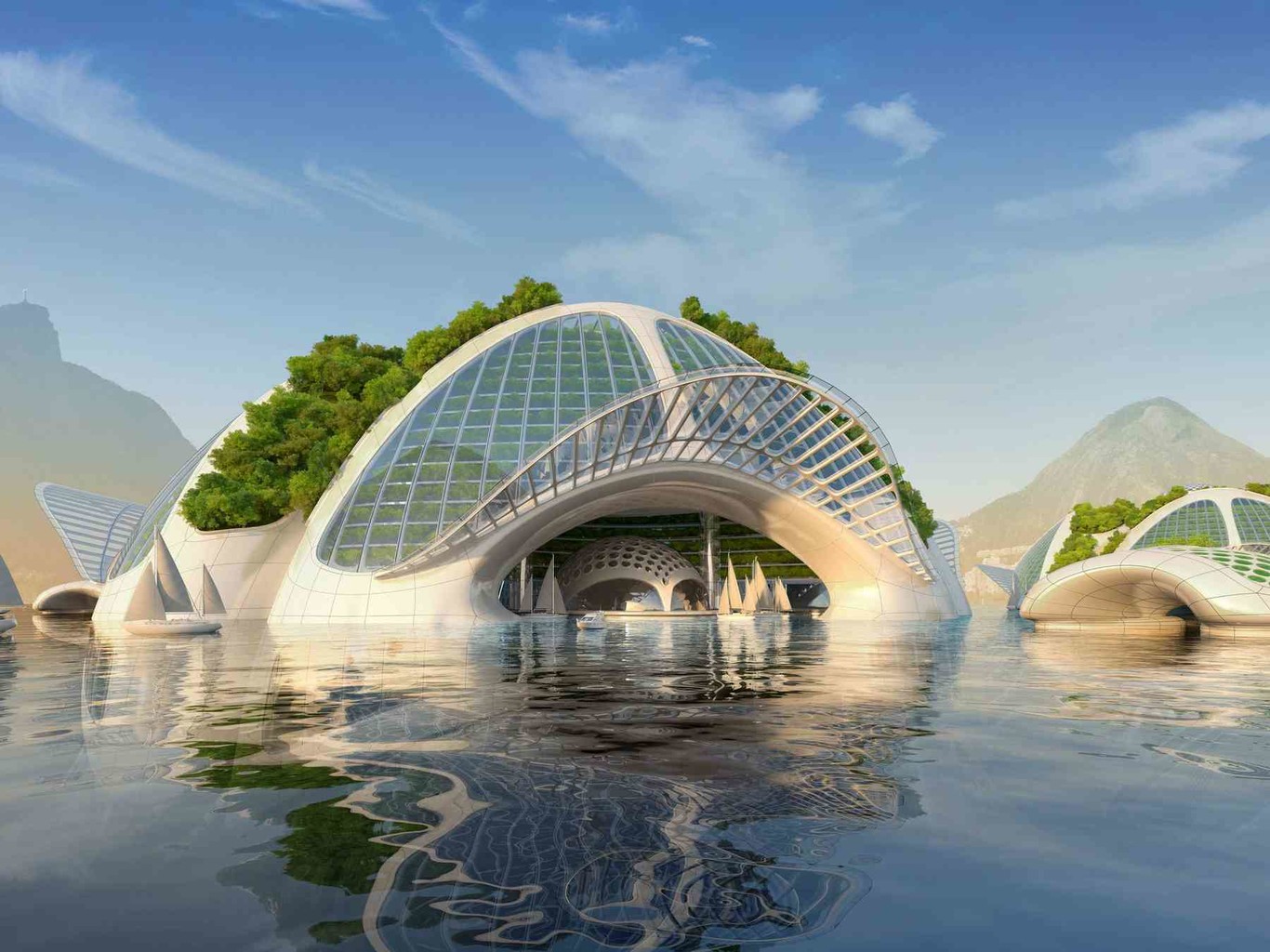
Modern human civilization is heading towards a dead-end. The hunger to progress faster has increased infrastructure and construction activities resulting in rapid deforestation, exploitation of natural resources, and environmental contamination. A report by Bimhow states that the global construction sector contributes to 23% of air pollution, and about 40% of water pollution, and generates more than 50% of the total landfill waste. These statistics are a warning in disguise for the AEC industry to pause and rethink its actions.
What is Biotechnology Architecture?

To reduce the impact of construction activities on the environment, architects and bioscientists are making an attempt to build in harmony with nature. This vision is achieved through nature-inspired innovation in material, form, and construction technology. Biotechnology architecture intertwines the theories of nature with building design principles to foster the co-existence of man and earth. Biotechnology in architecture is using live bioengineered materials that can grow, produce energy, and self-heal.
How Architecture is Embracing Biotechnology?
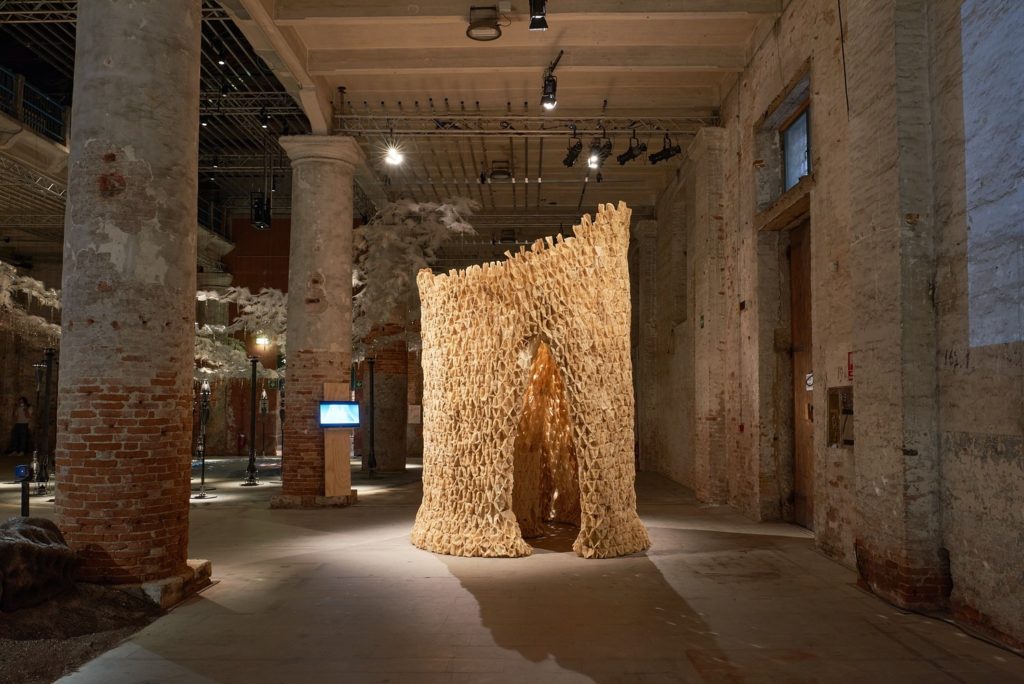
The advent of biotechnology in architecture provides a promising solution to an existential crisis. Presently, experiments with biotechnology are being undertaken at a peripheral level to find solutions for large-scale applications. Below are the key ways in which biotechnology is being infused with architecture.
Biotechnology in Building Material
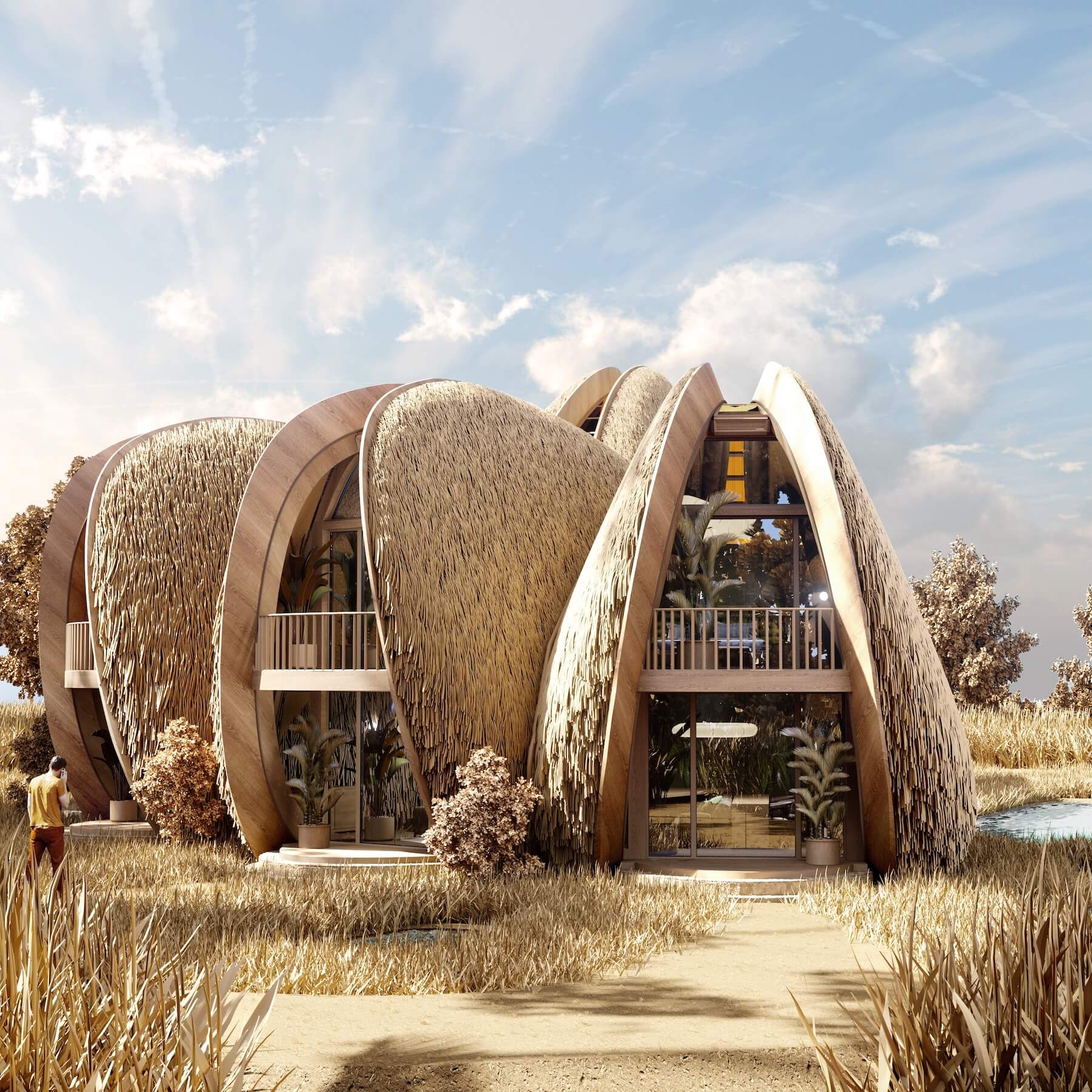
Mycelium, being the vegetative part of a fungus, is being researched as an alternative material to be used for building construction. Novel research in the subjects of fungal biocomposites has not only revolutionized the field of material science but has also contributed towards a sustainable and considerate future for architecture.
The extensive use of this fungus is characterized by its ability to upcycle various biological wastes into sustainable and economical synthetic construction materials. With customizable properties and applications such as insulation, paneling, flooring, and other furnishings, mycelium composites can successfully replace foam, timber, and plastics. They also showcase better properties of thermal and acoustic insulation than traditional materials such as synthetic foam and engineered wood, making them a better option than all the available materials.
Derivatives of mycelium are also being investigated and experimented with for their use in space architecture. If the research succeeds, it would allow us to grow construction materials on another planet, helping reduce the total cost of transportation and building a new home.
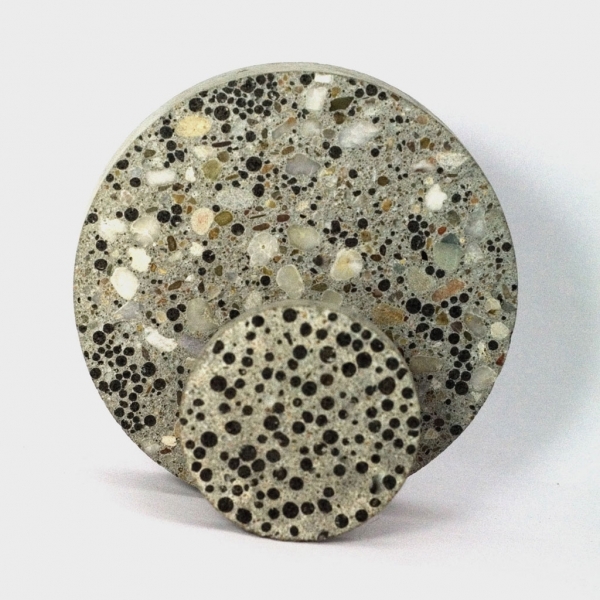
Another research conducted by Henk Jonkers at the Delft University of Technology experiments with the concept of self-healing concrete. They have theorized the growth of hydrophilic bacterial spores in a mixture of concrete that expands and eventually heals the microscopic cracks when atmospheric moisture seeps in. When studied with more precision, the bacterial particles showed a triggering reaction to a moist environment that supports the growth of calcite crystals.
Biotechnology for Air Circulating Systems
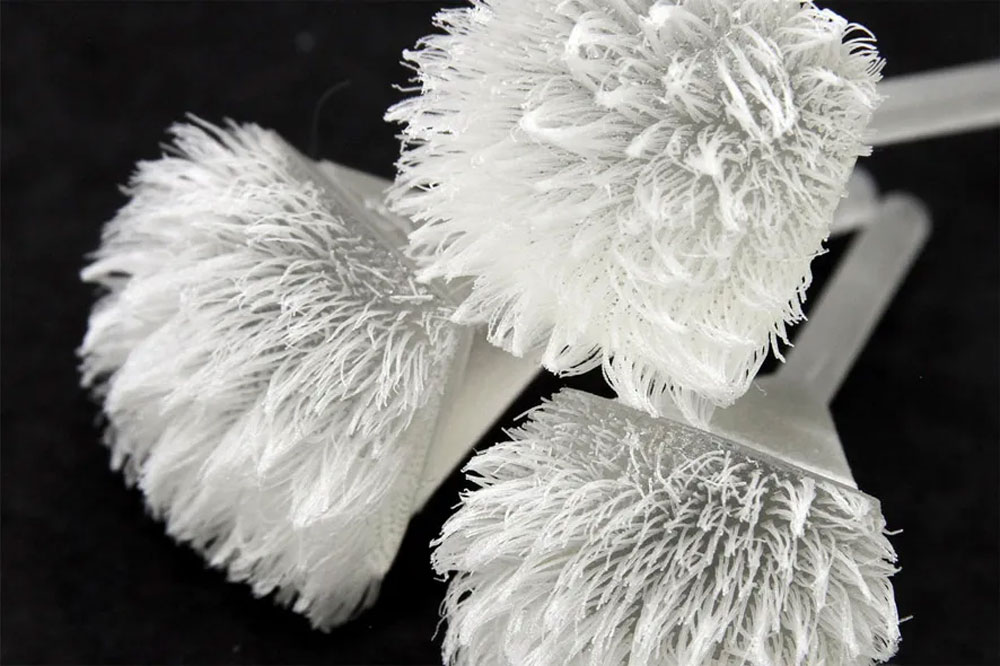
Hiroshi Ishii’s group at MIT has researched and developed biological materials that change their shape when they come in contact with water. Similar to self-healing concrete, this material is made with layers of bacterial spores and latex which either inflates or contracts, depending upon the amount of water absorbed in the system.
Using similar methods, scientists are devising building the whole external membrane of the building with such materials, making the structure ‘breathe’ and maintain a continuous flow of air throughout.
This method will not only help the structure to have a life of its own but also help with the exchange of gasses, allowing the users of the building to respire and have access to high-oxygenated air.
Biotechnology for Energy Generation

Another highly conventional use of biotechnology in architecture involves the research of building metabolism by the Hub for Biotechnology in the Built Environment (HBBE). The functional aspect of this building is theorized to process the biological wastes generated by the occupants and convert them into pure forms of energy and other useful products. It involves the use of small-scale bioreactors to convert human and food wastes into small amounts of electricity and help produce nutrients and enzymes that can degrade plastics and create valuable products.
HBBE also aims to investigate ways through which a greater harmony is attained amongst the humans residing within the complex and the environmental microbes and viruses that constitute the ‘microbiome’.
Biotechnology in Building Design
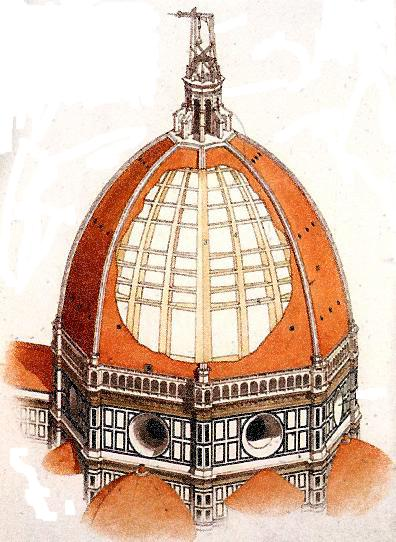
Biomimicry is a multidisciplinary field that imbues effective design ideas and working principles from nature and incorporates them into an architectural form where the users could experience it. It deals with the process of design and experiments with naturally available materials to find the right solution for a sustainable and safe future.
Some of the earliest known examples of biomimicry are from 1436 when Filippo Brunelleschi studied an eggshell to design a thin and light dome for his cathedral in Florence and inspired millions to do the same. In the present day, biomimicry is used to solve the problems of climate change and address a shortening of resources and loss of biodiversity. Under the right consideration of resources and techniques, one can use the biosphere to inspire themselves as well.
Case in Point
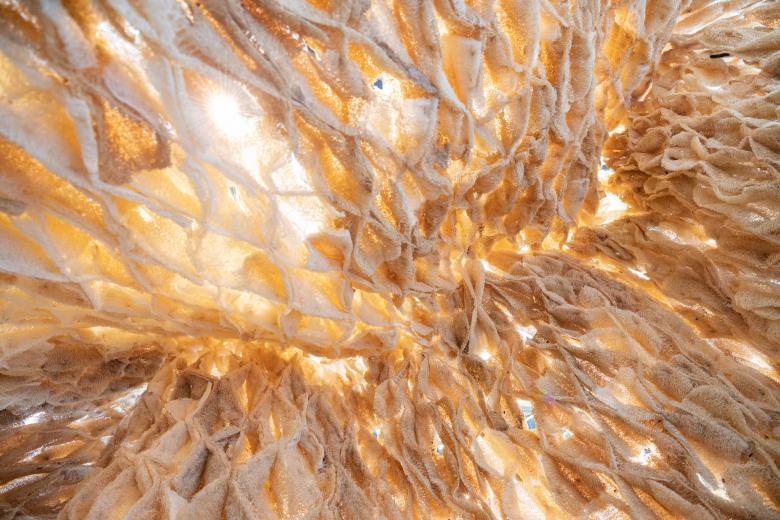
Hy-Fi was the best design intervention coming out of the ‘Young Architects Program’ (YAP) contest. Designed by the principal architect of ‘The Living’, David Benjamin focused on taking a more sustainable approach to this design. Introducing bricks grown in a mold from mycelium composites and glued together by a digestive adhesive, the firm aimed to explore more biodegradable materials and challenge themselves to create a “pleasant microclimate” for the future.
In Conclusion
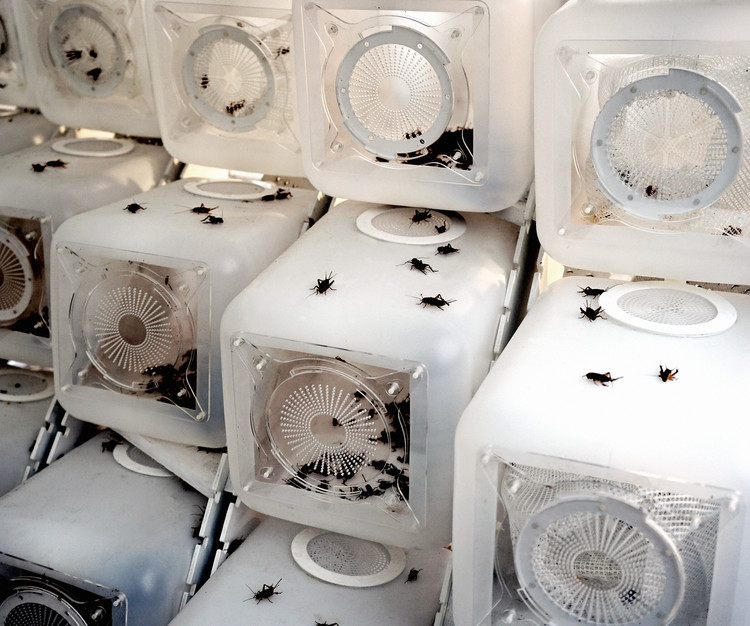
The use of biotechnology in architecture is helping humans develop buildings that are more suitable and sustainable for today and prevent the exploitation of our future environments, helping us leave a better world for future generations.
While most of the present research on the topic of biotechnology in architecture aims for self-sustenance, the true outcome would only be achieved once all of the systems collaborate to create a holistic ecosystem.
