



Have you ever wondered if metaverse is the design paradise architects and designers have always asked for?
Throughout history, humankind has always been searching for a perfect society that caters to all their demands and provides a safe, worry-free environment in which people can build up their own experiences and interact with their surroundings. This ideal society is named Utopia. The word Utopia, as a community blessed with desirable or nearly perfect attributes for its members, is a free-of-the-limits constructed environment with remarkable transformations.
So, Does metaverse provide them all?
A First Glance
If you initially want to gain insight into the metaverse, what it is, and how it affects the architectural domain, read Metaverse, The Upcoming Realm of Architects, before carrying on with this article.
Designers and architects constantly take the authority to demonstrate their strong desire for creativity, innovation, and originality. Technology is a tool to help them convey stories and create immersive experiences. After the recent advancements of technology offering the capacity to view the design outcomes very early in the process with just a click of a button, eliminating boundaries and merging the virtual and physical worlds are inevitable.

Metaverse, as a lucrative channel to reach customers, is a virtual world with digital avatars interacting in real-time and offering freedom of thought and expression for designers. It is an unexplored place full of possibilities where rules and roles change to provide captivating experiences. In metaverse, you do not need to adapt to a specific environment, climatic issue, Physical laws, building regulations, and all the considerations that restrict the number of possible design options that may be implemented.

For centuries, architects, engineers, and builders have dictated the design of the built environment, generally out of need. The physical world’s intricacies need regulations, zoning, accreditation, and best practices. However, the meaning and functions of the elements must be re-defined in the metaverse. For instance, gravity, materiality, and privacy must no longer be a concern anymore. Elements such as windows, doors, roofs, etc., lose their functional meaning in such an environment.
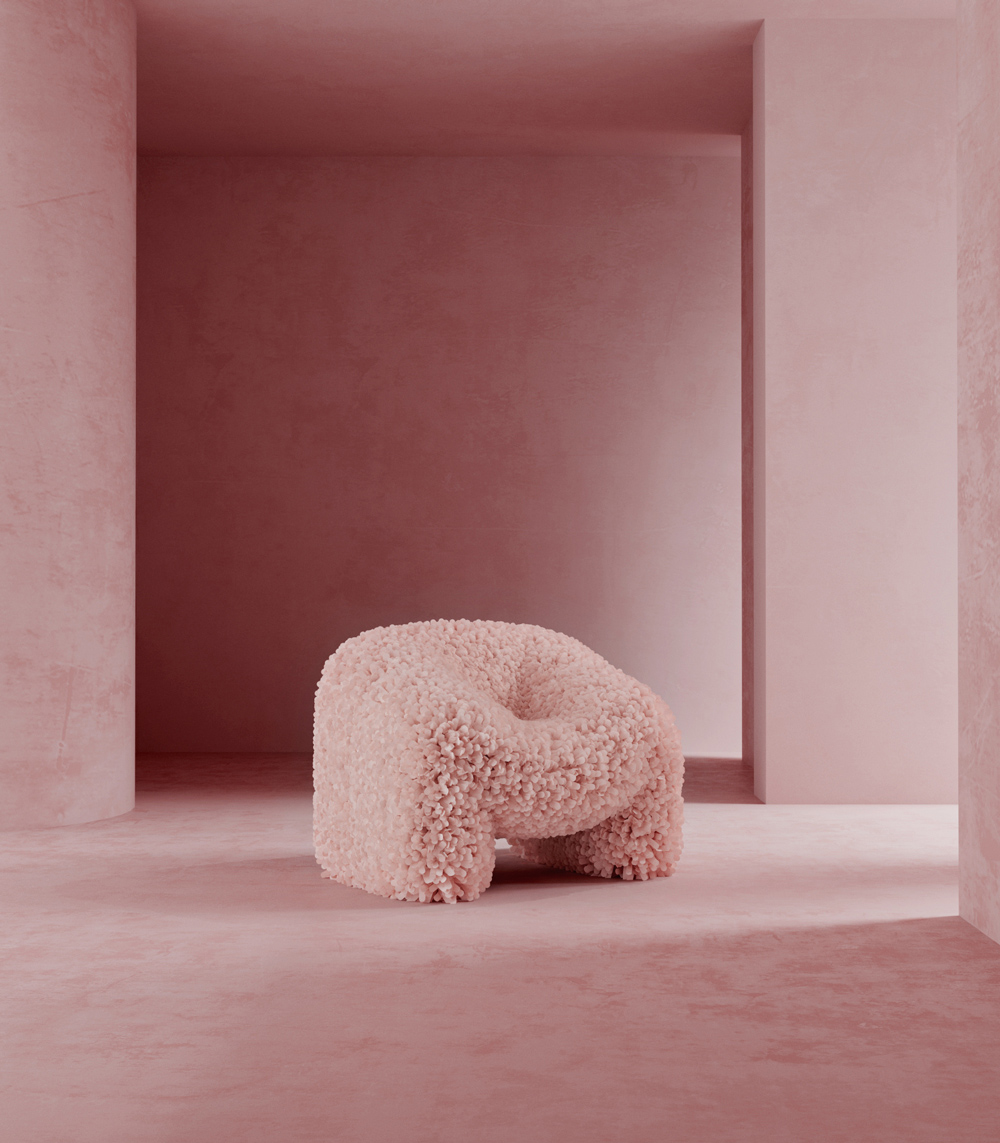
In the real world, all the design choices are drawn by proposing a solution for a problem, but in the metaverse, there is no need to deal with a problem. Designer’s taste of beauty suffices. Thus, even abstract, simplified forms and geometric shapes are among the alternatives. This absence of constraints enables the collaboration of numerous designers from various fields who push the formal frontiers of what space might look like. Even artists with no expertise in architecture can enter the field and showcase their artwork at a gallery where they meet individuals from all around the globe. Additionally, the domain of design specialty expands in the metaverse. While the physical world demands expertise on only one type of building, metaverse enables creating various projects, including homes, lofts, studios, malls, amusement parks, movie theaters, schools, etc.

Therefore, the metaverse removes all the possible barriers and provides endless options in one platform. Nevertheless, there is a vast number of the software you can use to design for this virtual environment. Unity and Unreal engine seem to be the required software to be added to your architecture skillset. Interaction design inside these 3D assets is another technical skill architects should consider adding to their toolbox. Creating architectural narratives in the metaverse requires creating virtual experiences with varying degrees of engagement.
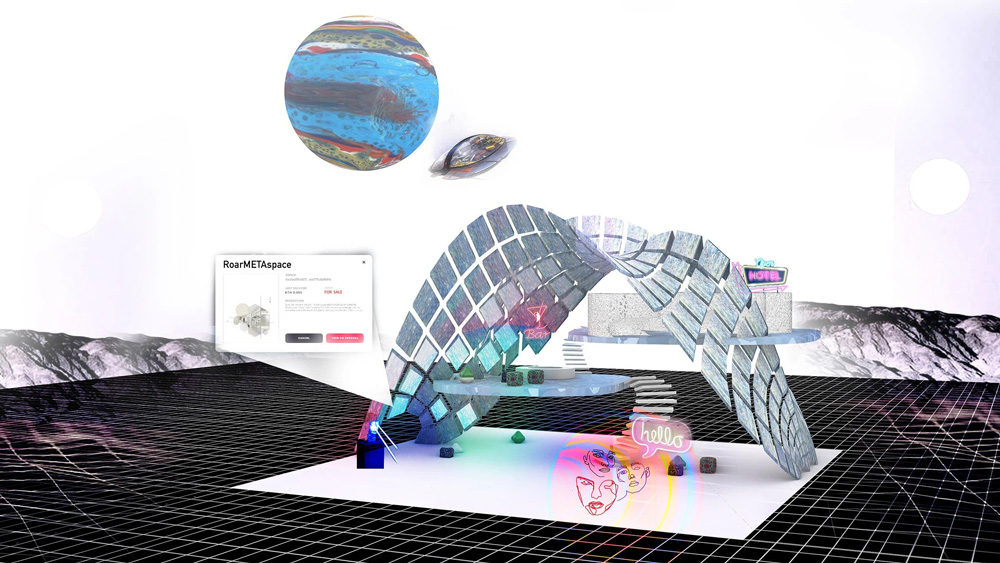
Collaboration among geographically dispersed team members is another merit of the metaverse, which is becoming vital due to information technology possibilities. The physical dispersion of group members necessitates technology to facilitate group tasks. This would be a massive benefit for disabled designers, including desirable social standards into the design from the start.
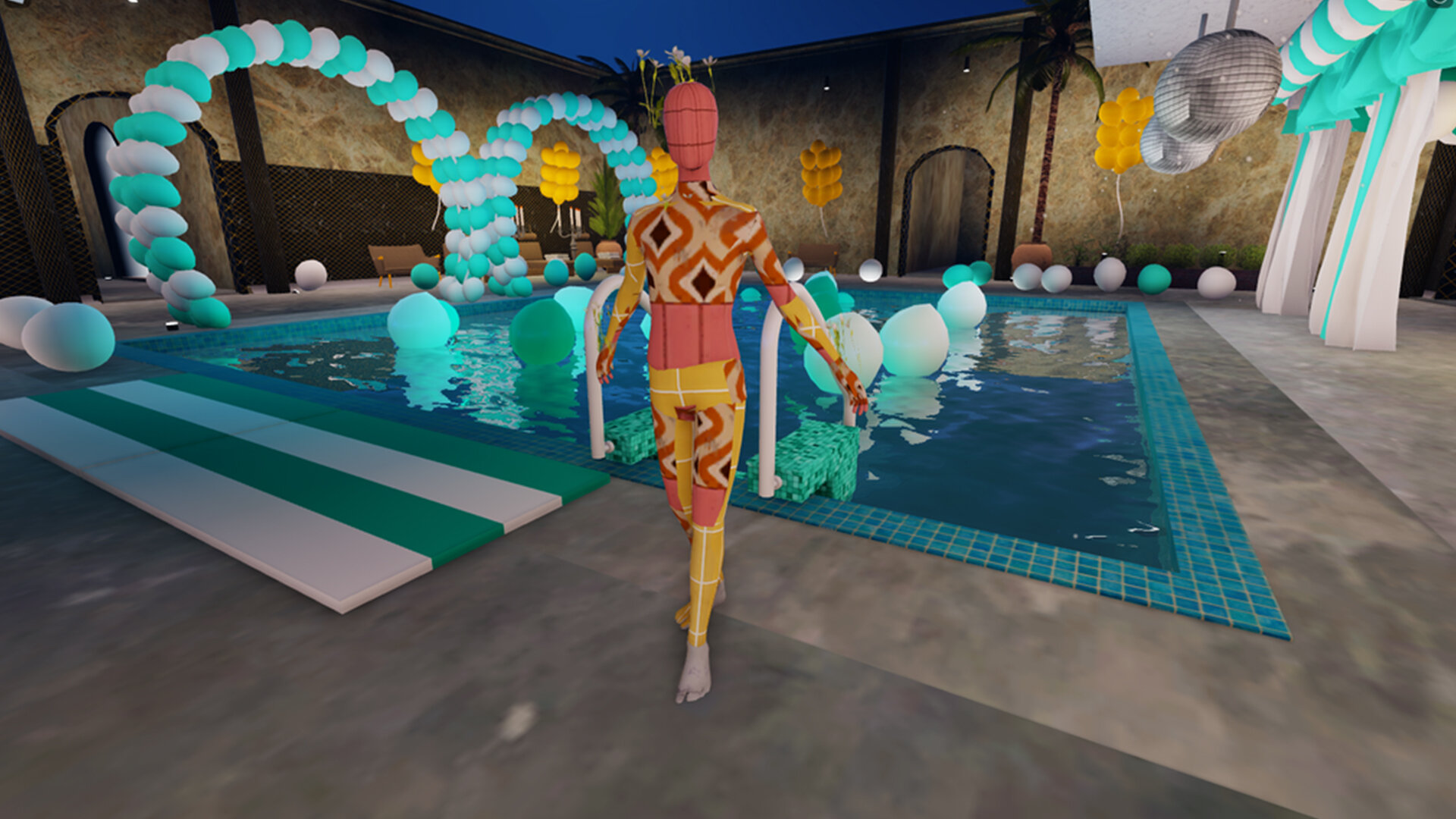
Metaverse provides a whole new marketplace for architects and designers who possess great ideas and aspirations that might not be feasible in the actual world. It has attracted a significant amount of investment and, accordingly, many brands in fashion, car industry, architecture, etc. While architectural firms such as Zaha Hadid Architects have extended their design horizons by the opportunities of this virtual sphere, premium brands such as Gucci, Vans, Stella McCartney, Burberry, Hyundai, Nike, BMW, Netflix, and Warner Bros dip their toes into this unknown realm to deliver exceptional experiences.
Concurrently, investors and futurists such as Atari, Epic Games, and Nvidia are racing to expand on its promise of social connection, experiences, experimentation, entertainment, and, most crucially, profit.
What do you think?

The metaverse as an empty canvas on the intersection of web 3, blockchain, and virtual reality has no design constraints or boundaries. Designers and architects can freely express themselves and their artistic personalities. Besides meeting designer demands, metaverse plays a significant role in becoming the next frontier in the individuals’ expression of multiple selves. With the increasing number of people using the virtual environment, future metaspace will be providing a more intuitive, immersive, and engaging environment where individuals can convey their identity through their virtual assets.
Depending on where your imagination takes, we believe the metaverse acts like heaven for designers. However, some may oppose this notion. So, what do you think? Feel free to share your thoughts in the comments below.
