


Architectural education is being reshaped by new tools and technologies alongside redefining how architects are trained. As computational workflows, digital fabrication, and interdisciplinary collaboration become central to practice, traditional models of architectural education are beginning to feel increasingly limited.
In response, a new wave of design education is emerging with one that prioritizes immersive learning, real-world workflows, and direct engagement with industry. Instead of separating academia from practice, these models attempt to bridge the gap by placing students in environments where design, technology, and production intersect.
Transitioning from Studio Learning to Systems Thinking
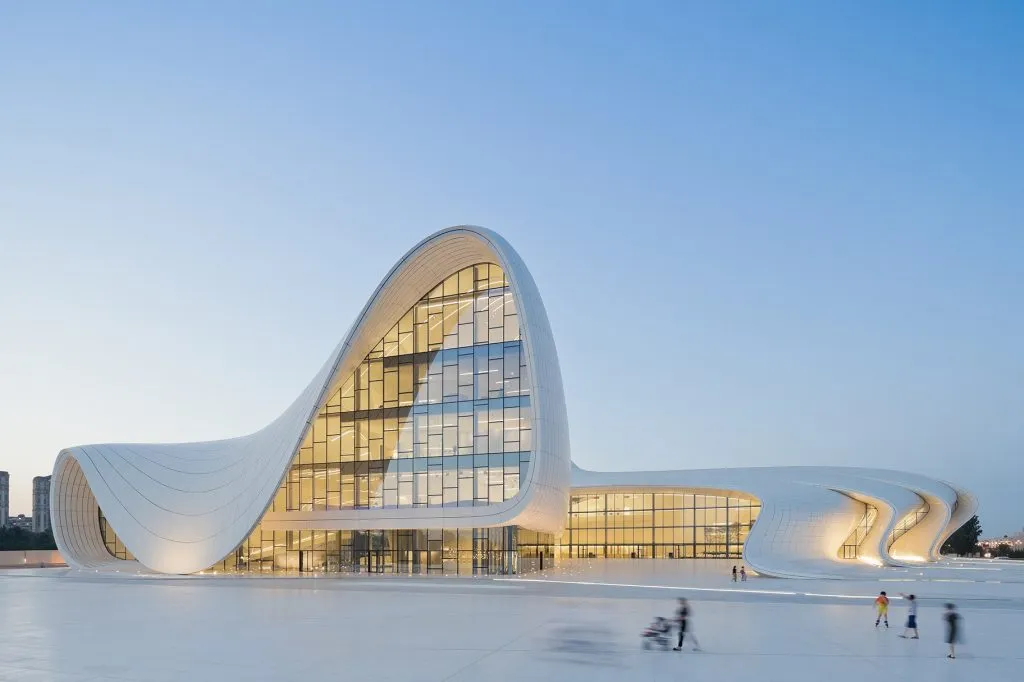
For decades, architectural education has revolved around the studio model that focuses on individual projects, conceptual exploration, and critique. While this approach remains valuable, it often isolates design from the technical, environmental, and logistical systems that shape real-world projects.
Today, that separation is becoming harder to maintain. Contemporary architecture operates within complex networks of data, performance analysis, fabrication constraints, and stakeholder input. As a result, architectural education is shifting toward systems thinking, where design is understood as a set of relationships and not just a singular object.
Students are increasingly expected to engage with parameters such as constructability, user experience, sustainability, and digital workflows from the earliest stages of design. This marks a transition from static representation to dynamic, process-driven thinking.
The Integration of Technology and Making
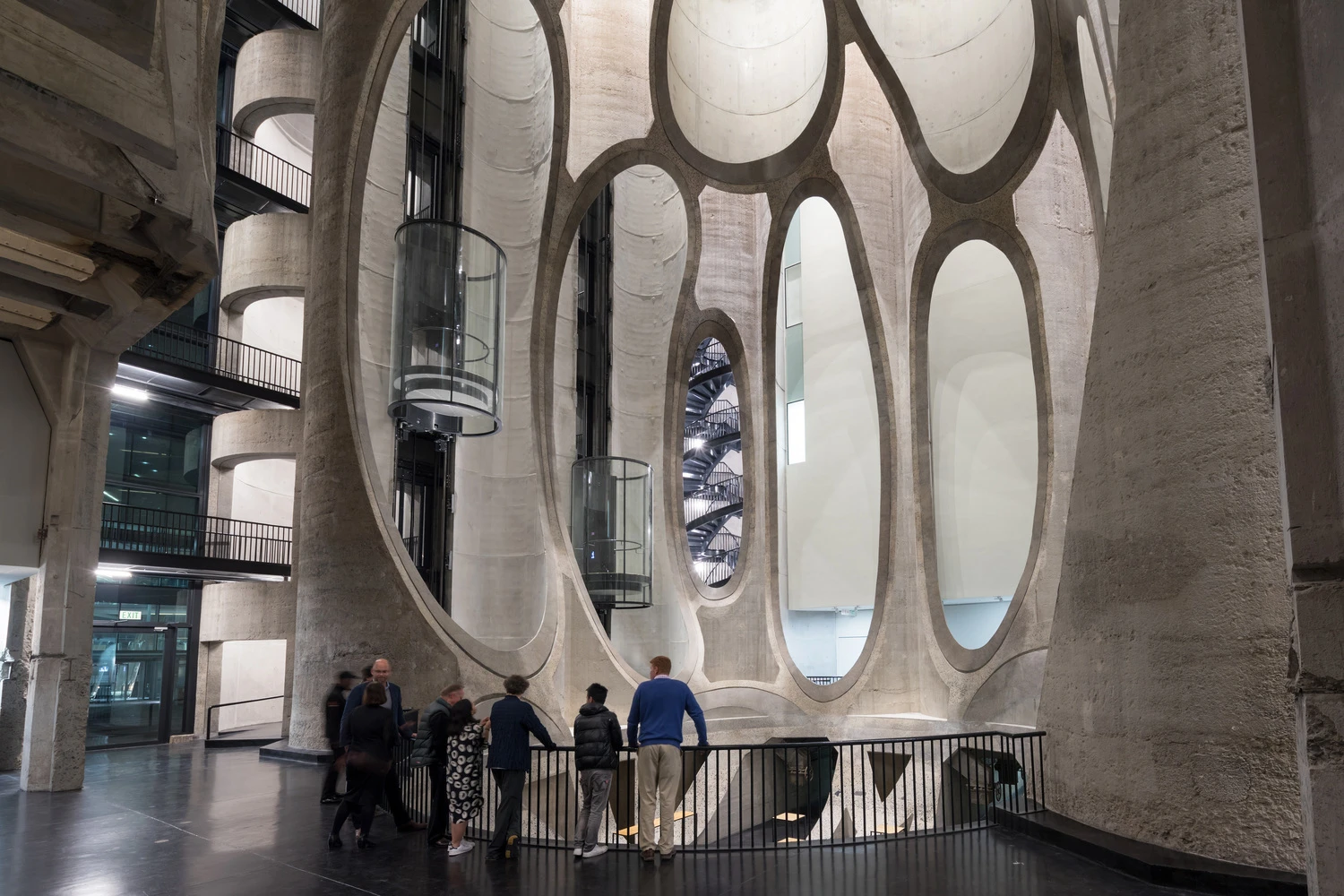
Another defining shift in architectural education is the closer integration of digital tools with physical production. As a result, computational design, parametric modeling, and AI-assisted workflows are becoming foundational.
At the same time, digital experimentation is being paired with fabrication and prototyping. The ability to test ideas through physical models, materials, and manufacturing processes is gaining renewed importance. This convergence of design and making reflects the realities of contemporary practice, where architects must understand how to design and build efficiently.
In this context, methodologies such as Design for Manufacturing and Assembly (DfMA) are beginning to influence how students approach design problems. The emphasis shifts from form alone to performance, feasibility, and execution.
Learning Within Industry Contexts
A growing number of programs are moving beyond the architectural education altogether, embedding learning within professional and industry settings. These initiatives provide access to tools, workflows, and expertise that are often unavailable in universities.

One example is the 2026 Architecture Summer School organized by Pininfarina in Turin. Structured as a two-week intensive program, it places participants inside a working design environment where architecture is approached alongside automotive design, engineering, and product development.
The program steps beyond theory and introduces students to real-world processes from concept development and user experience strategies to prototyping and final presentation. Access to advanced facilities and cross-industry tools allows participants to understand how ideas translate into production.
While such programs are relatively short in duration, they reflect a broader shift in how architectural knowledge is being transmitted: through immersion, collaboration, and direct exposure to practice.
Interdisciplinary Thinking as a Core Skill
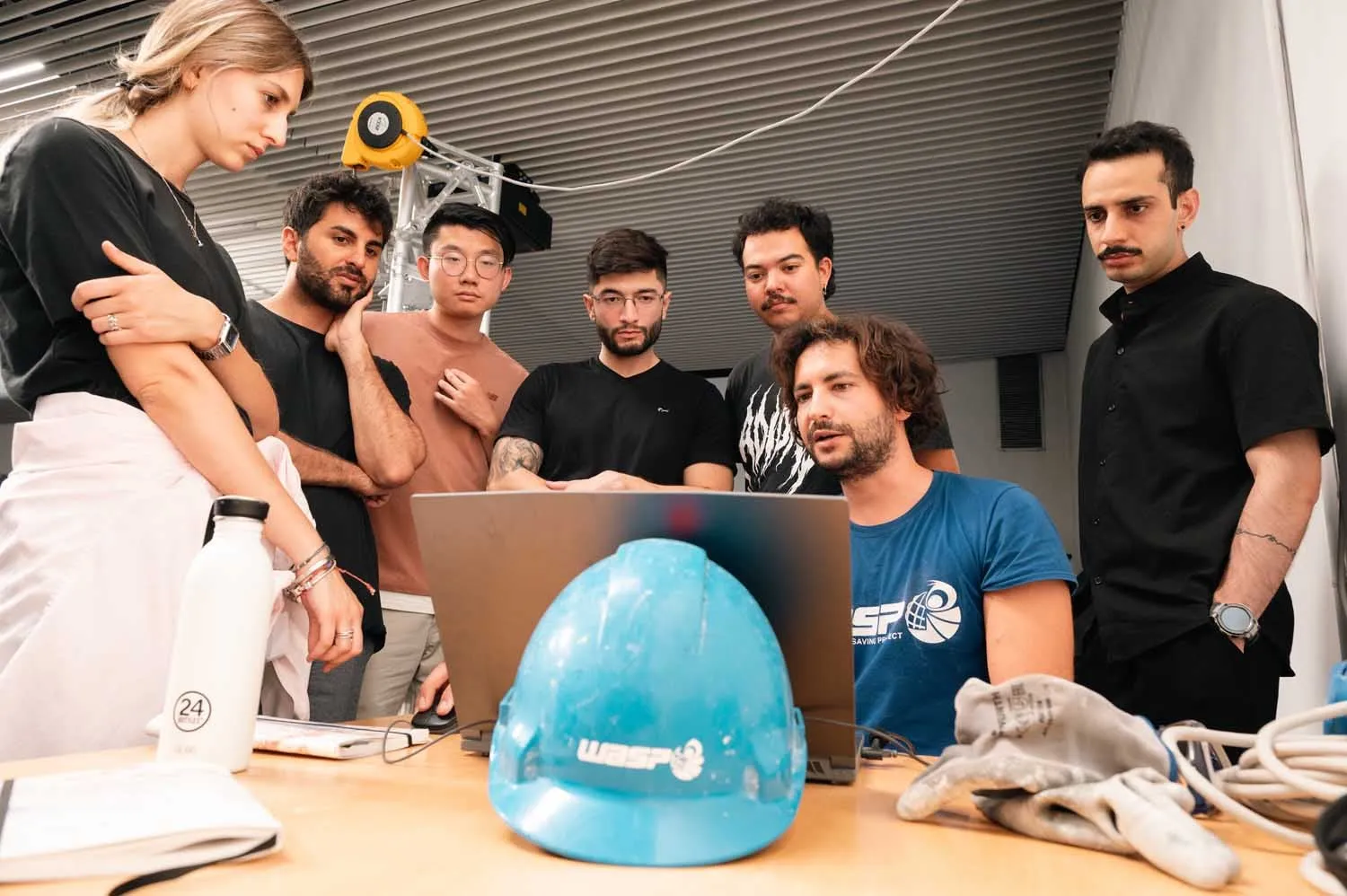
As architecture intersects more deeply with fields such as mobility, technology, and material science, interdisciplinary thinking is becoming essential. Designers are no longer working in isolation as they are part of larger teams that include engineers, technologists, data specialists, and manufacturers.
This shift is also influencing education. Programs increasingly emphasize collaboration across disciplines, encouraging students to think beyond traditional architectural boundaries. The exchange of ideas between different fields often leads to new design approaches, particularly in areas like responsive environments, smart systems, and user-centered design.
Institutions and industry-led initiatives alike are recognizing that innovation often emerges at these intersections.
Toward a More Adaptive Model of Education
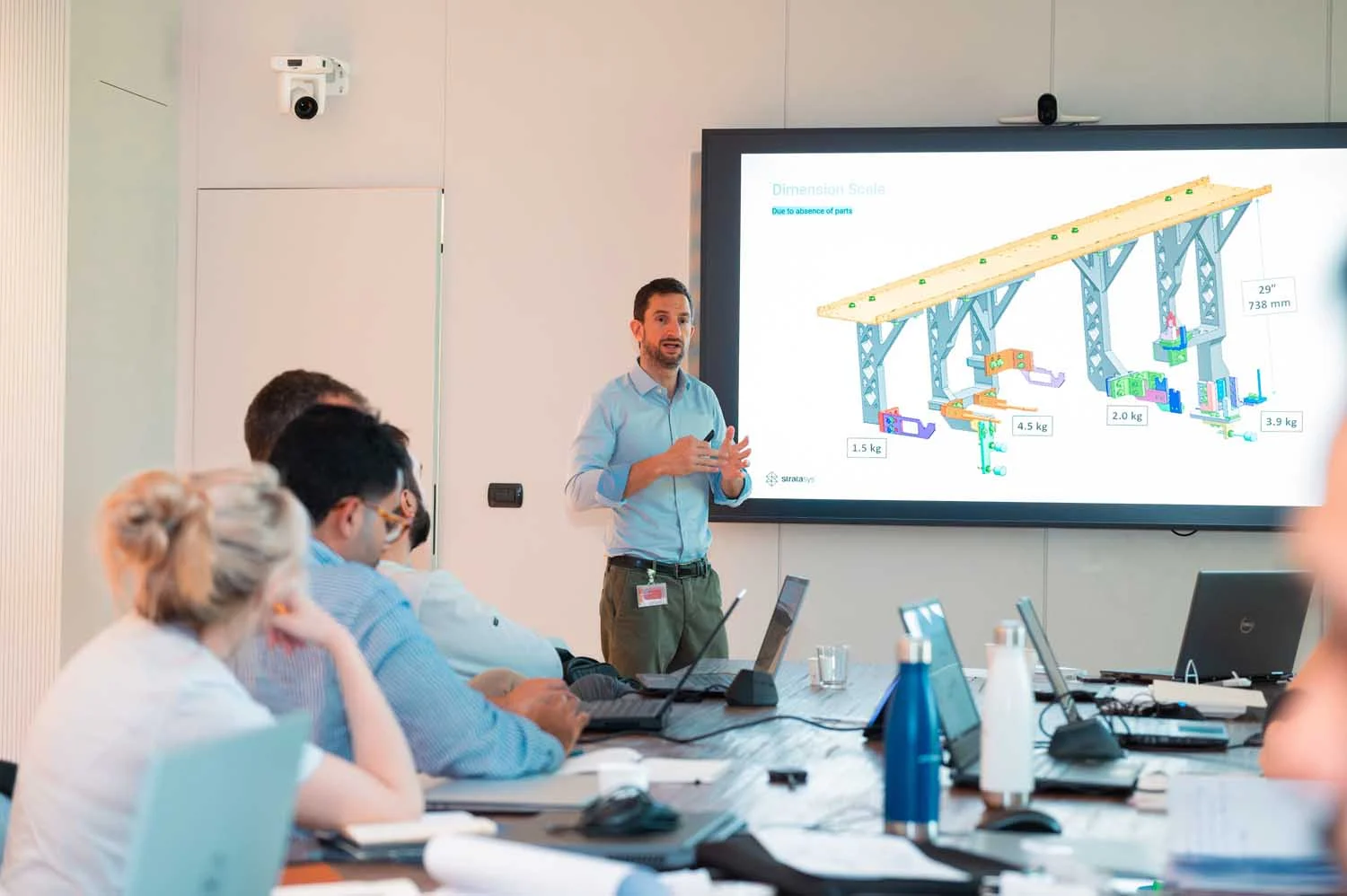
What is emerging is not a replacement for traditional architectural education, but an expansion of it. Universities continue to provide critical foundations in theory, history, and design thinking. However, complementary models such as workshops, summer schools, and research-driven programs are adding new layers of practical and technological knowledge.
The Pininfarina Academy’s approach, with its emphasis on blending aesthetics, engineering, and innovation, illustrates how these alternative formats can contribute to a more adaptive and responsive educational ecosystem.
Such initiatives suggest that the future of architectural education may be more modular and continuous, allowing designers to update their skills throughout their careers rather than relying solely on formal degrees.
What the Future Architect Needs

As the discipline continues to evolve, so too do the expectations placed on emerging architects. Technical fluency, adaptability, and the ability to navigate complex workflows are becoming as important as conceptual creativity.
At the same time, the core challenge remains unchanged: designing spaces that respond meaningfully to human needs and cultural contexts. The current transformation in education reflects this dual condition about learning new tools and understanding how those tools reshape the way architecture is conceived, developed, and experienced.
Programs like the Pininfarina summer school serve as one example within a larger movement, or one that is redefining how architects learn, collaborate, and engage with an increasingly complex built environment.
